
Wound Medicine: Best Treatments for Cuts and Chronic Wounds
- Sunny

- Aug 7
- 13 min read
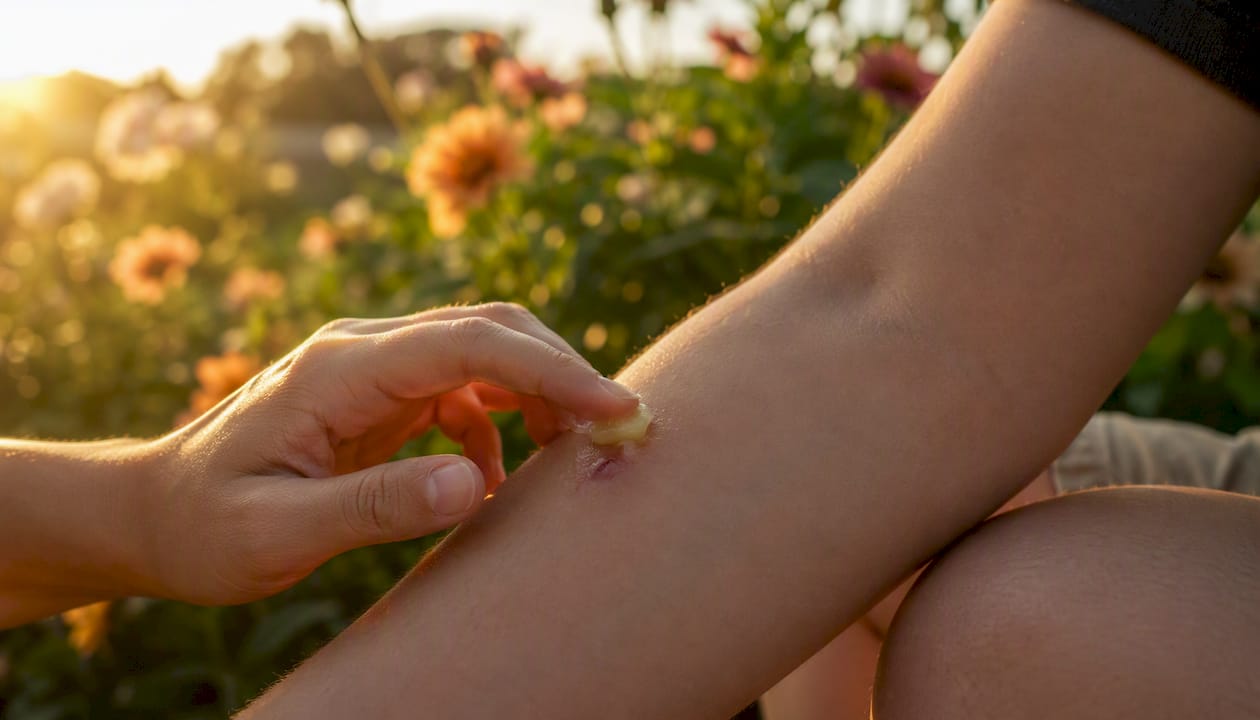
Wound medicine refers to the topical and systemic agents used to create the right local environment for healing: controlling infection, balancing moisture, reducing inflammation, and supporting tissue repair. For most fresh, minor wounds, the first action is straightforward: rinse gently with clean tap water or saline, apply an appropriate topical agent if indicated, and cover with a moist, non-adherent dressing. That single sequence, backed by evidence from StatPearls/NCBI, does more for healing than most people expect.
Immediate steps for a fresh wound:
Cleanse: Rinse with tap water or saline for several minutes to remove debris and bacteria.
Assess: Check depth, size, and whether bleeding is controlled.
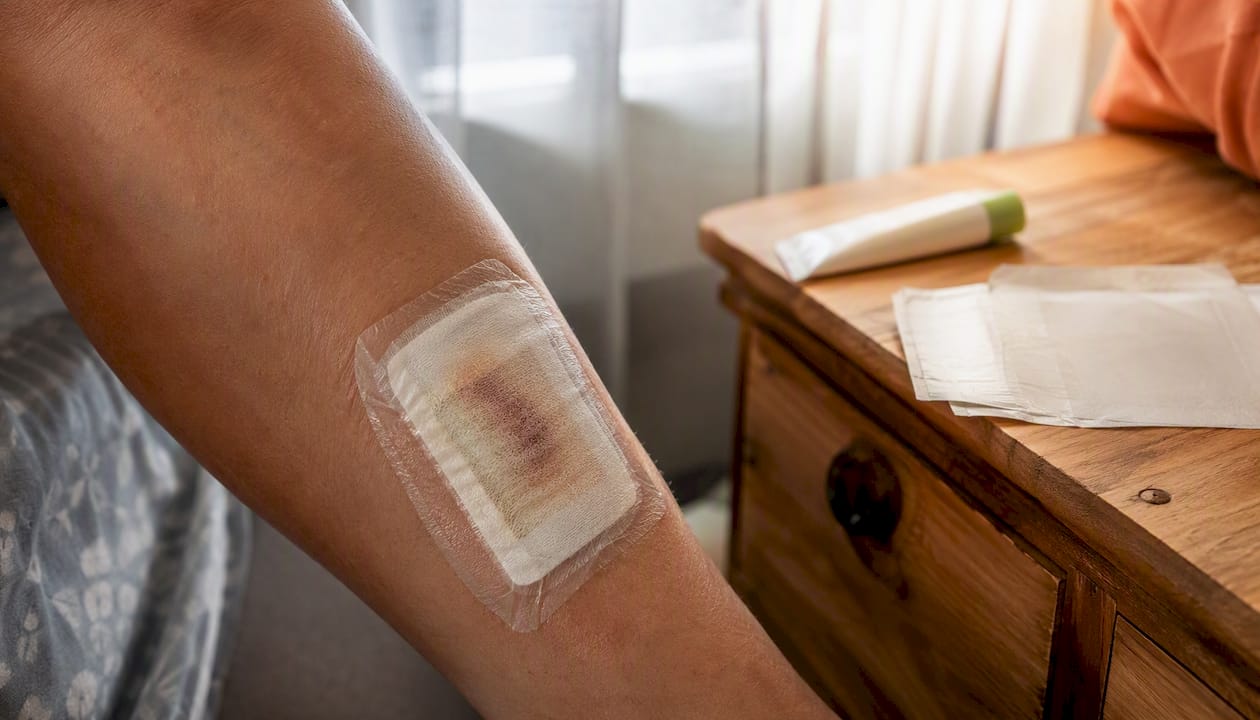
Protect: Cover with a moist, non-adherent dressing to prevent drying.
Apply a topical agent if indicated: Use a topical antimicrobial for contaminated or bite wounds; use a moist-support ointment (petroleum-based or plant-based) for clean minor cuts and burns.
Monitor: Watch for signs of infection over the next 24–72 hours.
Red flags that require urgent care:
Heavy or uncontrolled bleeding
Deep puncture wounds, especially from bites or rusty objects
Spreading redness, warmth, or red streaks from the wound
Fever, chills, or swollen lymph nodes
Wounds in patients with diabetes, peripheral arterial disease, or immune compromise
Exposed bone or tendon
The FDA regulates topical wound medicines sold in the United States, and guidance from NCBI/StatPearls consistently emphasizes wound bed preparation before any topical agent can work effectively. Theregenstore’s Re-gen ointment is a plant-based option covered later in this guide.
This article is general information, not medical advice. Consult a qualified healthcare provider for complex, infected, or non-healing wounds.
Table of Contents
How wounds heal and why it determines which medicines work
Understanding the biology of wound healing is not academic. It directly tells you which topical or systemic agent to reach for, and when.
Wound healing proceeds in four overlapping phases: hemostasis, inflammation, proliferation, and remodeling. Each phase has a distinct job, and the right wound medicine at the wrong phase can slow things down rather than speed them up.
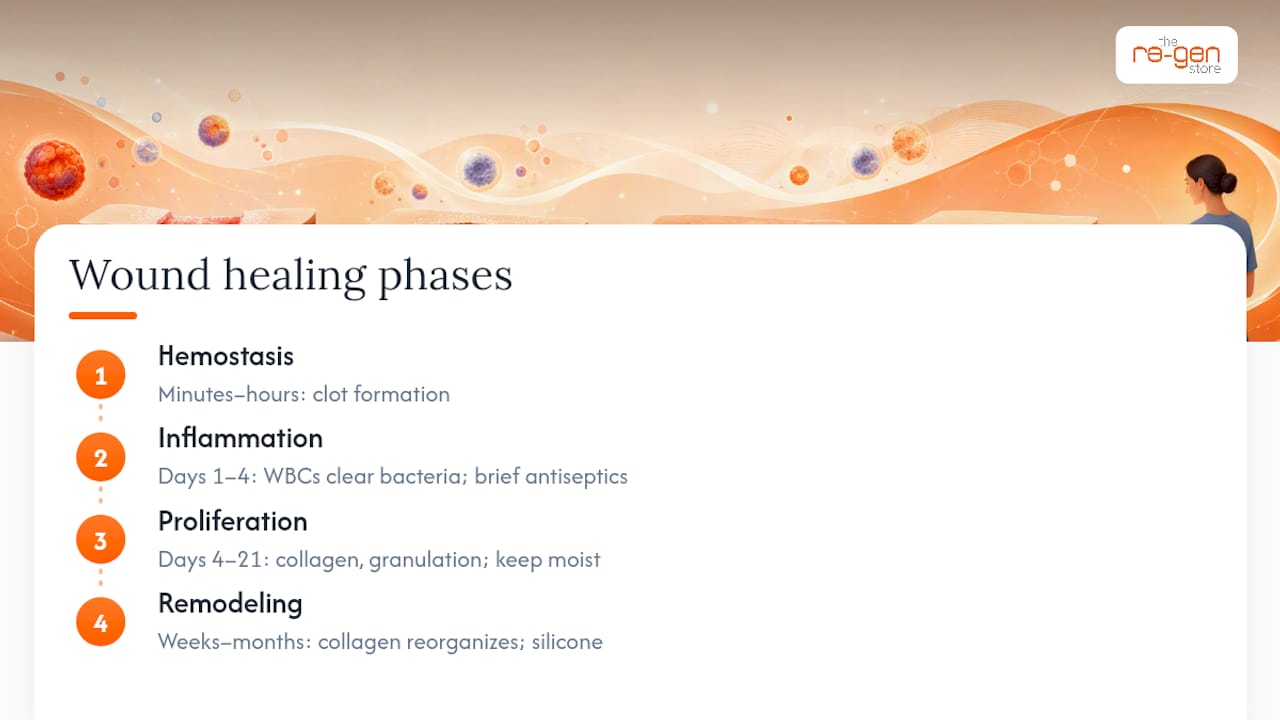
Hemostasis (minutes to hours): Blood vessels constrict and platelets form a clot. Your job here is to support this process, not disrupt it. Avoid aggressive scrubbing or strong antiseptics that damage the clot and surrounding tissue.
Inflammation (days 1–4): White blood cells flood the wound to clear bacteria and debris. Redness, warmth, and mild swelling are normal. Topical antiseptics like povidone-iodine can help control bacterial load in contaminated wounds during this phase, but prolonged use beyond a few days can impair the very cells doing the cleanup.
Proliferation (days 4–21): The body lays down new collagen, forms granulation tissue, and re-epithelializes the surface. This is where moisture balance becomes critical. A moist wound environment, supported by the right dressing or ointment, accelerates cell migration and autolytic debridement while preventing the dressing from adhering to fragile new tissue. The old “let it dry and scab” approach is not supported by current evidence.
Remodeling (weeks to months): Collagen reorganizes and scar tissue matures. Topical silicone gels or sheets are sometimes used here for scar management, though evidence varies.
Biofilm complicates this picture significantly in chronic wounds. A biofilm is a structured community of bacteria encased in a protective matrix that resists antibiotics and the immune response. It creates a low-oxygen, low-pH barrier that blocks cell migration and keeps the wound locked in a chronic inflammatory state. Disrupting biofilm through debridement is often a prerequisite before any topical antimicrobial can reach the bacteria underneath.
Common topical wound medicines: what each class does
The main classes of topical wound medicines include antiseptics, topical antibiotics, moisture-donating agents, moisture-absorbing dressings, enzymatic debriders, and specialty products like medical-grade honey, silver, and iodine dressings. Matching the class to the wound’s current state is what separates effective care from guesswork.
Topical antibiotics
Bacitracin and polymyxin B (available OTC, often combined) inhibit bacterial cell wall synthesis and are appropriate for clean minor cuts and abrasions. They carry a low allergy risk compared to neomycin-containing products.
Neomycin-containing combinations (e.g., triple antibiotic ointments) add gram-negative coverage but carry a meaningful risk of contact dermatitis, particularly with repeated use. Neomycin is one of the most common causes of allergic contact dermatitis in wound care. If you or a patient develops increasing redness or itching around a wound being treated with a triple antibiotic product, stop it and reassess.
Mupirocin (prescription) is effective against methicillin-resistant Staphylococcus aureus (MRSA) and is used for impetigo and superficial skin infections, not routine wound prophylaxis.
Resistance concern: Overuse of topical antibiotics contributes to resistance. The NEJM’s guidance on acute wound management is clear that prophylactic topical antibiotics are not recommended for routine clean wound closures. Reserve them for wounds with genuine infection risk.
Antiseptics
Povidone-iodine and chlorhexidine are broad-spectrum and useful for initial wound cleansing of contaminated wounds. Both are cytotoxic to fibroblasts and keratinocytes at standard concentrations with prolonged use, so they are best used short-term during the inflammatory phase, not applied continuously to a healing wound bed.
Moisture-donating and moisture-absorbing agents
This is where dressing science intersects with wound medicine. Hydrogels donate moisture to dry, low-exudate wounds and support autolytic debridement. Alginates and foam dressings absorb excess exudate from high-output wounds, preventing maceration of surrounding skin. Hydrocolloids maintain a moist environment for moderate exudate wounds and are largely self-managing between changes.
Plant-based ointments without petroleum or synthetic antibiotics can also support a moist wound environment. Practitioners increasingly favor biocompatible options to avoid irritant effects on delicate wound beds when infection is not present. Learn more about how ointments support tissue repair and why the base matters as much as the active ingredient.
What the evidence actually says about wound medicines
Many topical agents improve the wound environment. Strong randomized controlled trial (RCT) evidence is more limited than most product labels suggest, but the moist wound healing principle itself is well-established across multiple systematic reviews.
A review of pro-healing drugs and biologics confirms that while targeted pharmaceuticals and repurposed drugs show promise, RCT-level evidence remains limited for many commonly used topical remedies. That does not mean they are ineffective; it means the evidence base is still catching up with clinical practice.
Evidence summary by agent class:
Moist wound environment (hydrogels, petrolatum, plant-based ointments): Strong evidence from multiple systematic reviews. Moist environments accelerate re-epithelialization, reduce pain, and prevent dressing adherence.
Topical antibiotics (bacitracin, mupirocin): Moderate evidence for superficial infections; limited evidence for routine prophylaxis in clean wounds.
Medical-grade honey: Moderate evidence for infected and sloughy wounds; some RCT support for venous leg ulcers and burns.
Silver dressings: Moderate evidence for critically colonized wounds; insufficient evidence for routine use on clean wounds.
Povidone-iodine / chlorhexidine: Evidence supports short-term use for contaminated wound cleansing; evidence does not support prolonged application to healing wound beds due to cytotoxicity.
Enzymatic debriders (collagenase): Moderate evidence for necrotic wound debridement when surgical options are unavailable.
Growth factors (e.g., becaplermin): FDA-approved for diabetic neuropathic ulcers; RCT evidence supports use in that specific indication.
Safety alerts to keep in mind:
Neomycin causes allergic contact dermatitis in a clinically significant proportion of patients. If a wound worsens with a triple antibiotic product, switch to a single-agent or non-antibiotic option.
Antibiotic resistance is a real consequence of topical antibiotic overuse. Clinical guidance recommends reviewing topical antimicrobial therapy within 1–2 weeks and discontinuing when signs of infection resolve.
Prolonged antiseptic use on a healing wound bed delays rather than supports recovery.
Systemic antibiotics carry their own risks: Clostridioides difficile colitis, allergic reactions, and resistance selection. Reserve them for genuine systemic infection.
The NEJM’s acute wound management guidance is explicit: prophylactic antibiotics are not recommended for routine clean wound closure. Exceptions include bite wounds, open fractures, and wounds in severely immunocompromised patients.
Advanced therapies for chronic or non-healing wounds
When a wound has not shown measurable progress after 4–12 weeks, it meets the clinical definition of a chronic wound and requires escalation beyond standard dressings and topical agents.
Chronic wounds typically result from poor circulation, uncontrolled diabetes, immune compromise, or persistent pressure. Standard topical therapy alone rarely closes them. The following advanced options are used by wound care specialists and should be pursued through a clinical referral.
Negative pressure wound therapy (NPWT): A sealed foam dressing connected to a vacuum pump removes excess exudate, reduces edema, and promotes granulation tissue formation. Used for large traumatic wounds, surgical dehiscence, and diabetic foot ulcers. Strong clinical evidence supports its use.
Hyperbaric oxygen therapy (HBOT): Breathing 100% oxygen at elevated atmospheric pressure increases tissue oxygen delivery. Indicated for diabetic foot ulcers with ischemia, radiation-induced wounds, and refractory osteomyelitis. Not appropriate for every chronic wound; requires specialist evaluation.
Enzymatic and surgical debridement: Applying topical agents to necrotic tissue is largely ineffective until the wound bed is prepared. Debridement, whether surgical, enzymatic (collagenase), mechanical, or biologic (maggot therapy), clears the necrotic burden and allows topical agents to reach viable tissue. This step is non-negotiable for chronic wounds.
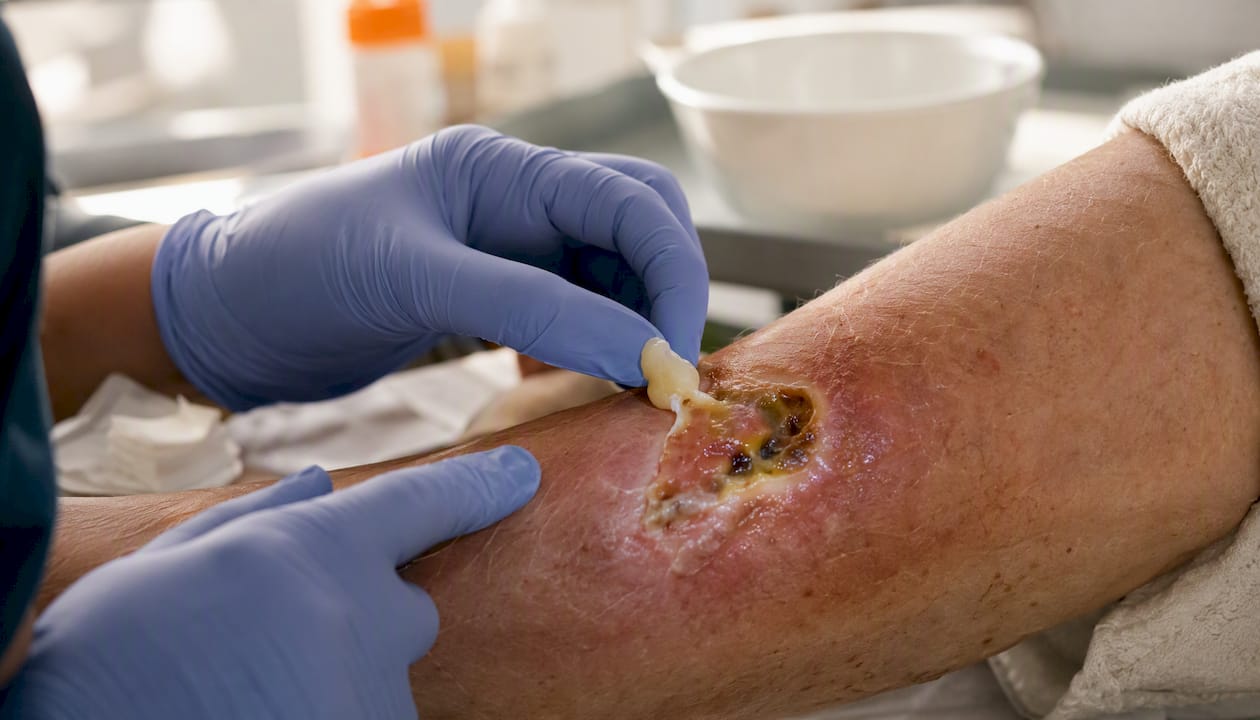
Platelet-rich plasma (PRP) and growth factors: PRP concentrates the patient’s own growth factors and is injected or applied to the wound bed. Evidence is promising for diabetic foot ulcers and chronic venous ulcers, though larger RCTs are still needed. FDA-approved becaplermin (recombinant PDGF) has established evidence for diabetic neuropathic ulcers.
Skin grafts and biologic dressings: Split-thickness skin grafts remain the standard for large wounds that cannot close by secondary intention. Acellular dermal matrices and bioengineered skin substitutes provide a scaffold for tissue ingrowth in wounds where autograft is not feasible.
Emerging biomaterial therapies: Science Advances research highlights biomaterials that deliver drugs or biologics in a sustained-release format, modulate inflammation, and provide extracellular matrix cues. Several are in clinical trials for diabetic foot ulcers and surgical scar reduction. These are not yet standard of care but represent the direction wound medicine is heading.
Referral triggers: Refer to a wound care specialist or vascular surgeon when a wound shows no measurable improvement in 4–6 weeks, when bone or tendon is exposed, when recurrent infection is present, when vascular disease is suspected, or when osteomyelitis cannot be ruled out. A clinical wound care overview can help you understand what to expect at that referral.
Red flags and when to seek medical attention
Most minor wounds heal without complication when cleaned and covered promptly. The challenge is recognizing when a wound has crossed the line from manageable at home to requiring professional care.
Seek prompt evaluation if you notice any of the following:
Increasing pain after the first 24–48 hours (healing wounds should become less painful, not more)
Spreading redness extending more than roughly 2 cm beyond the wound edge
Red streaks radiating from the wound (a sign of lymphangitis)
Pus, foul odor, or significant increase in wound discharge
Fever above 100.4°F or chills
Wound that has not started to close or reduce in size after 4–6 weeks
Exposed bone, tendon, or joint capsule
Loss of pulses or sensation in the affected limb
Any wound concern in a patient with diabetes, peripheral arterial disease, or immune suppression
Timeline expectations:
Acute wounds (cuts, abrasions, minor burns): expect visible progress within 7–14 days and closure within 4–6 weeks depending on depth.
Wounds not healing by 4–6 weeks should be evaluated by a provider to rule out infection, vascular insufficiency, or other systemic factors.
Wounds persisting beyond 4–12 weeks without measurable improvement meet the clinical threshold for chronic wound status and require specialist referral.
High-risk patients need earlier evaluation. Diabetes, peripheral arterial disease, venous insufficiency, immunosuppression (including corticosteroid use), malnutrition, and advanced age all impair healing. A wound that would be minor in a healthy adult can become limb-threatening in a patient with uncontrolled diabetes or poor circulation. Do not wait for the 4–6 week threshold in these patients; seek evaluation within 1–2 weeks if the wound is not clearly improving.
Re-gen: a petroleum-free, plant-based topical option
Re-gen, available through Theregenstore, is a petroleum-free, plant-based topical ointment designed to support a moist healing environment for minor wounds without synthetic antibiotics or petroleum-derived bases. For patients who want to avoid neomycin allergy risk, petroleum occlusion, or synthetic chemical exposure, it offers a practical alternative for appropriate minor wounds.
Intended uses:
Clean minor cuts and abrasions
Superficial minor burns (after cooling)
Post-operative superficial wound support where advised by a provider
Skin recovery for minor skin conditions and irritation
Usage guidance:
Cleanse the wound thoroughly before application.
Apply a thin layer of Re-gen to the wound surface.
Cover with a moist, non-adherent dressing appropriate to the wound’s exudate level.
Reapply at each dressing change.
Safety notes:
Re-gen is not a substitute for systemic antibiotics when infection is present or spreading.
Discontinue use and consult a provider if the wound worsens, redness spreads, or you develop signs of an allergic reaction.
Not intended for deep puncture wounds, wounds with exposed bone or tendon, or wounds showing systemic signs of infection.
As with any topical product, check the ingredient list if you have known plant-based allergies.
Theregenstore positions Re-gen as a petroleum-free, plant-based wound treatment for health-conscious individuals who prefer natural, chemical-free options. It is also available as a natural alternative for pet first-aid use, with separate usage guidelines for animals.
Pro Tip: For minor burns, cool the area with running water for at least 10 minutes first, then apply Re-gen under a non-adherent dressing. Never apply any ointment to an uncooled burn; it traps heat in the tissue.
Key Takeaways
Effective wound medicine starts with a clean wound bed, a moist healing environment, and a topical agent matched to the wound’s type, exudate level, and infection status.
Point | Details |
Clean before you treat | Rinse with tap water or saline for 5–10 minutes before applying any topical agent. |
Moist environment heals faster | Evidence consistently shows moist wound beds accelerate cell migration and re-epithelialization. |
Match dressing to exudate | Use hydrogels for dry wounds, alginates or foams for high-exudate wounds, and hydrocolloids for moderate output. |
Topical antibiotics are not always needed | Prophylactic topical antibiotics are not recommended for routine clean wound closure; reserve them for genuine infection risk. |
Chronic wounds need specialist care | Wounds not improving after 4–12 weeks require escalation to advanced therapies and specialist referral. |
Re-gen for chemical-free support | Theregenstore’s Re-gen ointment supports a moist healing environment for minor wounds without petroleum or synthetic antibiotics. |
What most people get wrong about wound medicine
The conventional wisdom on wound care has a persistent blind spot: people focus on what they put on a wound rather than what they do to the wound bed first. A topical agent applied to necrotic tissue, biofilm, or a desiccated wound surface is largely wasted. The preparation step, cleaning and debridement, is where most of the healing leverage actually lives.
The second thing people consistently underestimate is the allergy risk from neomycin-containing products. Triple antibiotic ointments are ubiquitous in American medicine cabinets, and most people use them without a second thought. But neomycin is a well-documented sensitizer. If a wound is getting redder and itchier after a few days of triple antibiotic use, the product may be the problem, not the solution.
There is also a tendency to reach for systemic antibiotics when a topical approach would suffice, and to reach for topical antibiotics when a moist-support ointment would do just as well. Both habits carry costs: resistance, side effects, and unnecessary expense. The evidence from the NEJM and NCBI is consistent on this point. Prophylactic antibiotics do not improve outcomes for routine clean wounds, and topical antimicrobials should be reviewed within 1–2 weeks rather than continued indefinitely.
Plant-based options like Re-gen are worth considering not because they are inherently superior to every conventional product, but because they sidestep several of the most common problems: petroleum occlusion, neomycin sensitization, and synthetic chemical exposure. For the right wound in the right patient, that is a meaningful practical advantage.
Re-gen is a cleaner way to support minor wound healing
If you have been managing minor cuts, burns, or post-procedure skin recovery with petroleum-based ointments or triple antibiotic products, Re-gen from Theregenstore offers a direct alternative without the synthetic ingredients. It supports a moist wound environment using plant-based, petroleum-free ingredients, which means no neomycin allergy risk and no petroleum occlusion on sensitive skin.
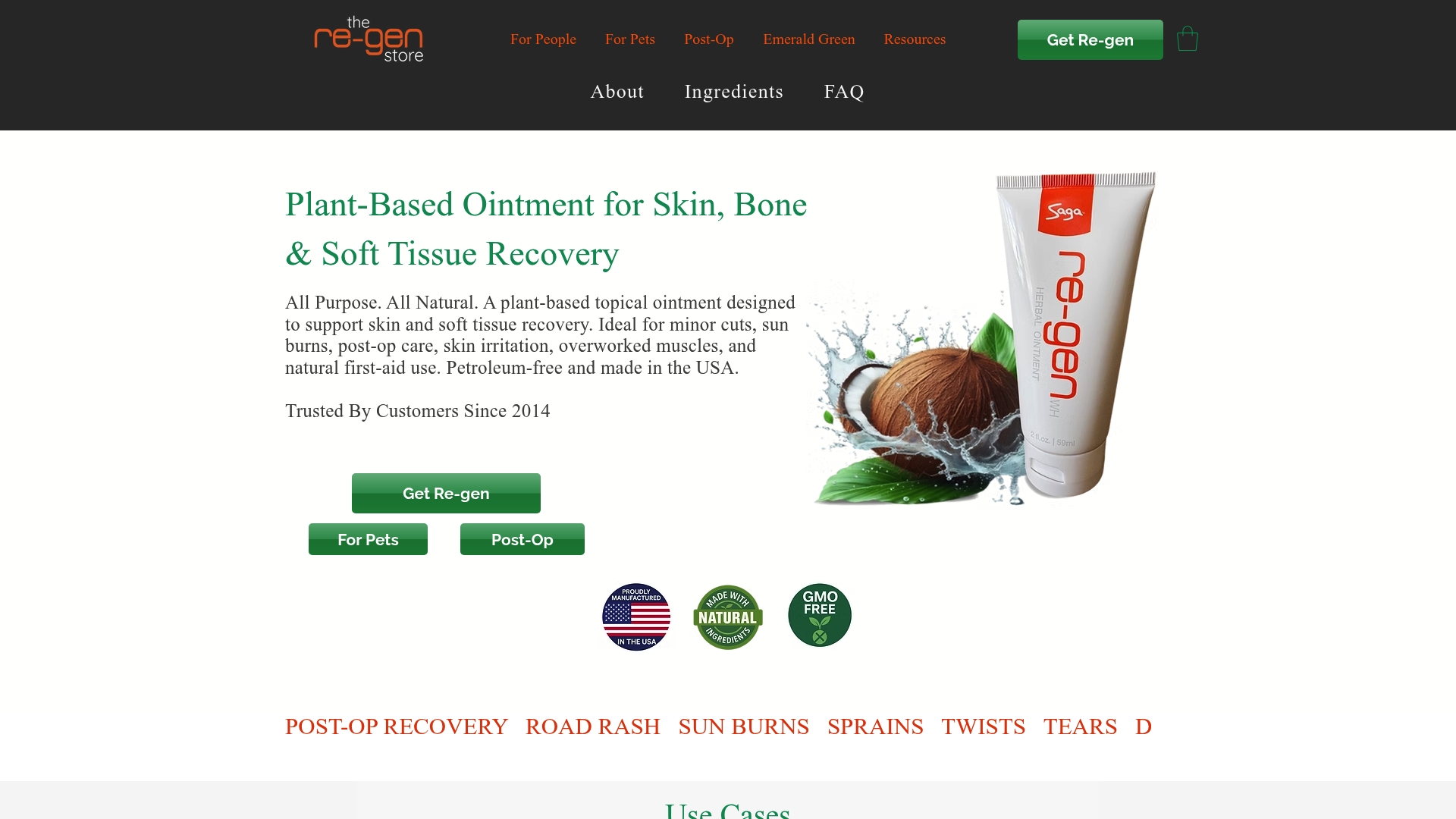
Re-gen is designed for clean minor wounds: cuts, abrasions, superficial burns, and post-operative superficial recovery where a provider has cleared topical ointment use. Apply a thin layer after cleansing, cover with a non-adherent dressing, and change as needed. It is not intended for infected wounds requiring systemic antibiotics, and it does not replace clinical care for deep, dirty, or non-healing wounds.
For readers who want to speed up wound healing naturally without synthetic chemicals, Re-gen is available in multiple sizes through Theregenstore. Visit the Re-gen product page to review ingredients, usage guidelines, and packaging options, and place an order directly through the site.
If your wound shows any red flags described in this guide, consult a healthcare provider before continuing home care.
Authoritative sources and further reading
The clinical guidance in this article draws from peer-reviewed and institutional sources. For deeper reading on wound biology, topical agents, and advanced therapies, the following resources are recommended.
For complex, non-healing, or high-risk wounds, consult a wound care specialist, vascular surgeon, or podiatrist familiar with current U.S. clinical practice guidelines.
FAQ
What is the best medicine for wounds?
There is no single best medicine for all wounds. Clean minor wounds respond well to a moist-support ointment (plant-based or petrolatum-based) under a non-adherent dressing; contaminated or infected wounds may require a topical antimicrobial or, when infection spreads systemically, a systemic antibiotic prescribed by a provider.
What heals wounds very fast?
Maintaining a consistently moist wound environment is the single most evidence-supported strategy for faster healing, as it accelerates cell migration and re-epithelialization. Prompt cleansing, appropriate dressing selection matched to exudate level, and avoiding over-cleaning or excessive dressing changes all support the fastest natural recovery.
What ointment helps wounds heal faster?
Petroleum-based ointments and plant-based alternatives like Re-gen from Theregenstore both support a moist wound environment that promotes faster healing compared to leaving a wound dry. For patients wanting to avoid petroleum or synthetic antibiotics, a petroleum-free, plant-based ointment is a practical option for clean minor wounds.
What is the drug of choice for open wounds?
For clean open wounds without signs of infection, the preferred approach is thorough cleansing and a moist-support ointment rather than an antibiotic. When infection is confirmed or the wound involves a bite, open fracture, or deep puncture, a systemic antibiotic selected based on likely organisms and local resistance patterns is appropriate, as guided by a healthcare provider.
When should I stop treating a wound at home?
Stop home treatment and seek care if the wound shows increasing pain, spreading redness, pus, fever, or has not started to close within 4–6 weeks. Patients with diabetes, peripheral arterial disease, or immune compromise should seek evaluation within 1–2 weeks if the wound is not clearly improving.
Recommended
Comments