
After Cast Skin Care: What to Do the Moment It's Off
- Sunny

- 36 minutes ago
- 11 min read
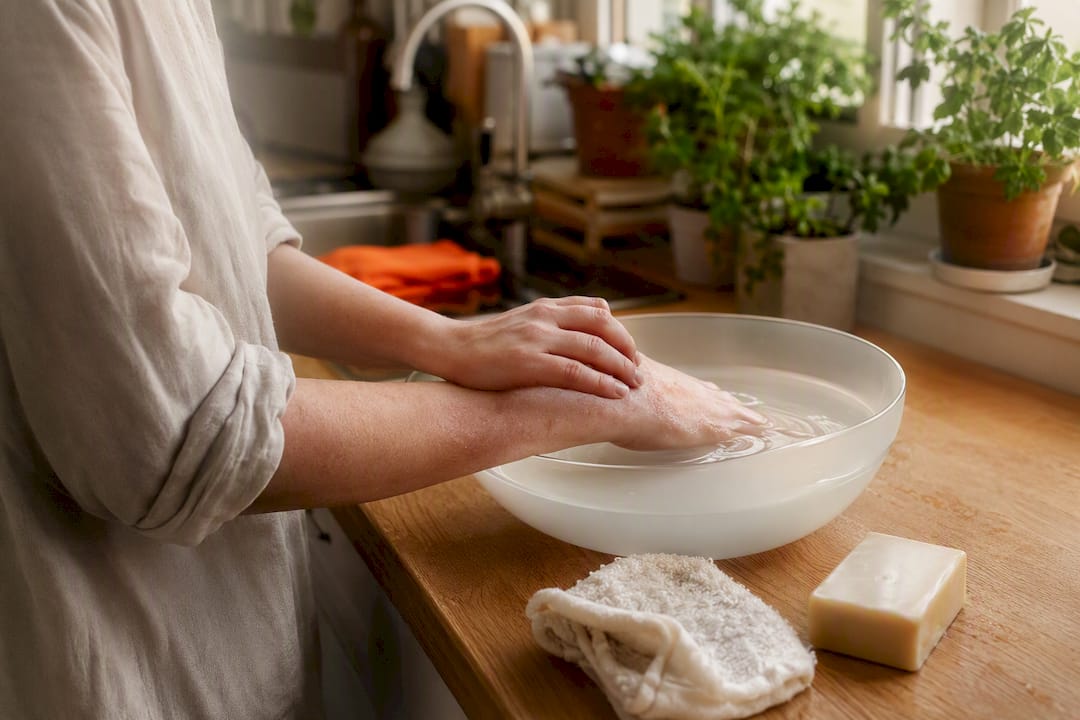
Soak the skin in warm water for about twenty minutes, once or twice daily, then pat it dry with a soft towel instead of rubbing. Apply a fragrance-free, alcohol-free moisturizer right after drying to help rebuild the skin barrier. Skip shaving for a few days, skip harsh soaps and scrubs, and never pick at flaking skin. Here’s the full checklist:
Soak affected skin in warm (not hot) water for 20 minutes, once or twice daily
Pat dry gently with a soft towel; don’t scrub
Moisturize immediately after drying with a fragrance-free, alcohol-free lotion
Hold off on shaving the area for a few days
Avoid harsh soaps, exfoliants, and fingernail scratching
Call your provider right away if you notice increasing pain, spreading redness, new swelling, open or draining skin, numbness, color changes, or a fever. According to patient education guidance from UW Health, these soak-and-moisturize steps form the backbone of safe recovery in the days right after a cast comes off.
Key Takeaways
Consistent warm soaks paired with fragrance-free moisturizing rebuild the skin barrier faster and more safely than scrubbing, picking, or aggressive exfoliation ever will.
Point | Details |
Soak before you moisturize | Warm water for 20 minutes, up to twice daily, loosens dead skin without scrubbing. |
Pat, never rub, when drying | A soft towel pressed gently protects new skin from micro-tears. |
Use your palm, not your nails | Open-palm rubbing relieves itching without risking cuts on fragile skin. |
Know the red flags | Increasing pain, spreading redness, swelling, or open skin means call your provider. |
Add gentle support when skin is intact | Theregenstore’s Re-gen ointment offers a plant-based option once soaking and moisturizing are underway and skin is not open or infected. |
Table of Contents
Your Daily After Cast Skin Care Routine, Step by Step
The skin that spent weeks under a cast is thinner, drier, and more reactive than the skin around it. It hasn’t been exposed to air, friction, or normal washing, so treat it gently for the first one to two weeks rather than jumping straight back into your old routine.
1. Soak first, every time. Fill a basin or the sink with warm water, not hot, and submerge the area for about 20 minutes. Do this once daily, or twice if the skin feels especially tight, flaky, or itchy. Warm water alone loosens dead skin without any scrubbing required.
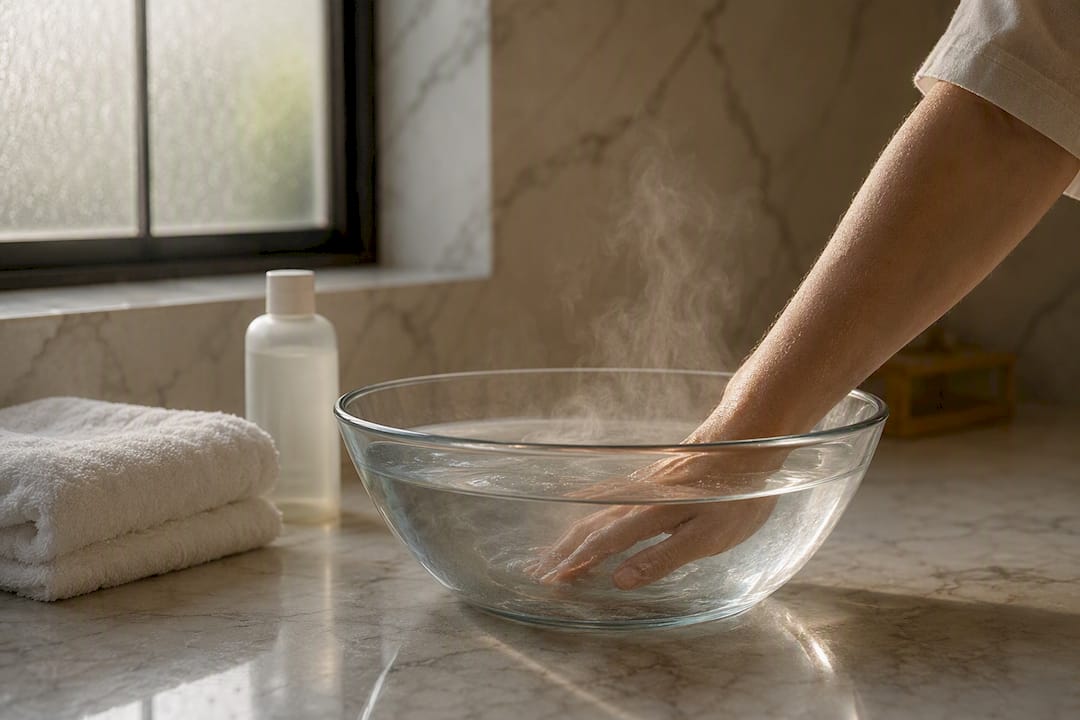
2. Cleanse without force. Use a mild, fragrance-free soap and your hands or a soft washcloth. Move in light circles. Never use a brush, loofah, or pumice stone on skin that just came out of a cast. UW Health’s patient handout specifically warns against scrubbing and picking, since both increase the risk of tearing fragile new skin.
3. Pat, don’t rub, when drying. A soft terry towel pressed gently against the skin protects the new epidermis far better than a brisk rub. This one habit reduces micro-trauma more than people expect.
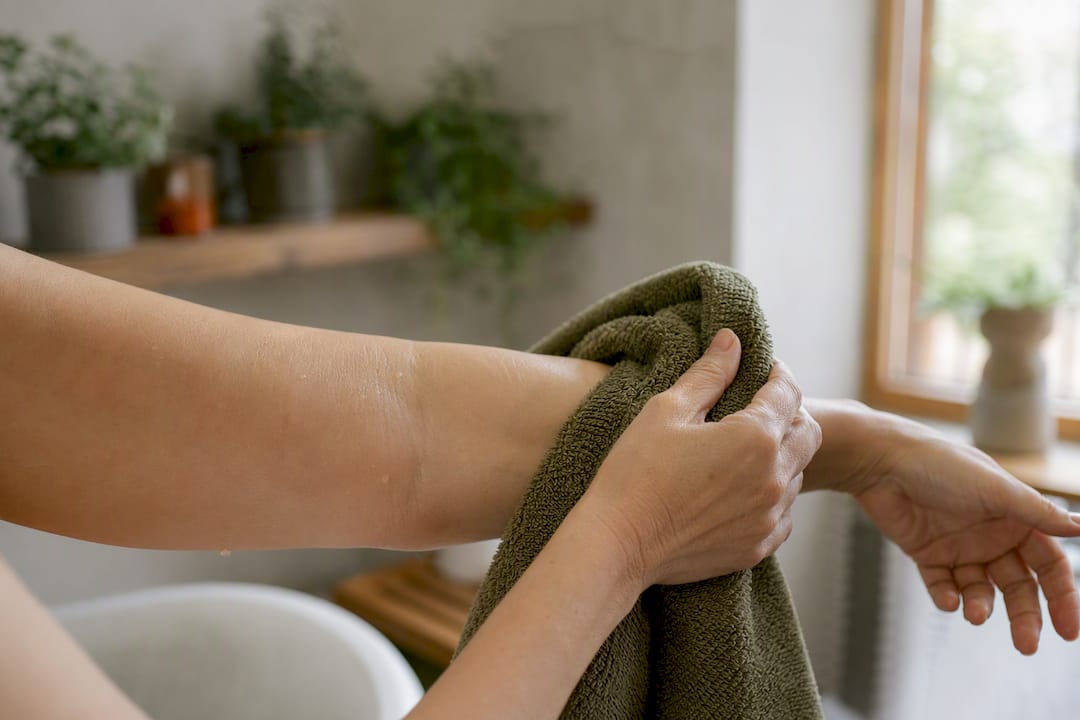
4. Moisturize while skin is still slightly damp. Look for lotions or ointments that are fragrance-free and alcohol-free, built on simple emollients rather than long ingredient lists. Apply a generous layer after every soak.
Quick do’s and don’ts:
Do moisturize at least twice daily for the first two weeks
Do wear loose clothing over the area
Don’t exfoliate with scrubs, brushes, or acids
Don’t shave the area for at least a few days
Don’t expose healing skin to direct sun without cover
Pro Tip: Keep your moisturizer in the bathroom, right next to your towel. Skin absorbs product best in the two minutes after a soak, and having the bottle within arm’s reach means you won’t skip the step because you had to go find it.
How to Handle Itching Without Hurting Fragile Skin
Itching after cast removal is almost universal, and natural remedies can help soothe skin safely to ease this urge without harm, as explained in Natural Itchy Skin Relief: Fast, Safe Home Remedies. Don’t. Fingernails can tear skin that hasn’t fully rebuilt its outer layer, opening the door to infection. UMass Memorial Health recommends rubbing the area with your open palm instead. The flat surface relieves the itch sensation without the cutting risk nails carry.
Cool air helps too. A fan, a cool setting on a hair dryer, or simply elevating the limb above heart level for a few minutes can calm both itching and residual swelling. Elevation works especially well in the evening, when swelling tends to peak.
As for the flaky, dead skin buildup: expect it to clear gradually, not instantly. Most people see the bulk of it slough off within 2 to 3 days of consistent gentle soaks, though some areas take closer to a week. Resist the urge to peel it manually.
Skip alcohol-based products, menthol creams, and strong astringents. They feel cooling at first but dry out skin that’s already struggling to retain moisture. If itching is severe or doesn’t ease with these steps, call your provider.
When Should You Call Your Provider After a Cast Comes Off?
Most post-cast skin issues resolve with basic care. Some don’t, and catching the difference early matters. Contact your provider promptly if you notice any of the following:
Pain that increases instead of easing over a few days
Redness that spreads rather than fades
Swelling that persists or worsens after elevation
Open, draining, or oozing areas of skin
Fever, chills, or a foul odor
Numbness or a change in skin color
Mayo Clinic’s guidance on cast care lists these red flags because they can signal infection or a deeper problem that needs evaluation, not home treatment. Mild dryness and itching in the first few days are normal; anything getting worse instead of better is not.
One important caveat: if you have a healing surgical incision under where the cast was, do not soak it. Wait until your provider confirms the incision is fully closed and cleared for water exposure. Soaking too early raises infection risk. If you’re unsure whether your incision counts as healed, ask before your first soak rather than guessing.
What Recovery Actually Looks Like, Skin to Muscle
Skin recovery happens faster than most people expect, but it’s not instant. The outer barrier typically rebuilds within days to a few weeks of consistent moisturizing and gentle care. Hair in the area may look darker or grow in oddly at first; that’s temporary and usually returns to normal over a few months, according to UCSF Benioff Children’s Hospital.
Muscle tells a different story. Weeks of immobilization leave the limb visibly smaller and noticeably weaker than its counterpart. That’s expected atrophy, not damage.
Skin barrier: days to a few weeks with regular moisturizing
Hair pattern and color: normal appearance often returns within months
Muscle strength: gradual, often guided by prescribed exercises
Full function: varies by injury and often benefits from a physiotherapy referral
Rady Children’s Health notes that clinicians often prescribe specific exercises or a physiotherapy referral to rebuild strength safely. Keeping skin moisturized and intact isn’t just cosmetic here. Cracked or irritated skin can limit how much movement and stretching you can comfortably tolerate during those early rehab sessions, which slows the whole process down.
Gentle, Plant-Based Support for Skin That’s Still Healing
Once your skin is intact, not actively infected, and past the initial red-flag window, a gentle plant-based ointment can be a reasonable addition to your soak-and-moisturize routine. It is not a substitute for medical care on open wounds or unhealed incisions. Save it for skin that’s dry, tight, or recovering normally, not for broken or draining areas.
Application is simple:
Soak and pat the skin dry first, as usual
Apply a thin layer once or twice daily, or as your provider directs
Patch-test on a small area before full use if you have sensitive skin or a history of adhesive or topical allergies
Discontinue and call your provider if you notice new redness, burning, or a rash after applying
Theregenstore’s Re-gen ointment is built on plant-based, chemical-free ingredients with full ingredient transparency listed on the product page, designed as a natural option for skin, soft tissue, and post-injury recovery.
Pro Tip: If you’re switching between a moisturizer and a topical ointment, apply the thinner product first and let it absorb for a minute before layering the second one on. This prevents pilling and helps both products actually reach the skin.
Choosing Clothing That Won’t Irritate Healing Skin
What touches your skin matters almost as much as what you put on it. Tight waistbands, stiff denim, compression socks, and anything with rough seams can rub against skin that’s still thin and sensitive from weeks under a cast.
Loose, breathable fabrics are the better choice for at least the first two to three weeks. Cotton and other natural fibers let air circulate and reduce trapped moisture, which matters because damp skin under fabric is more prone to irritation and chafing. Look for garments with flat seams or seamless construction near the affected area, particularly if the cast was on a leg, arm, or wrist where clothing makes constant contact.
Skip anything elasticated directly over the healing area if you can help it. A sock cuff or sleeve that presses a tight line into fragile skin can leave marks or worsen swelling that hasn’t fully resolved. If you need support, ask your provider whether a soft compression sleeve designed for post-cast use is appropriate, since these are built differently than everyday athletic compression gear.
Layering also helps with temperature regulation, since healing skin can be more sensitive to both heat and cold than it was before the cast went on. A lightweight long-sleeve shirt you can remove is often more practical than one heavy layer.
Wash new clothing before wearing it against healing skin, and avoid fabric softeners or strong detergents during this stretch. Both leave residue that can trigger irritation on skin that’s already working overtime to repair its barrier.
Does Diet Affect How Fast Skin Heals After a Cast?
What you eat won’t undo weeks of immobilization overnight, but it plays a real supporting role while your skin rebuilds its barrier and your muscles start working again.
Protein deserves top priority. Skin repair and muscle rebuilding both depend on amino acids, so meals built around lean meat, fish, eggs, beans, or tofu give your body the raw material it needs during this stretch. Vitamin C supports collagen production, the structural protein that gives skin its strength; citrus fruit, bell peppers, and leafy greens are easy ways to get it. Zinc, found in nuts, seeds, and whole grains, also plays a role in tissue repair.
Hydration matters more than people assume. Dry, cracked skin has a harder time forming a solid moisture barrier, so water intake works alongside your topical moisturizer rather than instead of it. If you find your skin still feels tight and flaky despite consistent lotion use, check whether you’re drinking enough throughout the day.
None of this replaces the soak-and-moisturize routine that does the direct work on your skin. Think of nutrition as background support, not a fix on its own. A single week of better eating won’t visibly change your skin, but combined with the daily care steps above, it removes one more obstacle to a smooth recovery.
Easing Back Into Water and Bathing Normally
The 20-minute soaks you start with aren’t the same as jumping straight into a full bath or shower routine. Build up gradually.
For the first several days, stick to the basin or sink soak method rather than submerging the whole limb repeatedly throughout the day. Once your skin feels less tight and the flaking has mostly cleared, typically after that first week of consistent soaks, you can transition to normal bathing or showering, using the same mild, fragrance-free soap.
Keep water warm rather than hot. Hot water strips natural oils faster and can leave already-dry skin feeling tighter afterward. If you’re returning to swimming, wait until your provider clears the area fully, especially if there was any incision involved, since pools and open water carry infection risk for skin that hasn’t finished healing.
Moisturize immediately after every bath or shower, not just after the dedicated soaks. This is the point where a lot of people slip: they treat the formal soak-and-moisturize routine as separate from regular hygiene, then forget to moisturize after a normal shower. Your skin doesn’t know the difference. Any water exposure followed by air-drying pulls moisture out, so the same fragrance-free lotion belongs in your routine after every wash for at least the first two to three weeks.
Managing Scars and Skin Discoloration After a Cast
Most skin changes after a cast are temporary. Genuine scarring is uncommon from the cast itself, since the cast protects skin rather than injuring it directly, but scars can develop around pin sites, incision lines, or areas where skin broke down under the cast.
For any incision or pin-site scar, once it’s fully closed and your provider has cleared it, gentle massage with a fragrance-free moisturizer can help keep the tissue supple as it matures. Circular motion with light pressure, a couple of minutes at a time, is enough. Don’t start this on a scar that’s still scabbed or open.
Discoloration is more common than true scarring. Skin under a cast can look paler, redder, or slightly different in texture from the surrounding area for several weeks. This usually evens out on its own as circulation normalizes and the outer skin layer turns over.
Sun protection matters more here than people realize. New skin and healing scar tissue produce pigment unevenly when exposed to UV light, which can leave a patch darker than the surrounding skin for months. Cover the area with clothing when possible, and use a broad-spectrum sunscreen of at least SPF 30 on any exposed healing skin once it’s intact, even on cloudy days. This single habit does more to prevent long-term discoloration than any post-healing treatment can undo later.
What I’ve Seen Go Wrong (and What Actually Works)
The most common mistake isn’t neglect. It’s overcorrection. People see flaky skin and go straight for a loofah or their fingernails, when two or three gentle warm soaks would have cleared it on their own. Early shaving is a close second; give it a few days.
The other pattern worth naming: dismissing mild redness or warmth as “normal itching” for too long. It usually is normal. Sometimes it isn’t, and waiting an extra day to call costs more than the call itself would have.
If you want one practical fix, do two soaks before you touch a moisturizer. Let the water do the work first. For skin that’s intact but still tight afterward, a gentle plant-based option like Re-gen fits well as a next step.
Theregenstore for Post-Cast Skin Recovery
Theregenstore built Re-gen specifically for the gap most cast-removal advice leaves open: what to reach for once soaking and basic moisturizing aren’t quite enough. Instead of a synthetic ointment loaded with fragrance, alcohol, or petroleum, Re-gen uses a plant-based, chemical-free formula designed to support skin as it rebuilds its barrier after weeks of being covered.
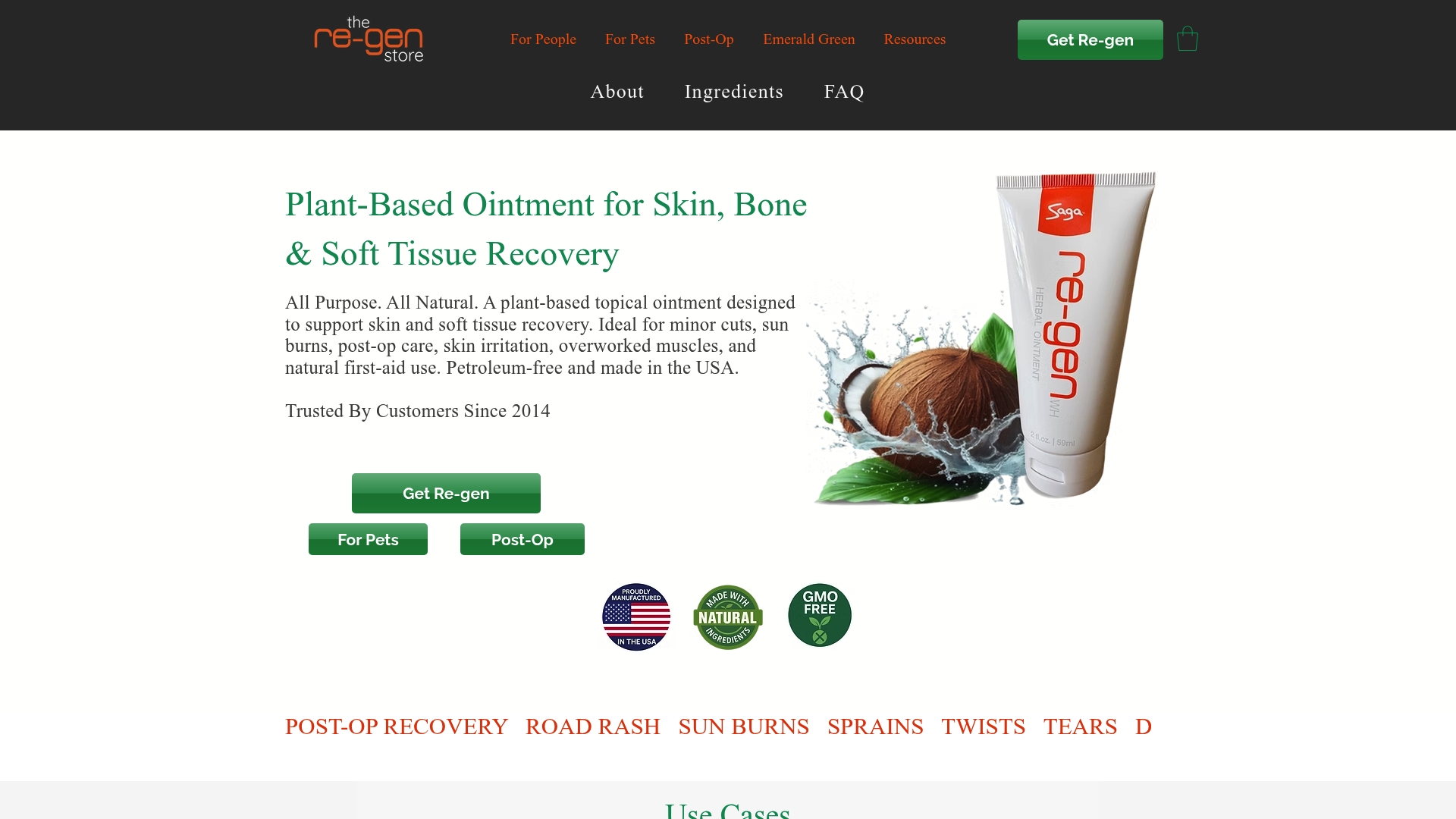
It suits anyone following the routine outlined above who wants a gentle topical layer for intact, non-infected skin, not open wounds or unhealed incisions. Ingredient transparency and usage guidelines are listed directly on the Re-gen product page, so you know exactly what’s going on your skin and when to use it. If your post-cast skin is dry, tight, or slow to bounce back despite consistent soaking and moisturizing, visit Theregenstore to review the full ingredient list and order the size that fits your recovery.
Sources
These handouts back the routine above with stepwise instructions and warning signs straight from clinical sources.
FAQ
How long does it take for skin to go back to normal after a cast comes off?
The skin barrier itself usually normalizes within days to a few weeks with consistent soaking and moisturizing, while hair pattern and color can take a few months to fully return, according to UCSF Benioff Children’s Hospital.
What kind of cream should I use after cast removal?
Choose a fragrance-free, alcohol-free moisturizer built on simple emollients, applied right after your warm soak while skin is still slightly damp. A plant-based ointment like Re-gen can layer in once skin is intact and past the initial healing window.
What is the best lotion to use on my skin after cast removal?
There’s no single best product, but the criteria are consistent across patient handouts: fragrance-free, alcohol-free, and free of harsh actives like acids or menthol, since these dry out or irritate skin that’s still rebuilding its barrier.
What should I do if my skin is hypersensitive after cast removal?
Stick to open-palm rubbing instead of scratching, use cool air or elevation to calm itching and swelling, and avoid alcohol-based or strongly scented products. If sensitivity doesn’t improve within a few days or gets worse, contact your provider.
When should I stop soaking and start showering normally?
Most people can transition from basin soaks to regular showers once flaking has mostly cleared, often around the one-week mark, as long as any incision in the area has been cleared by your provider first.
Recommended
Comments