
Bacterial Wound Infection: What Patients Need to Know
- Sunny

- 11 minutes ago
- 12 min read
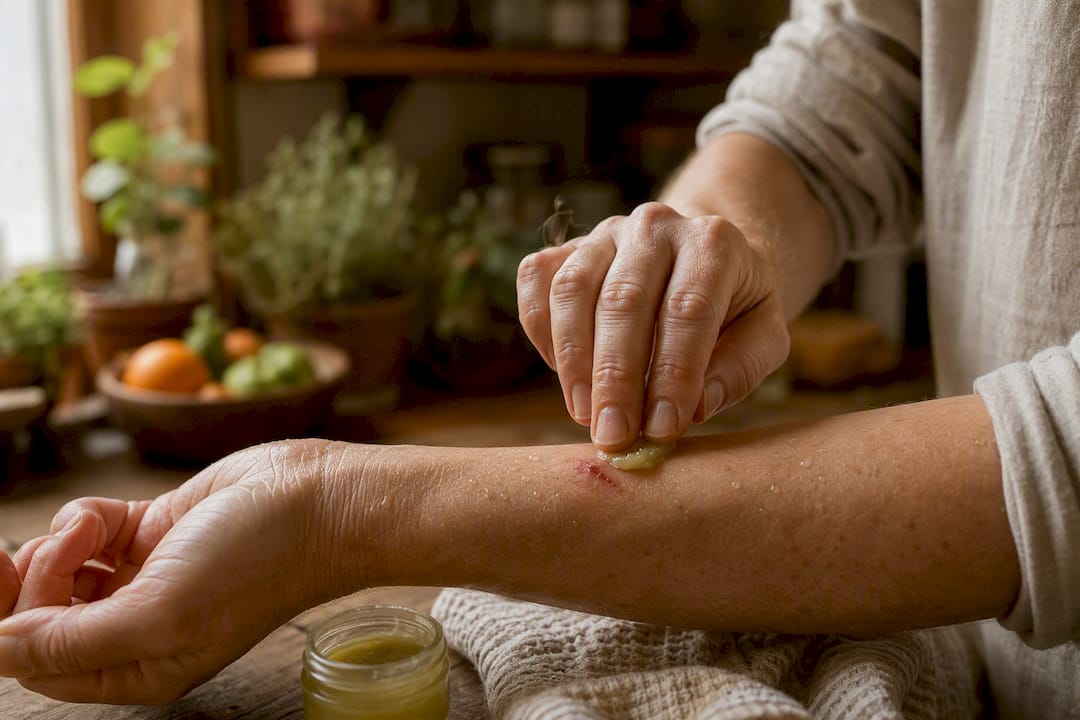
If your wound is red, swollen, warm, or leaking pus, and those signs are spreading or getting worse instead of better, it’s likely a bacterial wound infection that needs clinician review. If you also have fever, confusion, a racing heart, trouble breathing, or red streaks running away from the wound, that’s a medical emergency: go to urgent or emergency care now, not tomorrow.
Here’s what to do while you sort out your next step:
Clean the wound gently with clean water or saline. Don’t scrub.
Cover with a clean, dry (or appropriately moist) dressing and change it if it becomes saturated.
Don’t squeeze, pop, or dig into a deep wound to “release” pus at home.
Don’t apply unprescribed topical antibiotics to a wound that already looks infected without clinician input.
Watch for the red flags below over the next few hours.
Seek emergency care immediately if you notice: fever or chills, confusion, a rapid heartbeat, severe shortness of breath, or red streaking spreading from the wound. These are signs of possible sepsis, and they don’t wait for a same-week appointment.
Key Takeaways
Bacterial wound infection requires clinical assessment first, prompt local wound care and possible antiseptics for most cases, and systemic antibiotics only for spreading, systemic, or severe infection.
Point | Details |
Colonization is not infection | Bacteria are present on most wounds; true infection needs clinical signs, not just bacterial presence. |
S. aureus leads common isolates | Surveillance data shows S. aureus accounts for roughly 37% of wound isolates in one study, ahead of Pseudomonas and Proteus. |
Systemic signs mean emergency care | Fever, confusion, rapid heartbeat, breathlessness, or red streaking call for immediate medical attention. |
Antiseptics before topical antibiotics | Antiseptics reduce bacterial load with lower resistance risk than unprescribed topical antibiotics. |
Theregenstore supports minor, non-infected wounds | Re-gen offers a plant-based, petroleum-free adjunct for minor cuts and post-procedure skin, not a substitute for systemic care when infection is confirmed. |
Table of Contents
What Is a Bacterial Wound Infection, Really?
Every open wound picks up bacteria within minutes. That’s not the same thing as an infection, and understanding the difference is the key to knowing when to worry and when to just keep cleaning and watching.
Wound care specialists describe a spectrum. Contamination means bacteria are present but not multiplying in a way that affects healing. Colonization means bacteria are multiplying on the wound surface without triggering an inflammatory response or slowing repair. Critical colonization (sometimes called occult or covert infection) sits in between: bacterial load is high enough to stall healing, but the wound doesn’t show the classic red, hot, swollen picture. Overt infection is when bacteria have invaded tissue and triggered a clear inflammatory and often systemic response.
Researchers have proposed rough thresholds to separate these states: bacterial counts above roughly 10^5 organisms per gram of tissue in closed wounds and 10^6 per gram in open wounds are associated with clinically significant infection. But these numbers are guides, not hard cutoffs. A person with diabetes, poor circulation, or a suppressed immune system can develop a real infection at a lower bacterial load than a healthy young adult would.
That’s why diagnosis leans on clinical judgment first, not a lab number. Cultures and swabs support and refine a diagnosis your clinician has already suspected from looking at and touching the wound, per International Wound Infection Institute guidance.
Which Bacteria Most Commonly Infect Wounds?
Most bacterial wound infections trace back to a fairly short list of organisms, and knowing which ones are common shapes both how a clinician treats you and how urgently.
Staphylococcus aureus (including MRSA), the most frequently isolated organism across wound types.
Pseudomonas aeruginosa, often linked to wet, macerated, or soaking wounds and burns.
Streptococcus species, associated with rapidly spreading, sometimes serious infections like cellulitis or necrotizing fasciitis.
Enterobacteriaceae such as E. coli, Proteus, and Klebsiella, common in wounds near the groin, abdomen, or in diabetic foot ulcers.
Enterococci and anaerobes, frequently found in deep, necrotic, or chronically infected wounds.
One surveillance study of infected wounds found S. aureus accounted for roughly 37% of bacterial isolates, with Pseudomonas aeruginosa and Proteus mirabilis trailing at meaningfully lower rates. Proportions shift by wound type. Burns and diabetic foot ulcers tend to show more Gram-negative and polymicrobial infections, while surgical wounds skew more toward Staphylococcus and Streptococcus species, a pattern echoed across other wound microbiology surveys.
What Are the Early Signs of a Wound Infection?
Local signs typically show up before systemic ones, and knowing what’s normal healing versus what’s not can save you a trip to the emergency room, or send you there faster when you actually need it.
Watch for:
Increasing pain at the wound site, especially pain that gets worse a few days in rather than steadily improving.
Spreading redness beyond the wound edges, not just a thin pink rim.
Warmth and swelling that feel different from the surrounding skin.
Pus or cloudy, foul-smelling discharge.
A wound that stops healing or looks worse than it did two or three days earlier.
Systemic signs mean the infection may be spreading beyond the wound itself: fever, confusion, a fast heartbeat, rapid breathing, low blood pressure, reduced urination, and red streaking running from the wound toward the heart. These are emergency warning signs that call for immediate medical attention.
Not every infection announces itself loudly. In chronic wounds, diabetic foot ulcers, and older adults, classic inflammation can be muted or absent even when bacteria are actively harming tissue.
Clinicians sometimes flag this as critical colonization: a wound that simply won’t heal, paired with subtle clues like worsening blood sugar control, unusual fatigue, or a change in wound odor, rather than the textbook redness and heat.
How Do Doctors Diagnose a Bacterial Wound Infection?
Clinical assessment comes first. A clinician looks at the wound, asks about your symptoms and timeline, and checks for systemic signs before ordering any test, because diagnosis is primarily clinical and lab work is there to confirm and guide treatment, not to make the initial call.
A wound swab or tissue sample is generally reserved for specific situations:
Infection is spreading despite basic wound care.
Initial treatment (cleaning, dressing changes) hasn’t worked.
The infection looks severe or systemic.
An unusual organism is suspected, such as after an animal bite or water exposure.
When testing is warranted, clinicians choose from several tools:
Wound swab, quick but prone to picking up surface bacteria rather than deep tissue pathogens.
Tissue biopsy, more accurate for identifying the organisms actually driving infection.
Blood cultures and inflammatory markers (like white cell count or CRP) when systemic infection is suspected.
X-ray, followed by MRI, when bone infection (osteomyelitis) is suspected, particularly in diabetic foot wounds with a nonhealing ulcer or a positive probe-to-bone finding.
Ultrasound, useful for identifying deeper fluid collections or abscesses.
Timing matters for interpretation. The CDC defines a surgical site infection as one occurring within 30 days of a procedure, marked by purulent drainage plus at least one other sign like pain or swelling. Dirty, traumatic wounds tend to show infection faster, often within 24 to 72 hours, though some infections take longer to become obvious.
How Are Infected Wounds Treated?
Treatment for a bacterial wound infection follows a logical sequence, and skipping steps (jumping straight to antibiotics without proper wound preparation, for example) is one of the most common reasons infections drag on.
Assess the wound and the person. Clinicians weigh wound depth, location, how long it’s been present, and risk factors like diabetes or vascular disease before deciding on a plan.
Clean and irrigate. Saline or clean water flushed gently over the wound removes debris and reduces bacterial load, which matters more than most people assume.
Debride if needed. Dead or necrotic tissue and biofilm harbor bacteria and block healing. Sharp or surgical debridement is often preferred for wounds with spreading infection because it removes the bacterial reservoir quickly, though clinicians weigh this against a patient’s overall health and comorbidities.
Manage exudate with the right dressing. Foam, alginate, or hydrofiber dressings absorb drainage and support a healing-friendly moist environment without letting the wound stay waterlogged.
Consider antiseptics before reaching for antibiotics. Topical antiseptics reduce bacterial load with a lower resistance risk than topical antibiotics, and current guidance favors them as a first-line topical strategy for many open, infected wounds.
Start systemic antibiotics when indicated, not automatically. Oral or IV antibiotics come into play for spreading cellulitis, systemic symptoms, suspected necrotizing infection, confirmed osteomyelitis, or when local measures have failed.
Reassess. A wound should show measurable improvement within a few days of starting a treatment plan. If it doesn’t, that’s a signal to escalate, not repeat the same approach.
Certain findings mean it’s time for a hospital, not a home routine: rapidly spreading redness, systemic symptoms, suspected necrotizing infection, confirmed bone involvement, or a wound that hasn’t responded to appropriate outpatient treatment.
On the topical side, the distinction between antiseptics and topical antibiotics matters more than most over-the-counter shoppers realize. Topical antibiotics carry real downsides: resistance development and allergic contact dermatitis are both well documented, particularly with repeated use. Antiseptics, along with well-chosen antimicrobial dressings, reduce bacterial burden without that same resistance pressure, and biofilm-disrupting dressings can help resolve wounds that keep stalling despite otherwise reasonable care.
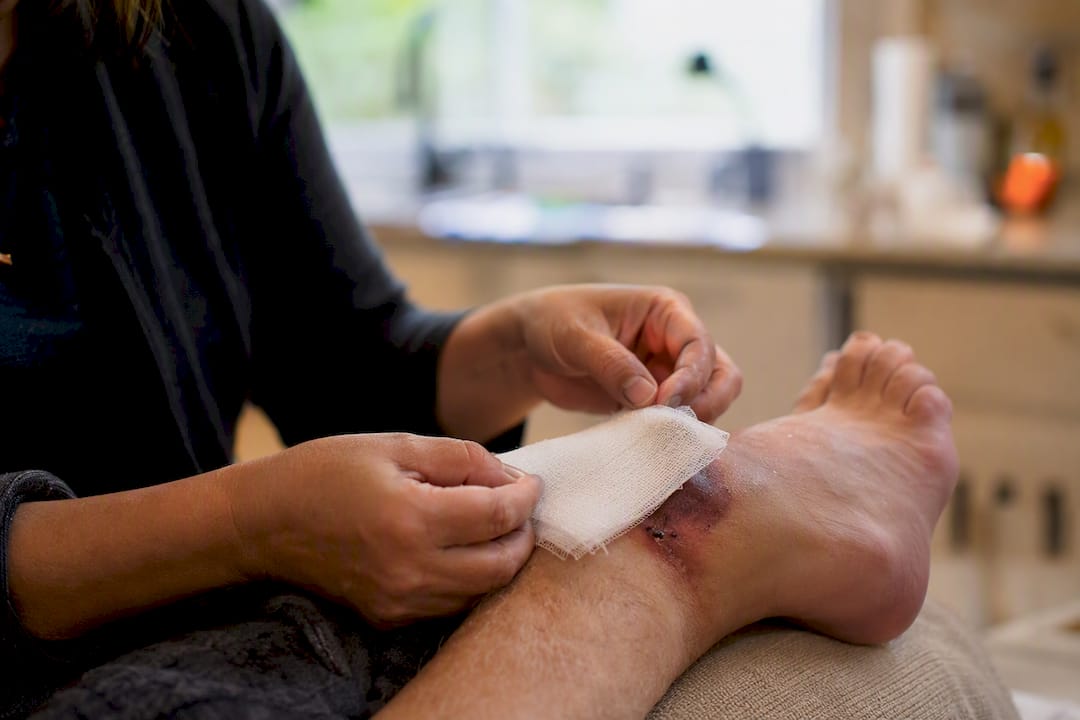
Pro Tip: Irrigation pressure matters more than most people think. A gentle stream from a bottle or bulb syringe clears debris without driving bacteria deeper into tissue, which can happen with high-pressure rinsing under a faucet.
Home caregivers should stick to superficial cleaning and dressing changes for minor wounds, and loop in a clinician the moment a wound looks worse instead of better after two or three days of consistent care.
Why Does Antibiotic Resistance Matter for Wound Care?
Antibiotic-resistant bacteria, especially MRSA and multidrug-resistant Gram-negative organisms like resistant strains of Pseudomonas and Klebsiella, turn straightforward wound infections into complicated, slow-to-treat problems. When first-line antibiotics don’t work, treatment stretches longer, costs more, and carries a higher risk of complications.
Wound-specific stewardship comes down to a few concrete habits:
Confirm infection clinically before starting antibiotics rather than treating every red or sore wound as infected.
Use cultures to target therapy to the actual organism when testing is indicated, instead of guessing.
Skip unprescribed topical antibiotic ointments on wounds that already show signs of infection.
Finish a prescribed systemic antibiotic course only when one is genuinely needed, and don’t request antibiotics “just in case.”
Revisit the treatment plan once culture results come back, and narrow therapy accordingly.
Antiseptics and non-antibiotic strategies, including antimicrobial dressings and appropriate debridement, are increasingly viewed as first-line adjuncts precisely because they get bacterial load down without adding to resistance pressure.
How Can You Prevent Bacteria From Infecting a Wound?
Most infections are preventable with unglamorous, consistent habits rather than any single product.
Clean new wounds promptly with water or saline, and avoid letting dirt or debris sit, following treatments for soft tissue injuries guidelines.
Choose a dressing suited to the wound (dry gauze for minor scrapes, more absorptive options for wounds with drainage) and change it before it becomes saturated or dirty.
Wash your hands before and after touching any wound or dressing.
Avoid soaking wounds in standing water like baths or pools until they’re closed.
Use over-the-counter antiseptics as directed, and stop if irritation develops.
Certain situations call for extra caution: postoperative incisions need clinician-specified care instructions, diabetic foot wounds should be checked daily given how easily infection hides, animal bites (especially cat bites and any bite that punctures deep) often need prompt medical evaluation because of infection risk, and heavily contaminated traumatic wounds usually need professional cleaning rather than home management alone.
Pro Tip: A plant-based topical like Re-gen can support the healing environment for minor cuts, scrapes, and post-procedure skin once a clinician has confirmed the wound isn’t actively infected. It’s not the right choice for deep bites, heavily contaminated wounds, or any wound already showing systemic signs. Those need clinician-directed care first.
Who Is Most at Risk for Wound Infection Complications?
Certain people are far more likely to develop infections, and to develop worse ones, because their bodies fight bacteria less effectively or their wounds heal more slowly to begin with.
Diabetes with poor glycemic control, which impairs circulation and immune response.
Peripheral vascular disease, reducing blood flow needed for healing and immune delivery.
Immunosuppression, from medication, illness, or age.
Smoking, which restricts blood flow to healing tissue.
Foreign bodies left in a wound, from splinters to surgical material.
Chronic wounds, obesity, malnutrition, and recent surgery, all of which slow the body’s repair timeline.
Complications worth watching for include spreading cellulitis, abscess formation, osteomyelitis (bone infection, particularly in diabetic foot wounds), delayed healing, and in the most serious cases, bacteremia or sepsis.
A wound that isn’t healing on schedule in someone with diabetes or vascular disease deserves imaging or specialist referral sooner rather than later. Waiting for classic infection signs to appear can mean waiting too long.
How Long Does It Take for a Wound Infection to Show Up or Heal?
Timelines give you a useful benchmark, even though every wound is different.
Dirty or heavily contaminated traumatic wounds often show infection signs within 24 to 72 hours.
Surgical site infections are defined by the CDC as occurring within 30 days of the procedure.
Minor wounds typically show visible improvement, less pain, less redness, within 2 to 3 days of appropriate care, and are substantially healed within 1 to 2 weeks.
Pain and swelling often peak around day 2 to 3 before easing; if they’re still climbing after day 3 or 4, that’s a signal to get it checked.
Chronic wounds, including diabetic foot ulcers and pressure injuries, follow a different clock entirely and often need specialist wound-care management rather than a standard healing timeline.
What Do Major Guidelines Say About Wound Infection Management?
International guidance converges on a few consistent principles worth knowing, whether you’re a patient trying to understand your treatment plan or a caregiver managing wound care at home.
Diagnose clinically first; use microbiology to confirm and target treatment, not as a routine first step, per the International Wound Infection Institute.
Reserve topical antibiotics for select cases, favoring antiseptics for most open, infected wounds to limit resistance development.
Recognize biofilm as a driver of chronic, recurring infection that resists standard antibiotic therapy alone and usually needs mechanical debridement.
Treat bacterial load thresholds (10^5/g in closed wounds, 10^6/g in open wounds) as clinical guides, not absolute cutoffs, particularly in high-risk patients.
Early recognition and prompt, appropriate treatment reduce both complications and the broader burden that wound infections place on the healthcare system, a point the International Wound Infection Institute has emphasized repeatedly in its position statements.
A Note on Where Plant-Based Care Fits In
Most of what gets written about wound infection treats every case as a decision between “do nothing” and “start antibiotics.” That framing misses the middle ground where a lot of real-world wound care actually happens: minor cuts, scrapes, and post-procedure skin that need support, not a prescription.
Antiseptic-first thinking, backed by International Wound Infection Institute guidance, isn’t a workaround for people who want to avoid doctors. It’s the evidence-based first move for a huge share of wounds that never needed systemic antibiotics in the first place. Overusing topical antibiotics on wounds that don’t need them is part of how resistant bacteria get a foothold, and that’s a genuine public health problem, not just an individual risk.
Where plant-based topical care earns its place is in that same window: supporting a clean, moist healing environment for wounds that are healing normally or that a clinician has confirmed aren’t infected. It has no business replacing systemic antibiotics for spreading cellulitis, suspected osteomyelitis, or a deep animal bite. Anyone who tells you otherwise is selling you something, not helping you heal.
A Plant-Based Option for Everyday Wound Support
Theregenstore’s alternative to reaching for a petroleum-based antibiotic ointment every time you get a minor cut is a plant-based option built around ingredients you can actually pronounce, with no petroleum and no unnecessary topical antibiotic load on your skin’s microbiome.

Re-gen is formulated as an adjunctive topical option for minor wounds, post-procedure skin, and everyday scrapes and burns, once you or your clinician have ruled out active infection requiring systemic care. It’s designed to support a healing-friendly environment on the skin’s surface, drawing on plant-based, chemical-free ingredients rather than the antibiotic ointments that dominate most medicine cabinets, a positioning laid out on Theregenstore’s comparison of natural and conventional topical care.
It’s not the right choice for deep punctures, animal bites, heavily contaminated wounds, or any wound already showing the infection signs covered above. Those need clinician-directed treatment first, sometimes systemic antibiotics, sometimes debridement, and always an actual assessment. For everything else, minor cuts, scrapes, and the skin recovering after a procedure, it’s worth exploring the full product details and deciding whether it fits your first-aid kit.
Sources
FAQ
Can a Wound Infection Go Away Without Antibiotics?
Mild, localized infections often improve with proper cleaning, debridement, and antiseptics alone, since antiseptics are frequently effective first-line adjuncts. Spreading, systemic, or severe infections generally need antibiotics and shouldn’t be left to resolve on their own.
What Are the Most Common Bacteria Found in Infected Wounds?
Staphylococcus aureus, Pseudomonas aeruginosa, Streptococcus species, and Enterobacteriaceae like E. coli, Proteus, and Klebsiella account for the majority of wound infections, with S. aureus typically the most frequent single isolate.
What Are the Top Bacterial Culprits Behind Serious Wound Complications?
Staphylococcus aureus (including MRSA), Streptococcus species, and Pseudomonas aeruginosa are most often linked to serious complications like cellulitis, abscess, and delayed healing, particularly in wounds with necrotic tissue or biofilm.
How Do I Know if My Wound Infection Is Getting Worse?
Watch for spreading redness beyond the wound edges, increasing rather than decreasing pain, new pus or discharge, and any systemic symptom like fever or confusion. Any of these warrants a prompt clinician visit rather than waiting it out.
Is It Safe to Use a Plant-Based Ointment on an Infected Wound?
Plant-based topical products like Re-gen are meant as adjunctive support for minor, non-infected wounds or wounds already cleared by a clinician, not as a replacement for systemic antibiotics or debridement when infection is confirmed.
Recommended
Comments