
Pet-Safe Healing Options List: 10 Vet-Aware Natural Remedies
- Sunny

- 11 minutes ago
- 8 min read
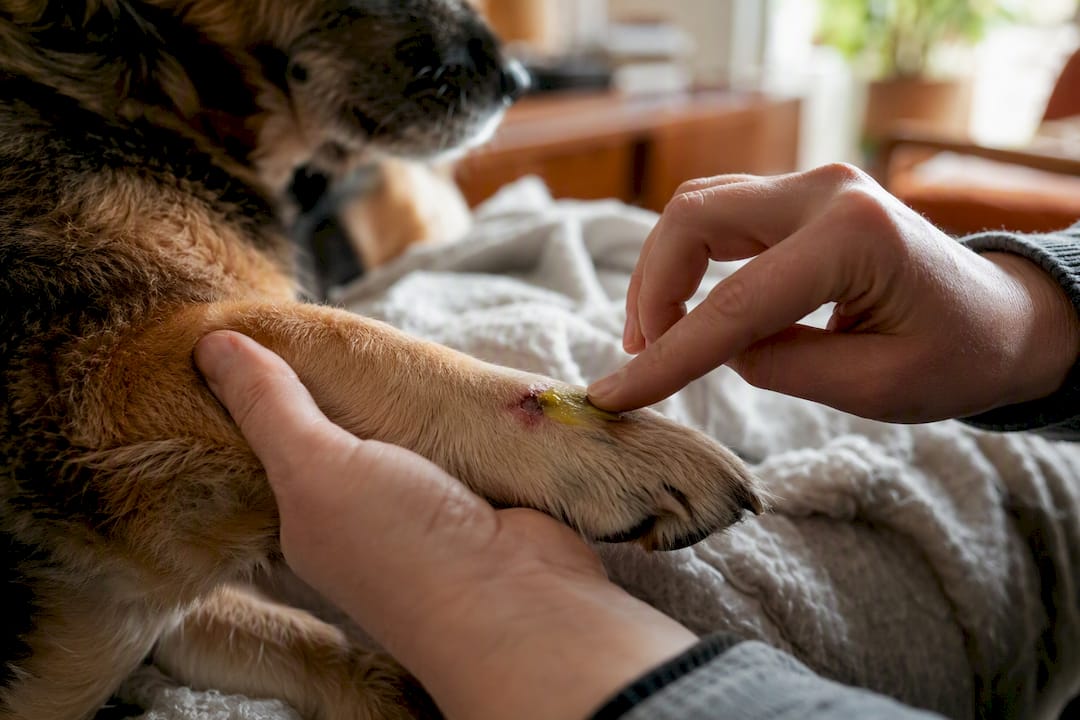
The safest pet-safe healing options for minor wounds are sterile saline, medical-grade honey (including Manuka), pet-safe aloe vera gel, sugar dressings, antimicrobial pet wipes, and a plant-based regenerative ointment like Re-gen. Each works differently, but together they cover almost every superficial cut, scrape, or hot spot you’ll see at home.
Here’s the quick-reference version:
Sterile saline — first rinse for any fresh wound, removes debris without stinging.
Medical-grade honey/Manuka — antibacterial dressing for minor cuts and abrasions.
Pet-safe aloe vera gel — soothes superficial burns and irritated skin.
Sugar dressings — draws fluid from wounds to slow bacterial growth.
Pet-safe wound sprays/antimicrobial wipes — quick disinfecting between cleanings.
Re-gen plant-based ointment — supports tissue recovery on clean, closed-enough wounds.
Red flag: if bleeding hasn’t stopped after 10 to 15 minutes of direct pressure, or you see exposed bone, pus, or your pet acting lethargic, stop home care and call a vet immediately.
Key Takeaways
A pet-safe healing options list works best when it pairs proven basics, saline, medical-grade honey, and pet-formulated aloe, with clear species cautions and a firm line for when to call a vet.
Point | Details |
Start with saline | Rinse every fresh wound with sterile saline before applying anything else. |
Know the red flags | Uncontrolled bleeding past 10 to 15 minutes or exposed bone means an urgent vet visit. |
Avoid harsh antiseptics | Skip hydrogen peroxide and undiluted iodine; they damage healing tissue. |
Watch cats closely | Never use tea tree oil or undiluted essential oils around cats due to toxicity risk. |
Keep Re-gen on hand | Theregenstore’s plant-based ointment supports clean, superficial wounds as part of a natural-first-aid kit. |
Table of Contents
When to Seek Veterinary Care for a Pet’s Wound
Most scrapes and shallow cuts heal fine at home. Some don’t, and knowing the difference in the first five minutes matters more than any remedy on this list.
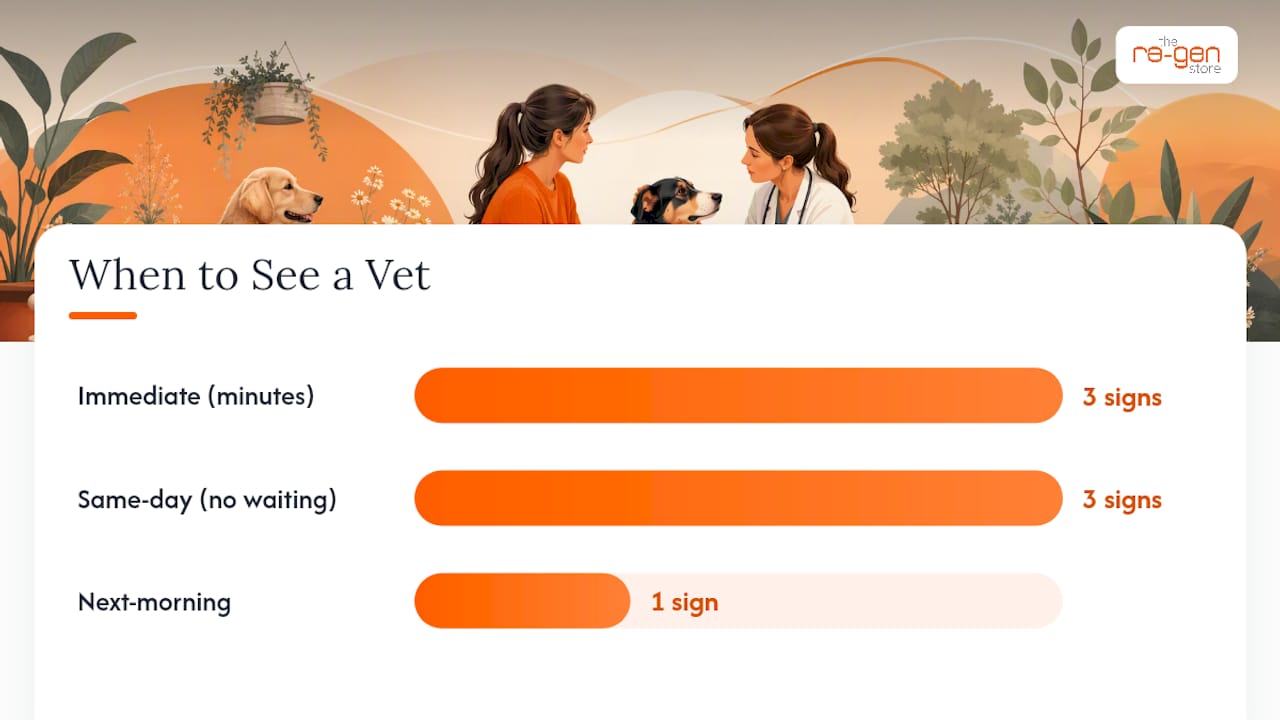
Get to a vet the same day, no waiting, if you see:
Heavy or spurting blood that soaks through gauze repeatedly
A puncture wound deeper than the fur line, especially on the chest or abdomen
Visible bone, tendon, or muscle
Bleeding that continues past 10 to 15 minutes of firm, direct pressure
Swelling that develops fast, or a wound that’s already producing pus or a foul odor
Fever, lethargy, or a pet that refuses food within a few hours of the injury
Time sensitivity varies by symptom. Uncontrolled bleeding is a minutes-matter emergency. A wound that looks fine today but shows swelling or discharge tomorrow is a next-morning call, not a wait-and-see situation.
Pro Tip: Snap a photo of the wound right after cleaning it, then again 24 hours later. Side-by-side photos make it far easier to tell a vet, or yourself, whether things are actually improving or just look stable.
How to Clean and Dress a Minor Pet Wound Safely
Stop any bleeding with light, direct pressure first, then rinse the wound with sterile saline or clean lukewarm water before anything else touches it. That single first move prevents more infections than any ointment applied afterward.
Put on clean gloves and gently restrain your pet so the area is accessible.
Trim surrounding fur with blunt-tip clippers so hair doesn’t fall into the wound.
Irrigate thoroughly with sterile saline, as recommended by PetMD’s wound care guidance, until debris is flushed out.
Pat the area dry with clean gauze, don’t rub.
Apply an antiseptic wipe or diluted povidone-iodine solution, roughly the color of weak tea.
Apply a thin layer of a pet-safe topical, then cover loosely with nonstick gauze and vet wrap if the location needs protection from licking.
Don’t:
Use hydrogen peroxide directly on the wound. It damages healthy tissue along with bacteria.
Pour on undiluted iodine. It can cause chemical burns and slow healing.
Reach for household antiseptics, garlic paste, or anything not formulated for animals.
Equipment to have ready: gloves, sterile saline, gauze pads, blunt scissors, clippers, vet wrap, and a recovery cone to stop licking once the dressing is on.
Which Natural Remedies Actually Work for Pet Wounds?
Not every “natural” option belongs on an open wound. Here’s what earns a place in your kit, and what to use cautiously or skip.
Sterile saline — the universal first step for any wound; safe for every species, no dilution needed.
Medical-grade honey/Manuka — creates a hyperosmotic environment that draws fluid out of the wound and inhibits bacterial growth, useful on minor cuts, hot spots, and scrapes. Use a thin layer and cover, since pets will lick it off given the chance.
Sugar dressings — work through the same osmotic mechanism as honey; a reasonable substitute when medical-grade honey isn’t on hand.
Pet-safe aloe vera gel — supports collagen synthesis and shows mild antimicrobial and anti-inflammatory effects on superficial burns and irritated skin, but unpurified, whole-leaf aloe can be toxic if ingested, so stick to a commercial pet-formulated gel.
Plant-based regenerative ointments (Re-gen) — a chemical-free option formulated for skin and soft tissue support on clean, superficial wounds; apply thinly once the area is cleaned.
Coconut oil — mild antibacterial properties make it useful for dry, flaky skin around a healing wound, though it’s not a substitute for saline cleaning.
Calendula and chamomile — common in natural first-aid kits for minor cuts and to help calm a stressed pet during treatment.
Propolis and green tea rinses — both show antibacterial activity in studies, though neither replaces prescribed antibiotics for a wound that’s already infected.
Colloidal silver — used by some owners for topical antimicrobial support, but the evidence is thinner and inconsistent, so treat it as optional, not essential.
Avoid or use only diluted: tea tree oil (toxic to pets, especially cats, even in small amounts), undiluted iodine, garlic paste, and undiluted hydrogen peroxide. None of these belong on an open wound.
Pro Tip: If a remedy isn’t labeled specifically for pets, assume it needs dilution or shouldn’t touch broken skin at all. “Natural” doesn’t mean “automatically safe” for a species that grooms with its tongue.
What Belongs in a Pet-Safe First-Aid Kit?
A kit that actually gets used sits somewhere accessible, not buried in a closet. Build yours around this list:
Sterile saline solution or wound spray
Medical-grade honey ointment
Pet-safe antimicrobial wipes
Nonstick gauze pads and rolled gauze
Vet wrap (self-adhering bandage)
Blunt-tip scissors and clippers
Disposable gloves
Styptic powder for nail or minor bleeding
A recovery cone
A small container of Re-gen plant-based ointment
Store honey ointments and herbal products in a cool, dark cabinet away from direct sunlight, which keeps their antibacterial properties intact longer. Check expiration dates on saline and topical products twice a year, and replace gauze that’s been opened and exposed to air.
Pro Tip: Keep a spare kit in your car if you hike or travel with your pet often. Wounds don’t wait until you’re back home.

Which Remedies Are Risky for Cats vs. Dogs?
Cats process compounds differently than dogs do, largely because their livers lack certain enzymes for breaking down specific plant compounds. That single biological difference explains most of the species-specific warnings on this list.
Never use on cats: tea tree oil in any concentration, most undiluted essential oils, and whole-leaf aloe latex. Tea tree oil absorption can cause tremors, CNS depression, and liver toxicity in cats.
Watch closely with dogs: ingestion of large amounts of honey ointment (sugar load) or accidental swallowing of topical products during grooming.
Small mammals (rabbits, guinea pigs): avoid essential oils entirely and check with an exotics vet before applying anything beyond saline.
A common dosing mistake is applying too much topical product, thinking more equals faster healing. A thin layer is enough; excess just gets licked off, raising ingestion risk.
Grooming behavior is the real hazard multiplier. A topical that’s perfectly safe on skin can still cause problems once it’s swallowed in quantity, which is exactly why cats need narrower margins than dogs.
How Long Does a Pet Wound Take to Heal?
Most minor wounds follow a predictable timeline, and knowing it helps you spot when something’s off track.
Superficial abrasion: 3 to 7 days with basic cleaning and a protective barrier.
Small laceration with bandaging: 7 to 14 days, longer if the location gets repeated friction or licking.
Infected wounds: require veterinary treatment, often antibiotics, and recovery stretches well past two weeks.
Costs vary widely by region, but a basic home kit runs far less than a vet visit, while an infected wound needing minor debridement or prescription antibiotics typically costs more than a routine exam. If healing stalls, meaning the wound looks the same or worse after 4 to 5 days, that’s your signal for a follow-up vet visit rather than continuing home treatment.
Does the Research Support These Natural Treatments?
The strongest evidence backs the simplest options. Honey and sugar dressings inhibit bacterial growth through osmotic action, a mechanism confirmed across multiple wound-care studies, not just anecdotal use. Aloe vera’s collagen-supporting compounds show similar consistency in the literature, provided the product is purified and pet-specific.
Hydrogen peroxide and undiluted iodine, by contrast, show up in the same research as tissue-damaging rather than helpful, which is why vet-reviewed sources consistently advise against them.
Complementary approaches carry a thinner evidence base. A case series following 12 dogs treated with Yoga Prana Vidya energy-healing protocols reported recoveries between 3 and 38 days, but the study’s own authors flagged the need for larger, controlled research before drawing firm conclusions. Treat modalities like this as an adjunct alongside veterinary care, never a replacement for it.
What I’ve Learned About the Limits of DIY Pet Care
Home remedies work best when you know exactly where their job ends. Saline, honey, and a plant-based ointment handle the wounds that would’ve healed on their own anyway, just faster and cleaner. They were never meant to replace a vet’s judgment on anything deeper than skin.
If your pet fights treatment, don’t force it alone. Wrap them snugly in a towel burrito for small dogs and cats, speak in a low steady voice, and ask a second person to help hold rather than escalating a struggle that stresses everyone involved.
A Plant-Based Option Worth Keeping in Your Kit
Re-gen is a chemical-free, plant-based topical ointment built for exactly the superficial cuts, scrapes, and post-op skin support covered throughout this list; you can learn why such tallow botanicals work better for wound healing to understand their benefits over conventional balms.

Apply it thinly to a wound that’s already been rinsed with saline and shows no signs of infection. For anything deep, punctured, or still bleeding after 10 minutes, see a vet before reaching for any topical. You can read the full ingredient rationale on the petroleum-free wound treatment page, or compare it directly to conventional options on the natural alternative to Neosporin guide. Ready to add it to your kit? Order Re-gen directly from the product page at Theregenstore.
Sources
FAQ
How can I heal my dog’s wound naturally?
Rinse the wound with sterile saline, apply a thin layer of medical-grade honey or a plant-based ointment like Re-gen, and cover it loosely if the area is prone to licking. Seek a vet if bleeding continues past 10 to 15 minutes or the wound shows pus.
What’s the 90/10 rule for dogs?
The 90/10 rule refers to feeding guidelines, where treats should make up no more than 10% of daily calories, not wound care; it isn’t part of standard wound treatment protocols.
What color calms dogs’ anxiety?
There’s no strong research establishing a specific color that calms dogs; calming strategies during wound treatment rely more on a low, steady voice, gentle restraint, and a familiar towel wrap than on visual cues.
What is considered a silent killer for dogs?
In wound care terms, internal or slow bleeding is the closest match, a wound that looks minor on the surface but bleeds internally or becomes infected without obvious early signs, which is why lethargy or appetite loss should never be ignored.
Is aloe vera safe for pets?
Purified, pet-formulated aloe vera gel is generally safe on superficial burns and skin irritation, but whole-leaf or unpurified aloe can be toxic if ingested, so choose a product made specifically for animals.
Recommended
Comments