
What Is Re-gen Used For? A Plant-Based Ointment for Wounds and Skin Recovery
- Sunny

- 13 minutes ago
- 8 min read
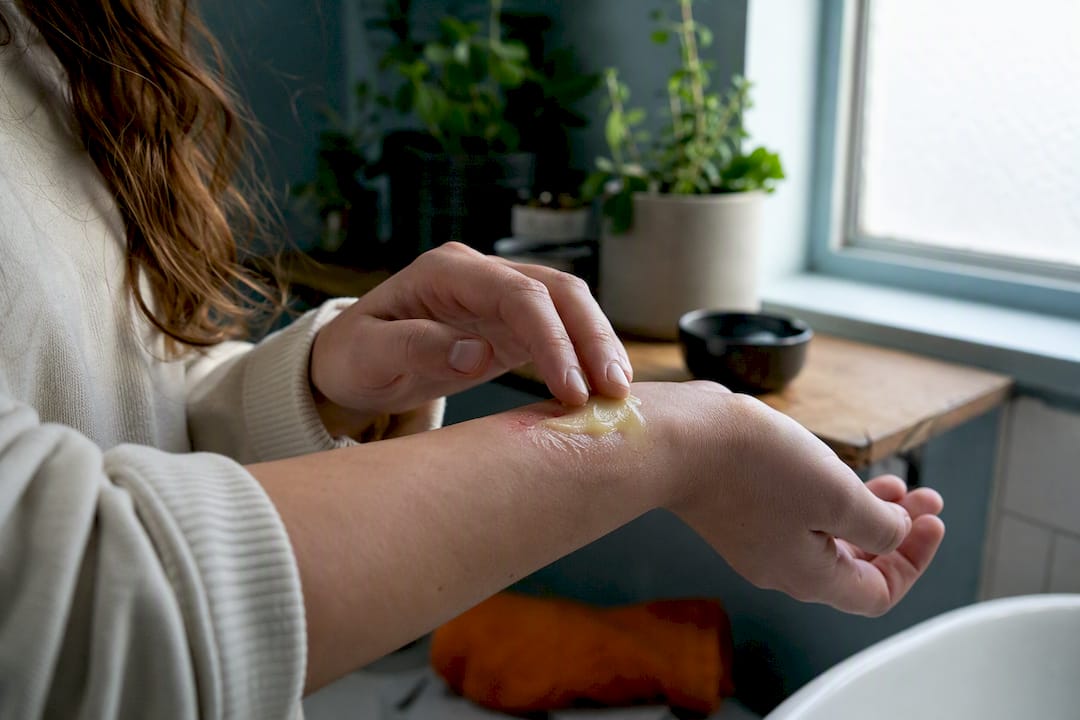
Re-gen is a plant-based, petroleum-free topical ointment from Theregenstore used for minor cuts, abrasions, shallow burns, post-op skin support, and pet first aid. It combines botanical extracts with an occlusive base to support the skin’s own repair process rather than masking symptoms. Preclinical studies on plant-derived wound formulations, screened under ISO 10993 safety protocols, back this category as a real alternative to conventional antibiotic ointments.
Common situations where people reach for it:
Kitchen and yard cuts, scrapes, or abrasions
First and second-degree burns limited to a small surface area
Skin around a healed suture line, per your clinician’s guidance
Dry, cracking skin at the edge of a healing wound
Dogs and cats with minor scrapes, paw pad injuries, or hotspots
Key Takeaways
Re-gen works as a plant-based topical option for minor cuts, burns, post-op skin support, and pet first aid because it pairs botanical actives with an occlusive base shown in preclinical studies to support wound contraction and re-epithelialization.
Point | Details |
Match the wound to the use case | Re-gen suits minor cuts, shallow burns, and healed incision margins, not deep punctures or infected wounds. |
Watch for red flags | Spreading redness, fever, pus, or non-stop bleeding mean it’s time to see a clinician or vet. |
Check species-specific safety | Some botanical ingredients safe for dogs and humans can be unsafe for cats, so confirm the product variant first. |
Base matters as much as actives | An occlusive, lipid-rich base helps active phytochemicals penetrate and keeps the wound bed moist. |
Theregenstore’s Re-gen fits daily first aid | Its petroleum-free formula and pet-specific guidance make it a practical natural option for everyday wound support. |
This article is general information, not a substitute for advice from a qualified doctor. Consult a qualified healthcare professional about your own circumstances before acting on anything here.
Table of Contents
Common Uses of Lidocaine Ointment Alternatives Like Re-gen
Most people first try Re-gen on the everyday stuff: a scraped knee, a paper-thin kitchen burn, the raw patch left behind after a bandage comes off too fast. It also gets applied around stitched incisions once a clinician has cleared the surrounding skin, on dry cracked skin at wound margins, and on the dull purple-yellow bruising that follows a bump or minor soft-tissue injury.
Pet owners use it differently but for the same underlying reason: supporting skin that is trying to close. Dogs pick up scrapes on hikes. Cats tear pads jumping off furniture. Post-suture skin needs gentle topical support once a veterinarian approves it, and hotspots (those raw, self-inflicted patches dogs create by licking) often respond to a natural adjunct alongside behavioral management.
Re-gen is not the right tool for everything. Deep punctures, wounds that will not stop bleeding, and anything showing signs of active infection need professional evaluation first, not a topical ointment.
Pro Tip: On furry patients, trim the hair around the wound edge (never over an open wound) so the ointment contacts skin directly instead of sitting on fur. It also makes it easier to spot early redness or swelling at the next check.
Why a Plant-Based Ointment Supports Healing
Re-gen’s formula pairs botanical extracts with an occlusive base, and each part does distinct work. Plant actives like Centella asiatica and turmeric-derived compounds carry documented anti-inflammatory and antimicrobial activity, while emollient butters and plant waxes form the physical barrier that locks in moisture.
That moisture matters more than most people realize. A moist wound bed re-epithelializes faster than a dry, scabbed one, and the occlusive base is what maintains it. Meanwhile, the active phytochemicals work underneath, encouraging fibroblast activity, which is the cellular process behind new collagen formation. Combining natural actives with a lipid-rich base also improves how well those compounds penetrate skin, which is one reason formulation base matters as much as the actives themselves.
A wound ointment is only as effective as its carrier. The right base doesn’t just deliver the active ingredients. It also creates the moist, protected environment those ingredients need to work.
Preclinical testing on similar plant-based formulations has shown measurable improvements in wound contraction and re-epithelialization compared with untreated controls, with no signs of acute toxicity in standard screening.
How to Apply Re-gen: Step-by-Step Instructions
Getting the application right matters as much as picking the ointment. Here’s how to use it on people:
Wash your hands, then clean the wound gently with mild soap and water or saline.
Pat the area dry with a clean cloth or gauze; do not rub.
Apply a thin layer of Re-gen, enough to cover the surface without pooling.
Cover with a breathable dressing if the area is exposed to friction or clothing; leave small, low-risk cuts uncovered if healing well.
Reapply once or twice daily, or per your clinician’s instructions for stitched or post-op skin.
For sensitive areas or children’s skin, use a smaller amount and monitor for redness after the first application.
Pets need a slightly different routine:
Trim or part fur around the wound so the ointment reaches skin, not hair.
Apply a thin layer, then use a loose, breathable wrap only if your pet will not lick it off.
For animals prone to licking, consider a short supervised period without a bandage, or ask your vet about an e-collar.
Reapply once or twice daily, adjusting frequency based on your veterinarian’s advice for post-suture sites.
Never combine with another topical antibiotic or corticosteroid without checking with your vet first.
Breathable dressings work best for shallow, low-drainage wounds since they let air circulate while still blocking dirt. Occlusive dressings suit deeper or higher-moisture wounds, but those situations often call for professional wound care rather than a home routine.
Safety, Side Effects, and When to Stop Use
Most people tolerate plant-based ointments well, but any topical product can trigger a reaction. Watch for contact dermatitis, increased redness at the application site, or localized swelling. If any of these appear, stop using the product, rinse the area gently with water, and monitor closely.
Certain signs mean it’s time to involve a clinician or veterinarian without waiting:
Redness that spreads beyond the original wound margin
Fever or chills
Worsening pain instead of gradual improvement
Pus or cloudy drainage
A wound that appears to be growing rather than closing
Bleeding that won’t stop with gentle pressure
If you or your pet has a known allergy to beeswax, honey, or a specific botanical extract, check the full ingredient list before first use. A small test patch on unaffected skin is a reasonable precaution for anyone with sensitive skin or a history of contact allergies.
Cats deserve a specific mention here. Some essential oils that are safe for dogs and people are toxic to cats, so always check that a product is labeled appropriately for feline use before applying it to a cat. If your pet or you are using a topical antibiotic, corticosteroid, or a systemic immunosuppressant, talk to a clinician before layering in a new topical product, since interactions between treatments are not always obvious from the outside.
What the Research Says About Plant-Based Wound Ointments
The evidence base for herbal wound care is real but still developing, and it’s worth being honest about both sides. Preclinical studies on Libidibia ferrea (Jucá), a plant used in traditional Amazonian medicine, found that a 5% topical formulation improved wound retraction and dermal fibroplasia compared with a commercial control in a controlled study involving dogs. Separate research on plant extracts including Cissus quadrangularis showed wound healing comparable to an oxytetracycline positive control in animal models.
Most of the strongest data on plant-based wound care still comes from preclinical and animal studies, not large human clinical trials. That’s a real limitation, and it’s one reason to treat these ointments as support for minor wounds rather than a replacement for professional care on anything serious.
Preclinical safety screening for plant-based ointment formulations, including in vitro cytotoxicity testing, has shown no acute toxicity alongside improved wound contraction relative to untreated groups. That kind of screening, alongside a documented ingredient list, is part of what separates a credible natural product from unverified folk remedies. It’s also the standard Theregenstore points to when explaining how natural ointments work at the formulation level.
Storing and Buying Re-gen
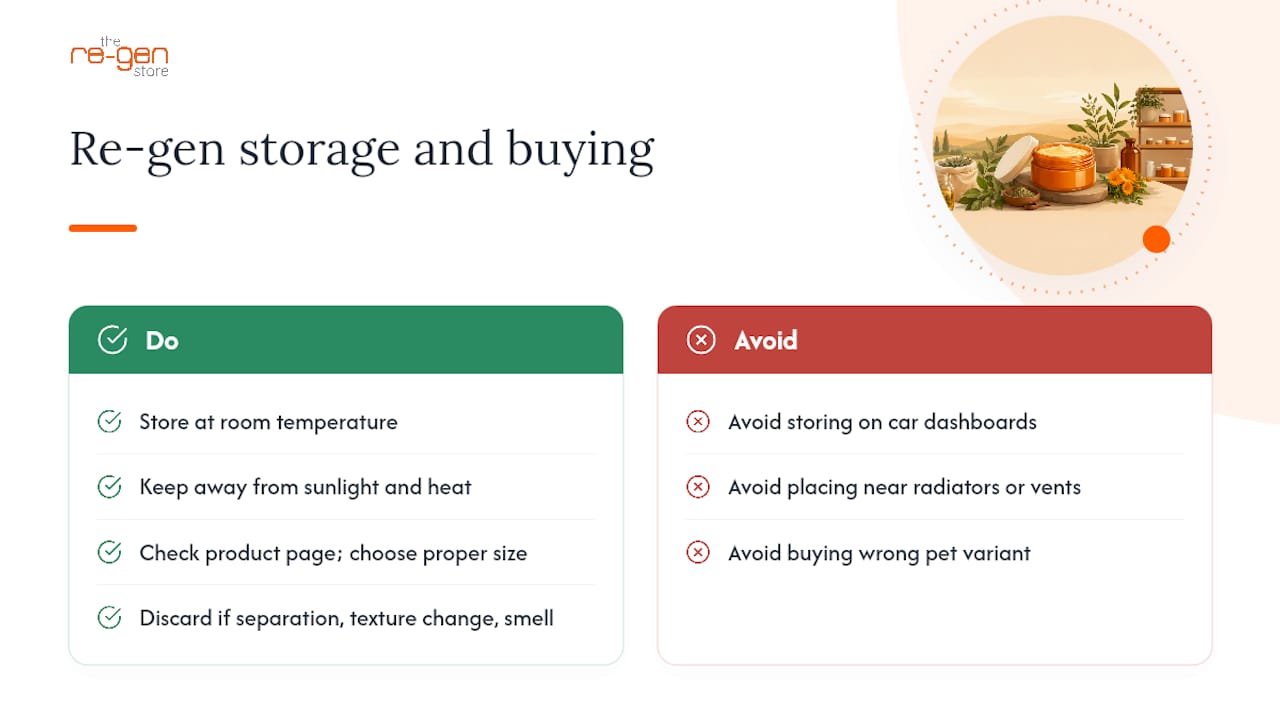
Keep Re-gen at room temperature, away from direct sunlight or heat sources like a car dashboard or a bathroom radiator vent. Once opened, most plant-based ointments hold their integrity for several months. Discard the product if you notice separation, a change in texture, or an off smell.
Pricing generally scales with container size. Smaller tubs suit occasional first-aid use, while larger sizes make sense for households managing an active dog, a recovering post-op patient, or frequent minor injuries. Check the Re-gen product page for current sizes and pricing, and confirm you’re selecting the right variant if you’re buying specifically for a pet.
A Note From the Maker
We built Re-gen because we wanted a natural option that actually holds up to scrutiny, for our own families and pets alike. If you have questions about a specific wound or animal, reach out through our product pages before you apply anything. (Author credentials and case studies to be added.)
Where Re-gen Fits Into Your First-Aid Routine
If you’ve been reaching for a petroleum-based antibiotic ointment out of habit, Re-gen gives you a plant-based option built specifically for the situations covered above: minor cuts, shallow burns, post-op skin support, and pet first aid, without synthetic fillers in the base.

A few things make it worth keeping in your first-aid kit. It’s formulated without petroleum, so the base itself is plant-derived rather than a mineral oil byproduct. The ingredient list is published on the product page, not hidden behind vague marketing language. There’s a dedicated variant with pet-specific guidance, so you’re not guessing whether a human formula is appropriate for your dog or cat. And application is straightforward: clean, apply a thin layer, cover if needed.
For anything beyond a minor wound, a burn larger than a few inches, or a wound showing infection signs, see a clinician or vet first. But for the everyday scrapes, small burns, and post-op skin support most households deal with, you can order Re-gen directly and have it ready before the next minor injury happens.
Sources
FAQ
Can Re-gen Be Used on Open Wounds?
Yes, for minor open wounds like cuts and abrasions, but not for deep punctures or wounds with uncontrolled bleeding, which need professional care first.
Is Re-gen Safe for Cats and Dogs?
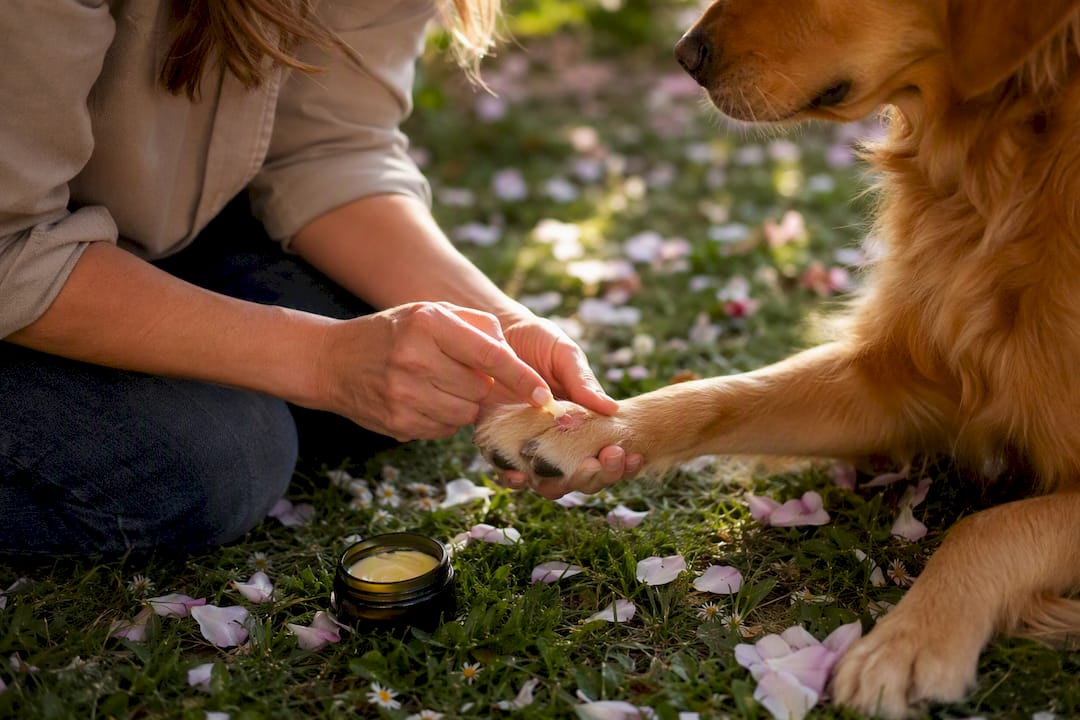
Re-gen has pet-specific guidance, but always confirm the product variant is appropriate for your species since some botanical ingredients affect cats differently than dogs.
How Often Should I Apply Re-gen to a Wound?
Most minor wounds do well with one to two applications daily; follow your clinician’s or veterinarian’s specific instructions for stitched or post-op sites.
What Are Signs That I Should Stop Using Re-gen?
Stop use if you notice increased redness, swelling, or contact dermatitis at the application site, and rinse the area with water.
Does Re-gen Work on Burns?
Re-gen is intended for shallow, limited-area first and second-degree burns; larger or deeper burns require medical evaluation before any topical treatment.
Recommended
Comments