
What Is Muscle Recovery? A Plant-Based Topical Guide

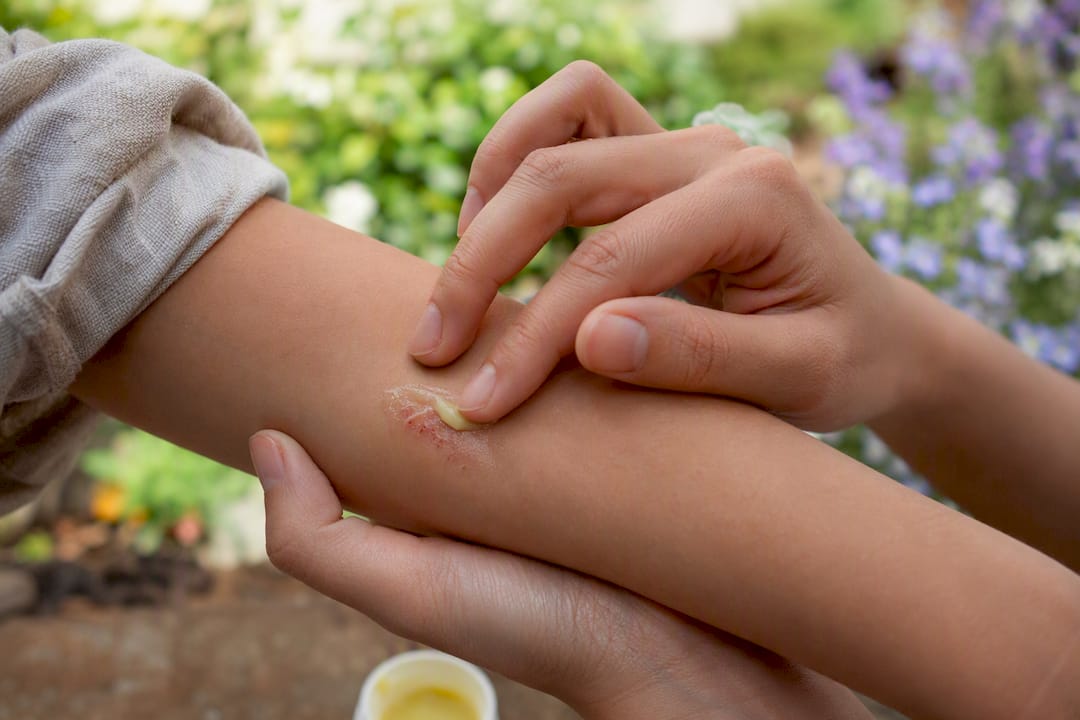
Muscle recovery, in the topical sense, means using a plant-based ointment or balm to support the skin and soft tissue around a cut, burn, sprain, or minor muscle injury as it heals. You’re not medicating from the inside. You’re giving the surface and the tissue just beneath it a cleaner, more supportive environment to repair itself in.
Health-conscious people and pet owners reach for this kind of support for a few specific reasons:
Calming inflammation around a fresh scrape, strain, or sprain
Supporting re-epithelialization (the skin closing back over a wound)
Getting antimicrobial support for minor wounds without synthetic antibiotics
Finding a pet-safe first-aid option that doesn’t rely on petroleum or synthetic fillers
Formulations like Theregenstore’s Re-gen ointment sit squarely in this category: a chemical-free option built around botanicals with documented roles in wound support.
Key Takeaways
Plant-based topicals support wound and soft-tissue healing through documented antimicrobial, anti-inflammatory, and cell-proliferation mechanisms, but they work best on minor injuries, not deep or infected wounds.
Point | Details |
Definition matters | Topical muscle recovery means supporting skin and soft-tissue healing with plant-based ointments, not treating deep or systemic injury. |
Mechanism is real, evidence is mostly preclinical | Botanicals show antimicrobial and proliferative effects in lab and animal studies, with fewer large human trials to date. |
Concentration and formulation matter | Aloe percentage and oil linoleic-to-oleic ratios affect how well a product supports barrier repair. |
Know the red flags | Spreading redness, fever, or a wound that won’t close means it’s time to see a clinician or veterinarian. |
Transparency helps you choose | Theregenstore’s Re-gen ointment lists its full ingredient set so you can match the product to the evidence yourself. |
Table of Contents
How Topical Plant-Based Remedies Support the Healing Process
Skin and soft tissue heal in four overlapping stages, and a topical product only really has influence over two or three of them. Understanding the sequence helps you know what a balm can realistically do.
Hemostasis. The body stops bleeding and starts clotting within minutes. Topicals play almost no role here beyond keeping the area clean.
Inflammation. White blood cells arrive to clear debris and fight off microbes. Anti-inflammatory and antimicrobial botanicals matter most in this window.
Proliferation. New tissue and blood vessels form, and the skin begins closing over the wound. This is where compounds that support fibroblast and keratinocyte activity earn their keep.
Remodeling. Collagen reorganizes over weeks to months, strengthening the repaired area.
A plant-based ointment is genuinely useful for minor cuts, superficial burns, abrasions, and soft-tissue strains and sprains. It is not a substitute for stitches on a deep laceration, and it will not treat a systemic infection. If you see spreading redness, fever, pus, or a wound that won’t close, that’s a job for a clinician, not a jar of botanicals.
What Makes Botanical Ointments Work?
Plant-based topicals aren’t just soothing. Several mechanisms are behind why certain botanicals show up again and again in wound-care formulations.
Antimicrobial activity. Many plant extracts inhibit bacteria and fungi directly at the wound surface, reducing the microbial load competing with your body’s own repair work.
Anti-inflammatory action. Compounds in botanicals like chamomile and calendula can calm the inflammatory response without shutting it down entirely, which matters because some inflammation is necessary for healing.
Antioxidant and growth-factor effects. Certain plant compounds appear to support the signaling that drives fibroblast and keratinocyte activity, the cells responsible for rebuilding skin and connective tissue.
Delivery matters. An ointment, hydrogel, and oil each create a different wound microenvironment. Research on plant-loaded hydrogels and films shows these carriers can improve fibroblast viability and sustain antimicrobial activity longer than a simple oil application, though most of that data still comes from animal models rather than large human trials.
One figure worth sitting with: reviews of botanical wound-care formulations consistently flag that human clinical trials remain the minority of the evidence base, with most positive results coming from preclinical and in vitro work. That doesn’t make the science meaningless. It means you should treat botanical claims as “promising and mechanistically sound,” not “clinically proven” in the way a prescription drug is.
Which Botanicals Actually Have Evidence Behind Them?
Not every plant on an ingredient label is pulling its weight. Here’s what the research actually shows for the ingredients you’ll see most often.
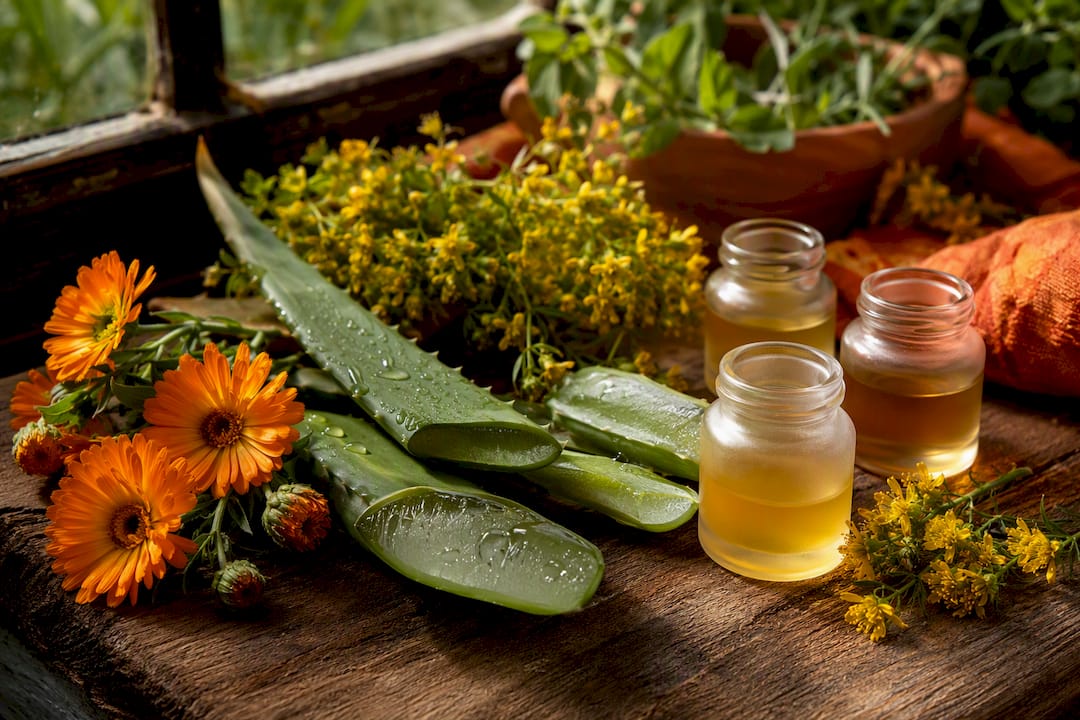
Calendula (marigold). A systematic review of medicinal plants in canine dermatology found calendula has antibacterial and antifungal effects, along with in vivo evidence of increased connective tissue markers and improved epithelialization, meaning it may help skin close faster and more cleanly.
St. John’s Wort and chamomile. The same review found both plants show measurable antibacterial and antifungal activity relevant to both human and canine skin. Chamomile is also a known contact allergen for a small subset of people, so it deserves a patch test before regular use.
Aloe vera. Reviews of phytomedicines in wound healing show aloe stimulates fibroblast and keratinocyte proliferation and can ease pain from superficial burns. Concentration matters here. Formulations with higher aloe percentages, generally recognized as substantial concentration, tend to outperform diluted versions.
Vegetable oils. Sunflower, olive, tamanu, and coconut oils support lipid barrier repair, and oils higher in linoleic acid relative to oleic acid tend to do more for the skin’s barrier function.
Curcumin, propolis, and Centella asiatica. These show up in more advanced formulations for their regenerative potential, though the evidence here leans more preclinical than clinical.
Pro Tip: Check the ingredient list for percentages, not just names. A formula listing “aloe vera” third or fourth on the label is a different product than one built around a high-concentration aloe base.
When Should You See a Doctor Instead of Using a Topical?
Botanical ointments are a first-aid tool, not a replacement for medical judgment. Know the limits before you rely on one.
Stop and seek care if you see spreading redness, warmth, fever, pus, or a wound that hasn’t started closing within a few days. These are signs of infection that a topical alone won’t resolve.
Patch-test new products, especially with chamomile-containing formulas. Contact allergies to chamomile and related plants are well documented, and St. John’s Wort can interact with certain medications, so check with a pharmacist if you’re on prescription drugs.
Treat deep wounds, puncture injuries, and anything that might need stitches as a medical visit, not a home project. Topicals support surface healing; they don’t close a wound that needs sutures.
For pets, be extra cautious. Cats in particular have sensitivities to certain essential oils and plant compounds that dogs and humans tolerate fine. Any ointment used on an animal needs to be labeled safe for that species, and licking is a real risk, so monitor your pet after application and call a veterinarian if you notice drooling, vomiting, or lethargy.
How Do You Apply a Plant-Based Topical, and What Should You Expect?
Application technique affects outcomes as much as the peptides in muscle recovery products and ingredients do.
Clean the wound first. Rinse with cool water and gently pat dry. Don’t apply ointment over debris or dried blood.
Apply a thin, even layer. More product doesn’t mean faster healing. A thin coat that fully covers the area is enough for most minor cuts, burns, and abrasions.
Cover if needed. A breathable, non-stick dressing protects the area from friction and dirt, especially for anything on hands, feet, or joints.
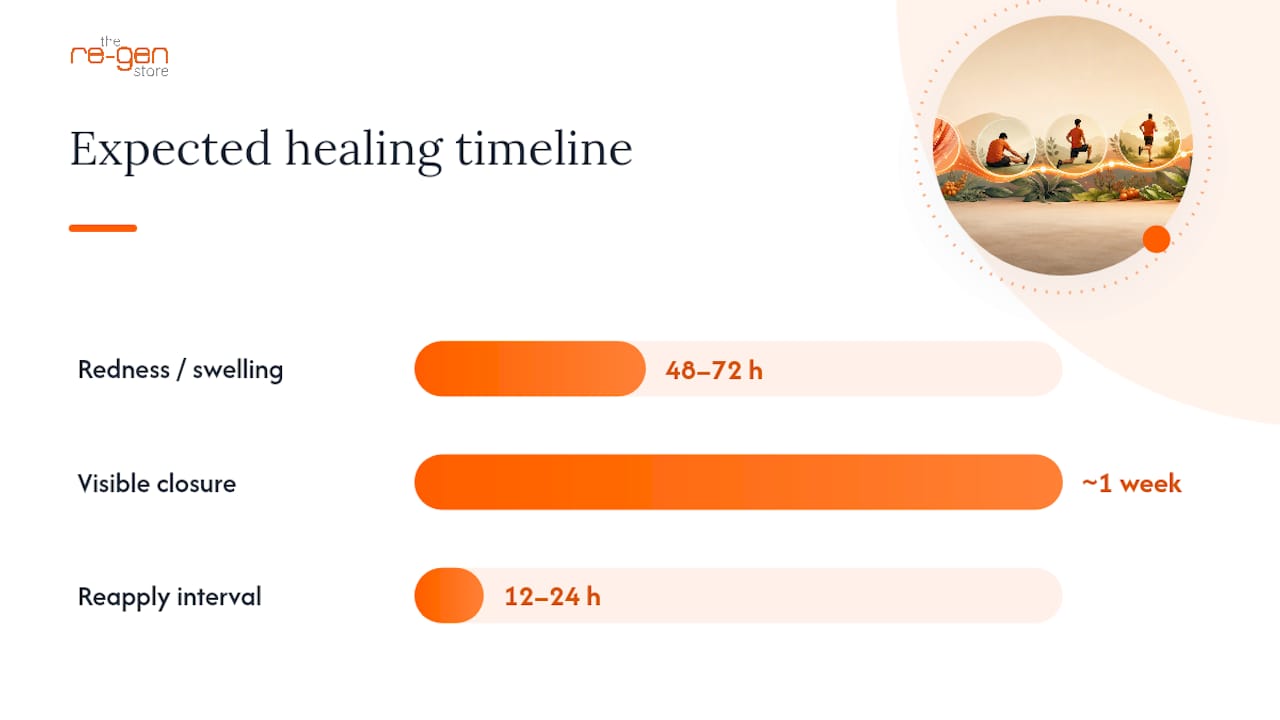
Reapply once or twice daily, or per the product’s guidance, and always after cleaning if the dressing gets wet or dirty.
Track the timeline. Expect reduced redness and swelling within 48 to 72 hours for minor wounds. Visible closure often begins around one week. If a wound looks the same or worse after a week, that’s your cue to escalate to a clinician.
For pets, use a small amount and monitor closely for the first application, watching for licking, irritation, or any behavior change.
Pro Tip: Apply right after cleaning, while the skin is still slightly damp. This helps the ointment spread evenly and stay in contact with the wound bed longer.
For deeper application guidance by injury type, Theregenstore’s page on supporting torn muscle and connective tissue recovery and its guide to sprains and soft-tissue injuries both walk through specific use cases.
What Does Re-gen Bring to the Evidence?
Theregenstore built its product line around the botanicals covered in this article, not a proprietary blend of unnamed extracts. That’s a meaningful distinction when you’re trying to match a product to actual research.
The Re-gen ointment page lists its full ingredient set, so you can compare it directly against the calendula, aloe, and oil research covered above.
Theregenstore’s petroleum-free wound treatment page explains why the brand avoids petroleum-based bases entirely, opting for plant oils with documented barrier-repair properties instead.
Use-specific pages, including guidance for post-surgical recovery/) and pet-specific first aid, translate the general mechanisms above into product-level instructions.
Transparency on the label is the whole point. When you can see exactly what percentage of aloe or which oils are in a formula, you can hold it up against the same research this article cites.
Why Ingredient Transparency Beats Marketing Claims
The conventional wisdom around natural wound care tends to lump every “herbal” product into one vague, feel-good category. That’s a mistake. The research is specific: calendula does one thing, aloe concentration does another, and oil composition does a third. Treating “plant-based” as a single quality marker instead of a set of individually testable claims is why so many natural products underdeliver.
What the evidence actually supports is narrower and more useful than most marketing suggests: certain botanicals have real antimicrobial and proliferative effects on minor wounds, formulation percentage changes outcomes, and none of this replaces medical care for anything beyond superficial injury. The gap between what’s promised and what the science shows isn’t a reason to distrust plant-based topicals. It’s a reason to demand the ingredient list and the percentages, not just the word “natural” on the front of the bottle.
If you’re evaluating any topical, plant-based or otherwise, start by asking what’s actually in it and at what concentration. That single habit filters out most of the noise in this category.
Try a Transparent, Plant-Based Option From Theregenstore
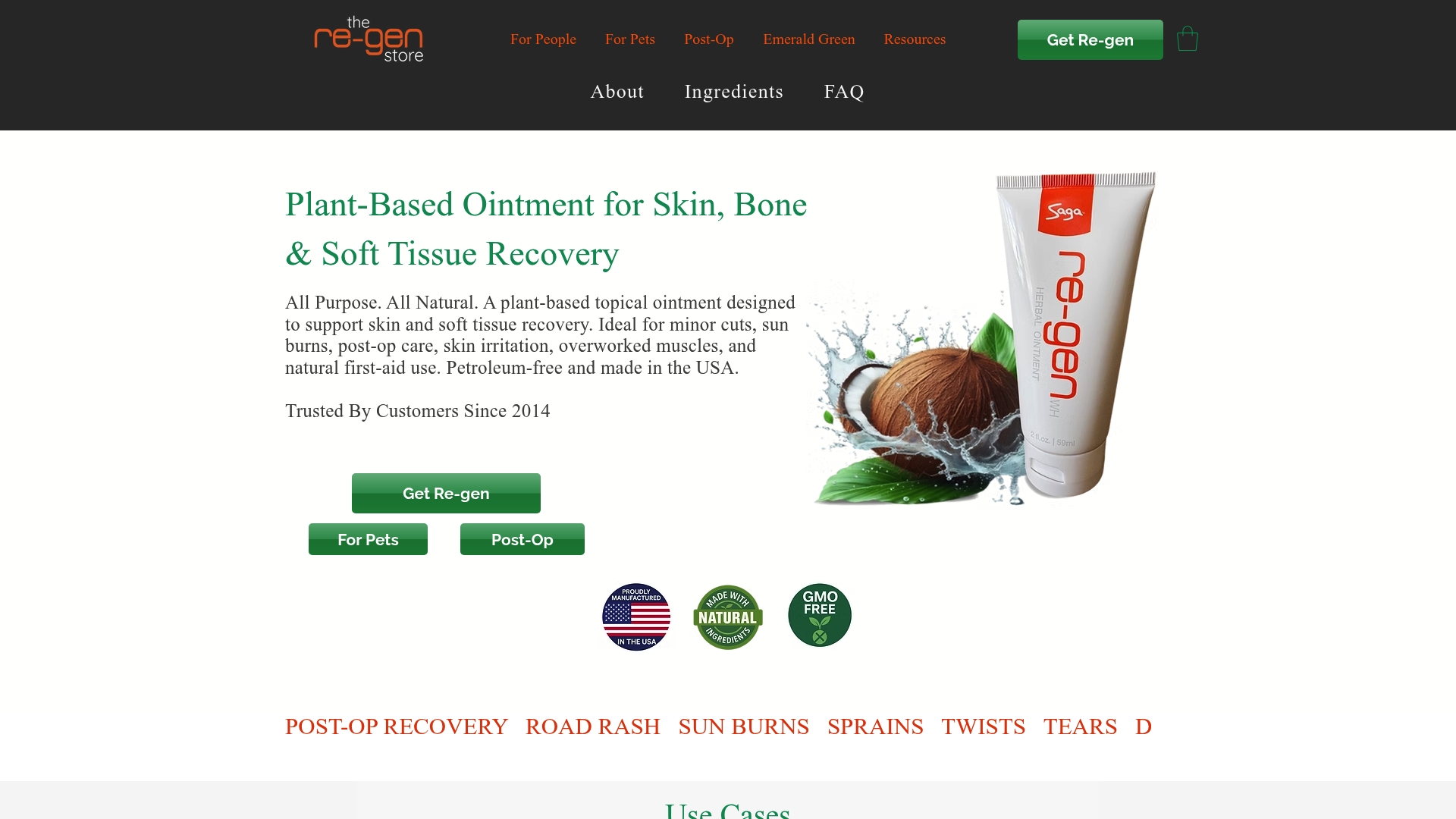
Theregenstore built Re-gen around the exact botanicals and oils covered in the research above, rather than a proprietary mystery blend. That’s the practical difference for anyone comparing a plant-based ointment against a petroleum-based first-aid product: you can actually check what you’re putting on a wound.
If you’ve been reaching for a conventional antibiotic ointment out of habit, Theregenstore’s page on the best natural alternative to Neosporin walks through how Re-gen compares on ingredients. For sunburns and other superficial skin injuries, the sunburn relief and skin recovery page covers application specifics. Pet owners managing minor cuts or hot spots can review the species-specific guidance before applying anything. Whichever situation brought you here, the next step is the same: check the Re-gen product page for the full ingredient list and pick the packaging size that fits your first-aid kit.
Sources
FAQ
What is muscle recovery in a topical sense?
It’s the use of a plant-based ointment or balm to support the skin and soft tissue around a minor injury, calming inflammation and supporting the body’s own repair process rather than treating the injury systemically.
What helps muscle recovery topically?
Botanicals like calendula, aloe vera, and St. John’s Wort, along with oils higher in linoleic acid, have documented roles in supporting antimicrobial defense, reducing inflammation, and aiding cell proliferation at the wound site.
How long does topical muscle recovery take?
Most minor wounds show reduced redness and swelling within 48 to 72 hours, with visible closure often starting around one week; a wound that isn’t improving by then needs a clinician’s evaluation.
Are plant-based ointments like Re-gen safe for pets?
Many plant-based formulations are pet-friendly, but species-specific sensitivities exist, particularly in cats, so always confirm a product is labeled safe for the animal and monitor for licking or irritation after application.
When should I stop using a topical and see a doctor?
Stop and seek medical care if you notice spreading redness, fever, pus, or a wound that hasn’t started closing after several days, since these signal a systemic issue a topical alone can’t address.
Recommended
Comments