
What Is Tissue Regeneration: Your Complete Healing Guide

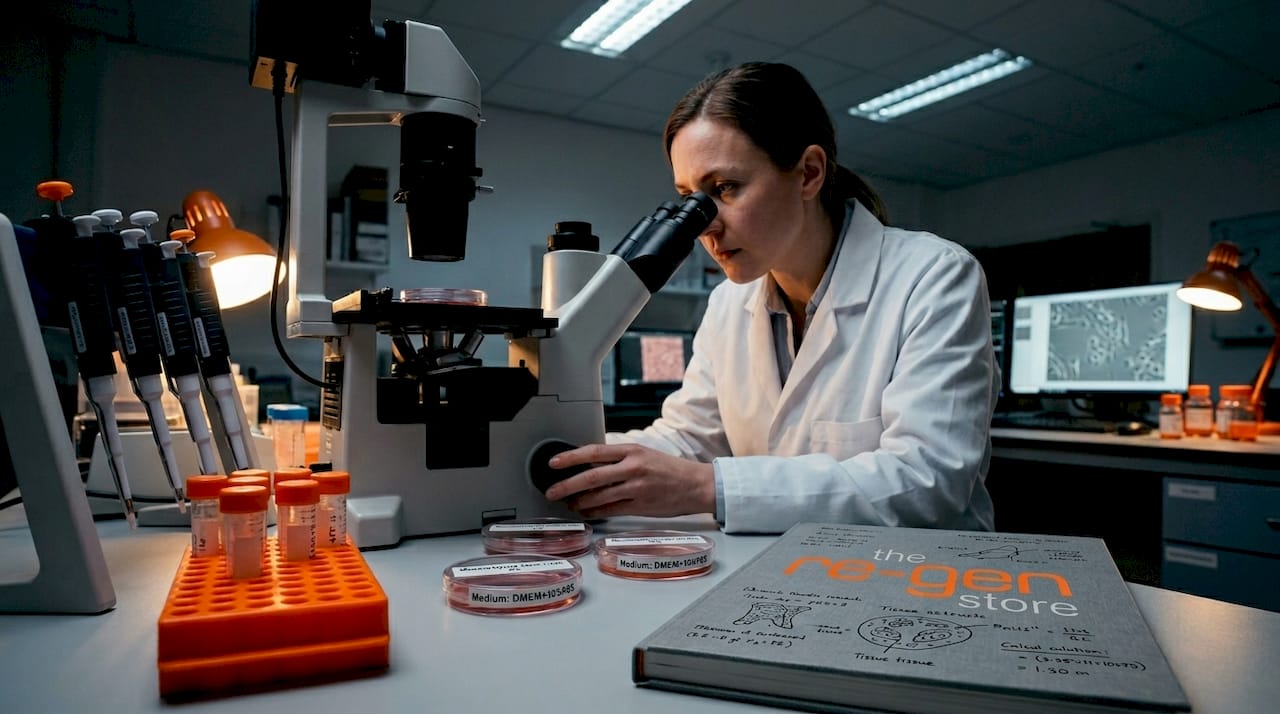
Tissue regeneration is defined as the biological process by which the body replaces damaged or lost cells, tissues, or organs to restore their original structure and function. This is distinct from simple wound closure or scar formation. Regenerative medicine targets musculoskeletal structures including bone, cartilage, tendons, and muscle using tools like stem cells, biomaterials, and gene editing. Understanding how regeneration actually works, and how it differs from repair, gives you a real advantage when managing recovery from injury, surgery, or chronic skin conditions.
What is tissue regeneration and how does it work biologically?
Tissue regeneration in humans follows four overlapping phases: hemostasis, inflammation, proliferation, and remodeling. Each phase involves specific cell types doing precise jobs, and skipping or disrupting any one of them slows your recovery.
Hemostasis (minutes to hours): Platelets aggregate at the wound site and form a clot to stop bleeding. This clot also releases growth factors that signal the next phase to begin.
Inflammation (hours to days): Macrophages and neutrophils clear debris and bacteria. Macrophages also release cytokines that recruit fibroblasts and keratinocytes to begin rebuilding.
Proliferation (days to weeks): Fibroblasts produce collagen and rebuild the extracellular matrix (ECM). Keratinocytes migrate across the wound surface to restore the skin barrier. Endothelial cells form new blood vessels through angiogenesis, supplying oxygen to the repair zone.
Remodeling (weeks to one year): Collagen remodeling replaces weaker type III collagen with stronger type I, but the reorganized tissue never fully replicates the original architecture. This phase begins around day 21 and can continue for up to a full year, meaning what you see at six weeks is not the final result.
Fibroblast behavior during proliferation and remodeling critically determines whether healing trends toward true regeneration or results in a permanent scar. Dysregulated fibroblasts contribute to chronic, non-healing wounds, which is why wound care quality matters far beyond the first few days.
Pro Tip: Do not judge your healing by how a wound looks at two weeks. The remodeling phase runs for up to a year, and tissue strength continues building long after the surface closes.
How does tissue regeneration differ from tissue repair and scarring?
Most people use “regeneration” and “repair” interchangeably. They are not the same process, and the difference has real consequences for function and appearance.
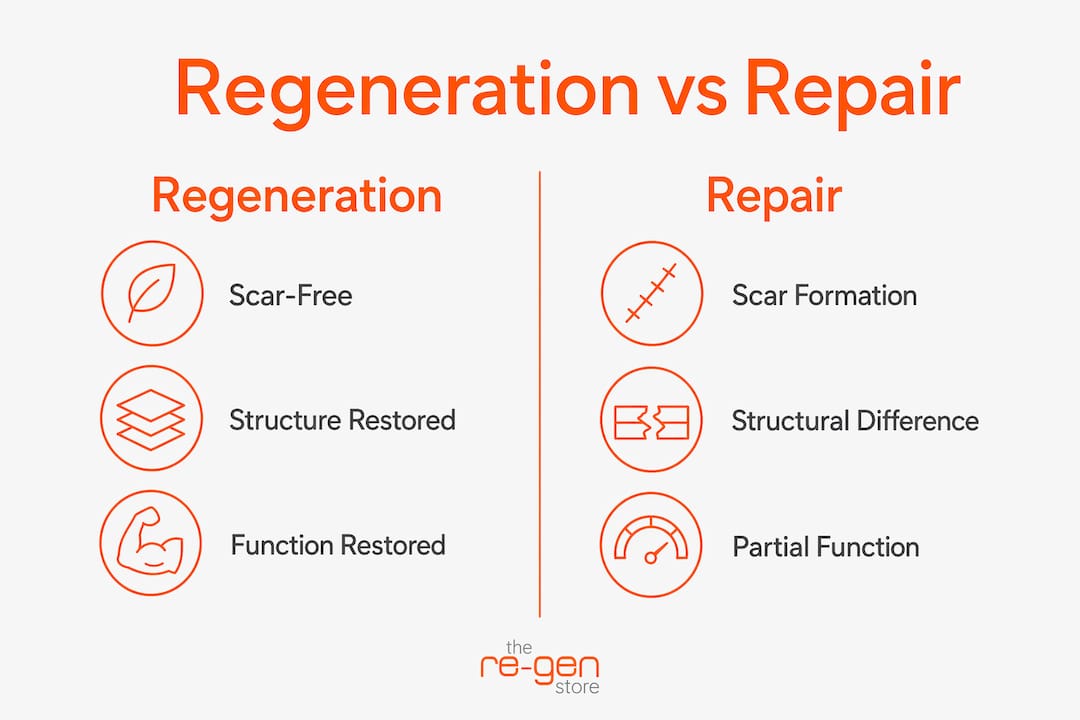
True scar-free regeneration is rare in humans. What most people experience after injury is repair, meaning the body fills the wound with new ECM that differs structurally and functionally from the original tissue. Scar tissue is weaker, less elastic, and lacks the specialized structures of the original, such as hair follicles, sweat glands, or organized collagen fiber patterns.
Feature | True regeneration | Scar-forming repair |
Tissue structure | Restored to original | New ECM, structurally different |
Functional outcome | Full function restored | Reduced elasticity and strength |
Common examples | Liver cell regrowth, bone healing | Skin wounds, muscle tears |
Collagen type | Organized type I | Disorganized type III then I |
Aesthetic result | No visible scar | Visible scar tissue |
Key distinctions worth knowing:
Liver “regeneration” is actually compensatory hyperplasia. Existing liver cells multiply to restore volume, not scar-free architectural restoration.
Bone healing comes closest to true regeneration in adults, restoring mechanical strength effectively.
Skin, muscle, and tendon heal primarily by repair, producing scar tissue that limits both function and aesthetics.
Scar tissue is not a failure. It is the body’s fastest available solution. But knowing this distinction helps you set realistic expectations and choose therapies that genuinely support better outcomes.
What scientific advances are improving tissue regeneration outcomes?
Modern regenerative medicine targets the molecular gaps that prevent humans from achieving scar-free healing. Three areas are producing the most clinically relevant progress right now.
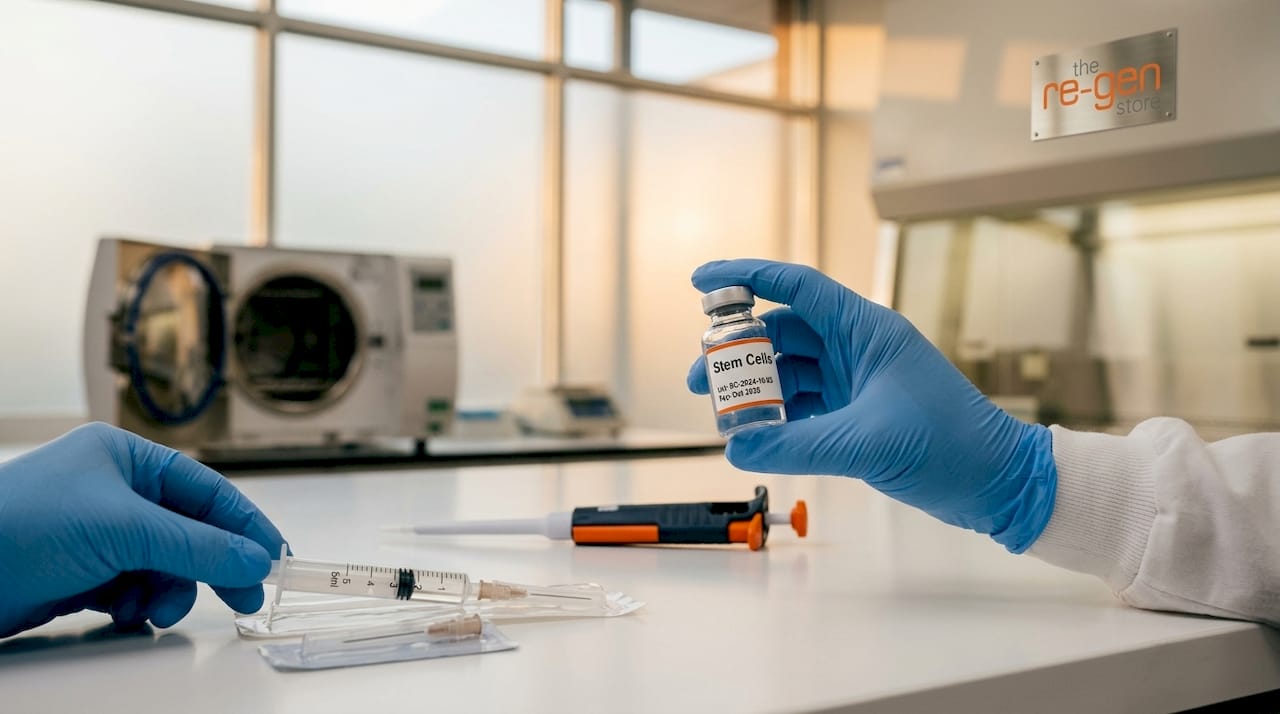
Stem cell therapies use embryonic stem cells (ESCs), mesenchymal stem cells (MSCs), and induced pluripotent stem cells (iPSCs) to repair tissue by differentiating into needed cell types and secreting healing factors. MSCs improve wound healing through immune modulation and angiogenesis, making them particularly useful for chronic wounds and post-surgical recovery.
Biomaterial scaffolds provide a structural framework that guides new tissue growth. Researchers engineer these scaffolds from collagen, fibrin, or synthetic polymers to mimic the ECM and give migrating cells a surface to organize on. Without this scaffold, cells often produce disorganized scar tissue instead of functional architecture.
Gene editing and molecular pathway activation represent the frontier. Deficient retinoic acid production in mammals is linked to regeneration failure. Activating the Aldh1a2 gene or supplementing retinoic acid has reactivated regeneration in experimental models, suggesting a specific genetic switch controls whether mammals can regenerate or only repair. This finding points toward targeted molecular therapies rather than broad healing promoters.
Pro Tip: When evaluating any regenerative therapy, ask whether it stimulates your own repair cells, replaces damaged cells, or provides a scaffold for new growth. Each approach has different outcomes and timelines, and understanding the difference helps you ask better questions of your care provider.
How can you support natural tissue regeneration at home?
Your daily habits directly influence whether your body heals toward functional tissue or toward dense scar formation. These steps are backed by research and practical to implement.
Prioritize vitamin C. Vitamin C drives hydroxylation of collagen enzymes during wound remodeling. Without adequate vitamin C, collagen matrix strength drops and healing slows measurably.
Support with vitamins D, E, B-complex, and K. Vitamin D regulates immune response during inflammation. Vitamin E protects cell membranes from oxidative damage. B-complex vitamins support cellular energy for repair. Vitamin K assists in clotting and vascular repair.
Stay well hydrated. Cells cannot migrate, divide, or produce ECM without adequate water. Dehydration slows every phase of the tissue repair process.
Avoid smoking and limit alcohol. Smoking reduces tissue oxygenation and impairs fibroblast activity. Oxygen and vitamin C deficiencies directly impair collagen matrix strength, and alcohol disrupts immune signaling during inflammation.
Protect the wound from infection. Infection prolongs the inflammatory phase and diverts cellular resources away from rebuilding. Clean, covered wounds heal faster and with less scarring.
You can also explore natural wound healing strategies that align with these principles and support the body’s own repair mechanisms without chemical interference.
Key takeaways
Tissue regeneration is a multi-phase biological process where nutrition, wound care, and molecular signals determine whether healing produces functional tissue or permanent scar.
Point | Details |
Regeneration vs. repair | True scar-free regeneration is rare in humans; most healing produces structurally different scar tissue. |
Four healing phases | Hemostasis, inflammation, proliferation, and remodeling each require specific cells and nutrients to function properly. |
Remodeling takes time | The remodeling phase begins around day 21 and continues for up to one year after injury. |
Nutrition drives outcomes | Vitamins C, D, E, B-complex, and K directly support collagen synthesis and cellular repair quality. |
Science is advancing | Stem cells, biomaterial scaffolds, and retinoic acid pathway activation are the most promising current therapies. |
Where tissue regeneration science is heading, and what it means for you
The gap between what regenerative medicine promises and what it currently delivers in a clinical setting is real, and I think it is worth being honest about that. Most people searching for information on tissue regeneration are dealing with a wound, a sprain, a surgical scar, or a chronic skin condition. They want to know if their body can actually heal well, not just close over.
Here is what I have come to understand after following this field closely: the most exciting finding in recent years is not a new drug or device. It is the discovery that mammals may have a dormant regeneration switch, the retinoic acid pathway, that evolution effectively turned off. That changes the entire framing. Regeneration is not something humans simply cannot do. It is something we stopped doing, and researchers are now working to turn it back on.
For now, the practical reality is that supporting your body’s repair process as well as possible, through nutrition, proper wound care, and avoiding factors that impair healing, produces meaningfully better outcomes than ignoring these variables. The difference between a clean, well-supported wound and a neglected one shows up clearly in the remodeling phase, months after the surface has closed.
I also think people underestimate how much plant-based topical support can do at the wound interface. Not as a replacement for medical care, but as a way to keep the local environment clean, reduce inflammatory overload, and give the tissue the best possible conditions to organize properly. That is where natural products earn their place in a serious healing protocol.
— Kyle
Support your healing with plant-based wound care from Theregenstore
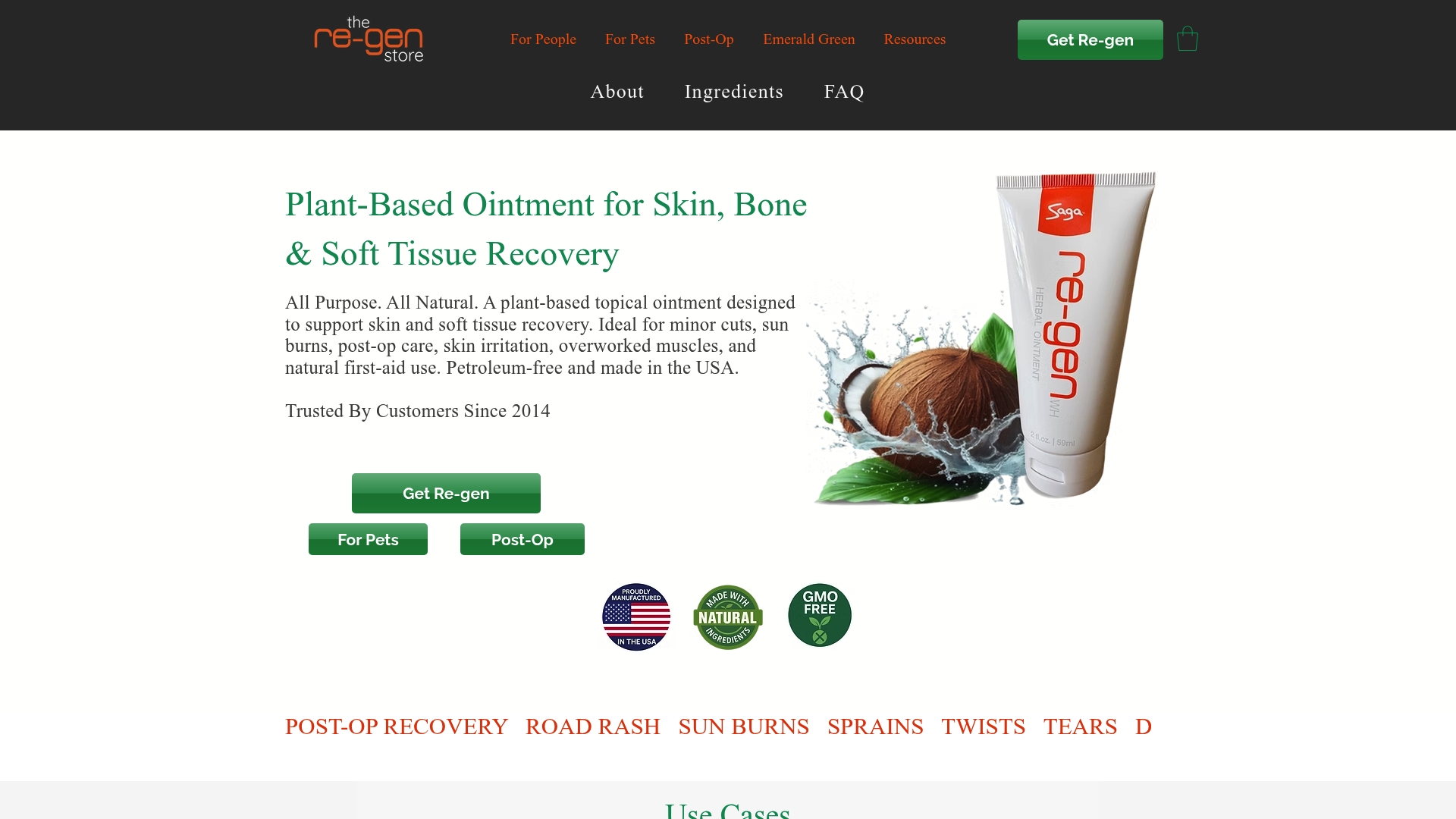
Your body does the regenerative work. The right topical support makes sure nothing gets in the way. Theregenstore’s Re-gen ointment is a petroleum-free, plant-based formula designed to support skin and soft tissue recovery without synthetic chemicals or antibiotics. It works with your body’s natural repair phases rather than suppressing them. Whether you are recovering from a cut, burn, sprain, or post-operative wound, Re-gen provides a clean, herbal environment that supports the tissue repair process from day one. Explore the full Re-gen regenerative ointment and see why health-conscious individuals and pet owners choose it as their first-line wound care solution.
FAQ
What is tissue regeneration in simple terms?
Tissue regeneration is the process by which your body replaces damaged or lost cells and tissues to restore normal structure and function. It involves four biological phases: hemostasis, inflammation, proliferation, and remodeling.
What is the difference between tissue repair and tissue regeneration?
Tissue repair fills a wound with scar tissue that differs structurally from the original. True tissue regeneration restores the original architecture and function without permanent scarring, which is rare in adult humans.
How long does soft tissue healing take?
Soft tissue healing varies by injury severity, but the remodeling phase alone can last up to one year. Surface closure at a few weeks does not mean healing is complete.
What vitamins support tissue regeneration the most?
Vitamins C, D, E, B-complex, and K all play direct roles in collagen synthesis, immune regulation, and cellular repair. Vitamin C is particularly critical because it drives the hydroxylation of collagen enzymes during remodeling.
Can tissue regeneration be improved with natural products?
Yes. Plant-based topical treatments can support the local wound environment by reducing infection risk and inflammatory overload, giving the body better conditions to organize new tissue effectively.
Recommended
Comments