
Pet-Safe Ointments: Top Examples for Natural Wound Care

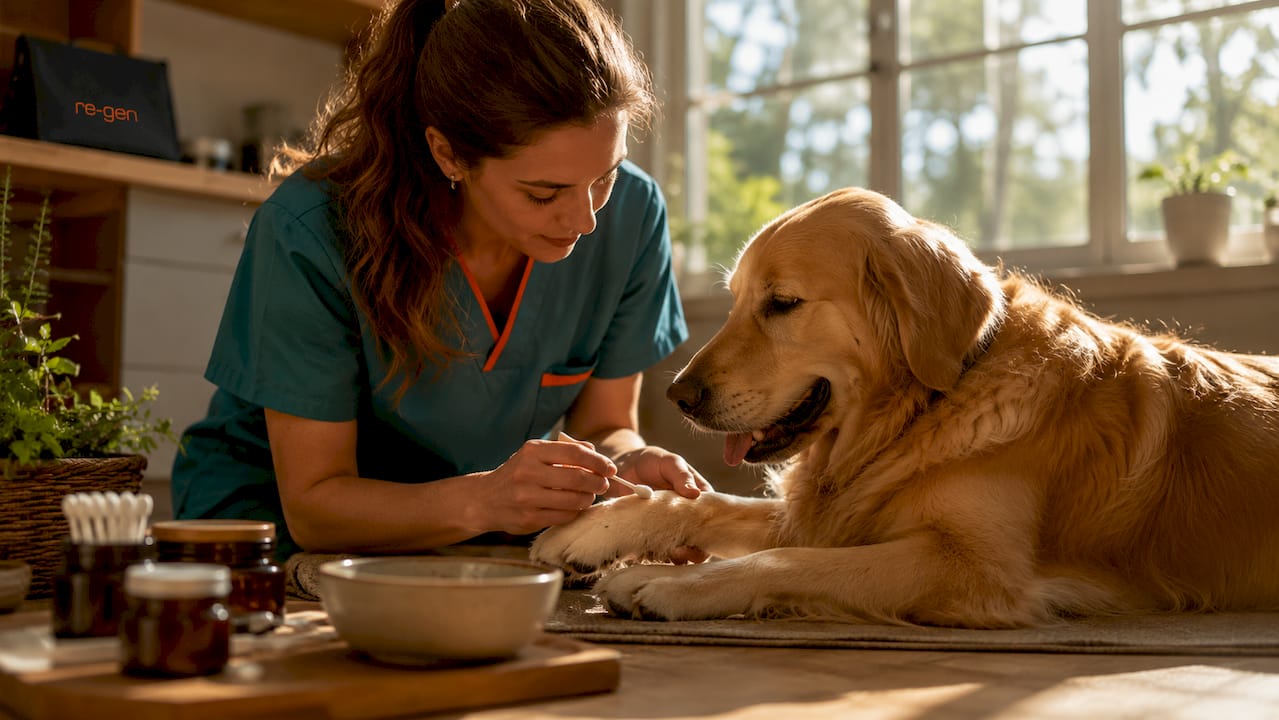
Pet-safe ointments are topical treatments formulated with non-toxic ingredients that remain safe if a pet licks the application site. The best examples of pet-safe ointments include silver-honey blends, hypochlorous acid sprays, medical-grade Manuka honey, and petroleum-free plant-based creams. These options protect wounds and support healing without the chemical risks found in common human products like Neosporin.
1. What are ionic silver and silver-honey ointments for pets?
Silver-based ointments are among the most effective pet-friendly ointments available today. Products using MicroSilver BG™ or ionic silver kill 99.9% of bacteria immediately on contact. That speed matters because bacterial colonization in open wounds can escalate within hours.
Silver-honey blends combine ionic silver with medical-grade honey to deliver both antimicrobial and anti-inflammatory benefits in one formula. They work without traditional antibiotics, which means no risk of contributing to antibiotic resistance. These formulas are also safe if ingested during grooming, making them genuinely pet-safe rather than just low-risk.
Kills bacteria on contact without antibiotics
Safe for incidental ingestion during grooming
Reduces inflammation alongside infection risk
Available in gel and ointment formats for different wound types
Pro Tip: Apply silver-honey ointment to hot spots and minor cuts right after cleaning the wound with saline. The honey layer creates a moist healing environment, and the silver handles bacteria simultaneously.
2. Why avoid human triple antibiotic ointments like Neosporin for pets?
Neosporin is not designed for animal skin or animal behavior. Up to 10–20% of pets may have sensitivity to neomycin, one of Neosporin’s active ingredients, which can cause contact dermatitis and make wounds worse instead of better. That reaction is the opposite of what you want when treating a minor cut.
The licking problem compounds the risk. Pets instinctively lick wounds, and when they lick Neosporin off, they ingest neomycin and polymyxin B. Ingestion can cause vomiting, diarrhea, and drooling. Some Neosporin formulas also contain benzocaine, a pain reliever that can cause serious toxicity in cats.
Veterinary experts recommend pet-specific hypochlorous acid sprays like Vetericyn Plus as gentler, safer alternatives to neomycin-containing ointments for routine wound cleaning.
Human ointments also disrupt the animal skin microbiome. The core risk with human ointments on pets is their incompatibility with animal skin microbiome and licking behaviors. Pet-safe products support microbiome health instead of stripping it.
Neomycin allergy risk affects a meaningful portion of pets
Benzocaine in some formulas causes toxicity in cats
Ingestion leads to gastrointestinal upset
Disrupts the skin’s natural bacterial balance
3. What natural ointments safely treat minor wounds and skin conditions?
Natural ointments for pets work by supporting the body’s own repair process rather than overwhelming it with synthetic chemicals. Medical-grade Manuka honey promotes healing and reduces infection risk when applied sparingly to clean wounds. Its active compound, methylglyoxal, creates an antimicrobial environment that bacteria cannot easily resist.
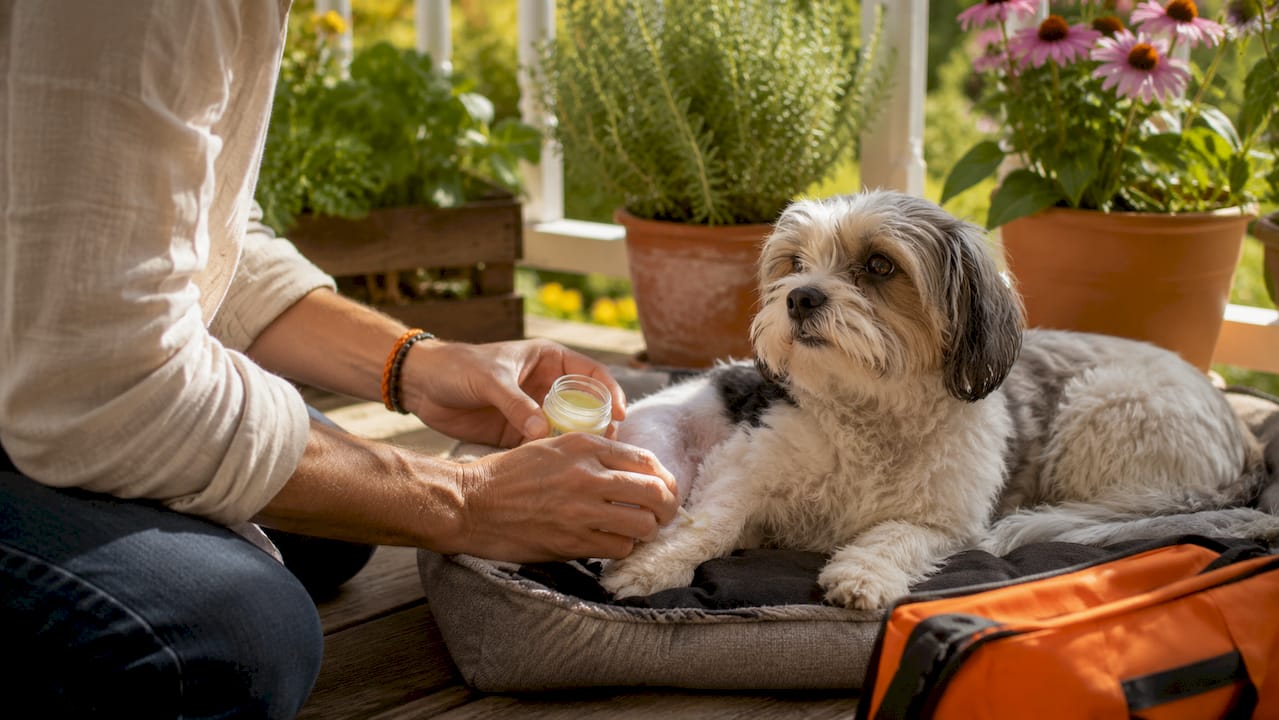
Coconut oil offers lauric acid, which has documented antimicrobial properties. Apply it sparingly, as too much can trap moisture and slow healing. Coconut oil works best as a skin conditioner for dry or cracked paw pads rather than as a primary wound treatment.
Petroleum-free, plant-based ointments designed specifically for pets preserve the skin’s natural microflora and are safer if licked. Theregenstore’s Re-gen ointment uses this approach, combining plant-based ingredients to support tissue recovery without synthetic chemicals. Fragrance-free, allergen-tested formulas are the safest choice for pets with sensitive skin.
Medical-grade Manuka honey: antimicrobial and anti-inflammatory
Coconut oil: best for dry skin and paw care, not deep wounds
Plant-based petroleum-free creams: support microflora and safe if licked
Always choose fragrance-free formulas to reduce allergen exposure
Pro Tip: Check that any honey product is labeled “medical-grade.” Standard grocery-store honey lacks the concentrated antimicrobial activity needed for wound care.
4. How to choose and safely use pet-safe ointments on your animal
Choosing the right ointment starts with knowing your pet’s skin history. If your pet has had reactions to topical products before, patch testing is non-negotiable. Even pet-safe ointments can trigger allergic reactions, so always test on a small skin patch before full application, and observe for swelling, hives, or redness over 48 hours.
Application technique matters as much as product choice. Applying a thin, translucent film of ointment is the correct approach. Over-application traps heat and moisture, which fosters bacterial or yeast growth. Less is genuinely more.
Follow these steps for safe application:
Clean the wound gently with saline or a pet-safe antiseptic spray.
Pat the area dry with a clean cloth before applying any ointment.
Apply a thin layer, just enough to cover the wound surface.
Fit an Elizabethan collar to prevent licking immediately after application.
Monitor the wound carefully for signs of allergic reaction or worsening infection.
If the wound does not improve within 48 hours, stop home treatment and consult a veterinarian.
The E-collar step is critical. The licking cycle is the most common obstacle to effective topical wound care. Using an E-collar is often more important than the ointment choice itself. A perfectly chosen ointment fails completely if your pet licks it off within minutes.
Key takeaways
Pet-safe ointments built on silver, honey, hypochlorous acid, or plant-based ingredients outperform human products for animal wound care because they are non-toxic if licked and support the skin’s natural microbiome.
Point | Details |
Silver-honey ointments lead | MicroSilver BG™ formulas kill 99.9% of bacteria and are safe if ingested. |
Avoid Neosporin for pets | Neomycin sensitivity affects up to 10–20% of pets and can worsen wounds. |
Natural options work well | Manuka honey and plant-based creams support healing without synthetic chemicals. |
Apply thin layers only | Over-application traps moisture and promotes bacterial or yeast growth. |
E-collar use is critical | Preventing licking protects the ointment and breaks the wound-licking cycle. |
Why I trust natural ointments over the medicine cabinet for pet wounds
My honest view is that most pet owners reach for Neosporin out of habit, not evidence. It is what we grew up with, and it feels responsible. But the same logic that makes it useful for humans makes it poorly suited for animals. Pets lick. Their skin microbiome is different. Their sensitivity profiles are different.
What I have found works consistently is starting with the simplest, safest option and escalating only if needed. A clean wound treated with a silver-honey blend or a plant-based ointment, covered with an E-collar, heals well in most minor cases. The E-collar matters more than people expect. I have seen owners choose the right product and still get poor results because licking undid every application.
The natural benefits of plant-based ointments for pet skin are real, not marketing language. Preserving the skin’s microflora during healing reduces secondary infections. That is a concrete advantage over broad-spectrum antibiotic formulas that wipe out beneficial bacteria along with harmful ones. For persistent or deep wounds, a vet visit is always the right call. But for minor cuts, scrapes, and hot spots, natural and pet-safe is the smarter first move.
— Kyle
Try a plant-based, petroleum-free option from Theregenstore
Your pet’s wound care does not need synthetic chemicals to be effective. Theregenstore’s Re-gen ointment is formulated with plant-based, petroleum-free ingredients designed to support skin and tissue recovery without the risks of human OTC products.
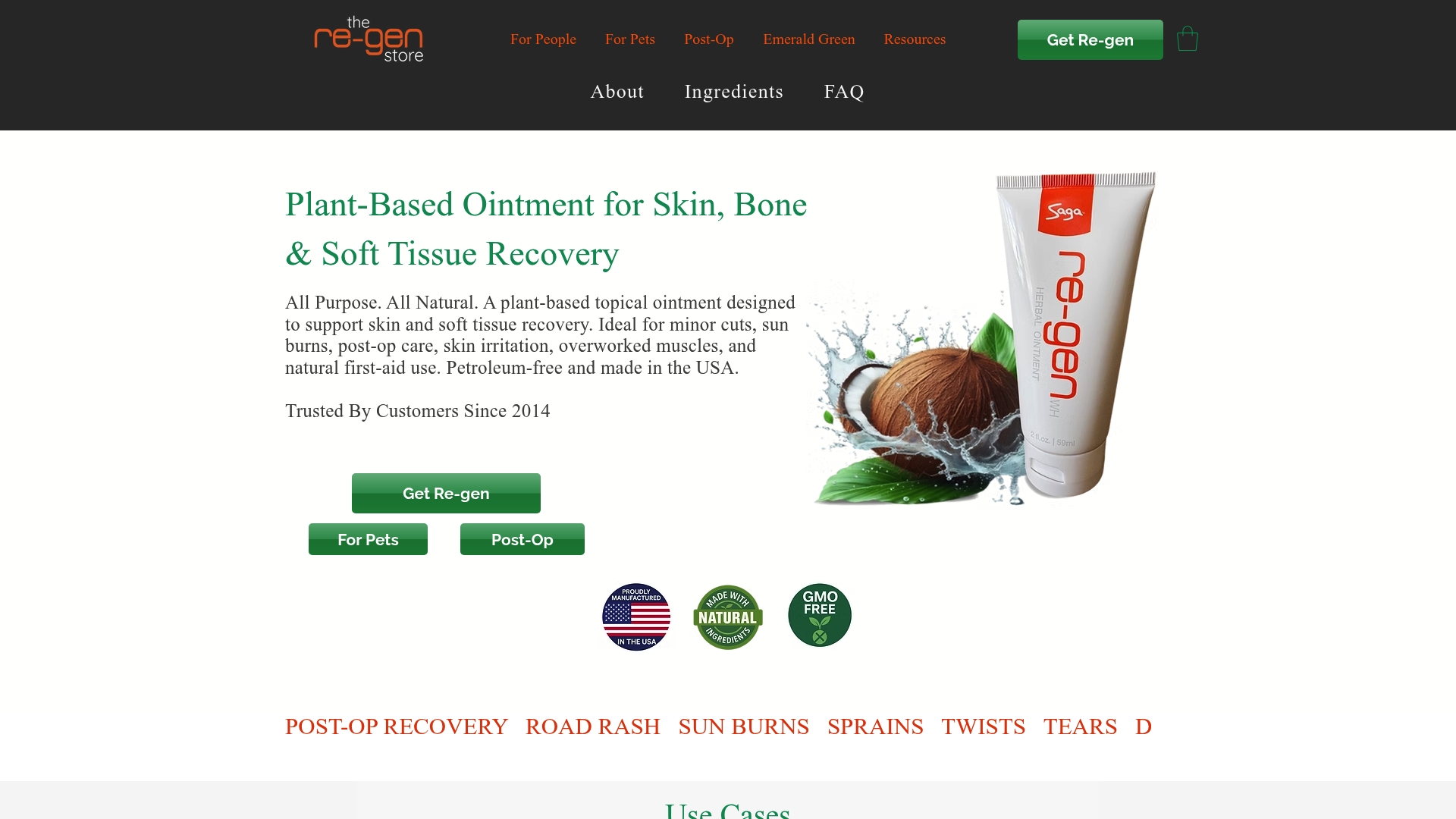
Re-gen works on cuts, scrapes, hot spots, and post-operative wounds. It preserves the skin’s natural microflora, stays safe if licked, and avoids the allergen risks tied to neomycin-based formulas. Explore the full range of natural wound treatments at Theregenstore, or go straight to the Re-gen product page to see ingredients, sizing, and usage guidance.
FAQ
What makes an ointment safe for pets?
A pet-safe ointment uses non-toxic ingredients that cause no harm if licked during grooming. It also avoids allergens like neomycin and synthetic fragrances that can irritate animal skin.
Can I use Neosporin on my dog or cat?
Veterinarians advise against Neosporin for pets because neomycin can cause contact dermatitis in up to 10–20% of animals, and some formulas contain benzocaine, which is toxic to cats.
How does Manuka honey help pet wounds?
Medical-grade Manuka honey promotes healing and reduces infection through its natural antimicrobial properties. It is safe for pets and effective on minor cuts and skin irritation.
Why do pets need an E-collar during ointment treatment?
Licking removes the ointment and introduces bacteria from the mouth back into the wound. An Elizabethan collar breaks that cycle and gives the treatment time to work.
When should I stop home treatment and see a vet?
Stop home treatment and consult a veterinarian if the wound does not improve within 48 hours or shows signs of worsening redness, swelling, or discharge.
Recommended
Comments