
How to Reduce Inflammation Naturally: A Practical Guide
- Sunny

- 6 hours ago
- 7 min read
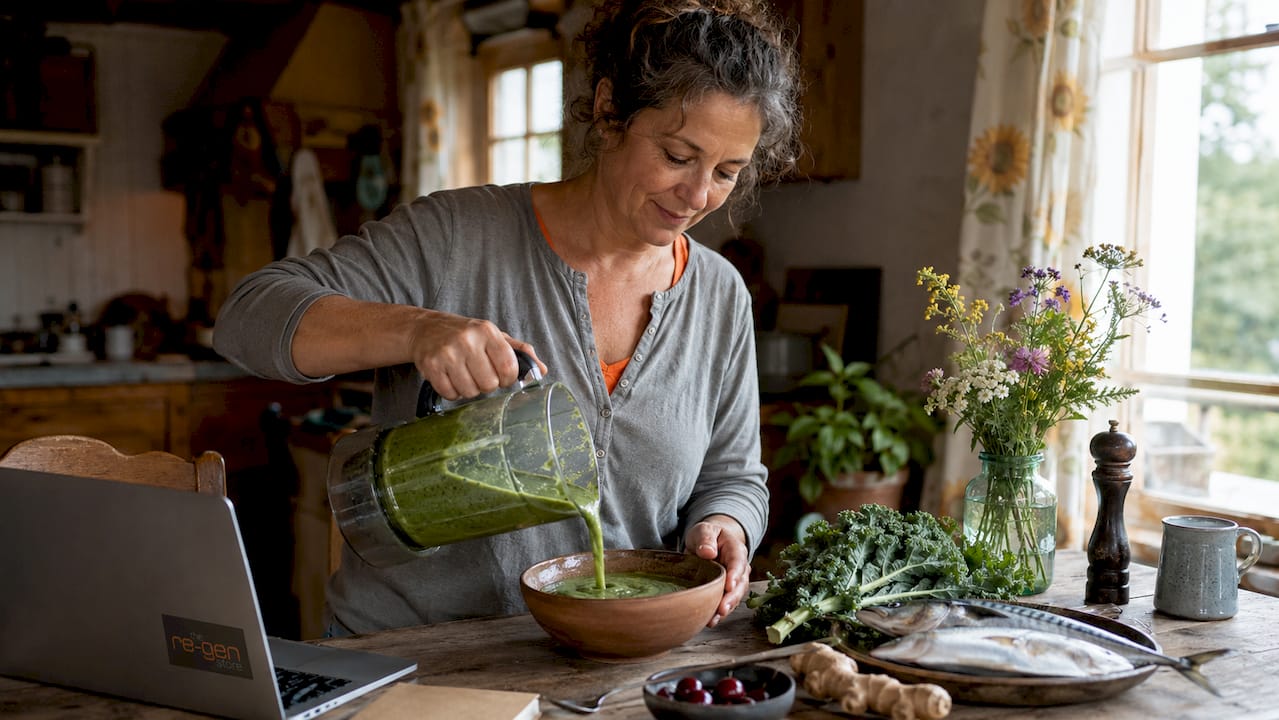
Natural inflammation reduction is the process of lowering chronic systemic inflammation through diet, lifestyle adjustments, and holistic practices without relying on medications. Acute inflammation is your body’s normal healing response. Chronic inflammation is different. It persists silently and links to conditions like heart disease, type 2 diabetes, and autoimmune disorders. Understanding what is inflammation reduction naturally means recognizing that your daily food choices, sleep habits, stress levels, and even time outdoors all directly influence your body’s inflammatory state. This guide covers the evidence-backed methods that work.
What is inflammation reduction naturally, and which foods drive it?
The anti-inflammatory diet focuses on whole, unprocessed foods rich in omega-3 fatty acids, polyphenols, and fiber, while limiting refined carbohydrates, sugary drinks, and ultra-processed items. Harvard Health describes the grocery store as the most powerful tool against inflammation. Consistent daily food choices either protect or harm your health over time.
The Mediterranean diet is the most studied dietary pattern for inflammation control. It centers on olive oil, fatty fish like salmon and sardines, leafy greens, berries, nuts, and legumes. Each of these foods delivers compounds that directly suppress inflammatory signaling in the body.
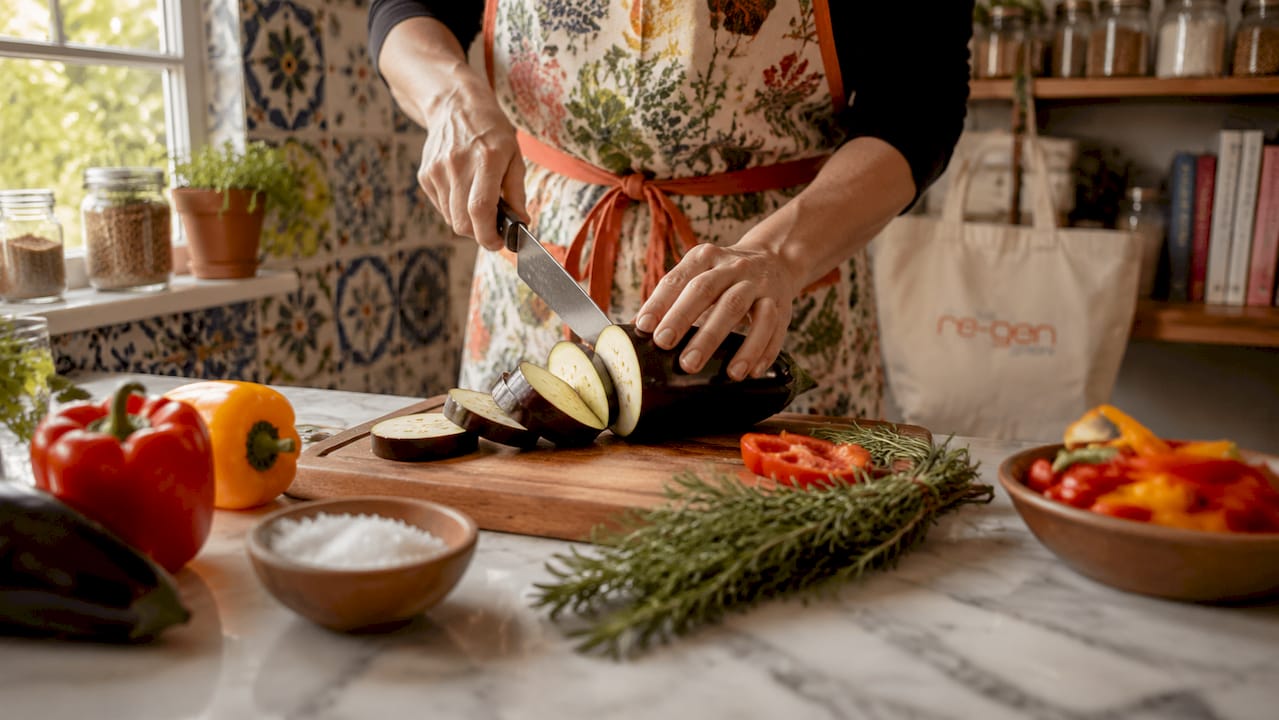
Eating 30 different plant foods weekly optimizes your gut microbiome, which plays a direct role in regulating systemic immune responses. A diverse gut microbiome produces short-chain fatty acids that reduce inflammatory markers throughout the body. Variety matters as much as quantity.
Anti-inflammatory vs. pro-inflammatory foods
Anti-inflammatory foods | Pro-inflammatory foods |
Fatty fish (salmon, mackerel) | Processed meats (hot dogs, deli meat) |
Berries (blueberries, strawberries) | Sugary beverages (soda, sweetened juice) |
Leafy greens (spinach, kale) | Refined carbs (white bread, pastries) |
Olive oil, walnuts, almonds | Fried foods and fast food |
Turmeric, ginger, garlic | Margarine and trans fats |
Cutting pro-inflammatory foods is just as important as adding anti-inflammatory ones. Removing one daily soda or swapping white bread for whole grain creates a measurable shift in your body’s inflammatory load over weeks.
What lifestyle habits reduce inflammation beyond diet?
Exercise is one of the most direct natural ways to reduce inflammation. 150 minutes of moderate exercise weekly, or 75 minutes of vigorous activity, lowers inflammatory markers by metabolizing inflammatory proteins in the bloodstream. That translates to a 30-minute brisk walk five days a week. Most people can fit that in without restructuring their entire schedule.
Sleep is equally non-negotiable. Quality sleep releases messenger proteins that aid healing and fight infection, directly supporting immune regulation and inflammation control. Adults who consistently sleep fewer than seven hours show elevated C-reactive protein levels, a key inflammation biomarker. Prioritizing sleep is one of the simplest ways to combat inflammation naturally.
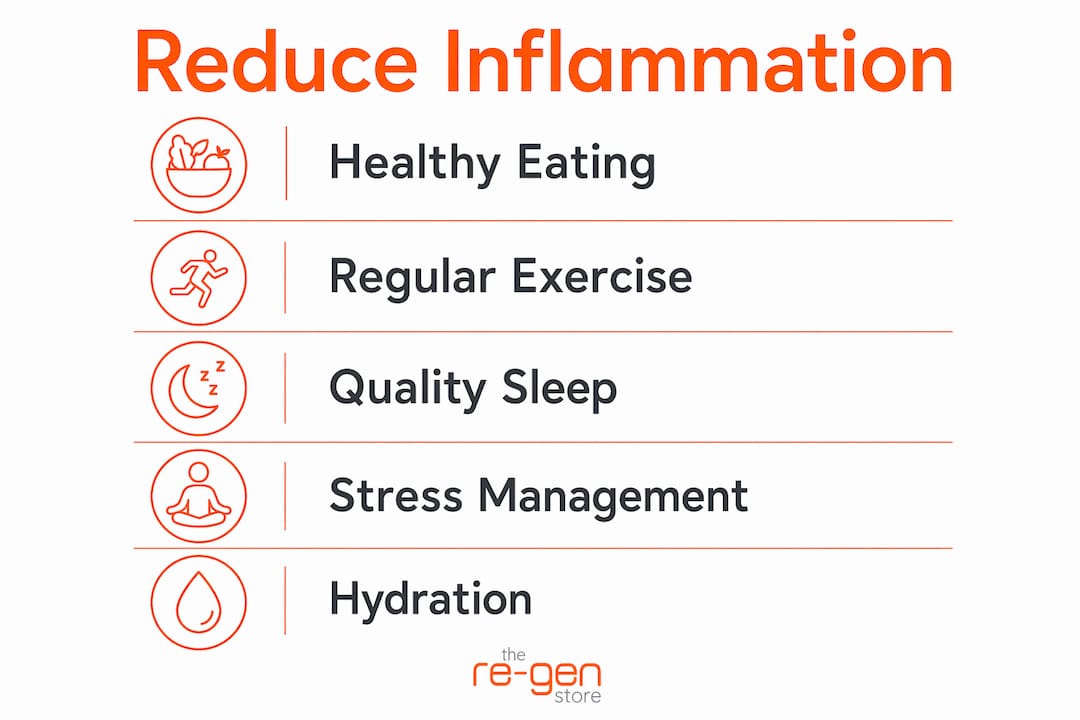
Chronic stress raises cortisol and other stress hormones that trigger inflammatory responses throughout the body. Practices like mindfulness meditation, deep breathing, and yoga lower cortisol levels measurably. Even 10 minutes of focused breathing daily produces a physiological shift in stress hormone output.
Spending two hours per week in nature is associated with lower levels of interleukin-6, C-reactive protein, and fibrinogen, three key inflammation biomarkers. A 2024 study on 1,244 adults confirmed this connection. You do not need a forest. A park, a garden, or even regular attention to indoor plants produces measurable benefit.
Here is a quick checklist of lifestyle habits that support lower inflammation:
Aim for 7–9 hours of sleep per night
Move your body for at least 30 minutes most days
Practice stress reduction through meditation, yoga, or breathing exercises
Spend at least two hours outdoors in green spaces each week
Stay well hydrated and limit alcohol consumption
Avoid tobacco in all forms
Pro Tip: Combine your daily walk with a green space. A 30-minute walk in a park addresses both your exercise and nature exposure goals at once, giving you two inflammation-lowering benefits from a single habit.
Which home remedies and herbs support inflammation relief?
Several well-studied herbs and holistic practices complement diet and lifestyle changes when you want to reduce inflammation without medication. These are not replacements for foundational habits. They are additions that amplify results.
Turmeric and ginger contain compounds that measurably reduce inflammation markers. Turmeric’s active compound, curcumin, suppresses NF-kB, a molecule that activates inflammatory genes. Ginger contains gingerols and shogaols that block inflammatory pathways. Adding both to cooking or teas is a practical, low-cost strategy.
Oral hygiene is an underappreciated home remedy for inflammation. Brushing and flossing daily reduces gum inflammation and prevents bacteria from entering the bloodstream, where they trigger systemic inflammatory responses via cytokines. Poor oral hygiene leads to periodontitis, which is directly linked to elevated systemic inflammation. Two minutes of brushing twice a day is one of the cheapest inflammation interventions available.
Infrared sauna therapy reduces pro-inflammatory cytokines including IL-6 and TNF-alpha, and supports detoxification that aids inflammation reduction. Studies in animal models show promising results, and human research is growing. Regular massage also reduces cytokine levels and lowers cortisol, making it a legitimate tool for inflammation management.
Dehydration and UV exposure both increase inflammation. Drinking adequate water and applying sunscreen daily are simple protective habits that most people overlook as inflammation strategies. Skin inflammation from sun damage is systemic, not just local.
Pro Tip: Add half a teaspoon of turmeric and a small piece of fresh ginger to your morning smoothie or tea. You get the anti-inflammatory benefits of both herbs without changing your routine significantly.
For more on how natural remedies support skin and tissue healing, the natural healing examples at Theregenstore offer evidence-based context.
How to apply natural inflammation reduction in daily life
Practical application is where most people lose momentum. The goal is consistency, not perfection. Here is a straightforward daily framework:
Build a colorful plate. Aim for five or more different colored vegetables and fruits each day. Color variety signals polyphenol diversity, which directly supports anti-inflammatory gut bacteria.
Schedule movement like an appointment. Block 30 minutes for walking, cycling, or swimming. Treat it as non-negotiable. Consistency over intensity is what lowers inflammatory markers long-term.
Set a sleep boundary. Choose a consistent bedtime and protect it. Reducing screen exposure 60 minutes before bed improves sleep quality measurably.
Manage stress with a daily anchor habit. Pick one stress management practice and do it every day, whether that is five minutes of deep breathing, a short meditation, or journaling.
Avoid supplement shortcuts. Supplements like fish oil or curcumin capsules can support an anti-inflammatory lifestyle, but they do not replace diet and sleep basics. Consult a healthcare professional before adding any supplement protocol.
Learning how to speed up wound healing naturally reinforces why these foundational habits matter. Sleep and stress management directly affect tissue repair speed, not just systemic inflammation levels.
Key takeaways
Natural inflammation reduction works best when diet, sleep, exercise, and stress management are addressed together rather than in isolation.
Point | Details |
Diet is the foundation | Focus on whole foods, omega-3s, and 30 plant varieties weekly to support gut and immune health. |
Exercise lowers markers directly | 150 minutes of moderate weekly activity metabolizes inflammatory proteins in the bloodstream. |
Sleep and stress are non-negotiable | Poor sleep and chronic stress raise C-reactive protein and cortisol, driving inflammation up. |
Nature and herbs add measurable benefit | Two hours weekly outdoors and daily turmeric or ginger use reduce key inflammation biomarkers. |
Oral hygiene prevents systemic inflammation | Daily brushing and flossing stop bacteria from entering the bloodstream and triggering cytokines. |
Why I think most people overcomplicate this
I have seen a lot of people jump straight to curcumin supplements, infrared sauna memberships, and elaborate elimination diets before they have sorted out the basics. The research is clear on this point: lifestyle basics like sleep, stress management, and avoiding tobacco are foundational to inflammation control and come before complex supplement protocols.
The honest truth is that most chronic inflammation problems trace back to three things: poor sleep, a diet heavy in processed food, and unmanaged stress. Fix those three, and you will see more improvement than any supplement stack can deliver.
What I find encouraging is how small the required changes actually are. A 30-minute walk in a park, a handful of blueberries with breakfast, and a consistent bedtime are not dramatic lifestyle overhauls. They are small, repeatable actions that compound over weeks and months. The body responds to consistency. It does not need perfection.
Start with one change this week. Add another next week. That approach is more sustainable than a complete overhaul that collapses after 10 days.
— Kyle
Support your healing with Theregenstore’s plant-based solutions
If you are working to reduce inflammation and support your body’s natural recovery, what you apply topically matters too. Local skin inflammation from cuts, burns, or irritation can become a persistent problem when managed with chemical-heavy products.
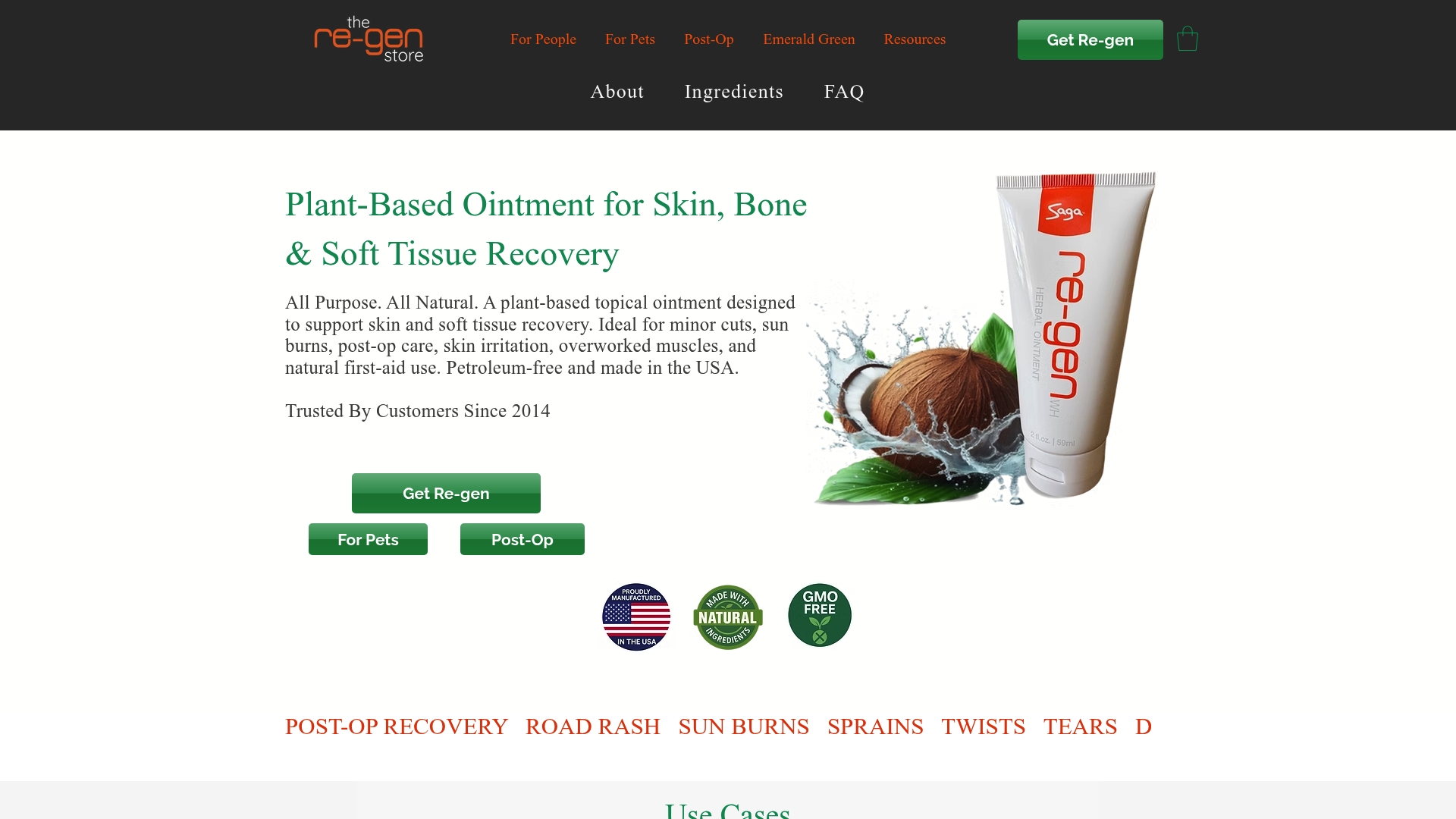
Theregenstore’s Re-gen ointment is a plant-based wound treatment formulated without petroleum or synthetic antibiotics. It supports skin and soft tissue healing naturally, reducing local inflammation at the site of injury. Whether you are recovering from a minor cut, a burn, or post-operative skin irritation, Re-gen works with your body’s healing process rather than against it. Explore the full range of natural healing solutions at Theregenstore and find the right support for your recovery.
FAQ
What is the fastest natural way to reduce inflammation?
Combining an anti-inflammatory diet with consistent exercise and quality sleep produces the fastest measurable reduction in inflammation markers. No single remedy works as quickly as addressing all three together.
Which foods fight inflammation most effectively?
Fatty fish, berries, leafy greens, olive oil, and turmeric are among the most studied natural anti-inflammatory foods. The Mediterranean diet pattern, which includes all of these, is the most evidence-backed dietary approach for lowering chronic inflammation.
Can herbs alone reduce inflammation without medication?
Herbs like turmeric and ginger reduce inflammation markers, but they work best as complements to diet and lifestyle changes rather than standalone treatments. Relying on herbs alone without addressing sleep, stress, and diet produces limited results.
How does sleep affect inflammation levels?
Quality sleep releases immune messenger proteins that regulate healing and fight infection, directly lowering systemic inflammation. Consistently sleeping fewer than seven hours raises C-reactive protein, a primary inflammation biomarker.
Does spending time in nature actually lower inflammation?
Yes. A 2024 study on 1,244 adults found that two hours weekly in nature lowers interleukin-6, C-reactive protein, and fibrinogen. These are three of the most clinically significant inflammation markers.
Recommended
Comments