
What Is Skin Microbiome Balance? Your 2026 Guide
- Sunny

- Jun 19
- 7 min read

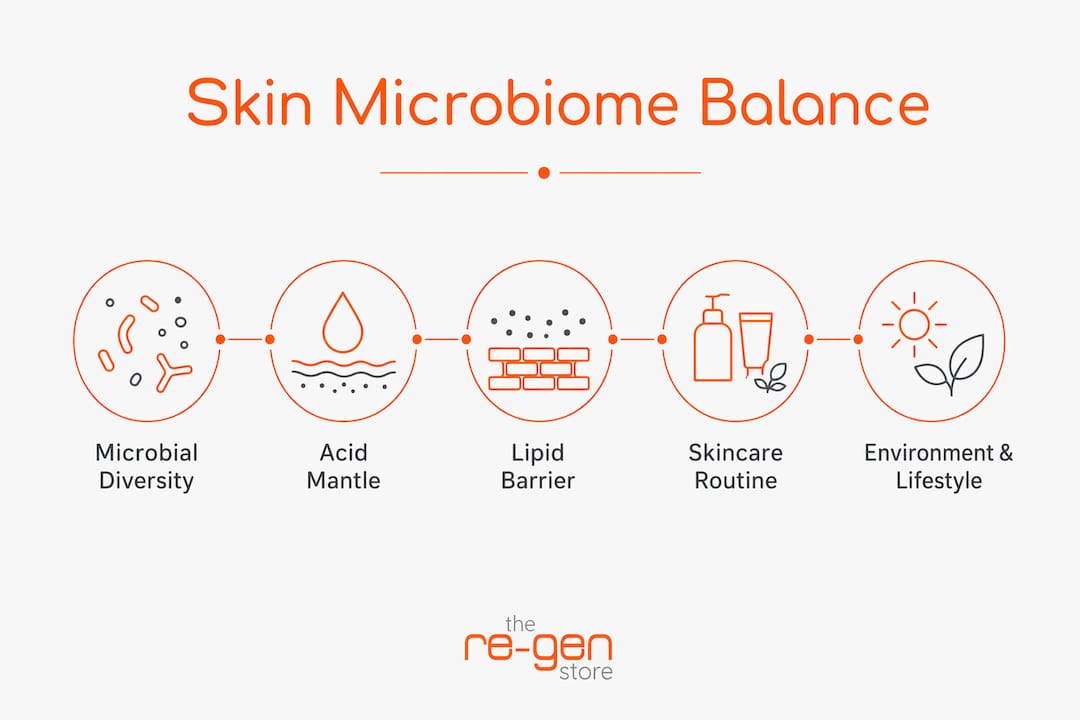
Skin microbiome balance is defined as a stable, diverse community of bacteria, fungi, viruses, and archaea living on your skin that preserves barrier function, regulates immunity, and defends against pathogens. This microbial ecosystem, known clinically as the cutaneous microbiome, is not passive. It actively produces protective molecules, maintains your skin’s acid mantle, and communicates with your immune system. When this balance breaks down, a state called dysbiosis, conditions like acne, atopic dermatitis, and psoriasis follow. Understanding what is skin microbiome balance gives you a direct path to healthier, more resilient skin.
What does a balanced skin microbiome actually look like?
A balanced skin microbiome is defined by microbial diversity, not just the absence of harmful bacteria. Hundreds of species coexist in a stable ratio, each contributing to skin homeostasis. The moment one species dominates, such as Staphylococcus aureus in eczema-prone skin, the entire system shifts toward inflammation and dysbiosis.
Your skin microbiome does more than just occupy space. Resident microbes produce fatty acids, ceramides, and antimicrobial peptides that reinforce the physical barrier. These effector molecules, including bacteriocins and short-chain fatty acids, actively block pathogen colonization and cooperate with your immune cells to keep inflammation in check.
The skin’s acid mantle, a thin film with a pH of roughly 4.5 to 5.5, is both a product and a protector of this microbial balance. Beneficial bacteria thrive at this pH. Harsh soaps and alkaline cleansers disrupt it, opening the door to opportunistic pathogens.
A healthy skin microbiome is not a single fixed state. It shifts with age, body site, season, and lifestyle. The goal is maintaining enough diversity and stability that your skin can recover from daily stressors on its own.
Key characteristics of a balanced skin microbiome include:
Microbial diversity across bacteria, fungi, and archaea
Stable pH in the 4.5 to 5.5 range, supporting commensal species
Active production of bacteriocins and short-chain fatty acids
Intact lipid barrier with ceramides, cholesterol, and fatty acids working together
Low pathogenic load, preventing overgrowth of species like Staphylococcus aureus
Understanding skin barrier function helps clarify why microbial balance and physical barrier health are inseparable.
How does your skincare routine affect microbial balance?
Your daily skincare routine is one of the most direct influences on your skin microbiome. The wrong combination of products strips the barrier, shifts the skin’s pH, and wipes out beneficial microbes. Over-treatment and multiple actives used simultaneously are a leading cause of microbiome disruption.

Retinoids, AHAs, BHAs, and vitamin C are effective ingredients. Used too frequently or layered together, they accelerate cell turnover faster than the barrier can repair itself. The result is a compromised lipid matrix, reduced microbial diversity, and increased sensitivity. Experts recommend stopping all actives for 2 to 4 weeks to allow barrier and microbiome recovery.
A repair-focused routine is simple by design:
Gentle, pH-balanced cleanser to preserve the acid mantle without stripping lipids
Ceramide-rich moisturizer applied immediately after cleansing to restore the lipid matrix
Broad-spectrum SPF 30 or higher every morning to protect against UV-driven microbiome stress
No active ingredients during the repair phase, typically 2 to 4 weeks
Reintroduce actives one at a time, spaced at least two weeks apart
The skin barrier consists of a lipid matrix including ceramides at 50%, cholesterol at 25%, and fatty acids at 15 to 20%. Disrupting this matrix through aggressive cleansing or over-exfoliation directly impairs the microbiome’s living environment.
Pro Tip: Apply your moisturizer within 3 minutes of cleansing. The 3-minute moisturizer window locks in residual moisture and significantly increases barrier recovery speed. Missing this window reduces product efficacy and slows repair.
What emerging therapies target skin microbiome regulation?
The field of skin microbiome therapy is moving away from broad-spectrum antibiotics toward targeted microbial regulation. Broad antibiotics eliminate harmful bacteria but also destroy beneficial commensal species, worsening dysbiosis over time. The shift is toward precision approaches that support specific microbial behaviors without collateral damage.
Current research focuses on several promising strategies:
Herbal formulations that selectively inhibit pathogenic species while sparing commensals
Commensal microbe transplants, introducing beneficial bacteria directly to disrupted skin
Microbial metabolite therapy, delivering bacteriocins and short-chain fatty acids topically
Prebiotic skincare, feeding beneficial bacteria with substrates they need to thrive
Postbiotic ingredients, using inactivated microbes or their byproducts for immune modulation
Approach | Mechanism | Key Benefit |
Broad-spectrum antibiotics | Eliminates most bacteria | Reduces pathogens short term |
Targeted herbal formulations | Inhibits specific pathogens | Preserves commensal diversity |
Commensal microbe therapy | Restores beneficial species | Rebuilds microbial balance |
Postbiotic ingredients | Delivers microbial byproducts | Supports immunity without live microbes |
The role of botanicals in skincare aligns closely with this targeted approach. Plant-derived compounds can modulate microbial behavior without the broad disruption caused by synthetic antibiotics. Research in 2026 continues to identify which herbal compounds most effectively reinforce cutaneous immune stability and barrier function.
What environmental and lifestyle factors affect your skin microbiome?
Your environment shapes your skin microbiome as much as your skincare products do. Humidity is one of the most underappreciated variables. Humidity between 45 and 55% optimizes the enzymatic processes that repair the skin barrier. Below that range, repair enzymes slow down, barrier recovery stalls, and the microbiome becomes more vulnerable.
Dry, air-conditioned offices and heated indoor spaces in winter consistently push humidity below this threshold. A simple room humidifier in your workspace or bedroom can meaningfully support your skin’s repair cycles. This is not a luxury. It is a functional adjustment that makes your topical skincare work better.
Key environmental and lifestyle factors that affect microbial balance include:
Low humidity environments slow barrier enzyme activity and reduce microbiome resilience
UV radiation damages both skin cells and surface microbes, making daily SPF non-negotiable
Diet and gut health influence skin microbiome composition indirectly through systemic immune signaling
Probiotic and prebiotic intake can shift the skin microbiome over time, as explored in research on probiotics and skin health
Stress and sleep deprivation elevate cortisol, which suppresses immune function and disrupts microbial stability
Pro Tip: If you live or work in a dry, climate-controlled space, use a humidifier set to 50% relative humidity. This single adjustment supports the enzymatic barrier repair that your moisturizer alone cannot fully compensate for.
The skin microbiome is an active ecosystem that responds dynamically to injury and repair conditions. Lifestyle choices that reduce systemic inflammation, including consistent sleep, an anti-inflammatory diet, and stress management, create the internal conditions where microbial balance can hold.
Key Takeaways
Skin microbiome balance requires microbial diversity, a stable acid mantle, and a functioning lipid barrier working together to protect your skin.
Point | Details |
Balance means diversity | A healthy microbiome contains diverse bacteria, fungi, and archaea, not just an absence of pathogens. |
Actives can disrupt balance | Retinoids, AHAs, and BHAs used too frequently strip the barrier and reduce microbial diversity. |
The 3-minute rule matters | Applying moisturizer within 3 minutes of cleansing significantly improves barrier recovery. |
Environment affects repair | Humidity between 45 and 55% keeps barrier repair enzymes working at full capacity. |
Targeted therapies are emerging | Herbal formulations and commensal microbe therapy offer precise support without broad antibiotic damage. |
What I’ve learned about keeping skin microbiome balance simple
Most people who come to me with disrupted skin have one thing in common. They are doing too much. They layer three actives, use a foaming cleanser twice a day, and wonder why their skin feels tight and reactive. The answer is almost always over-treatment.
The research is clear: stopping actives and simplifying your routine for 2 to 4 weeks allows genuine barrier and microbiome recovery. Most people resist this because it feels like doing nothing. It is not. It is giving your skin the conditions it needs to repair itself.
The detail I see overlooked most often is the 3-minute moisturizer window. People cleanse, check their phone, and apply moisturizer five minutes later. That gap costs them real barrier recovery. Small habits like this compound over weeks and months.
My honest recommendation is to choose products with validated barrier-supporting ingredients, ceramides, fatty acids, and gentle pH-balanced formulas, and stay consistent. Consistency beats complexity every time when it comes to maintaining a healthy skin microbiome.
— Kyle
How Theregenstore supports skin barrier repair and microbiome health
If you are working to restore your skin’s natural balance, the products you choose matter as much as the routine you follow. Theregenstore’s Re-gen ointment is a plant-based, petroleum-free formula designed to support skin barrier repair and natural tissue recovery without harsh synthetic chemicals.
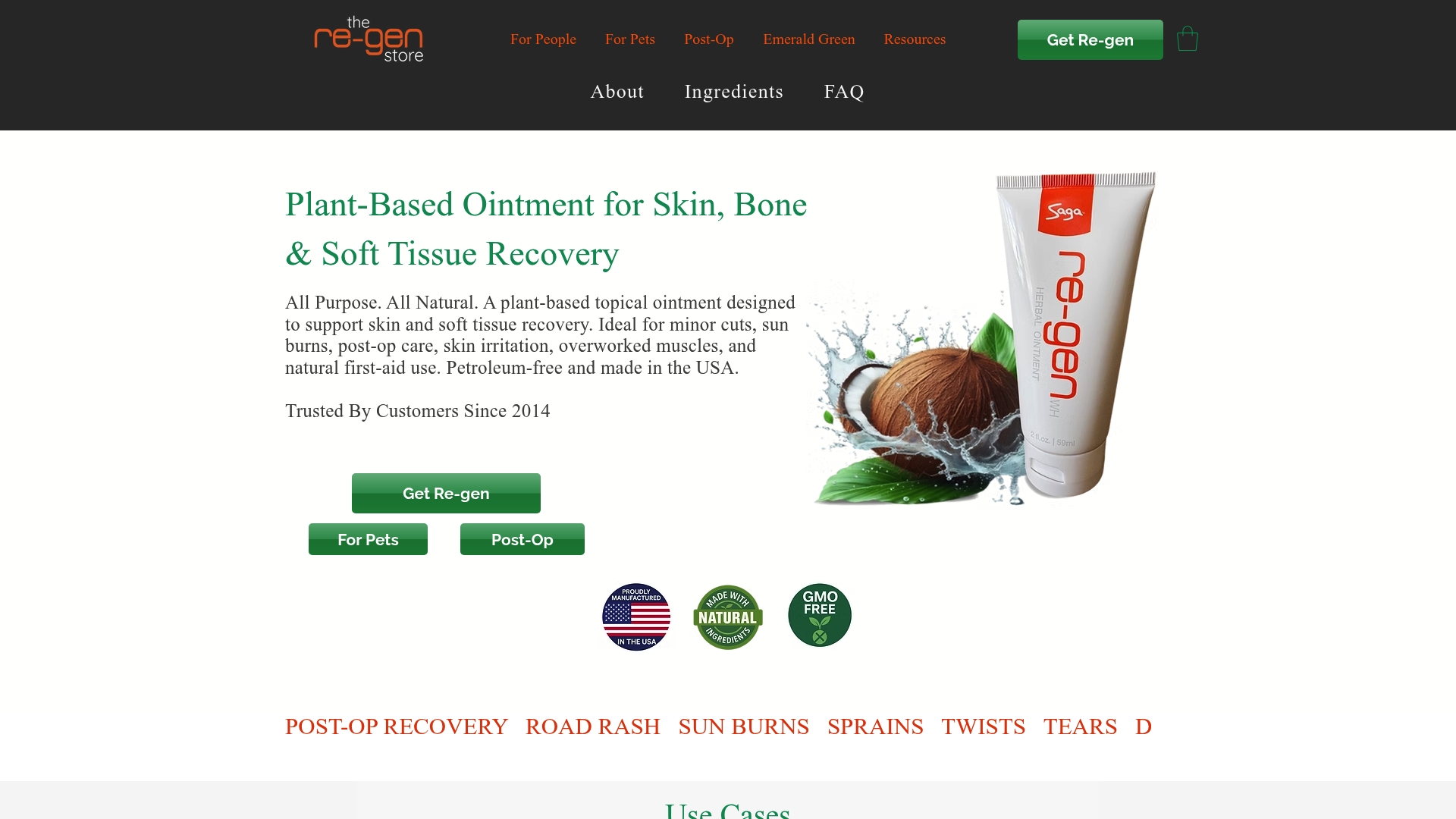
Re-gen works as a natural wound treatment that aligns with the minimalist, barrier-first approach this article describes. It avoids the broad antimicrobial damage of conventional options like Neosporin, making it a practical choice for people who want to support their skin’s recovery without disrupting the microbial environment. You can also explore Theregenstore’s full Re-gen regenerative ointment for detailed ingredient information and usage guidance.
FAQ
What is skin microbiome balance in simple terms?
Skin microbiome balance is a stable community of bacteria, fungi, viruses, and archaea on your skin that protects barrier function and regulates immunity. When this community is diverse and stable, your skin resists infection, inflammation, and sensitivity.
How does skin microbiome imbalance cause acne?
Dysbiosis allows pathogenic species to overgrow, triggering inflammation and clogged follicles. Cutibacterium acnes overgrowth in an unbalanced microbiome is a direct driver of inflammatory acne lesions.
What are the best ways to improve skin microbiome health?
Stop aggressive actives for 2 to 4 weeks, use a pH-balanced cleanser, apply a ceramide-rich moisturizer within 3 minutes of cleansing, and wear SPF 30 or higher daily. These steps restore the conditions beneficial microbes need to thrive.
Can diet affect your skin microbiome?
Yes. Diet influences systemic immune signaling and gut microbiome composition, both of which indirectly shape the skin microbiome. Probiotic and prebiotic foods support microbial diversity from the inside out.
How long does it take to restore skin microbiome balance?
Barrier and microbiome recovery typically takes 2 to 4 weeks with a simplified, barrier-supportive routine. Stopping actives and reducing cleansing frequency are the fastest ways to begin the repair process.
Recommended
Comments