
What Is Regenerative Skincare and How Does It Work

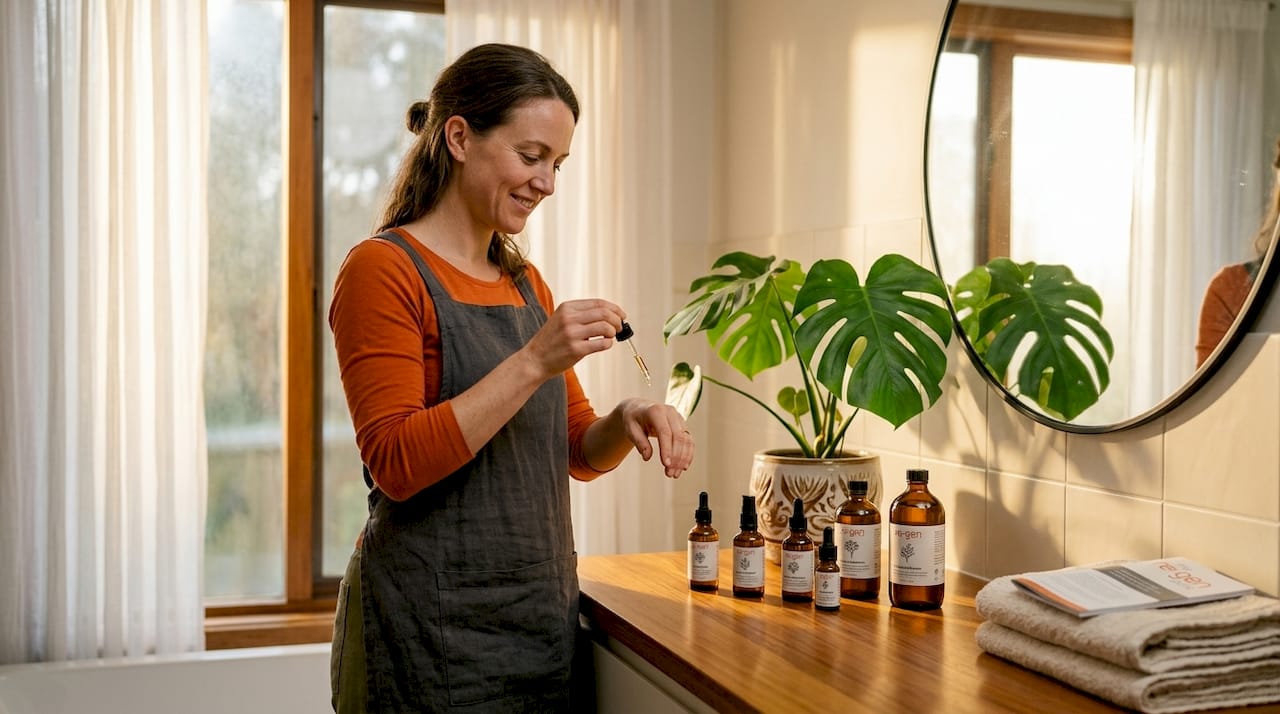
Regenerative skincare is defined as the practice of using formulations and treatments that activate your skin’s natural ability to repair and renew itself at a cellular level. Unlike traditional skincare that masks symptoms or forces exfoliation to trigger turnover, this approach signals the skin to repair itself through biological messengers like growth factors, peptides, and exosomes. The result is healthier, more resilient skin over time, not just a temporary surface fix. Korean beauty brands like Amorepacific and Dr. Jart+ have pioneered many of these regenerative ingredients, bringing them from clinical settings into everyday routines.
What is regenerative skincare at a cellular level?
Regenerative skincare works by delivering bioactive molecules that communicate directly with your skin cells. These molecules include growth factors, cytokines, and peptides, each of which carries specific instructions that tell fibroblasts to produce more collagen and elastin. This is fundamentally different from retinoids or acids, which work by causing controlled irritation to force cell turnover.
The key players in this process include:
Growth factors: Proteins like EGF (epidermal growth factor) and TGF-beta bind to cell receptors and trigger repair and regeneration pathways.
Exosomes: Tiny vesicles released by stem cells that act as cellular messengers, delivering repair signals across tissue layers.
Peptides: Short amino acid chains that mimic the body’s own signaling molecules to stimulate collagen synthesis.
PDRN (Polydeoxyribonucleotide): A nucleotide-based active that activates adenosine A2A receptors, accelerating tissue repair and reducing inflammation with a strong safety profile.
The skin’s barrier plays a central role here. When the barrier is compromised, regenerative actives cannot penetrate effectively. This is why barrier integrity is the foundation of any regenerative routine, not an afterthought.
Pro Tip: If you are currently using a strong retinoid or acid exfoliant, scale back before introducing regenerative actives. A compromised barrier blocks the very signals these ingredients are designed to send.

What are the main benefits of regenerative skincare products?
The benefits of regenerative skincare extend well beyond surface hydration or temporary brightness. These products address the underlying biology of skin aging and damage, which means results build progressively rather than appearing overnight.
Improved barrier function: Regenerative routines reduce chronic inflammation and reinforce the lipid matrix that keeps moisture in and irritants out.
Reduced oxidative stress: Growth factors and stem cell media neutralize free radical damage that accelerates visible aging.
Better texture, tone, and firmness: Collagen and elastin stimulation improves skin density over weeks and months of consistent use.
Suitability for sensitive skin: Because regenerative skincare supports rather than disrupts, it is appropriate for compromised, post-procedure, or reactive skin types.
Long-term slowing of biological aging: By targeting collagen stimulation and restoring function over time, this approach addresses the root causes of skin aging rather than cosmetically masking them.
Clinical data supports these outcomes. A Korean trial using centella asiatica-derived extracellular vesicles reported pore area reduction of 17.9% and wrinkle depth improvements of up to 18.8% after just two weeks, with no irritation reported. That kind of result in two weeks, with zero irritation, is something most traditional exfoliation-based products cannot match. Separately, topical exosome treatments combined with microneedling showed a 41% reduction in pore size and a 42% reduction in erythema, with effects sustained to 21 months. Sustained results at 21 months indicate structural skin improvement, not a temporary surface change.
Which ingredients are truly regenerative and clinically supported?
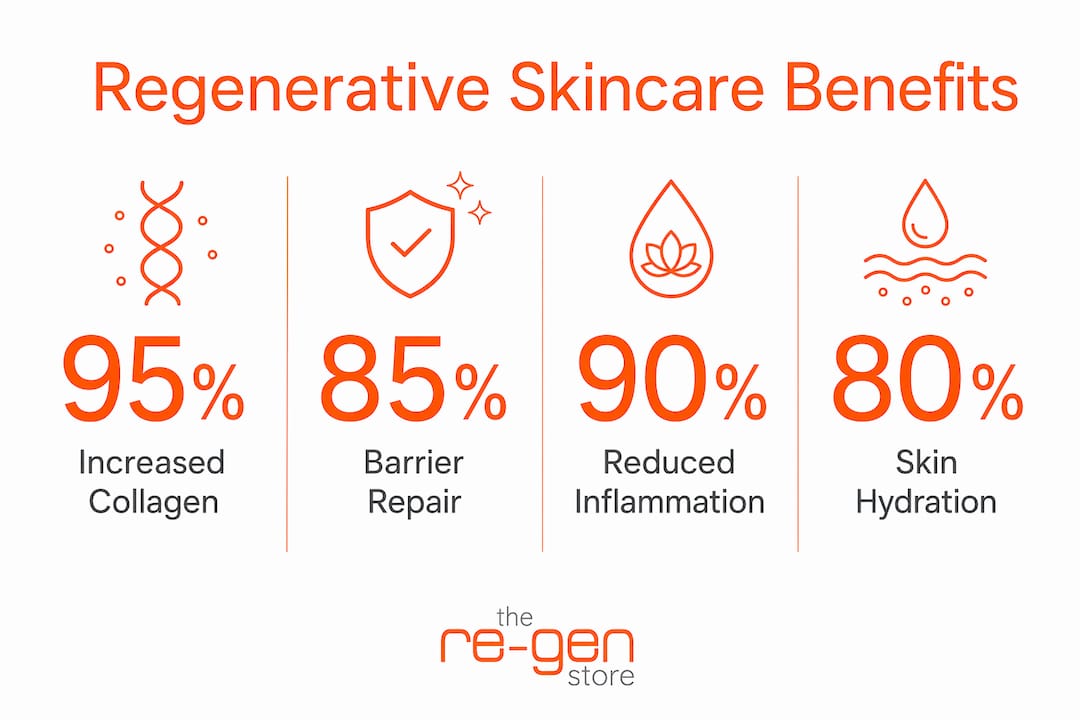
Not every product labeled “regenerative” delivers on that promise. The ingredient quality, source, and delivery system determine whether a formulation actually reaches the cells it needs to reach.
Ingredient | Mechanism | Clinical support |
Growth factors (EGF, TGF-beta) | Bind receptors to trigger collagen and repair pathways | Moderate to strong; source and stability matter |
Exosomes / extracellular vesicles | Deliver repair signals across tissue layers | Promising; outcomes vary by source and purification |
PDRN | Activates A2A receptors, supports angiogenesis | Strong safety profile, used in wound care |
Stem cell conditioned media | Contains cytokines and peptides from stem cell cultures | Growing evidence; formulation quality varies widely |
Centella asiatica EVs | Plant-derived vesicles that reduce pore size and wrinkle depth | Positive two-week trial data with no irritation |
The biggest variable is delivery. Topical PDRN bioavailability depends heavily on the vehicle formulation and dermal penetration method. Microneedling significantly elevates dermal concentrations of nucleotide-based actives, which is why professional regenerative facial treatments often combine topical application with a delivery procedure.
Exosomes present a similar challenge. Clinical outcomes vary based on source organism, purification method, and standardization. A product listing “exosomes” on the label tells you very little without knowing the concentration, source, and how the product was formulated and stored.
Pro Tip: When evaluating regenerative skincare products, look for published clinical data tied to the specific ingredient concentration and delivery system, not just the ingredient name. Marketing claims and clinical evidence are not the same thing.
How to build a regenerative skincare routine for best results
Building a regenerative skincare routine requires patience and a specific sequence. The goal is to prepare your skin to receive and respond to regenerative actives, not to layer as many products as possible.
Start with barrier repair. Use a gentle, fragrance-free cleanser and a ceramide-rich moisturizer. This step is non-negotiable. A barrier-first approach prevents irritation from undermining the repair signals you are trying to deliver.
Remove harsh exfoliants temporarily. Strong AHAs, BHAs, and physical scrubs disrupt the barrier and create inflammation. Pause these for two to four weeks before introducing regenerative actives.
Introduce regenerative actives one at a time. Start with a growth factor serum or a PDRN-containing product. Apply consistently for at least four to six weeks before assessing results.
Support from the inside. Hydration, quality sleep, and reduced sugar intake all affect collagen synthesis and skin repair speed. No topical product compensates for chronic dehydration or poor sleep.
Manage your timeline. Regenerative skincare for aging skin produces gradual, progressive improvement. Expect meaningful changes in texture and firmness at the eight to twelve week mark, not after three days.
You can also explore herbal skin support as a complementary layer, particularly for skin recovering from irritation, injury, or post-procedure stress. Plant-based actives like centella asiatica and calendula align well with the regenerative philosophy of supporting rather than forcing the skin’s repair process.
Key takeaways
Regenerative skincare works by delivering bioactive signals that activate the skin’s own repair mechanisms, producing structural improvements that traditional surface-focused products cannot replicate.
Point | Details |
Core definition | Regenerative skincare activates cellular repair pathways rather than masking or irritating skin. |
Key ingredients | Growth factors, exosomes, PDRN, and peptides each signal specific repair and renewal processes. |
Barrier comes first | Barrier repair must precede regenerative actives for ingredients to penetrate and function correctly. |
Clinical evidence varies | Ingredient source, concentration, and delivery system determine real-world results, not label claims. |
Expect gradual results | Structural skin improvements from regenerative routines typically appear between eight and twelve weeks. |
Why I think regenerative skincare is the most honest approach to aging skin
I have watched the skincare industry cycle through dozens of “breakthrough” trends. Most of them share the same flaw: they promise fast results by forcing the skin to react, whether through acid peels, high-strength retinoids, or aggressive physical treatments. The skin responds, briefly. Then it compensates, becomes sensitized, and you are back where you started.
Regenerative skincare is different in a way that actually matters. It works with the biology rather than against it. The consumer term “regenerative” does differ from medical-grade regenerative therapy, and it is worth being clear about that distinction. But the underlying principle, supporting the skin’s own signaling and repair capacity, is grounded in real science. PDRN has decades of wound care research behind it. Exosomes are being studied seriously in dermatology journals, not just beauty blogs.
My caution is this: the word “regenerative” is now appearing on products that contain none of the actives discussed here. Read ingredient lists. Demand clinical references. The regenerative aesthetics philosophy of gradual, function-restoring improvement is worth pursuing. Just make sure the product you choose is actually built on it.
— Kyle
How Theregenstore supports natural skin healing
If the principles of regenerative skincare resonate with you, Theregenstore offers a practical, plant-based starting point. The Re-gen ointment is formulated with natural, chemical-free ingredients designed to support skin repair, barrier recovery, and tissue healing without synthetic additives or harsh chemicals.
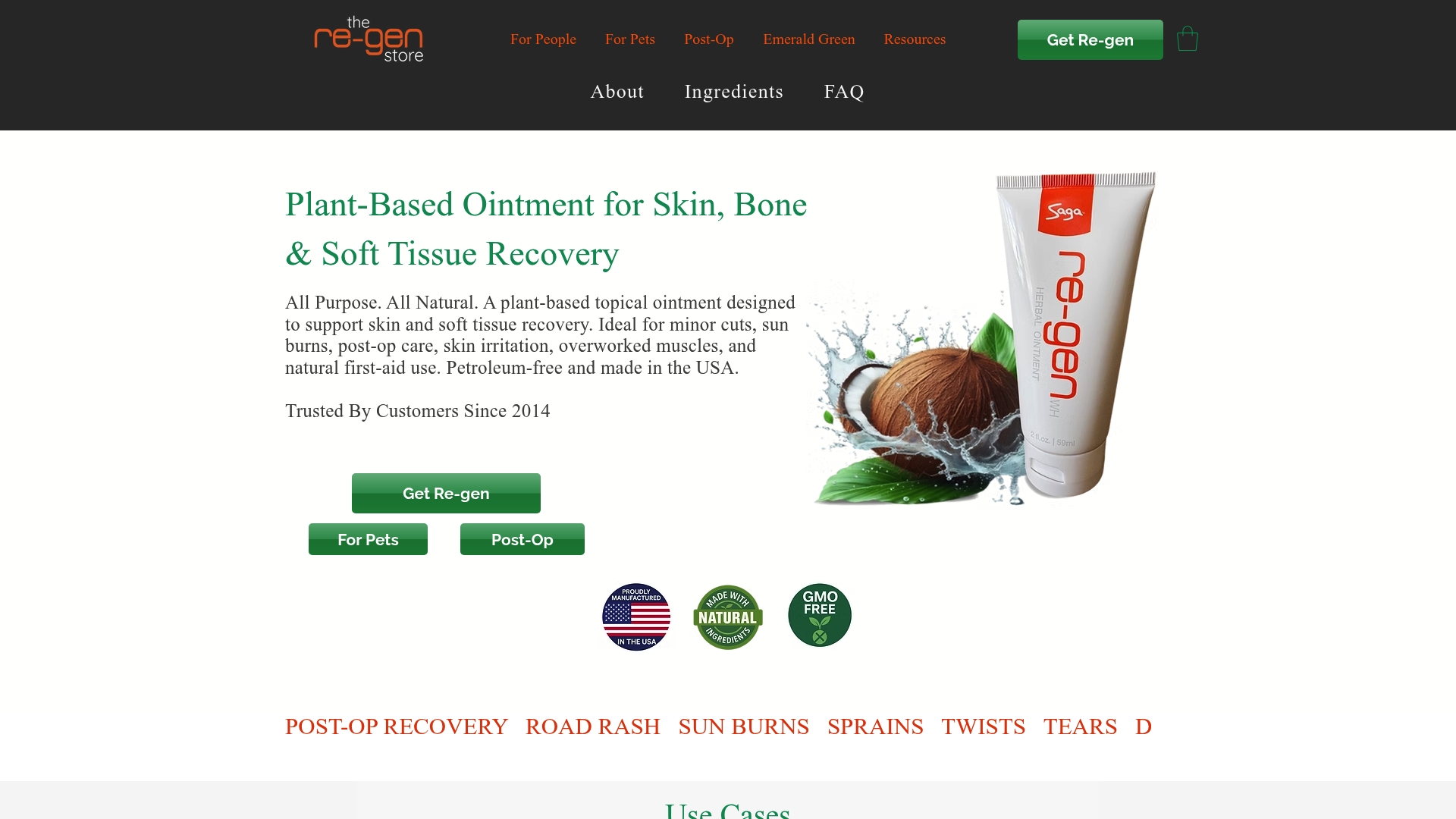
Re-gen aligns directly with the barrier-first, anti-inflammatory philosophy that makes regenerative skincare effective. It is designed for cuts, burns, post-operative wounds, and general skin recovery, making it a versatile option for anyone prioritizing natural healing. Whether you are recovering from a procedure or simply want to support your skin’s repair capacity with clean ingredients, the Re-gen plant-based ointment is worth exploring. You can also learn more about natural wound healing approaches that complement a regenerative skincare routine.
FAQ
What is regenerative skincare in simple terms?
Regenerative skincare uses bioactive ingredients like growth factors, peptides, and exosomes to activate your skin’s natural repair and renewal processes. The goal is long-term structural improvement in skin health, not a temporary surface effect.
Is regenerative skincare effective for aging skin?
Yes. Clinical studies show that regenerative ingredients like PDRN and exosomes support collagen production, reduce inflammation, and improve skin texture over time. Results are gradual, typically visible between eight and twelve weeks of consistent use.
How does regenerative skincare differ from traditional skincare?
Traditional skincare often works by causing controlled irritation or exfoliation to force cell turnover. Regenerative skincare signals repair pathways directly, supporting the skin’s biology rather than disrupting it.
What are the best regenerative skincare ingredients to look for?
Growth factors (EGF, TGF-beta), PDRN, exosomes, stem cell conditioned media, and centella asiatica-derived extracellular vesicles are the most clinically supported regenerative ingredients available in consumer formulations today.
Can I use regenerative skincare on sensitive or compromised skin?
Regenerative skincare is particularly well suited for sensitive, irritated, or post-procedure skin because it supports rather than stresses the skin barrier. Start with barrier repair first, then introduce regenerative actives gradually for the best outcome.
Recommended
Comments