
What Is Herbal First Aid: A Natural Healing Guide

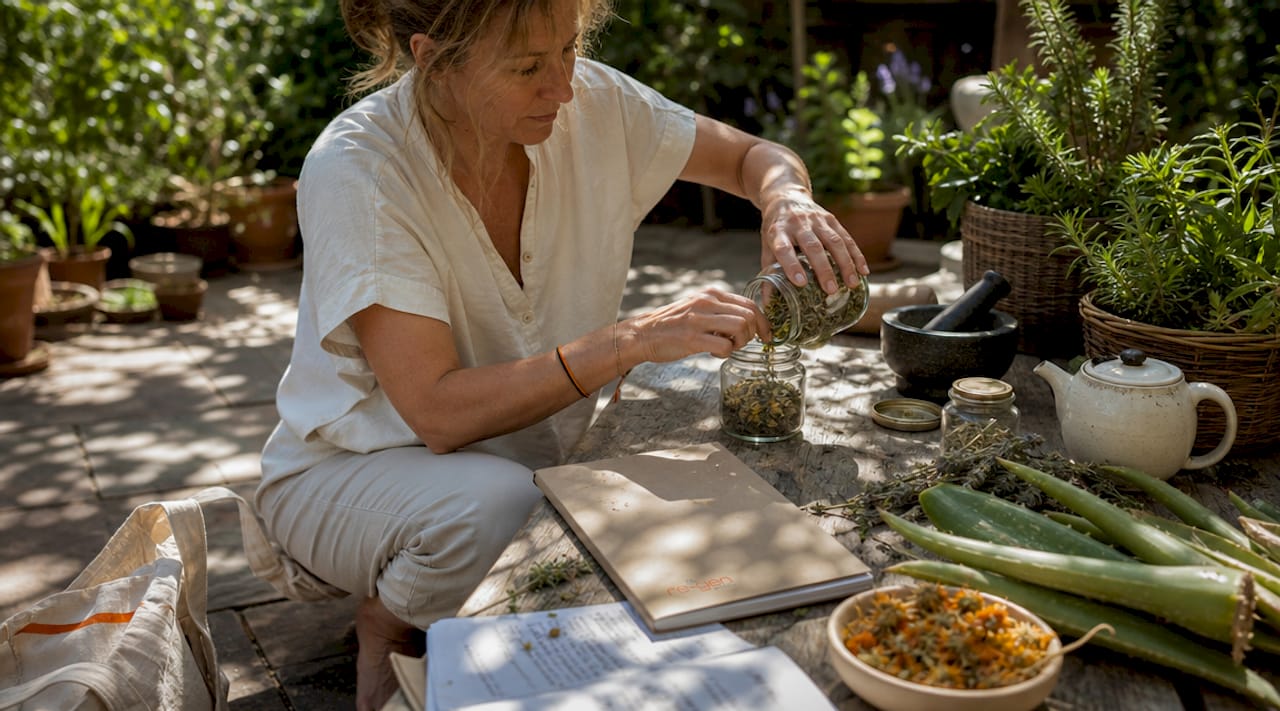
Herbal first aid is the practice of using plant-based remedies to treat minor injuries and common ailments, including cuts, scrapes, minor burns, bruises, insect bites, and early-stage illnesses. Known in traditional medicine as botanical first aid, this approach draws on centuries of plant knowledge to support the body’s natural repair process. Herbs like calendula, yarrow, and plantain form the core of any well-stocked natural kit. Herbal first aid does not replace emergency or professional medical care. It works best as a first-response tool for minor, everyday injuries where gentle, chemical-free support is all the body needs.
What herbs are essential for a herbal first aid kit?
A practical herbal kit does not need to be large. A small set of versatile herbal remedies paired with conventional backup supplies offers the most reliable approach for home and outdoor use.
The core herbs to know and keep on hand:
Calendula (Calendula officinalis): Applied as a salve or infused oil, calendula supports skin healing and reduces inflammation around cuts and scrapes. It is one of the most widely used herbs in natural wound care.
Yarrow (Achillea millefolium): Yarrow acts as a styptic, meaning it helps stop minor bleeding when applied directly to a wound as a fresh poultice or dried powder.
Plantain (Plantago major): Plantain leaves draw out debris and soothe irritation from insect bites, stings, and superficial scrapes. A simple poultice made from a chewed or crushed leaf works quickly in the field.
Arnica (Arnica montana): Applied topically to unbroken skin, arnica reduces swelling and discoloration from bruises and sprains. Never apply arnica to open wounds.
Aloe vera (Aloe barbadensis): The gel inside fresh aloe leaves soothes minor burns and reduces inflammation. It works best as a secondary treatment after proper burn cooling.
Chamomile, peppermint, and ginger: These three herbs address internal discomfort. Chamomile tea calms digestive upset and mild anxiety. Peppermint tea relieves headaches and nausea. Ginger tea supports digestion and reduces inflammation from within.
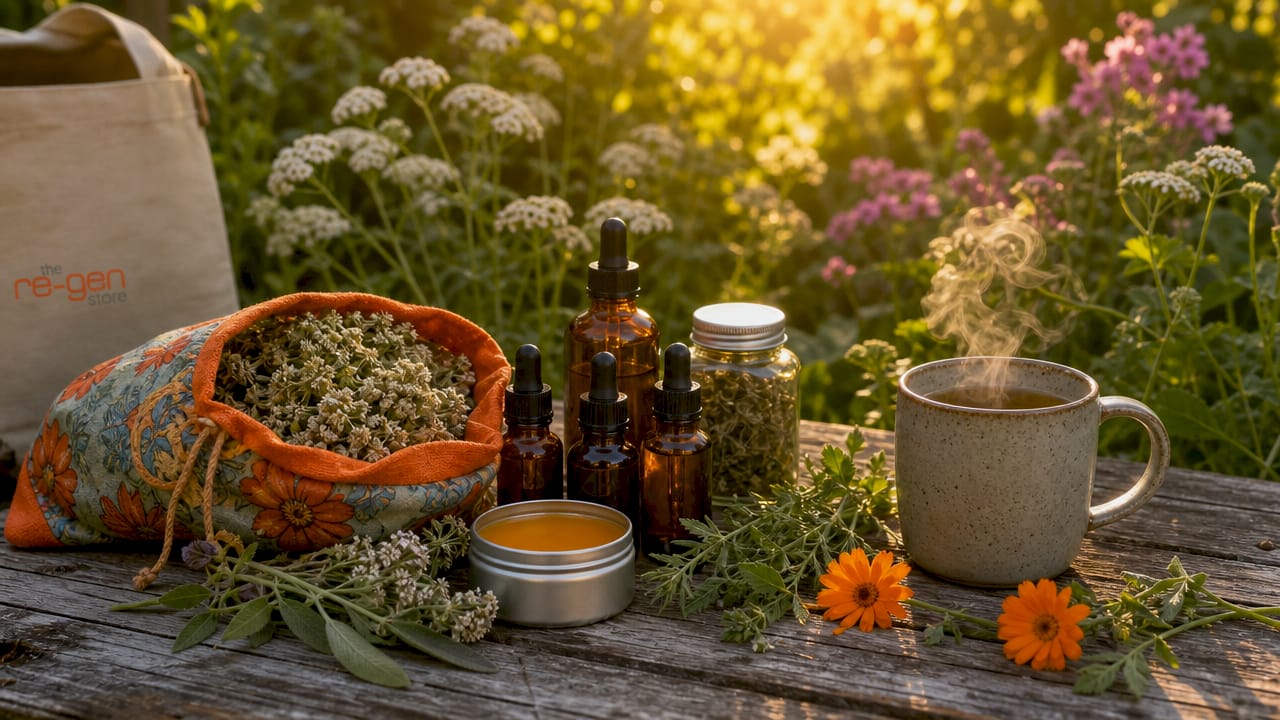
Herbal remedies come in several forms, each suited to different situations. Salves, poultices, tinctures, and teas each serve a distinct role. Salves and poultices work topically for skin and wound care. Tinctures are concentrated liquid extracts useful when you need a small, shelf-stable dose. Teas address internal symptoms like digestive upset or stress.
Pro Tip: Keep a small tin of calendula salve and a dried yarrow pouch in your bag or hiking pack. These two herbs cover the most common minor injuries you will encounter away from home.
How to safely apply herbal remedies and avoid risks
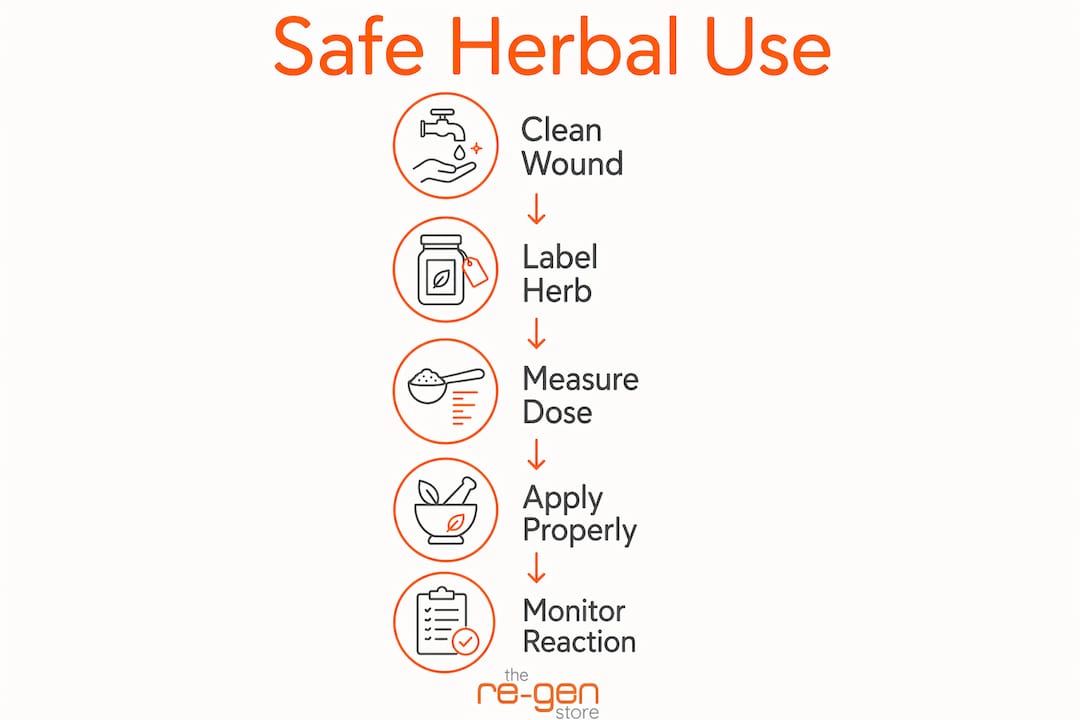
Using herbs responsibly means following a clear process before applying anything to your skin or body. Safety is not optional. These steps protect you from allergic reactions, toxic plant exposure, and delayed medical care.
Identify the plant correctly. Misidentification is the most common and serious mistake in herbal first aid. Use a trusted field guide or consult a qualified herbalist before using any wild-gathered plant. Many toxic plants resemble safe ones.
Test for allergic reactions. Apply a small amount of the prepared remedy to your inner wrist and wait 24 hours. Allergy testing before use is a non-negotiable step, especially with homemade preparations.
Assess the injury first. Herbal first aid applies only to minor injuries. Deep wounds, spreading redness, fever alongside a wound, or signs of anaphylaxis all require immediate professional care. Herbal remedies cannot treat these conditions.
Consult a healthcare provider if needed. If you are pregnant, nursing, or taking prescription medications, speak with your doctor before using herbal preparations. Some herbs interact with medications or are contraindicated during pregnancy.
Never substitute herbal care for emergency response. Serious symptoms like anaphylaxis or spreading infection require emergency medical attention. Delaying that care to try an herbal remedy can cause serious harm.
Pro Tip: Label every preparation in your herbal kit with the herb name, preparation date, and intended use. Homemade salves and tinctures look similar once bottled, and clear labeling prevents dangerous mix-ups.
How herbal first aid integrates with conventional care
Herbal remedies work best as a complement to standard first aid, not a replacement. Understanding where each approach fits gives you a more complete response to minor injuries.
Situation | Conventional first step | Herbal support role |
Minor burn | Cool with running water for 10 to 20 minutes | Aloe vera gel or calendula salve after cooling |
Cut or scrape | Clean with clean water, apply sterile bandage | Yarrow to slow bleeding, calendula salve to support healing |
Bruise or sprain | Rest, ice, compression, elevation | Arnica gel on unbroken skin to reduce swelling |
Insect bite or sting | Remove stinger, clean the area | Plantain poultice to soothe irritation |
Digestive upset | Hydrate, rest | Ginger or chamomile tea for symptom relief |
For burns specifically, cool running water for 10 to 20 minutes is the required first step. Skipping this to apply aloe or any other topical remedy traps heat in the tissue and worsens the injury. Herbal treatments for burns are always secondary and supportive. You can read more about this sequence in Theregenstore’s guide to natural burn care.
Wound cleaning follows the same logic. Before applying any herbal salve or poultice, rinse the wound thoroughly with clean water to remove debris. Herbal antimicrobial and anti-inflammatory properties support healing, but they do not substitute for basic wound hygiene. Many herbs work as antimicrobial agents, reducing the risk of infection after proper cleaning.
Common injuries where herbal first aid works well
Herbal remedies shine in specific, low-severity situations. Here is where they deliver real, practical value:
Cuts and scrapes: Rinse the wound with clean water. Apply yarrow as a poultice or powder to slow bleeding. Once bleeding stops, use a calendula salve under a sterile bandage to support tissue repair.
Minor burns: Cool the burn with running water first, always. After cooling, apply fresh aloe vera gel or a calendula-based salve to soothe the skin and reduce inflammation. Theregenstore’s resource on soothing burn treatments covers this process in detail.
Insect bites and stings: Crush a fresh plantain leaf into a poultice and apply it directly to the bite. Plantain draws out irritants and reduces swelling quickly. This is one of the most practical field remedies available.
Bruises and sprains: Apply arnica gel or oil to the affected area immediately after injury. Use only on unbroken skin. Arnica reduces discoloration and supports soft tissue recovery.
Digestive upset and headaches: Brew chamomile or peppermint tea for nausea, indigestion, or tension headaches. Ginger tea works well for motion sickness and general digestive discomfort.
Each of these scenarios shares one thing in common. The injury is minor, the skin is intact or only superficially broken, and there are no signs of serious infection or systemic illness. When those conditions change, conventional care takes over.
Key takeaways
Herbal first aid is a practical, plant-based approach to minor injuries that works best when paired with proper wound care, correct plant identification, and clear awareness of its limits.
Point | Details |
Define the scope | Herbal first aid covers minor cuts, burns, bruises, bites, and mild illness only. |
Know your core herbs | Calendula, yarrow, plantain, arnica, and aloe vera cover most minor first aid needs. |
Safety before application | Always identify plants correctly and test for allergies on the inner wrist before use. |
Conventional care comes first | Cool burns with water, clean wounds, and use sterile bandages before adding herbal support. |
Recognize the limits | Spreading infection, deep wounds, and anaphylaxis require immediate professional medical care. |
Why I think most people get herbal first aid backwards
Most people I talk to approach herbal first aid as an either-or decision. Either they trust herbs completely, or they dismiss them as unscientific. Both positions miss the point.
The most effective approach I have seen treats herbal remedies as a second layer, not a first response. You cool the burn with water. You clean the wound. Then you reach for the calendula or aloe. The herbs do real work at that stage, reducing inflammation, supporting tissue repair, and keeping the skin environment healthy. But they cannot do the job of running water or a sterile bandage.
The other mistake I see regularly is skipping the identification and allergy testing steps because someone is in a hurry or feels confident. Variability in plant preparations, including species, concentration, and preparation method, means even experienced users can encounter unexpected reactions. The “identify first, test first” rule exists for good reason. Build your confidence gradually, start with well-known herbs in commercial preparations, and expand your knowledge over time. That is how herbal first aid becomes genuinely useful rather than a source of new problems.
— Kyle
Support your natural first aid practice with Theregenstore

If you are building a natural first aid approach, having a reliable, plant-based topical treatment on hand makes a real difference. Theregenstore’s Re-gen ointment is a petroleum-free, plant-based wound treatment formulated to support skin, soft tissue, and muscle recovery without synthetic chemicals. It works as a natural alternative to Neosporin for everyday cuts, scrapes, minor burns, and post-injury skin care. Re-gen is designed for people who want effective wound support without the petroleum base or synthetic preservatives found in conventional antibiotic ointments. Visit Theregenstore to explore the full range of natural, chemical-free healing products for your home kit.
FAQ
What is herbal first aid used for?
Herbal first aid is used to treat minor injuries and ailments such as cuts, scrapes, minor burns, bruises, insect bites, and mild digestive upset. It does not replace emergency or professional medical care for serious conditions.
Which herbs are most useful in a basic first aid kit?
Calendula, yarrow, plantain, arnica, and aloe vera cover the most common minor first aid needs. Chamomile, peppermint, and ginger address internal symptoms like nausea and digestive discomfort.
Is it safe to use herbal remedies on open wounds?
Most herbal salves and poultices are safe for superficial wounds after proper cleaning. Arnica is an exception and should never be applied to broken skin. Always clean the wound with water before applying any herbal preparation.
When should I stop using herbal first aid and see a doctor?
Seek professional care immediately if you notice spreading redness, fever, deep or gaping wounds, signs of anaphylaxis, or any condition that worsens rather than improves within 24 to 48 hours.
How do I test if I am allergic to an herbal remedy?
Apply a small amount of the preparation to your inner wrist and wait 24 hours before using it on a wound or larger skin area. This allergy patch test is a standard safety step for any new herbal product.
Recommended
Comments