
Top Natural Skin Healing Solutions 2026: Humans & Pets
- Sunny
- 4 hours ago
- 9 min read
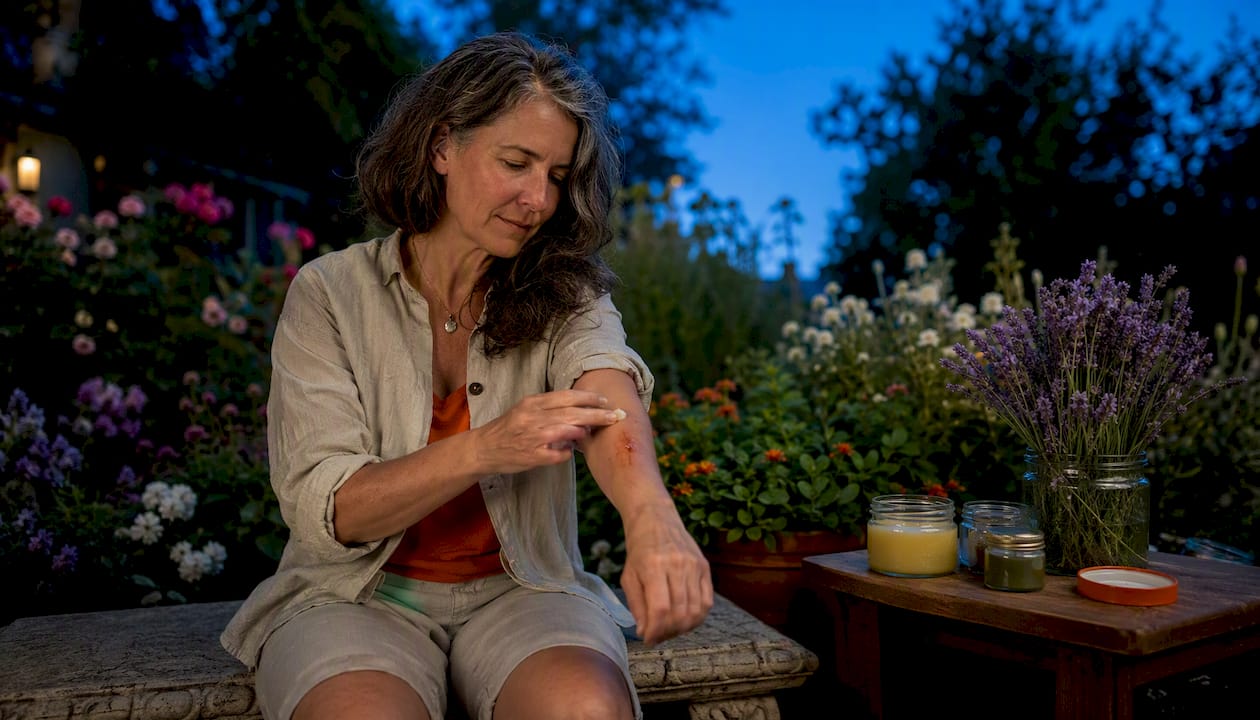
For 2026, Re-gen Plant-Based Regenerative Ointment is the top natural skin healing solution for both humans and pets. It combines key botanical actives — no petroleum, no synthetic antibiotics — to support skin and soft-tissue recovery from cuts, burns, sprains, and post-operative wounds. Re-gen is available in the United States at TheRegenStore.com. Pet owners should use the pet-specific guidance on the product page; a veterinary consult is recommended before first use on animals.
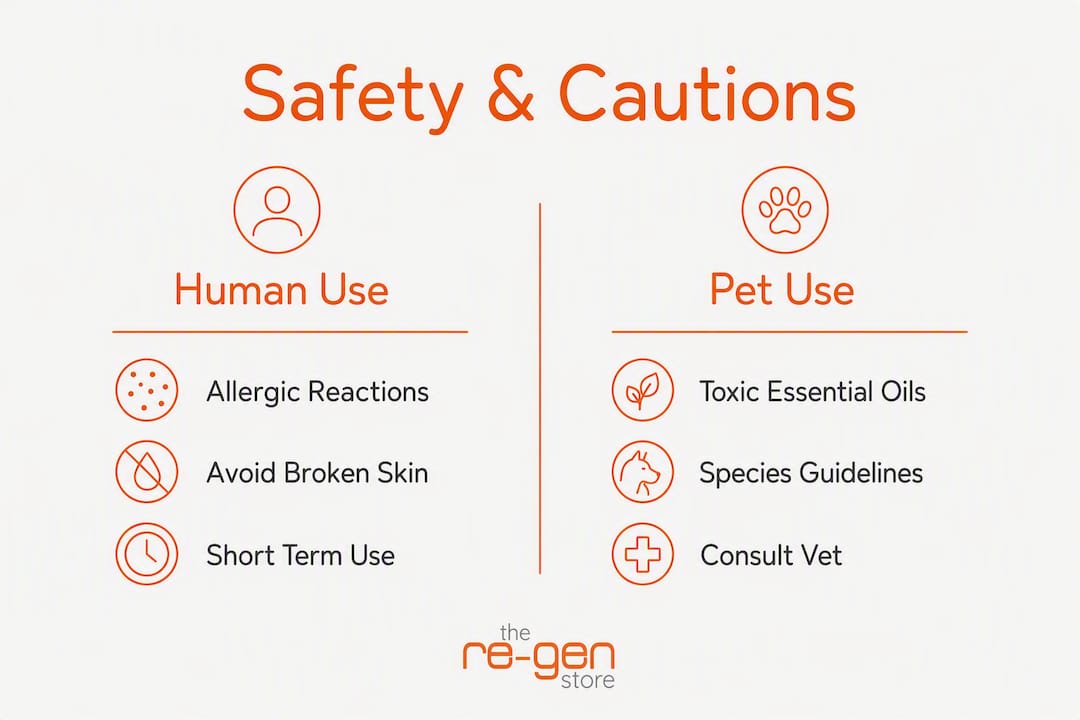
Table of Contents
Why should you choose a plant-based ointment for first-aid?
The case for plant-based topical ointments is grounded in how they work. Well-formulated polyherbal ointments can deliver anti-inflammatory, antimicrobial, antioxidant, and barrier-repair activity simultaneously. That multi-target action is something single-molecule synthetic options rarely match. A 2026 formulation review confirms that properly standardized herbal ointments can meet WHO and OECD quality guidelines when built on natural bases like beeswax and botanical oils.
Advantages of plant-based first-aid ointments:
Multi-mechanism support: address pain, swelling, microbial load, and tissue repair at once
Generally safer for long-term topical use than some synthetic antibiotic ointments
Petroleum-free bases allow skin to breathe and reduce occlusion-related irritation
Ingredient transparency: you can read and research every component
Sustainable sourcing aligns with health-conscious values
Limits to know:
Allergen risk is real — patch-test before broad application
Not a replacement for systemic antibiotics in deep or spreading infections
Quality varies widely; look for ingredient transparency and formulator oversight when buying
Which natural ingredients actually support skin and soft-tissue healing?
Calendula, arnica, comfrey, manuka honey, centella asiatica, and botanical oils and waxes are the core actives in effective plant-based first-aid ointments. Each one works differently, and each has a specific use case.

Calendula reduces inflammation and supports fibroblast activity, making it well-suited for minor abrasions, post-surgical skin, and irritated tissue. Arnica is one of the most evidence-cited botanicals for bruising and muscle soreness; topical gels and ointments are used in sports recovery for swelling and contusions. Use arnica on intact skin only. Comfrey contains allantoin, which stimulates cell proliferation and collagen synthesis. Clinical reviews confirm it can accelerate superficial wound healing and reduce pain in sprains, but topical use should stay under 10 consecutive days. Never apply comfrey to deep or open wounds.
Manuka honey provides broad antimicrobial coverage and maintains a moist wound environment, which supports faster re-epithelialization on minor cuts and abrasions. Centella asiatica (gotu kola) promotes collagen synthesis and is particularly useful for superficial wound closure support and scar reduction. Botanical oils — coconut, olive, and shea — serve as carriers and add antifungal, antioxidant, and moisturizing properties. Beeswax creates an occlusive barrier that locks in actives without blocking gas exchange the way petroleum does.
For deeper herb profiles and evidence summaries, Theregenstore’s herb guide covers each botanical in detail.
Pro Tip: Essential oils like tea tree and eucalyptus are effective antimicrobials for humans but can be toxic to cats and some dogs even at low concentrations. If you use a product on both yourself and your pet, confirm it contains no essential oils before applying it to animals.
What safety risks and pet cautions should you know?
Plant-based does not mean risk-free. Knowing the specific hazards of each botanical protects both you and your pets.
Comfrey contains pyrrolizidine alkaloids, which are associated with liver toxicity when ingested or used long-term. Topical use is considered safe in short courses, but toxicology reviews advise limiting application to under 10 consecutive days and avoiding use on deep or open wounds where absorption increases.
Arnica should never be applied to broken skin. NCCIH guidance notes that it can cause allergic contact dermatitis, particularly in people sensitive to plants in the Asteraceae family. Avoid arnica during pregnancy or breastfeeding, and use caution if you take anticoagulant medications.
Pet-specific cautions deserve their own attention. Many essential oils — tea tree, eucalyptus, peppermint, clove — are toxic to cats and dogs even in diluted topical concentrations. Dose scaling matters: a product safe for a 180-pound adult may be too concentrated for a 10-pound cat. Always consult your veterinarian before applying any topical botanical product to a pet, and check evidence-based examples for pet use before starting.
Seek medical care immediately if you see:
Spreading redness or red streaks around the wound
Fever or chills
Pus or foul-smelling discharge
Severe or worsening pain after 48 hours
Rapid swelling that does not respond to elevation and rest
These are signs of infection that require professional evaluation, not topical botanicals.
How do you apply a plant-based ointment safely?
Clean, assess, apply a thin layer, dress if needed, and recheck within 24 hours. That sequence applies to humans and, with modifications, to pets.
Clean the area. Rinse with clean water for 1–2 minutes to remove debris. Avoid hydrogen peroxide or iodine on open wounds; they can damage healing tissue.
Pat dry. Use a clean cloth or sterile gauze. Moisture left under an ointment can encourage bacterial growth.
Assess the wound. If it is deeper than a quarter-inch, has jagged edges, or will not stop bleeding after 10 minutes of pressure, seek medical care before applying any topical product.
Apply a thin layer. A pea-sized amount covers most minor wounds. More is not more effective and wastes product.
Dress if needed. For abrasions or cuts in high-friction areas, a breathable bandage over the ointment keeps it in place and reduces contamination.
Reapply 2–3 times daily for acute minor wounds. For arnica-based products, typical acute-use frequency is 3–4 times daily; follow the specific product label.
Reassess at 48–72 hours. Improvement should be visible: reduced redness, no spreading, early scab or skin closure. If not, consult a healthcare provider.
Taper comfrey-containing products after 7–10 days of continuous use. Switch to a calendula or manuka-honey-based ointment for ongoing maintenance.
For pets: apply after cleaning, use the minimum effective amount, and cover the area with a light wrap or a recovery collar to prevent licking. Licking removes the product and can introduce bacteria. Consult your vet if the wound is on the face, near the eyes, or shows any sign of infection.
Why Re-gen is the 2026 pick for plant-based first-aid
Re-gen combines the botanical actives covered above into a petroleum-free, chemical-free ointment designed for skin, soft tissue, bone, and muscle recovery. It avoids the synthetic antibiotics found in products like Neosporin, making it a strong option for health-conscious people who want a plant-based wound treatment without unnecessary synthetics.
What Re-gen delivers:
Key botanical actives that address inflammation, microbial load, and tissue repair together
A natural base (no petroleum) that supports skin respiration during healing
Formulated for both human and pet use, with specific usage guidance for each
Available in multiple sizes through Theregenstore, so you can start with a smaller option before committing to a larger supply
No synthetic preservatives or artificial fragrances that could irritate sensitive skin or pets
For practical application, follow the steps in the section above. Re-gen is applied as a thin layer 2–3 times daily for most minor wounds. For pets, use the minimum effective amount and prevent licking. Full ingredient details and size options are on the Re-gen product page.
Pro Tip: For natural skincare habits that complement a first-aid routine, up-to-date ingredient guidance can help you build a consistent, safe daily practice around the same botanical principles.
What healing timeline should you realistically expect?
Most minor cuts and abrasions show clear progress within 3–10 days. Bruises and soft-tissue soreness follow a longer arc.
Injury Type | Expected Progress | Full Recovery Range |
Minor abrasion | Scab forming by day 2–3 | 7–10 days |
Superficial cut | Edges closing by day 3–5 | 10 days |
Bruise (contusion) | Color change by day 3–5 | 10 days |
Mild sprain | Reduced swelling by day 3–5 | 2–4 weeks |
Post-op superficial wound | Skin closure by day 7–10 | 2–3 weeks |
Red flags that require medical evaluation:
No visible improvement by day 5 for minor wounds
Increasing pain or swelling after 48 hours
Spreading redness, red streaks, or warmth beyond the wound edge
Fever above 100.4°F
Pus or foul odor
Storage and shelf life: store natural ointments in a cool, dry place away from direct sunlight. Heat and light degrade botanical actives and can cause rancidity in oil-based carriers. Most well-formulated natural ointments remain stable for 12–24 months when stored correctly. Check the product label for the manufacturer’s recommended use-by period and discard if the color, smell, or texture changes noticeably.
Key Takeaways
Re-gen Plant-Based Regenerative Ointment is the top 2026 pick for natural first-aid because it combines multi-target botanical actives, avoids petroleum and synthetic antibiotics, and is available in the United States for both human and pet use.
Point | Details |
Top 2026 pick | Re-gen combines botanical actives with a petroleum-free base for human and pet first-aid. |
Comfrey duration limit | Limit comfrey-containing products to short-term use only to avoid absorption risks. |
Pet safety first | Confirm no essential oils are present before applying any botanical ointment to cats or dogs. |
Red flags to watch | Spreading redness, fever, or pus after 48 hours means stop topicals and seek medical care. |
Where to buy | Re-gen is available at Theregenstore (theregenstore.com) in multiple sizes with pet-specific guidance. |
Why plant-based first-aid deserves more credit than it gets
Most people reach for a conventional antibiotic ointment out of habit, not evidence. The honest reality is that for minor cuts, abrasions, bruises, and sprains, the botanical actives in a well-formulated plant-based ointment often do the same job with a lower long-term risk profile. The gap between “natural” and “effective” is much smaller than the marketing around synthetic products suggests.
What people underestimate is the formulation question. A botanical ointment with the right base, the right actives, and the right concentrations performs very differently from a generic “herbal salve” with trace amounts of calendula in a petroleum carrier. Re-gen’s value is in the formulation itself: petroleum-free, botanically active, and built for real tissue recovery rather than surface-level moisturizing.
The pet angle is where most natural first-aid guidance falls short. Products that are safe for humans can be genuinely toxic to cats and dogs. That is not a minor caveat. It is the reason Theregenstore provides species-specific guidance, and it is the reason you should read that guidance before the first application.
Re-gen is available now at Theregenstore
If you’ve been relying on petroleum-based antibiotic ointments for minor wounds, Re-gen offers a concrete alternative: the same first-aid coverage without synthetic antibiotics, petroleum, or artificial preservatives. It works for cuts, burns, sprains, and post-op skin recovery, and it’s formulated with pet use in mind.
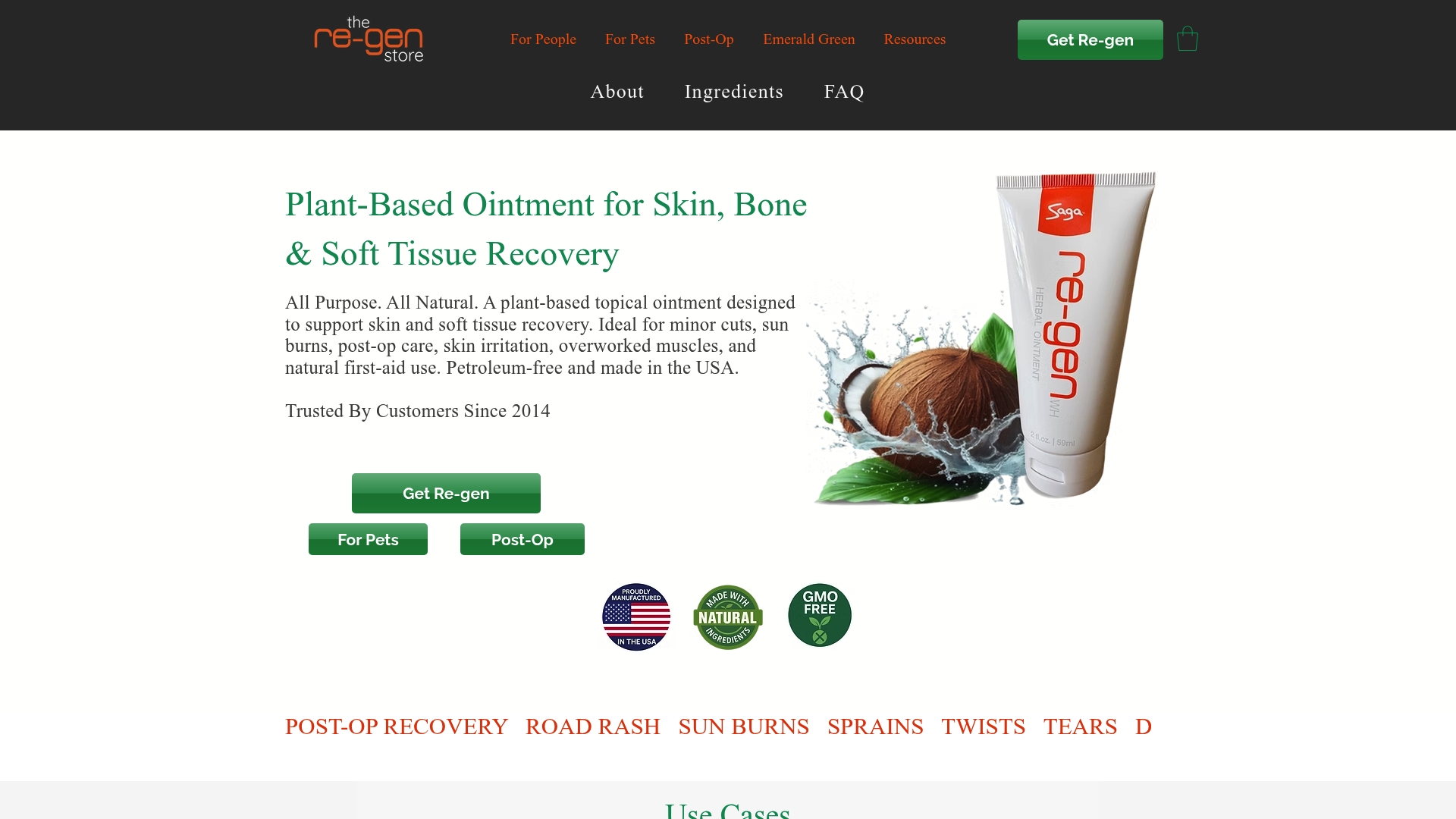
Theregenstore ships Re-gen across the United States. First-time buyers can start with a smaller size to test it on minor wounds before stocking up. The petroleum-free wound treatment page explains the formulation rationale in detail, and the Re-gen product page lists full ingredients, sizes, and usage guidelines. For pet purchases, review the pet-specific instructions on the product page and consult your vet if your animal has any known sensitivities.
Visit theregenstore.com to order Re-gen and review the full product details before your next first-aid need arises.
Useful sources and further reading
Natural Herbal Ointments as Safer Alternatives — PMC: Systematic review supporting multi-target activity of polyherbal topical ointments versus synthetic options.
Natural Herbal Ointments — IJPS Practice School (2026): Formulation strategies, phytochemical roles, and regulatory quality frameworks for herbal ointments.
Comfrey — NCBI Bookshelf: Clinical and toxicology review covering comfrey’s wound-healing benefits and liver-risk limits for topical use.
Arnica — NCCIH: Authoritative guidance on arnica’s topical uses, safety profile, and contraindications.
Comfrey ointment benefits — Verywell Health: Consumer-facing dosing guidance and practical cautions for comfrey topical preparations.
Re-gen product page — Theregenstore: Full ingredient list, usage guidelines, and purchase options for Re-gen.
Natural skin healing tips — Theregenstore: Evidence-based overview of natural remedies and complementary routines for skin recovery.
FAQ
What makes Re-gen different from conventional antibiotic ointments?
Re-gen uses botanical actives instead of synthetic antibiotics, and a petroleum-free base instead of petrolatum. This makes it a plant-based alternative for minor wound care without the antibiotic resistance concerns associated with products like Neosporin.
Is Re-gen safe to use on pets?
Re-gen is formulated with pet use in mind, but always review the species-specific guidelines on the product page and consult your veterinarian before first use, especially for cats, which are sensitive to many essential oil compounds.
How long should you use a comfrey-based ointment?
Clinical and toxicology reviews advise limiting topical comfrey use to under 10 consecutive days and avoiding application on deep or open wounds where absorption is higher.
When should you stop using a natural ointment and see a doctor?
Stop and seek medical care if you see spreading redness, red streaks, fever, pus, or no improvement in a minor wound within 5 days. These signs suggest an infection that topical botanicals cannot address.
Where can you buy Re-gen in the United States?
Re-gen is available directly through Theregenstore at theregenstore.com, with multiple sizes and pet-specific usage guidance on the product page.
Recommended