
Top Herbal Wound Care Products: Evidence-Backed Guide

Updated: Sep 26
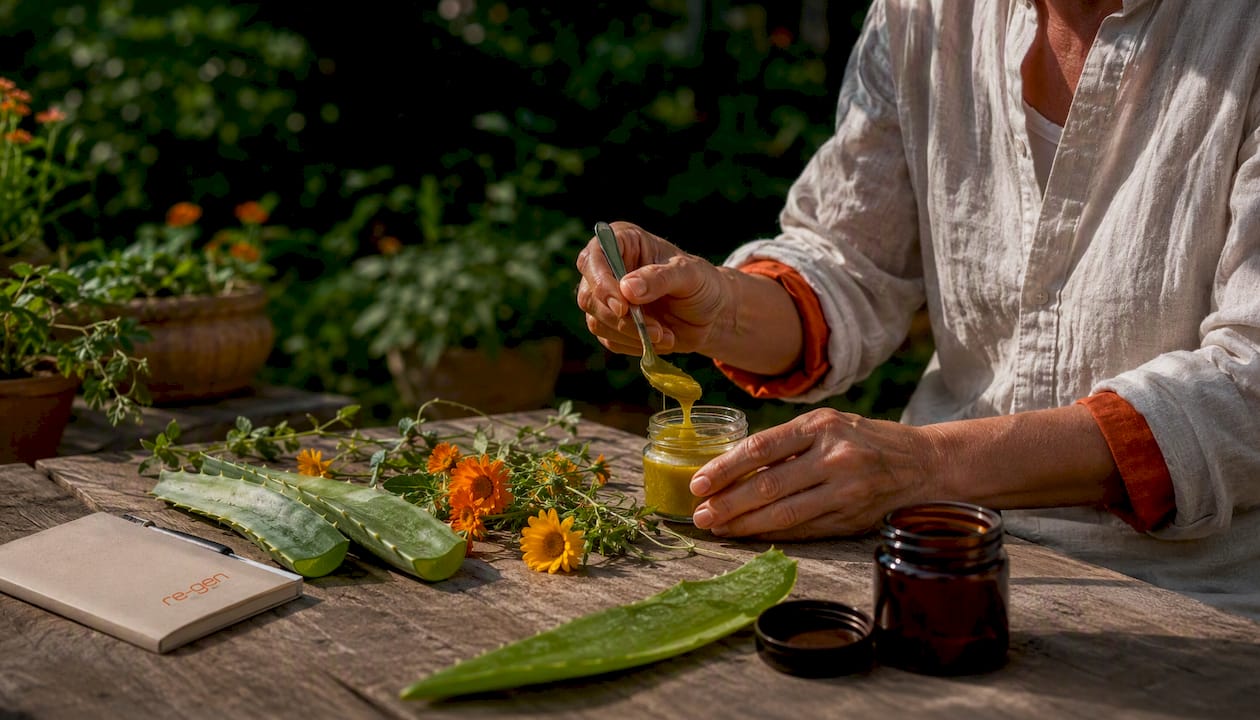
For most minor cuts, scrapes, and burns, a petroleum-free, plant-based topical ointment that combines botanicals like Centella asiatica and Calendula officinalis is the most practical herbal wound-care approach available today. Among the top herbal wound care products meeting that standard, Re-gen from Theregenstore stands out for its transparent ingredient list, petroleum-free formulation, and clear usage instructions designed to support moist, regenerative healing without synthetic antibiotics.
Two caveats before you apply anything:
Keep the wound environment moist but not sealed off from air. Excessive occlusion slows cell migration just as much as over-drying does.
Seek medical care for any wound showing signs of infection, deep tissue involvement, or failure to improve within a few days.
Table of Contents
Which herbal wound care products have the strongest evidence?
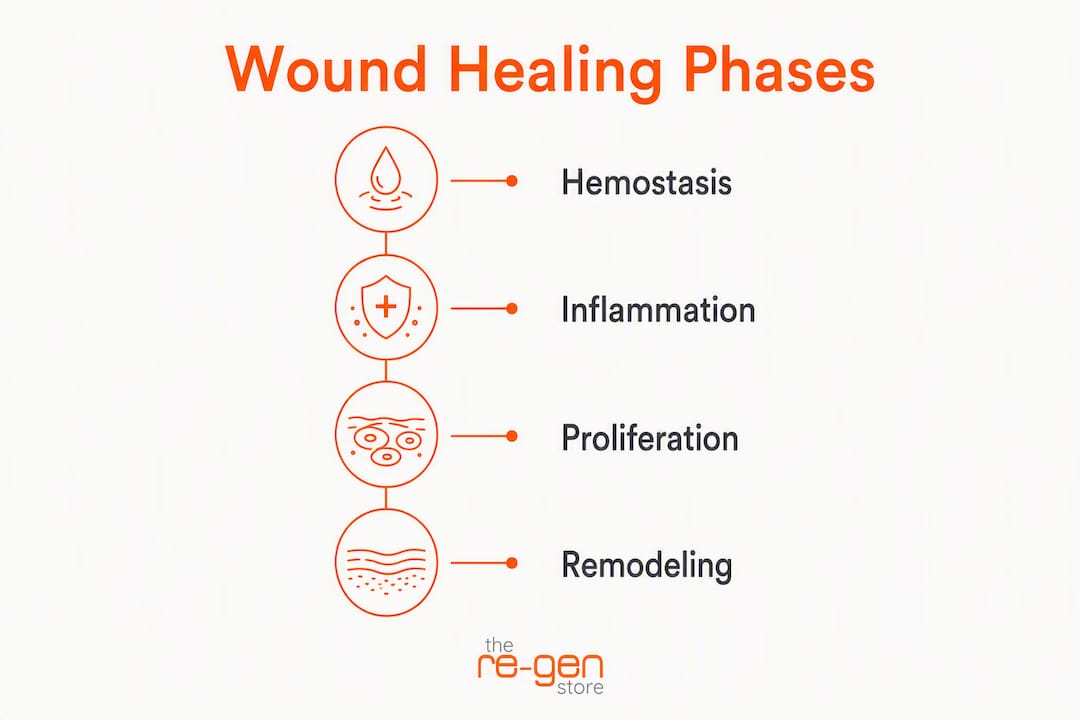
How do herbal products act across the four wound-healing phases?
How do you use herbal wound care products safely, step by step?
Why the conventional wisdom on herbal wound care gets it wrong
Re-gen: a plant-based ointment built for real wound recovery
Which herbal wound care products have the strongest evidence?
The six botanicals below appear most consistently across peer-reviewed wound-healing reviews, with documented bioactivities across the four healing phases. Each profile covers primary action, best formulation, clinical evidence level, and key safety notes.
Calendula officinalis
Calendula’s flavonoids and triterpene saponins deliver antimicrobial and anti-inflammatory activity, making it one of the most studied topical botanicals for minor cuts, abrasions, and slow-healing skin. It typically appears as a standardized extract in ointments and creams. Evidence ranges from in vitro antimicrobial data to small clinical trials showing reduced wound-closure time. The main safety flag: calendula belongs to the Asteraceae (daisy) family, so anyone with ragweed or chrysanthemum allergies should patch-test first.
Aloe vera
The gel fraction of Aloe barbadensis leaf contains polysaccharides (notably acemannan) that support fibroblast proliferation and reduce inflammation. Aloe gel works best for superficial burns, sunburn, and post-procedure skin irritation. Its high water content makes it a natural hydrogel carrier. Multiple reviews confirm reduced healing time in burn models, though large randomized controlled trials in humans remain limited. Aloe is generally well tolerated topically; avoid applying the latex fraction (the yellow layer just under the skin) to open wounds.
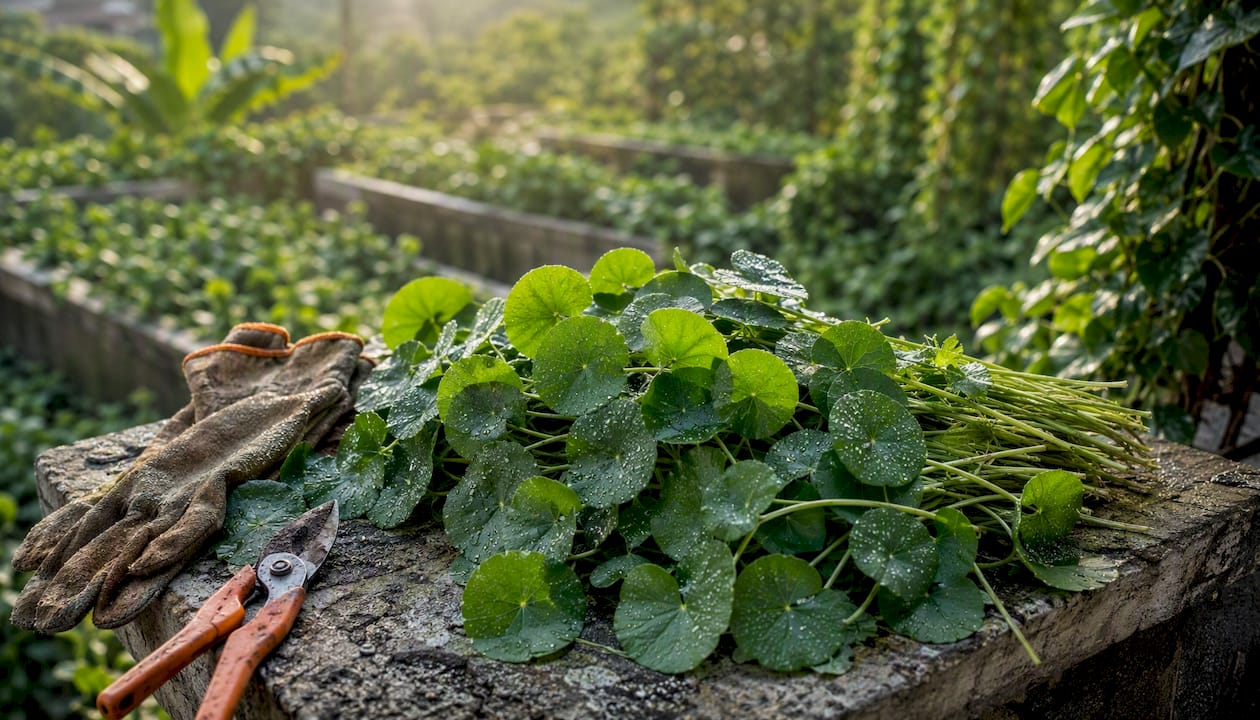
Centella asiatica (Gotu kola)
Centella asiatica is arguably the most mechanistically documented wound herb. Its active triterpenes, particularly madecassoside and asiaticoside, stimulate collagen synthesis and fibroblast activity during the proliferation phase. Clinical studies show benefits for post-surgical scar reduction and chronic wound support. Centella appears in ointments, gels, and hydrogels. Rare contact dermatitis has been reported; it is otherwise considered safe for topical use in adults and, with appropriate formulations, for pets.
Medical-grade Manuka honey
Not all honey is equal here. Medical-grade Manuka honey (rated by Unique Manuka Factor, or UMF) carries a high concentration of methylglyoxal, which provides sustained antimicrobial activity even against antibiotic-resistant organisms. It is used as an impregnated dressing for chronic wounds, leg ulcers, and post-operative sites. Evidence includes several clinical trials and systematic reviews supporting its role in reducing infection rates and supporting debridement. Because it is occlusive and sticky, Manuka honey dressings are best for wounds that need a moist, antimicrobial barrier rather than fresh, clean minor cuts.
Turmeric (Curcuma longa / curcumin)
Curcumin, the principal polyphenol in turmeric, modulates NF-κB signaling to reduce chronic inflammation and supports angiogenesis during the proliferation phase. Reviews confirm its activity across multiple wound-healing stages. Topical curcumin formulations face a bioavailability challenge: curcumin is poorly water-soluble, so effective products use nano-emulsions, liposomal carriers, or lipid-based ointments. Staining is a practical concern. Turmeric is best suited to chronic or inflammatory wounds rather than acute cuts.
Chamomile (Matricaria chamomilla)
German chamomile’s active compound, (-)-alpha-bisabolol, and its flavonoid apigenin provide anti-inflammatory and mild antimicrobial effects. Chamomile extracts appear in topical creams and rinses for irritated or inflamed skin. Evidence is mostly preclinical and small-scale clinical, supporting its use for skin soothing and mild wound support. Like calendula, chamomile is an Asteraceae plant and carries a cross-reactivity risk for people with daisy-family allergies.
On ingredient transparency: When evaluating any of these botanicals in a product, look for the extract type (e.g., “CO2 extract,” “standardized to X% triterpenes”) and the concentration or extract ratio. Re-gen lists its botanical ingredients clearly on the product page, which is the baseline standard you should expect from any herbal wound-care product.
How do herbal products act across the four wound-healing phases?
Plant-based topical agents are multitarget by nature: a single botanical extract can modulate inflammation, reduce microbial load, and stimulate tissue repair simultaneously. That is a meaningful structural advantage over single-target synthetic antimicrobials, which address only one mechanism while leaving others unaddressed.
Here is how the key herbal activities map to each phase:
Hemostasis: Astringent tannins in herbs like yarrow (Achillea millefolium) and witch hazel constrict capillaries and support platelet aggregation, helping slow minor bleeding at the surface.
Inflammation: Flavonoids (apigenin in chamomile, quercetin in calendula) and terpenoids (curcumin, bisabolol) downregulate pro-inflammatory cytokines, shortening the inflammatory phase without suppressing it entirely. The goal is modulation, not elimination.
Proliferation: Madecassoside and asiaticoside from Centella asiatica directly stimulate fibroblast activity and collagen synthesis. Aloe vera’s acemannan supports cell migration and angiogenesis. This is the phase where most herbal wound products deliver their clearest documented benefit.
Remodeling: Antioxidant polyphenols (curcumin, green tea catechins) help regulate matrix metalloproteinases, supporting organized collagen maturation and reducing excessive scar formation.
Formulation matters as much as the botanical itself. Drug-free hydrogels and plant-based ointments maintain the moist wound environment that allows keratinocytes to migrate across the wound bed, while still permitting gas exchange. Honey dressings add an antimicrobial layer on top of moisture retention. Oil-based salves and beeswax ointments provide a protective barrier but can trap bacteria in deep or open wounds if applied too early.
Pro Tip: Avoid alcohol-based cleansers directly on the wound bed. They disrupt the moisture balance and damage newly forming epithelial cells. Clean the surrounding skin with a gentle antiseptic, then apply your herbal product to the wound itself. Also hold off on oil-based salves until re-epithelialization is underway — applying them to a fully open wound can seal in bacteria rather than protect against them.
What product form should you choose for herbal wound care?
The right formulation depends on wound type, depth, and healing stage. The table below compares the main product forms on the dimensions that matter most for safe, effective use.
Product form | Best for | Moisture balance | Evidence level | Application frequency | Key safety note |
Herbal ointment (petroleum-free) | Minor cuts, scrapes, post-closure scar support | Moderate occlusion; breathable if petroleum-free | Preclinical + small clinical trials | 1–3× daily | Avoid on deep open wounds until re-epithelialized |
Herbal gel / hydrogel | Burns, superficial abrasions, inflamed skin | High moisture; non-occlusive | Preclinical + clinical (burn models) | 2–3× daily or as needed | Check for alcohol content; can sting on raw skin |
Medical honey dressing | Chronic wounds, infected wounds, leg ulcers | High moisture + antimicrobial barrier | Multiple RCTs and systematic reviews | Every 1–3 days per wound status | Requires proper dressing; not for fresh minor cuts |
Herbal salve (beeswax/oil base) | Closed wounds, dry cracked skin, scar support | High occlusion | Mostly traditional/preclinical | 1–2× daily | Do not use on open wounds; can trap infection |
Herbal cream / lotion | Mild skin irritation, post-healing skin support | Low-moderate; absorbs quickly | Preclinical + traditional | 2–4× daily | Shortest barrier life; reapply frequently |
What to look for on the label
Reading a label carefully is the fastest way to separate a quality herbal product from a marketing exercise. Check for:
Named botanical(s) with Latin binomial (e.g., Calendula officinalis), not just “herbal extract”
Extract type and concentration where listed (e.g., “5:1 extract,” “standardized to 3% madecassoside”)
Petroleum-free declaration for products intended for open wounds
Sterility or packaging claims (single-dose sachets or sealed tubes are safer than wide-mouth jars for open wounds)
Preservative information (some synthetic preservatives can sensitize skin; look for natural alternatives like vitamin E or rosemary extract)
Clear directions for use and explicit contraindications
Red flags: unnamed “proprietary blends” with no concentrations, petroleum as the primary carrier for fresh wounds, no usage directions, and high-pyrrolizidine alkaloid (PA) comfrey formulations for prolonged topical use. Comfrey (Symphytum officinale) has documented wound-healing benefits but also carries systemic PA risk with extended or broken-skin application.
How do you use herbal wound care products safely, step by step?
Follow standard first-aid steps first, then layer herbal product use once the wound is clean and bleeding is controlled. Herbal topicals support healing; they do not replace wound preparation.
Control bleeding. Apply gentle pressure with a clean cloth for 5–10 minutes. Do not remove the cloth if it adheres.
Rinse the wound. Flush with clean running water for at least 1–2 minutes to remove debris. Avoid hydrogen peroxide or alcohol directly on the wound bed.
Pat dry. Use a clean gauze pad. Do not rub.
Apply your herbal product. Use a clean applicator or gloved finger. Apply a thin, even layer. For ointments, less is more — a thick layer does not accelerate healing and can trap moisture unevenly.
Cover with a non-adherent dressing. A non-stick pad or silicone dressing protects the wound without pulling new tissue on removal. Change every 24–48 hours for minor wounds, or sooner if the dressing becomes saturated.
Monitor daily. Check for normal healing signs: gradual closure, mild pink coloration, and no spreading redness.
When to seek medical care
Seek care promptly if you notice any of the following:
Increasing redness, warmth, or swelling spreading beyond the wound edge
Purulent (pus-like) or foul-smelling drainage
A fever above normal body temperature
No visible improvement after a few days of consistent care
A wound deeper than ¼ inch, with gaping edges, or involving the face, hands, or joints
Any animal bite or puncture wound
For storage: keep herbal ointments in a cool, dry location away from direct sunlight. Signs of spoilage include an off odor, color change, or visible separation of the product. Most commercial herbal ointments carry a multi-year shelf life when sealed; once opened, use within the period stated on the label.
This article provides general information, not medical advice. Confirm wound-care decisions with a qualified healthcare provider, especially for chronic wounds, post-surgical sites, or wounds in vulnerable populations.
What does the clinical research actually say?
Plant-based topical agents and drug-free hydrogels show promising outcomes for moist regeneration, reduced infection burden, and lower dressing-change pain across a growing body of trials and reviews, though large randomized controlled trials remain limited for several individual botanicals.
Key synthesis from the literature: Botanicals perform best when they are selected for multitarget activity rather than single-mechanism antimicrobial action. Wound healing success depends on restoring skin homeostasis, and plant-derived compounds that simultaneously modulate inflammation, support fibroblast proliferation, and maintain moisture balance consistently outperform single-target agents in preclinical models and several clinical comparisons.
Specific findings worth knowing:
A 2026 review identifies Calendula officinalis, Matricaria chamomilla, and Centella asiatica as the most consistently documented botanicals for topical wound care, with antimicrobial, anti-inflammatory, and collagen-promoting activities confirmed across multiple study types. A comprehensive review of traditional wound-healing therapies documents herbal extracts, creams, ointments, and gels with demonstrated bioactive compounds that stimulate healing across in vitro and in vivo models.
For Aloe vera, reduced healing time in burn models is the most replicated finding. For Manuka honey, several clinical trials confirm reduced infection rates and improved debridement in chronic wounds. For Centella asiatica, mechanistic evidence links madecassoside directly to fibroblast stimulation and collagen synthesis, with clinical data supporting scar reduction post-surgery.
A 2025–2026 study on drug-free hydrogels found that plant-based systems can improve outcomes even in bacteria-challenged wounds by combining moisture balance with botanical bioactives, without relying on antibiotic agents. Industry reporting also notes a growing shift toward clinician-minded, plant-based regenerative dressings that reduce dressing-change trauma and avoid synthetic sensitizers.
Reading the evidence correctly: A systematic review carries more weight than a single small trial. Many individual botanical studies use in vitro or animal models, which do not always translate directly to human outcomes. When a botanical has only preclinical evidence, that does not mean it is ineffective; it means the human trial data is still catching up. Use evidence level as one factor in your decision, alongside formulation quality, ingredient transparency, and safety profile.
For readers interested in the anti-inflammatory mechanisms behind these botanicals, herbal supplements and chronic inflammation provides a useful deeper look at how plant compounds modulate inflammatory pathways.
Key Takeaways
Evidence-backed herbal wound care works best when you combine a petroleum-free, plant-based topical with proper wound preparation, a moist healing environment, and clear red-flag monitoring for infection.
Point | Details |
Lead botanicals | Calendula, Centella asiatica, Aloe vera, Manuka honey, turmeric, and chamomile have the strongest combined evidence for topical wound support. |
Choose form by wound type | Use hydrogels or gels for burns and abrasions; petroleum-free ointments for minor cuts and post-closure support; honey dressings for chronic or infected wounds. |
Read the label carefully | Confirm named botanical with Latin binomial, extract type, petroleum-free status, and clear usage directions before purchasing. |
Safety first | Seek medical care if redness spreads, fever develops, or the wound shows no improvement within a few days. |
Theregenstore’s Re-gen | A petroleum-free, plant-based ointment with a transparent ingredient list and clear usage instructions, designed to support moist, regenerative healing for skin, soft tissue, and muscle recovery. |
Why the conventional wisdom on herbal wound care gets it wrong
Most articles on this topic treat “natural” as a single category, as if calendula cream and raw honey and comfrey salve are interchangeable because they all come from plants. They are not. The mechanism, evidence level, and appropriate wound type differ substantially between them, and using the wrong formulation at the wrong stage can actively slow healing.
The more useful frame is mechanism-first selection. Centella asiatica belongs in the proliferation phase because its triterpenes directly stimulate fibroblast activity. Manuka honey belongs on infected or chronic wounds because its methylglyoxal concentration provides sustained antimicrobial action that most other botanicals cannot match. Aloe gel belongs on burns and superficial inflammation because its high water content and acemannan support cell migration without occlusion. Applying a thick oil-based salve to a fresh, open wound because it “sounds natural” is the kind of mistake that traps bacteria and delays closure.
The other underappreciated point: moisture balance is more important than the specific botanical. Research consistently shows that both excessive drying and excessive occlusion impair keratinocyte migration. The best herbal products are formulated to maintain the right moisture level for the wound stage, not just to deliver a botanical payload. That is why formulation quality and petroleum-free status matter as much as the ingredient list itself.
Theregenstore’s approach, with Re-gen’s petroleum-free base and transparent botanical ingredients, reflects this principle. The product is designed to support the wound environment, not just coat it. For readers who want to go deeper on what makes a plant-based formulation genuinely effective, the herbal recovery guide on the Theregenstore site covers the underlying principles clearly.
Re-gen: a plant-based ointment built for real wound recovery
If you have spent time reading ingredient labels and still cannot find a herbal wound product that is petroleum-free, clearly formulated, and backed by usage guidance you can actually follow, Re-gen from Theregenstore is worth a close look.
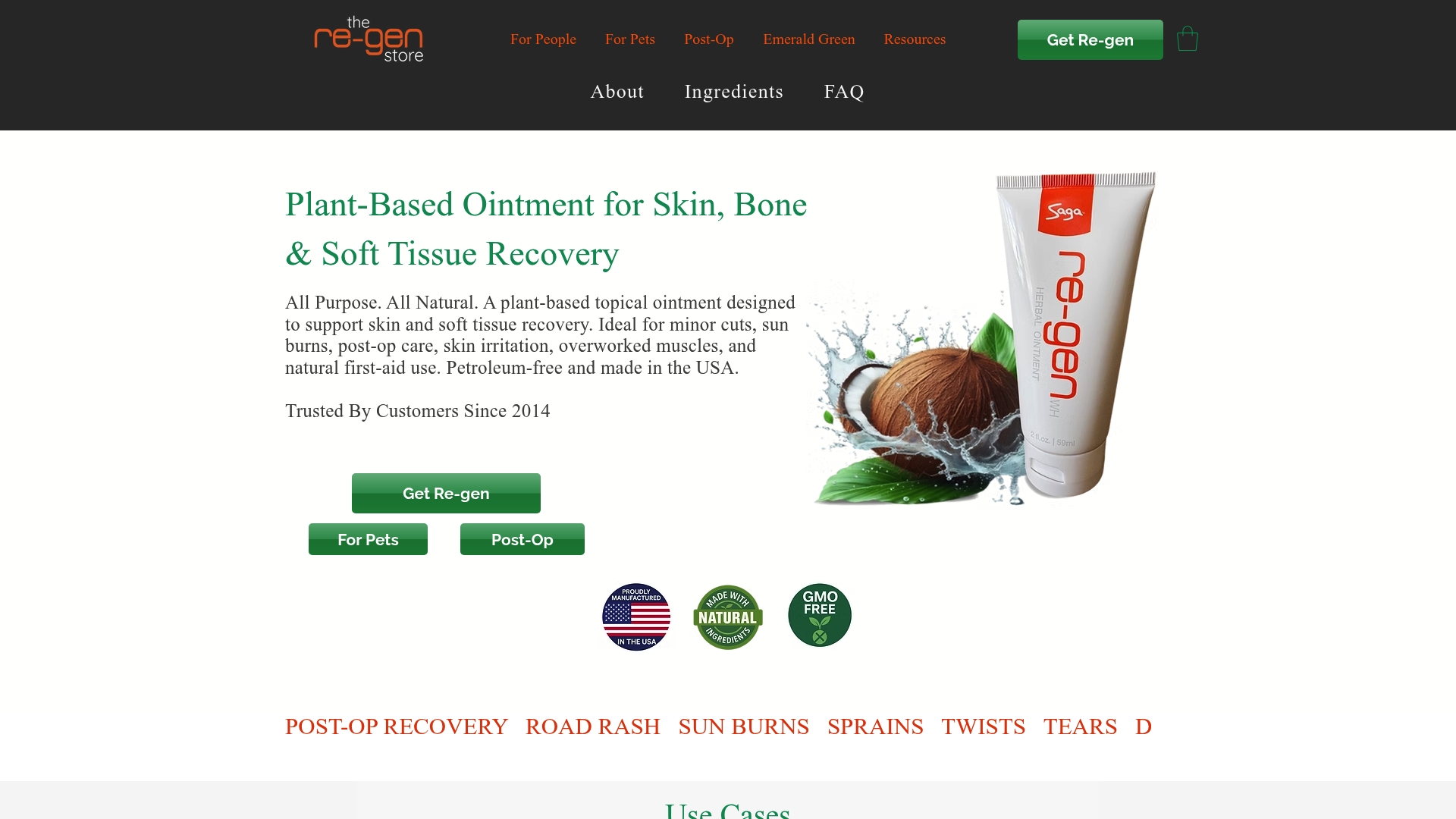
Re-gen is formulated for skin, soft tissue, bone, and muscle recovery. Its botanical base is petroleum-free, which means it supports a breathable, moist healing environment rather than sealing the wound under an occlusive synthetic layer. The ingredient list is published on the product page, the usage directions are specific, and the formulation is available for both human and pet use. That level of transparency is the baseline the selection criteria in this article describe, and Re-gen meets it.
For minor cuts, scrapes, burns, sprains, and post-operative skin support, Re-gen is designed to work as a petroleum-free, plant-based wound treatment that complements standard first-aid steps rather than replacing them. If you are switching from a conventional antibiotic ointment, the natural alternative to Neosporin page explains the formulation differences in plain terms.
Visit the Re-gen product page to review the full ingredient list, packaging options, and usage instructions, and decide whether it fits your wound-care needs.
Selected authoritative sources and further reading
The sources below represent the highest-value peer-reviewed reviews and clinical references used in this article.
Source | Why it matters |
The Therapeutic Wound Healing Bioactivities of Various Medicinal Plants (2026) | 2026 review identifying key botanicals (Calendula, Chamomile, Centella) with documented antimicrobial, anti-inflammatory, and collagen-promoting activities |
Comprehensive review of herbal extracts, formulation types, and in vitro/in vivo evidence for wound-healing bioactives | |
Mechanistic review mapping plant-derived compounds to the four healing phases, with specific data on Centella and turmeric | |
Northern Hemisphere botanical review covering Aloe, Calendula, Chamomile, and Curcuma with biological activity summaries | |
2025–2026 study demonstrating plant-based hydrogel efficacy in bacteria-challenged wound models without antibiotic agents | |
Expert review on wound healing principles (PubMed 36836674) | Expert synthesis on skin homeostasis, multitarget botanical action, and moisture balance as the central wound-healing principle |
For readers who want to go further: The Theregenstore educational library covers how to speed up wound healing naturally and skin regeneration steps in practical, step-by-step format, grounded in the same evidence base as the sources above.
FAQ
What is the best herb for healing wounds?
Centella asiatica has the strongest mechanistic evidence for wound healing, with its triterpenes directly stimulating collagen synthesis and fibroblast activity during the proliferation phase. Calendula officinalis is the most broadly useful for minor cuts and abrasions, combining antimicrobial and anti-inflammatory activity in a well-tolerated topical form.
What naturally heals wounds fast?
Maintaining a moist wound environment is the single most important factor in healing speed, and plant-based hydrogels and petroleum-free ointments support this better than dry dressings or occlusive petroleum-based products. Botanicals like Aloe vera, Centella asiatica, and Calendula support faster re-epithelialization by reducing inflammation and stimulating cell migration simultaneously.
What is the best product to heal a wound?
For most minor wounds, a petroleum-free, plant-based topical ointment with named, concentrated botanicals and clear usage instructions is the most practical choice. Re-gen from Theregenstore meets these criteria with a transparent ingredient list, petroleum-free formulation, and specific directions for skin, soft tissue, and post-operative recovery.
Are herbal wound care products safe for pets?
Many plant-based formulations, including Re-gen, are available with specific guidance for pet use. The key safety consideration is avoiding botanicals that are toxic when ingested, since animals may lick treated areas. Always confirm that any herbal wound product you use on a pet is explicitly labeled for animal use and follow the dosing and application instructions provided.
How do you know if a wound needs a doctor instead of herbal care?
Seek medical care if the wound is deeper than ¼ inch, has gaping edges, shows spreading redness or warmth, produces purulent drainage, or fails to improve within a few days of consistent care. a fever above normal body temperature alongside a wound is always a reason to see a clinician promptly.
Recommended
Comments