
Top natural skin healing tips backed by science


Searching for natural skin healing solutions can feel like wading through a sea of contradictory advice. Some remedies have been passed down for generations, while others are promoted loudly online with little more than anecdote to back them up. The good news is that a growing body of clinical research now separates the genuinely effective plant-based options from the noise. This guide cuts straight to the remedies that are supported by real evidence, explains how to use them correctly, and helps you avoid the common mistakes that slow healing down for both people and pets.
Table of Contents
Key Takeaways
Point | Details |
Evidence-based plants | Aloe, honey, calendula, and plantain are the most proven natural remedies for faster skin healing. |
Proper wound care | Clean with gentle methods and keep wounds moist for the fastest, safest recovery. |
Consider pet safety | Some natural remedies are safe for pets but always check specific precautions and consult your vet. |
Patch testing is vital | Always test for allergies before applying any new plant-based treatment. |
Combine approaches | For best results, use natural remedies alongside modern wound care, not as a replacement. |
How do natural remedies support healing?
Natural skin remedies are plant-derived or minimally processed substances applied to the skin to support recovery from wounds, burns, and irritation. Unlike conventional antiseptics or prescription creams, they typically work through multiple overlapping mechanisms rather than one targeted action.
Research on natural wound healing shows that effective botanicals tend to do at least one of three things: reduce inflammation, fight bacteria and fungi, or stimulate collagen production. Many proven remedies do all three simultaneously. For example, aloe vera and honey both show strong evidence in randomized controlled trials for acute wounds and burns, with mechanisms that include anti-inflammatory compounds, antimicrobial activity, and direct support for new tissue formation.
Here is what the research confirms these remedies can do:
Reduce inflammation by lowering pro-inflammatory markers like cytokines
Fight germs through antimicrobial compounds that resist bacterial biofilms
Stimulate collagen to rebuild the skin’s structural foundation
Maintain moisture at the wound site to accelerate cell migration
One detail that often gets overlooked: the way you clean a wound before applying any remedy matters enormously. Proper wound irrigation calls for saline solution or plain soap and water. Hydrogen peroxide and rubbing alcohol are not recommended because they damage new tissue and slow the repair process. Clean first, then apply your chosen remedy and cover the wound.
Natural remedies are not a replacement for medical care when infection is present, wounds are deep, or healing stalls. When in doubt, see a professional.
Top science-backed natural remedies
With these foundations set, let us break down the top plant-based options proven by real studies. Each one has a specific strength, and knowing the differences helps you choose with confidence.
Aloe vera
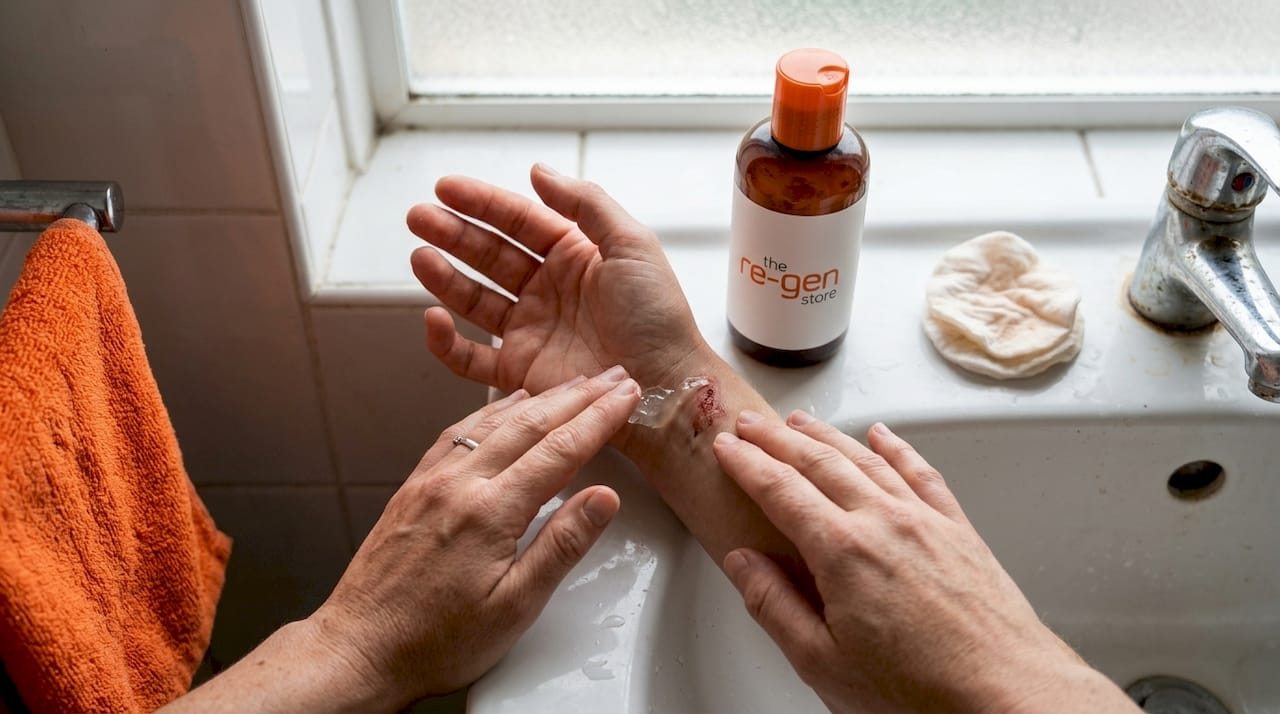
Aloe vera gel is one of the most studied plant remedies for skin healing. Aloe vera reduces healing time by 2 to 4 days on average compared to silver sulfadiazine in burns and surgical wounds. Its active compounds, including acemannan and anthraquinones, reduce inflammation, soothe pain, and promote new skin cell growth. Apply pure gel directly to minor burns, cuts, or post-procedure skin for best results. You can explore how it compares to conventional ointments in this aloe vera vs ointment breakdown.
Honey and propolis
Raw honey, particularly medical-grade Manuka honey, creates a moist antibacterial environment that most bacteria cannot survive. Honey and propolis are especially effective for chronic wounds like diabetic foot ulcers, working through antimicrobial, anti-inflammatory, and tissue-regenerative pathways. Propolis, the resinous compound bees make to seal their hives, adds antifungal and antiviral properties that honey alone does not provide. For chronic ulcers or wounds that have stopped progressing, honey-based dressings are among the strongest natural options available.
Calendula
Calendula officinalis, the common pot marigold, is a remarkable healing plant that often goes underappreciated. Studies show that calendula heals wounds in an average of 6.2 days compared to 9 days in untreated control groups. It actively promotes collagen synthesis, which is the structural protein your skin needs to close and strengthen a wound. Calendula is gentle enough for sensitive skin and well-suited for small cuts, abrasions, and post-procedure care.
Plantain (Plantago major)
This common backyard plant is far more powerful than its humble appearance suggests. Plantain gel achieves 95% full recovery in pressure ulcers compared to 70% with placebo, and it triples the healing rate in diabetic foot ulcers. Its active compounds, including aucubin and allantoin, reduce inflammation, support tissue regeneration, and help manage bacterial load. Plantain is an especially strong option for slow-healing or difficult wounds.
Tea tree oil
Tea tree oil at a 5% concentration reduces acne lesions comparably to benzoyl peroxide, though with a slower onset and significantly fewer side effects such as dryness and peeling. It is a solid choice for acne-prone skin and minor bacterial skin issues. However, it must always be diluted before skin contact, and it is not safe for use on or around pets.
Pro Tip: For any new remedy, apply a small amount to the inside of your wrist and wait 24 hours before using it on a wound. This simple patch test can prevent a painful allergic reaction at an already vulnerable site.
You can also find real-world pet healing examples using plant-based remedies if you are looking for options that work for animals as well as people.
Choosing the right remedy for your need
Each remedy shines in different settings; here is how to decide which is best for you, your loved ones, or your pets.
Wound type | Best natural remedy | Key caution |
Minor burn | Aloe vera gel | Use pure gel, not latex |
Chronic ulcer | Honey or propolis | Use medical-grade honey |
Small cut or abrasion | Calendula | Patch test for allergies |
Pressure sore | Plantain gel | Monitor for stalling progress |
Acne or skin bacteria | Tea tree oil (diluted) | Never use undiluted or near pets |
Pet wounds | Honey or aloe gel | Pet-safe natural options only |
When it comes to pets, the rules change significantly. Essential oils like tea tree are toxic to pets and must be kept away from dogs and cats entirely. Honey is generally safe for topical application on animals, and pure aloe gel (not the latex layer beneath the skin of the leaf) is also typically well-tolerated. Always consult a vet before applying anything to a pet’s wound, especially if the area is large, infected, or being licked.
For post-operative skin or scar-prone wounds, centella asiatica (also called gotu kola) shows strong evidence for reducing scar formation. However, undiluted essential oils cause dermatitis and allergic contact reactions, so always dilute and pair with moist dressings for the best outcome. Explore plant-based recovery for pets if you want a deeper look at safe options for animals.
Additional safety tips:
Always dilute essential oils in a carrier oil (such as coconut or jojoba) before skin contact
Seek medical care for wounds that are red, hot, swollen, or producing pus after 48 hours
Avoid applying any remedy to deep puncture wounds without professional guidance
Best practices for safe, effective healing at home
After choosing your remedy, here is how to make sure your home healing is both effective and safe.
Step-by-step home wound care:
Rinse the wound gently under clean running water or with saline for at least 30 seconds
Clean the surrounding skin with mild soap, keeping soap out of the wound itself
Pat dry with a clean cloth or sterile gauze
Apply your chosen plant-based remedy directly to the wound surface
Cover with a breathable, non-stick dressing to maintain moisture
Change the dressing daily or whenever it becomes wet or dirty
Watch for signs of infection: increasing redness, swelling, warmth, or discharge
A moist wound environment is one of the most important factors in faster, less scarring recovery. Moist dressings promote faster epithelialization, which is the regrowth of the outer skin layer, compared to wounds left open to air. This is why keeping a wound covered is not just protective but actively speeds recovery.
Avoid hydrogen peroxide and alcohol at the wound site. Both destroy the new cells trying to form. Saline and clean water are always the preferred cleaning agents.
Do | Don’t |
Clean with saline or plain water | Apply hydrogen peroxide or alcohol |
Keep wound covered and moist | Leave wounds open to dry out |
Patch test before using new remedies | Apply undiluted essential oils |
Seek care for signs of infection | Ignore stalled or worsening wounds |
For more guidance on post-surgical wound tips or skin irritation relief, both pages offer targeted advice for specific healing situations.
Why most natural healing advice falls short (and what works instead)
Here is the honest truth: most articles about natural skin healing recycle the same short list of remedies without ever addressing how to use them correctly, when they are not appropriate, or what the actual evidence says. Recommending aloe vera is easy. Explaining that you need to clean the wound first, maintain moisture, watch for allergic reactions, and pair the remedy with a proper dressing is where real advice begins.
The other gap we see repeatedly is the assumption that “natural” automatically means safe. Undiluted tea tree oil can cause chemical burns. Some herbal preparations trigger contact dermatitis in sensitive individuals. And using harsh cleansers before applying a gentle botanical remedy completely undermines its benefits.
What actually works is combining petroleum-free, plant-based healing principles with sound clinical wound care basics: clean properly, keep it moist, choose your remedy based on wound type, observe for changes, and adapt if needed. Natural and conventional approaches are not opposites. They work best when layered thoughtfully. Do not hesitate to see a doctor when a wound shows signs of infection or stops improving. Confidence in natural healing does not mean ignoring the body’s signals.
Ready for safer, natural healing at home?
If this guide has shown you anything, it is that plant-based healing really does work when the right remedy meets the right wound care routine.

At TheRegenStore.com, we designed Re-gen with exactly that in mind. Our plant-based wound treatment formula is petroleum-free, chemical-free, and built around botanicals that support real tissue recovery. Whether you are dealing with a minor cut, a post-op wound, skin irritation, or a pet’s injury, our Re-gen regenerative ointment offers a gentle, effective alternative to conventional products. It is also safe for use on animals, making it a practical choice for the whole household. Explore our post-surgical healing) guide to see how Re-gen fits into a complete recovery plan.
Frequently asked questions
Which natural remedies are safest for pet wounds?
Honey and pure aloe gel (not latex) are generally safe for pet wounds; always avoid tea tree oil near animals, and consult a vet before applying any remedy to your pet.
How fast can aloe vera heal a minor burn?
Aloe vera gel can reduce burn healing time by 2 to 4 days on average when applied consistently and combined with proper wound coverage.
Is honey effective for chronic wounds?
Yes, honey and propolis are well-supported for chronic wounds like diabetic foot ulcers due to their combined antimicrobial, anti-inflammatory, and tissue-regenerating properties.
Should I keep wounds covered or let them breathe?
Covering wounds to maintain a moist healing environment promotes faster skin regrowth and reduces scarring compared to leaving wounds exposed to air.
Are there any risks with using natural skin remedies?
Natural remedies can cause allergic reactions, and undiluted oils can cause dermatitis, so always patch test first and consult a healthcare provider for serious or infected wounds.
Recommended
Comments