
Negligible Absorption: Petroleum Jelly Safety, Purity & Risks

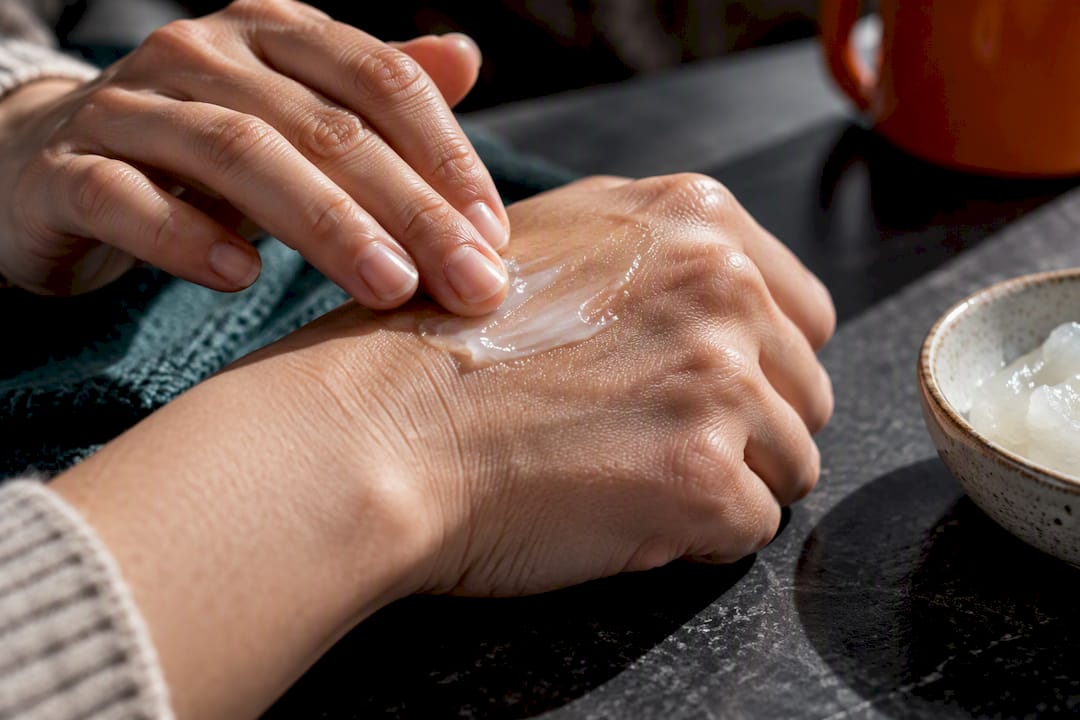
Properly refined petroleum jelly is safe and effective for topical use on most skin types, and decades of clinical review back that up. The exceptions are specific, not vague: skip internal or vaginal use, and keep it away from latex condoms, be careful applying it near a child’s nose, and never seal it over a deep, dirty, or infected wound. Everything else, from chapped lips to minor scrapes, falls well within its tested safety profile. The details on evidence, purity standards, and safer application follow below.
TL;DR:
Properly refined petroleum jelly has negligible systemic absorption and is safe for most topical uses, provided purity standards are met.
It should not be used internally, with latex condoms, near a child’s nose, or sealed over infected wounds due to specific health risks.
Storing it in a tightly sealed container at room temperature with a clean applicator extends safety and efficacy.
Alternatives like plant-based balms or silicone gels are better suited for internal use or those avoiding fossil-derived ingredients.
People with sensitivities should choose fragrance-free, dye-free versions and patch-test before widespread use.
Table of Contents
What Petroleum Jelly Is and How It Works on Skin
Petroleum jelly, also labeled “white petrolatum” on ingredient lists, is a semisolid blend of hydrocarbons refined from crude oil into a purified, odorless base. You’ll find it in lip balms, diaper creams, minor wound dressings, and as a carrier base for topical medications. Its job is simple: sit on top of the skin and stop water from escaping.
That occlusive action reduces transepidermal water loss, which is the technical term for how much moisture your skin loses to the air. Less water loss means a moister healing environment, and moist wounds tend to close faster and with less scarring than wounds left to dry out and crack. This is why petroleum jelly shows up so often in burn care and post-procedure wound instructions.
Not all petrolatum is created equal. Grade matters. Cosmetic-grade and pharmaceutical-grade versions go through different levels of refinement, and that gap in purity is where most of the legitimate safety questions actually live, not in the base ingredient itself.
Does the Clinical Evidence Support Petroleum Jelly Safety?
The strongest data point comes from a 2023 review in the Journal of the American Academy of Dermatology, which concluded that properly refined petrolatum is non-toxic, shows negligible systemic absorption through the skin, and works well as a barrier repair agent for most skin types. In plain terms: it mostly stays where you put it, and it doesn’t meaningfully enter your bloodstream when used on intact skin.
That conclusion lines up with a broader safety review from the Society of Cosmetic Chemists, which notes petrolatum’s inclusion in the FDA’s Skin Protectant Monograph, the regulatory category that governs over-the-counter skin protectants sold in the United States. Getting into that monograph requires meeting specific purity and performance benchmarks, not just general “cosmetic” labeling.
Purity is the whole story here. Crude petrolatum can carry polycyclic aromatic hydrocarbons (PAHs), compounds flagged for potential health concerns at high exposure levels. Refining removes them. The same SCCON review points to FDA regulation 21 CFR 172.880, which sets purity thresholds strict enough that qualifying petrolatum can even be used in food-contact applications. Some markets, particularly under EU frameworks, require more detailed refinery documentation and PAH testing than typical, which is one reason ingredient-conscious shoppers increasingly look for terms like “triple-distilled” or “pharmaceutical grade” on the label.
What the evidence supports, in short:
Negligible systemic absorption through healthy, intact skin
Effective barrier repair function backed by peer-reviewed review
Regulatory acceptance under the FDA’s Skin Protectant Monograph
Purity standards under 21 CFR 172.880 that remove PAH contaminants
The core figure to remember: the 2023 JAAD review found negligible systemic absorption for properly refined petrolatum, which is the evidence base most dermatology guidance rests on today.
When You Should Not Use Petroleum Jelly
Safety isn’t binary here. Petroleum jelly is safe for a lot of uses and genuinely risky for a short, specific list of others.
Don’t pair it with latex condoms. Petroleum-based lubricants degrade latex, and that breakdown raises the risk of condom failure during use.
Skip internal or vaginal application. A 2016 clinical study of 141 women found that 17% reported using petroleum jelly internally, and 40% of that subgroup tested positive for bacterial vaginosis. That’s not proof of direct causation, but it’s a strong enough association to avoid the practice.
Be cautious applying it near a child’s nostrils. Oily substances near the airway carry a rare but real risk of lipoid pneumonia if accidentally inhaled, a concern that applies to young children and to anyone with swallowing difficulties.
Never seal it over a dirty or infected wound. Because it’s occlusive, it traps whatever is already on the skin underneath it, including bacteria. The American Academy of Dermatology advises cleaning a minor burn or wound thoroughly before applying anything, and skipping ointments entirely on deep or severely burned tissue.
Watch for red flags after applying it to any wound: increasing redness, warmth, swelling, pus, or a fever. Any of those means it’s time to stop home care and see a clinician.
Pro Tip: If a scrape or burn is still oozing, weeping, or visibly dirty, hold off on petroleum jelly until it’s fully cleaned and the surface has stopped draining. Occlusion works best on skin that’s already on its way to closing.
How to Use Petroleum Jelly Safely at Home
Getting the benefit without the risk comes down to a handful of habits, most of which take seconds.
Start clean. Wash and dry the skin before applying anything. Occlusion locks in whatever is already there, good or bad.
Use a clean applicator. Dip a cotton swab or squeeze from a tube instead of scooping repeatedly with your fingers from a shared jar. Finger-to-jar contact is one of the most common ways bacteria get reintroduced into a product meant to sit on broken skin.
Apply a thin layer. A pea-sized amount covers most small areas; more isn’t more effective, it’s just greasier.
Stick to one to three applications daily for chapped skin or minor wounds, and check the area each time for signs of irritation or infection.
Take extra care with infants and anyone with swallowing difficulties. Avoid applying near the nose, and never let it get close to the mouth or airway in someone who has trouble managing secretions.
Reading the label matters more than most people assume. Look for “white petrolatum” or “pharmaceutical grade” rather than vague “petroleum jelly” blends, and favor a squeeze tube over an open jar if you’re using it on any broken skin. One purity detail worth remembering: FDA regulation 21 CFR 172.880 sets the purity bar high enough that qualifying petrolatum is cleared even for food-contact use, a useful benchmark when comparing product grades on a shelf.
Alternatives Worth Considering, and When to Reach for Them
Petroleum jelly earns its shelf space because it’s cheap and it works. But it’s not the only option, and for some situations, it’s not the best one.
Plant-based balms and ointments built from botanical oils and extracts, which skip fossil-derived ingredients entirely.
Beeswax-based blends, common in lip balms and salves, offering similar occlusive protection from a different base.
Medical-grade silicone gels, often used in scar management where long-term wear matters.
Water-based lubricants for any genital or internal use, since they don’t carry the latex-degradation or bacterial vaginosis concerns tied to petroleum-based products.
Reach for an alternative when you’re worried about fossil-derived ingredients on principle, when you want something for internal or genital use, when jar contamination is a recurring worry in your household, or when you simply prefer a plant-based formulation for skin and wound care. Petroleum jelly remains inexpensive and clinically effective for plenty of everyday uses. The tradeoff is that alternatives sidestep the refinement and purity questions altogether by never starting with a fossil-derived base.
Can Petroleum Jelly Cause an Allergic Reaction?
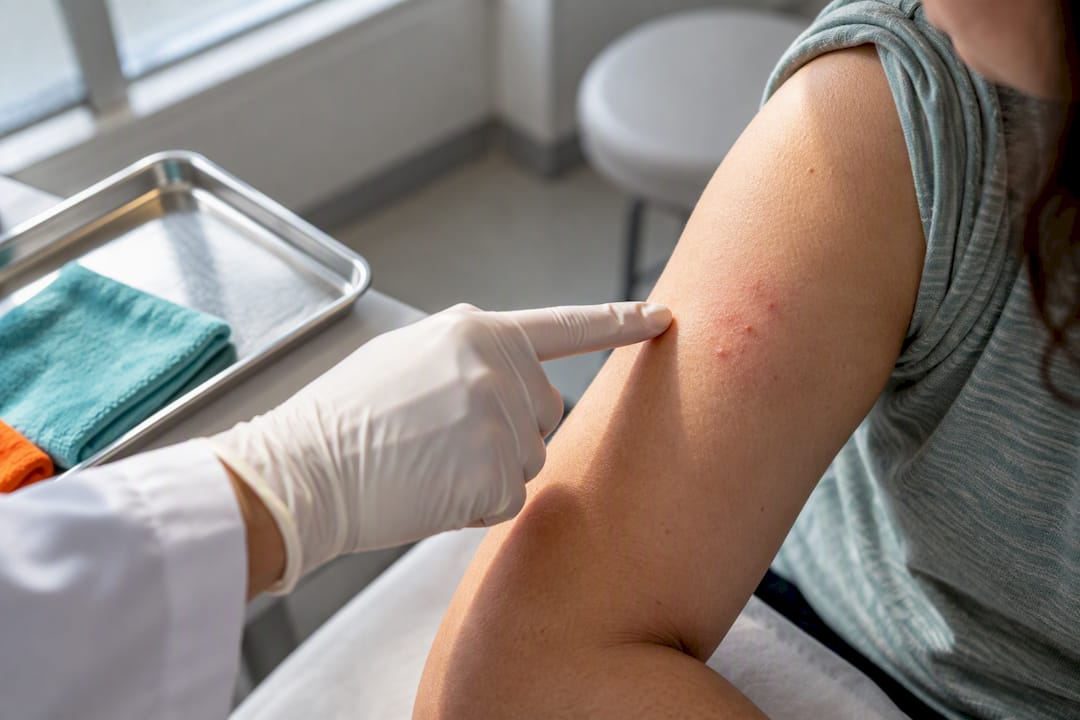
True allergic reactions to petroleum jelly are uncommon, largely because the refining process strips out most of the compounds that trigger immune responses. That said, “uncommon” isn’t “never,” and a small number of people do react, usually to the finished product rather than to purified petrolatum itself.
The more frequent culprits are added fragrances, dyes, or preservatives blended into scented or tinted versions rather than the plain white petrolatum base. If you notice redness, itching, small bumps, or a rash appearing where you applied it, that’s a contact reaction worth paying attention to, not something to push through.
The fix is straightforward: stop using the product, wash the area gently, and switch to a fragrance-free, dye-free version labeled “white petrolatum.” If the irritation doesn’t settle within a day or two, or if it spreads or blisters, see a clinician rather than guessing at the cause. People with known sensitivities to petroleum-derived products, or those managing eczema-prone skin, are the ones most likely to notice a reaction, and patch-testing a small area before broader use is a reasonable precaution for that group.
Storing Petroleum Jelly to Keep It Safe and Effective
Petroleum jelly is remarkably stable compared to most skincare products, largely because its hydrocarbon base doesn’t support bacterial growth the way water-based creams do. That stability is part of its appeal, but it isn’t an excuse to ignore basic storage habits.
Keep the container tightly sealed and store it at room temperature, away from direct sunlight and away from bathroom humidity if possible. Heat and moisture won’t necessarily spoil the product outright, but they can accelerate contamination if the container gets opened repeatedly with unwashed hands or a dirty applicator.
An unopened jar can last for years given its simple, stable composition. Once opened, though, the clock that matters isn’t chemical degradation, it’s contamination. Repeated finger-dipping introduces bacteria over time, which is a bigger safety concern than the petrolatum itself breaking down. If you’re using it on any wound or broken skin, a squeeze tube minimizes that risk far better than a wide-mouth jar ever will. Discard any product that changes color, develops an odd smell, or looks separated, since those are signs something in the container has gone wrong, even if the base ingredient itself doesn’t spoil in the traditional sense.
Is Petroleum Jelly Bad for the Environment?
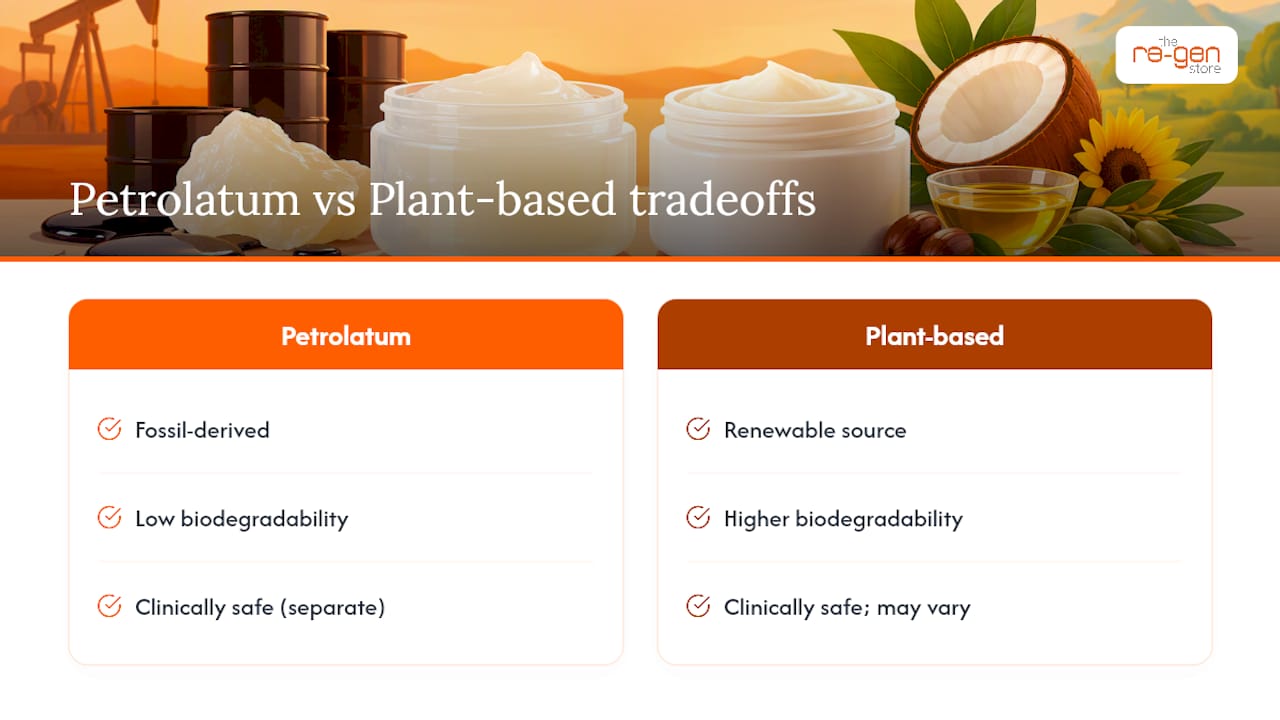
Petroleum jelly is a byproduct of crude oil refining, which ties its environmental footprint directly to fossil fuel extraction rather than to a renewable agricultural source. That’s the core tradeoff health-conscious and environmentally minded consumers weigh when comparing it to plant-based alternatives.
Petrolatum itself is not readily biodegradable in the way plant oils and waxes are. It resists breakdown by soil microorganisms, which means it lingers longer in wastewater and soil systems after it’s rinsed off or discarded. That’s not a household hazard in the way an infection risk is, but it’s a real point of concern for anyone factoring sustainability into their purchasing decisions.
This is part of why some consumers choose plant-based ointments even when petrolatum is clinically safe for their skin: the ingredient sourcing matters to them independent of the safety question. There’s no regulatory requirement forcing that choice, and petroleum jelly’s biodegradability profile has no bearing on whether it’s safe to put on a scraped knee. It’s simply a separate axis of concern, and one worth naming honestly rather than folding into a safety argument it doesn’t actually belong to.
Reading the Research: A Practical Take on Petroleum Jelly
The evidence here isn’t ambiguous, and that’s worth saying plainly: petroleum jelly is safe when it’s properly refined and used the way it’s meant to be used. Most of the fear around it traces back to purity, not the base ingredient, and to misuse rather than the product itself. Deep wounds, internal use, and unclean skin are where things go wrong, not chapped hands or minor scrapes.
What I find more interesting is what this evidence doesn’t settle: whether you should use it at all when a plant-based option does the same job without a fossil-fuel origin. That’s a values question, not a safety one, and it’s exactly where a formulation like Re-gen fits for readers who want the barrier benefit without the sourcing tradeoff.
— Kyle
A Petroleum-Free Option Worth Knowing About
If the sourcing question above resonates with you, Theregenstore built its flagship product around exactly that concern. Re-gen is formulated as a plant-based, petroleum-free ointment made from a blend of botanical ingredients aimed at supporting skin, soft tissue, and wound recovery without relying on a fossil-derived base.
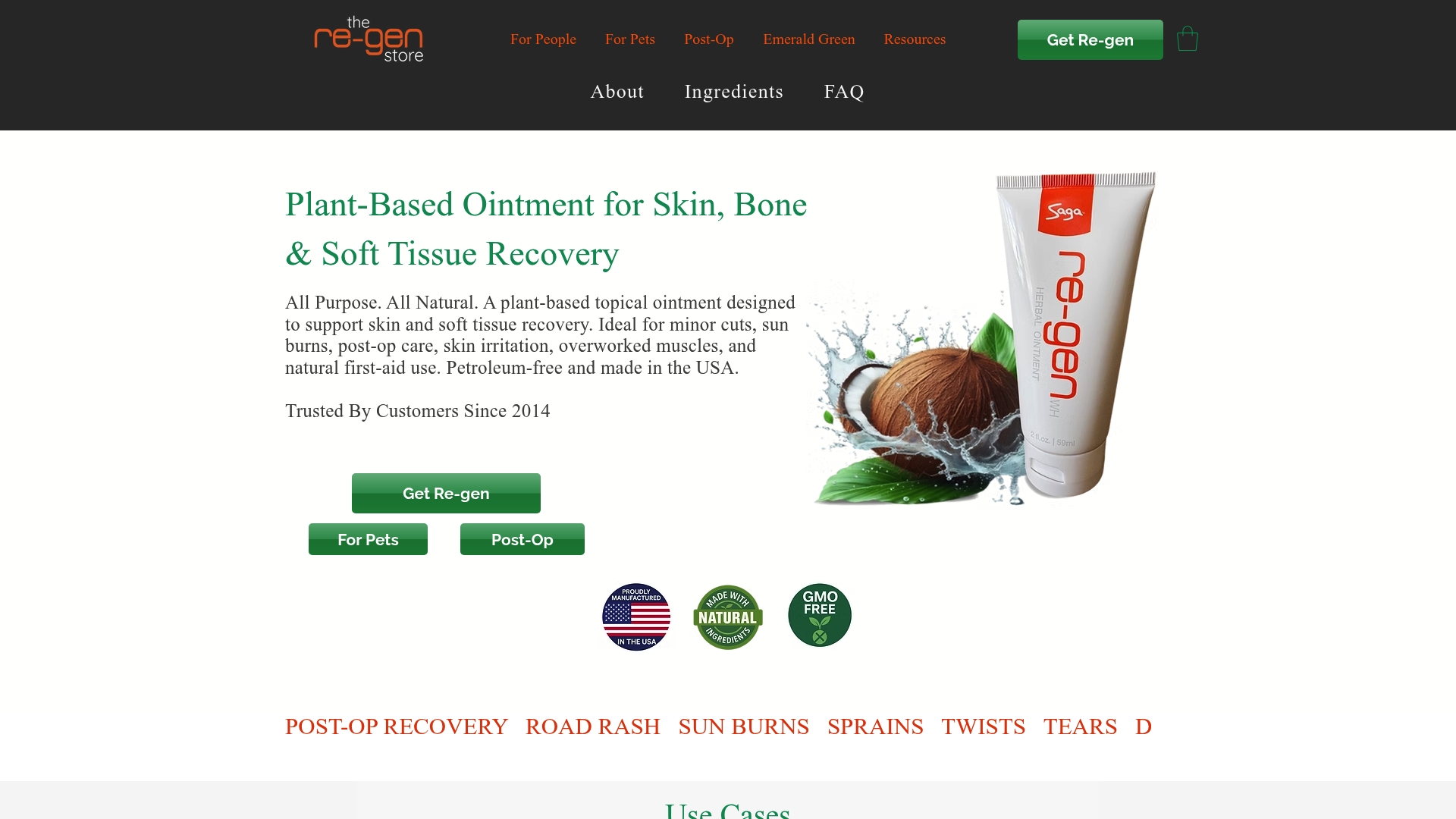
You can browse the full Re-gen Plant-Based Regenerative Ointment lineup to compare sizes and formulations, including the Emerald Green variant. If you’re weighing it directly against the product covered throughout this article, the Re-gen vs Petroleum Jelly comparison walks through how the two stack up side by side. Shipping is available for a flat rate, and you can browse the full catalog directly at Theregenstore to find the size that fits your household’s first-aid needs.
This article is general information, not a substitute for advice from a qualified doctor. Consult a qualified healthcare professional about your own circumstances before acting on anything here.
Sources
FAQ
Why do people avoid petroleum jelly?
Most hesitation comes down to two things: concern over fossil-derived sourcing and confusion about purity grades between cosmetic and pharmaceutical products. The safety data itself, including the 2023 JAAD review, doesn’t support broad avoidance for topical use on intact skin.
Is petrolatum banned in Europe?
No, petrolatum is not banned in Europe, but EU frameworks tend to require stricter refinery documentation and PAH testing than some other markets. This is why European-sold products often carry more explicit purity labeling, such as specifying triple-distillation.
What is the warning about Vaseline?
The main warnings concern misuse rather than the product itself: avoid internal or vaginal application due to an association with bacterial vaginosis, don’t pair it with latex condoms, and don’t seal it over deep or infected wounds without cleaning them first.
What is the difference between Vaseline and petroleum jelly?
Vaseline is a brand name for a specific petroleum jelly product, while “petroleum jelly” and “white petrolatum” are the generic terms for the substance itself. Purity and refinement can vary between brands, which is why checking for “pharmaceutical grade” or “white petrolatum” on the label matters more than the brand name.
Does Theregenstore sell a petroleum-free alternative?
Yes, Theregenstore’s Re-gen line is a plant-based, petroleum-free ointment positioned as an alternative for skin, soft tissue, and wound recovery. Current pricing and package sizes are listed on the product page.
Recommended
Comments