
3.2%–4.3% Prevalence: Neomycin Allergy Symptoms, Testing, Safe Alternatives

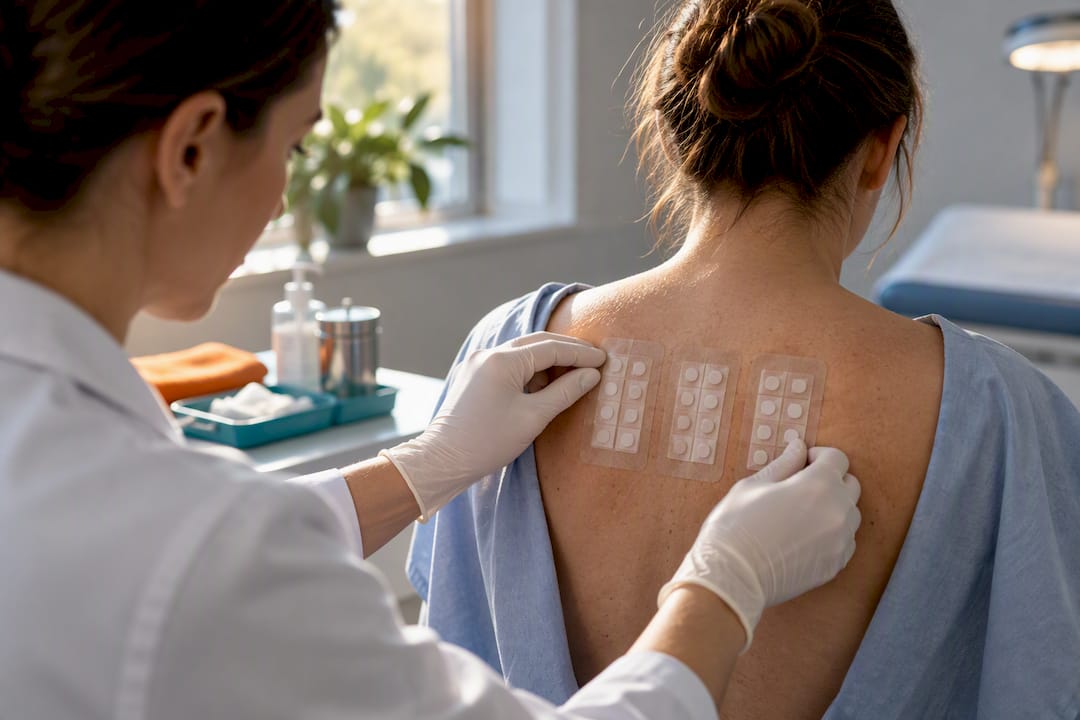
Neomycin commonly causes allergic contact dermatitis, and it’s one of the most frequent topical sensitizers dermatologists see. If a rash appears or worsens where you’ve applied a neomycin-containing cream or drop, stop using it and wash the area.
TL;DR:
Most people with neomycin allergy develop delayed contact dermatitis symptoms like redness, itching, and blisters, which may worsen over days with repeated use.
Patch testing at a 20% concentration in petrolatum with readings at 48 to 72 hours is standard; false negatives can occur if corticosteroids are used nearby or if testing is rushed.
About 3.2% of adults and 4.3% of children tested show contact allergy, with higher risks in those with chronic wounds, ear infections, or atopic skin.
Cross-reactivity among aminoglycoside antibiotics like gentamicin, tobramycin, and framycetin warrants avoiding these drugs once neomycin sensitivity is confirmed.
Re-gen ointment offers a plant-based, petroleum-free alternative for minor skin irritations, suitable for those with neomycin sensitivity, but not for infected wounds.
Table of Contents
What Is Neomycin and Where Does It Hide in Your Medicine Cabinet?
Neomycin is an aminoglycoside antibiotic, a drug class that works by disrupting bacterial protein production. It’s been a staple of over-the-counter wound care for decades, largely because it’s cheap, broad-spectrum, and sold without a prescription in most combination ointments.
That widespread availability is exactly why sensitization is so common. You’ve probably applied it without knowing, since it rarely appears alone on a label. It’s usually bundled with other active ingredients under a brand name you recognize, not a chemical name you’d think to look up.
Common places neomycin turns up include:
Triple antibiotic ointments (neomycin paired with polymyxin B and bacitracin)
Single-agent neomycin creams and ointments
Eye drops and ear drops prescribed for infections
Combination steroid creams used for eczema flare-ups or rashes
Veterinary first-aid ointments and sprays
Some older wound powders and topical formulations still in circulation
There are also less obvious exposure points worth knowing about. Certain vaccines carry trace amounts of neomycin as a manufacturing residue, not an active ingredient, and some prescription eardrops for chronic ear infections use it as the primary antibacterial agent. If you’re managing a known neomycin sensitivity, read the active ingredients section on every tube and bottle in your house, not just the front label. Manufacturers frequently reformulate products, and a brand you’ve used safely for years can change its formula without much fanfare.
What Does a Neomycin Rash Look Like?
A neomycin rash follows the pattern of allergic contact dermatitis, which is a delayed immune response rather than an immediate one. That delay is what confuses a lot of people, because the reaction doesn’t show up the moment the cream touches skin.
Typical neomycin allergy symptoms include:
Redness and swelling confined to the area where the product was applied
Persistent itching that can range from mild to intense
Raised, firm bumps (papules), sometimes clustered around hair follicles
Small blisters (vesicles) that can break open and weep
A rash that appears or worsens days after starting the product, not immediately
The timing pattern is the biggest clue. Because neomycin allergy is a delayed-type hypersensitivity reaction, symptoms often build over repeated applications rather than flaring on first contact. Someone treating a minor cut might apply the ointment for four or five days before the skin around the wound turns red, itchy, and irritated, which looks a lot like the wound simply isn’t healing.
Combination products complicate this picture further. Many triple-antibiotic ointments and prescription creams pair neomycin with a corticosteroid, and that steroid component can mask the early signs of an allergic reaction. The anti-inflammatory effect calms the surface irritation temporarily, so the underlying sensitization keeps building unnoticed until the product is stopped or the steroid effect wears off between doses.
Pro Tip: If a wound or rash you’re treating with an antibiotic ointment looks worse a few days in rather than better, stop the product before assuming you need a stronger one. Worsening under treatment is one of the clearest signals of contact allergy, not undertreated infection.
Certain red flags mean you should skip the wait-and-watch approach entirely. Seek urgent care if you notice rapid spread beyond the original site, fever, chills, pus with a foul odor, or any swelling that suggests a spreading infection rather than a localized allergic reaction. Those symptoms point toward true infection or a severe hypersensitivity response, both of which need direct medical evaluation rather than home management.
How Do Doctors Diagnose Neomycin Allergy?
Patch testing is the standard method for diagnosing neomycin allergy, and it’s a well-established protocol with specific timing requirements. Getting the timing right matters, because reading the test too early or too late can produce a misleading result.
The typical process looks like this:
A dermatologist or allergist applies neomycin sulfate at a 20% concentration in petrolatum to a small patch, usually placed on the upper back.
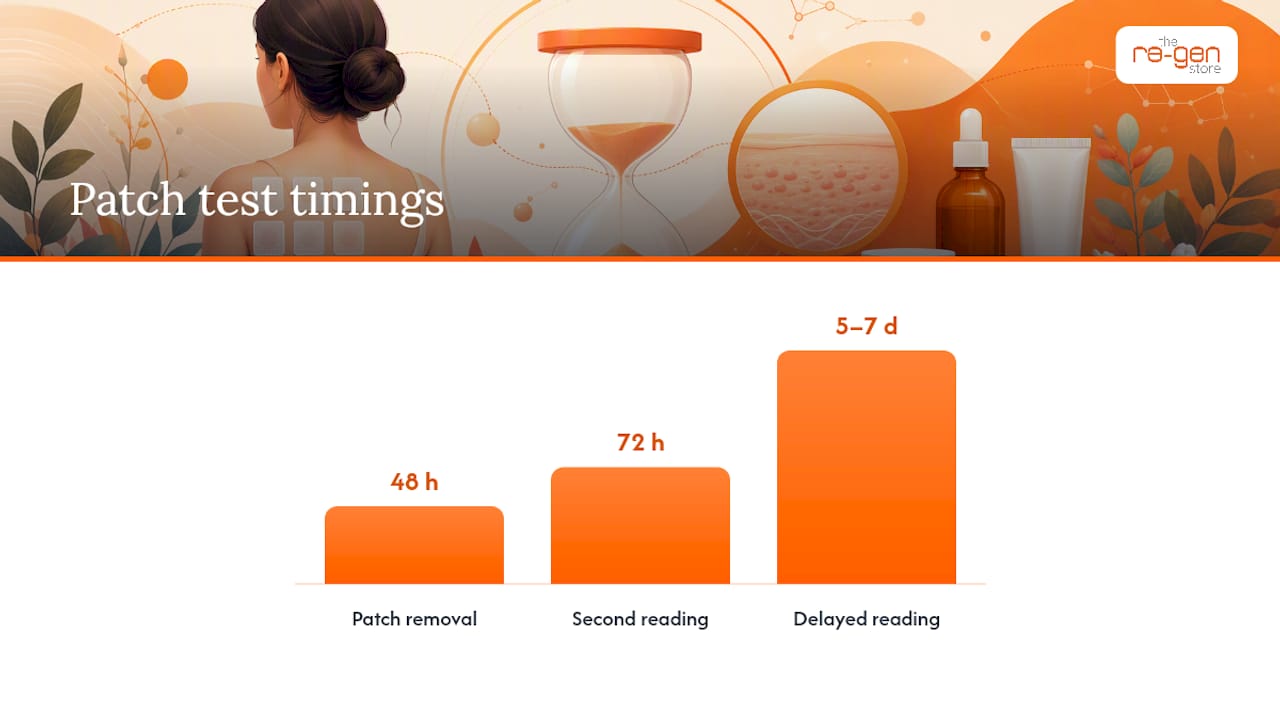
The patch stays in place, undisturbed, for 48 hours.
The clinician removes the patch and takes the first reading, checking for redness, swelling, or blistering at the site.
A second reading follows at the 72-hour mark, since some reactions develop slightly later than the initial removal.
Some clinics schedule an additional delayed reading at day 5 or 7, because neomycin reactions occasionally appear even later than the standard 72-hour window.
This 48 to 72-hour reading window is one of the most important technical details in the whole diagnostic process, and it’s why patch testing can’t be rushed into a same-day office visit the way a scratch test for pollen allergies can.
Testing snapshot: Standard neomycin patch testing uses a 20% concentration in petrolatum, with reactions typically appearing 48 to 72 hours after application. When results stay ambiguous, some specialists move to intradermal testing at a 1:1000 dilution to clarify the diagnosis.
If the patch test comes back negative but your history strongly suggests neomycin is the culprit, an intradermal test at a 1:1000 dilution may be the next step. This approach is used selectively, generally by specialists who have weighed the clinical picture and decided a negative patch result doesn’t fully rule out sensitization.
A few pitfalls can throw off results. Recent or concurrent use of topical or oral corticosteroids can suppress the skin’s ability to react during testing, producing a false negative even in someone genuinely allergic. Testing too soon after a flare, or on skin that’s still inflamed from the original reaction, can also distort results. This is exactly why interpretation belongs to a specialist trained in patch testing, not a general reading of “positive” or “negative” off a chart. Context, timing, and the patient’s exposure history all factor into a reliable diagnosis.
How Common Is Neomycin Allergy, and Who’s Most at Risk?
Neomycin allergy affects a real but modest slice of the population. A systematic review and meta-analysis pooling data across studies found contact allergy to neomycin in roughly 3.2% of adults and 4.3% of children tested for skin allergies, with some regional variation and higher rates reported in North America in certain studies.
Those numbers put neomycin allergy in an odd middle zone. It’s uncommon enough that most people who apply an antibiotic ointment once or twice never react, but common enough that dermatology clinics see it regularly, especially among patients who’ve used topical antibiotics repeatedly over months or years.
Certain groups carry meaningfully higher risk:
People with chronic leg ulcers or venous stasis wounds, who often apply topical antibiotics for extended periods
Patients with chronic otitis externa (long-term ear infections) treated repeatedly with neomycin eardrops
Individuals with atopic dermatitis, whose already-compromised skin barrier makes sensitization easier
Anyone who’s used OTC triple-antibiotic ointment as a default first-aid product for years without issue, since sensitization tends to build with cumulative exposure
That last point matters because it runs counter to intuition. Most people assume that if they’ve used a product safely for years, they’re in the clear. With neomycin, repeated exposure is actually the mechanism that builds sensitization over time, so someone using it as a household staple can develop an allergy well into adulthood after a decade of trouble-free use. The broader sensitization data supports this: prevalence climbs in populations with chronic wounds precisely because those patients get more cumulative exposure than someone treating an occasional scraped knee.
Which Other Antibiotics Should You Avoid If You’re Allergic?
Neomycin belongs to the aminoglycoside family, a group of antibiotics that share a similar chemical backbone. That shared structure is exactly why cross-reactivity is such a practical concern once you’ve been diagnosed.
Aminoglycosides containing a deoxystreptamine ring, which includes several drugs beyond neomycin, are prone to cross-reaction in people already sensitized. Clinical reviews describe cross-reactivity within aminoglycoside subgroups as substantial, meaning a positive reaction to neomycin raises real odds of reacting to chemically related drugs as well.
Antibiotics to discuss with your clinician and generally avoid in topical form include:
Gentamicin, a common topical and ophthalmic antibiotic with well-documented cross-reactivity
Framycetin, chemically close to neomycin and specifically flagged in patient advisory materials
Tobramycin, used in eye drops and some inhaled formulations, with cross-reactivity reported in patch-testing literature
Kanamycin, less commonly prescribed today but still relevant in some regions and formulations
In practice, this means checking the active ingredients on eye drops, ear drops, and any prescription antibiotic cream before you use it, not just avoiding products explicitly labeled “neomycin.” Tell every prescriber, from your primary care doctor to an urgent care physician to your ophthalmologist, that you have a documented aminoglycoside allergy. Some clinicians take a conservative approach and recommend patients avoid all topical aminoglycosides entirely once a reaction is confirmed, particularly if the original reaction was severe. It’s also worth noting that bacitracin allergy often travels alongside neomycin sensitivity, since the two are frequently combined in the same triple-antibiotic ointments and co-sensitization is common even though the drugs are chemically unrelated. If your reaction history involves a triple-antibiotic product, ask your dermatologist to test for both.
What’s the Right Way to Treat and Manage a Reaction?
The first step in treating neomycin allergy is also the simplest: stop the product immediately. Continued exposure keeps the immune response active and delays healing, so this isn’t a “finish the tube” situation.
Once you’ve stopped the offending product, a few steps help calm the reaction:
Wash the affected area gently with plain water or a mild, fragrance-free cleanser, avoiding any further antibiotic or medicated products.
Apply a plain, unscented emollient to support the skin barrier while inflammation settles.
Use a topical corticosteroid, if your clinician recommends one, to reduce redness, itching, and swelling.
For severe, weeping, or blistered reactions, a clinician may recommend cool wet dressings to soothe the skin and reduce discomfort.
Reserve oral corticosteroids for more extensive or stubborn reactions, and only under direct medical supervision.
If the area shows real signs of bacterial infection, meaning increasing warmth, pus, spreading redness with fever, that’s a different problem requiring a different solution. Don’t try to self-treat a genuinely infected wound with a substitute cream in place of medical care. See a clinician, who can prescribe an antibiotic from a class you’re not allergic to.
Pro Tip: Keep a written note of exactly which product triggered your reaction, including the full ingredient list from the packaging, and bring it to every medical appointment. “I’m allergic to Neosporin” tells a new prescriber far less than “I had contact dermatitis to neomycin, confirmed by patch testing.”
Vaccination is a common worry once someone learns they have a neomycin allergy, and the reassuring answer is that contact dermatitis to neomycin is generally not a contraindication to vaccines that contain trace amounts as a manufacturing residue. The trace levels involved rarely trigger the kind of delayed skin reaction seen with direct topical exposure. The exception is a documented history of an immediate, severe systemic reaction, such as anaphylaxis, to neomycin itself, which is a different and much rarer situation that your doctor should evaluate before any vaccination decision.
Once you’ve confirmed the allergy, document it clearly in your medical record, and if your reaction history includes anything severe, consider a medical alert bracelet or card. It’s a small step that removes guesswork from every future emergency room visit or new prescriber relationship.
What Can You Use Instead of Topical Antibiotics?
Modern wound care has moved away from reflexively reaching for antibiotic ointment on every scrape. Antiseptics like octenidine and polyhexanide are increasingly favored for routine wound care because they carry a lower sensitization risk while still supporting a clean healing environment, an approach that also sidesteps growing concerns about antimicrobial resistance from unnecessary antibiotic use.
For anyone avoiding neomycin specifically, the question becomes what to look for in a non-antibiotic alternative. A few things matter:
Full ingredient transparency, so you can confirm there’s no aminoglycoside or hidden cross-reactive compound
A formulation free of petroleum byproducts, if you’re also trying to avoid occlusive bases that can trap moisture against irritated skin
A track record for minor cuts, scrapes, and post-procedure skin support, rather than a product marketed for infections that genuinely need antibiotic treatment
Theregenstore’s Re-gen ointment is one documented example of this category: a plant-based, petroleum-free formula built for skin recovery without the antibiotic ingredients that trigger reactions like the ones covered above. It’s not a substitute for medical treatment of a genuinely infected wound, but for everyday cuts, scrapes, and skin irritation in someone with a known aminoglycoside allergy, it’s a reasonable option to have on hand.
An Editor’s Take on Overreacting to a Rash (and Underreacting to It)
Here’s what gets missed in most advice on this topic: people either panic and swear off every ointment in the house, or they shrug off a worsening rash as “just how healing looks.” Both instincts are wrong. The prevalence data says neomycin allergy is real but not common enough to assume every rash is one. The clinical pattern (worsening after days of use, not immediate irritation) is specific enough that you don’t need to guess.
Evaluation beats self-diagnosis every time. If a rash fits the delayed pattern, stop the product, write down exactly what you used, and let a dermatologist or allergist confirm it with proper testing. That single piece of documentation will save you years of confusion at every future pharmacy counter and doctor’s visit.
— Kyle
Why Theregenstore’s Re-gen Ointment Fits This Exact Situation
If you’ve just learned you need to avoid neomycin and every other aminoglycoside, the practical problem isn’t just “what’s causing the rash.” It’s “what do I put on cuts and scrapes now.” Theregenstore built Re-gen specifically to answer that question with a plant-based, petroleum-free formula that skips antibiotic ingredients entirely, so there’s no gentamicin, no framycetin, and no neomycin hiding in the fine print.

Re-gen uses a blend of 10 herbal ingredients formulated to support skin, muscle, and bone recovery, positioned as a chemical-free alternative to conventional antibiotic ointments like Neosporin for both humans and pets. That last part matters if you’re also managing a pet’s minor wounds and want one first-aid product that doesn’t require checking two separate ingredient lists. For an infected wound or anything showing fever, spreading redness, or pus, see a clinician first, since Re-gen is designed for everyday skin recovery, not active infection.
Browse the full product lineup, including the Emerald Green formulation, and check it against your own ingredient concerns before adding it to your medicine cabinet. Shipping is offered at a flat rate, so restocking your first-aid kit at Theregenstore comes with a predictable shipping cost.
Sources
FAQ
What Should You Avoid If You’re Allergic to Neomycin?
Avoid any product listing neomycin, gentamicin, tobramycin, framycetin, or kanamycin on the label, since these aminoglycosides frequently cross-react in sensitized individuals. Check triple-antibiotic ointments, prescription eye and ear drops, and veterinary first-aid products closely, since neomycin often hides in combination formulas rather than appearing as the sole active ingredient.
Is It Common to Be Allergic to Neomycin?
Neomycin allergy affects an estimated 3.2% of adults and 4.3% of children among those tested for contact allergies, making it uncommon but far from rare. Rates run higher in people with chronic wounds, long-term ear infections, or atopic dermatitis, since repeated topical exposure raises the odds of sensitization over time.
What’s a Good Cream for Treating Skin Allergies Without Antibiotics?
Look for a fragrance-free emollient or a plant-based, petroleum-free formula with a fully transparent ingredient list and no aminoglycoside content. Theregenstore’s Re-gen ointment is one option built specifically without antibiotic ingredients, designed to support skin recovery for people avoiding neomycin and related compounds.
What Products Commonly Contain Neomycin?
Neomycin shows up in triple-antibiotic ointments, single-agent antibiotic creams, prescription eye and ear drops, some combination steroid creams, and certain veterinary first-aid products. It also appears as a trace manufacturing residue in some vaccines, though this trace exposure is generally not a concern for people with contact dermatitis to neomycin.
Recommended
Comments