
Dry Lips Solutions: Fast Relief for Chapped Lips
- Sunny

- 3 days ago
- 10 min read
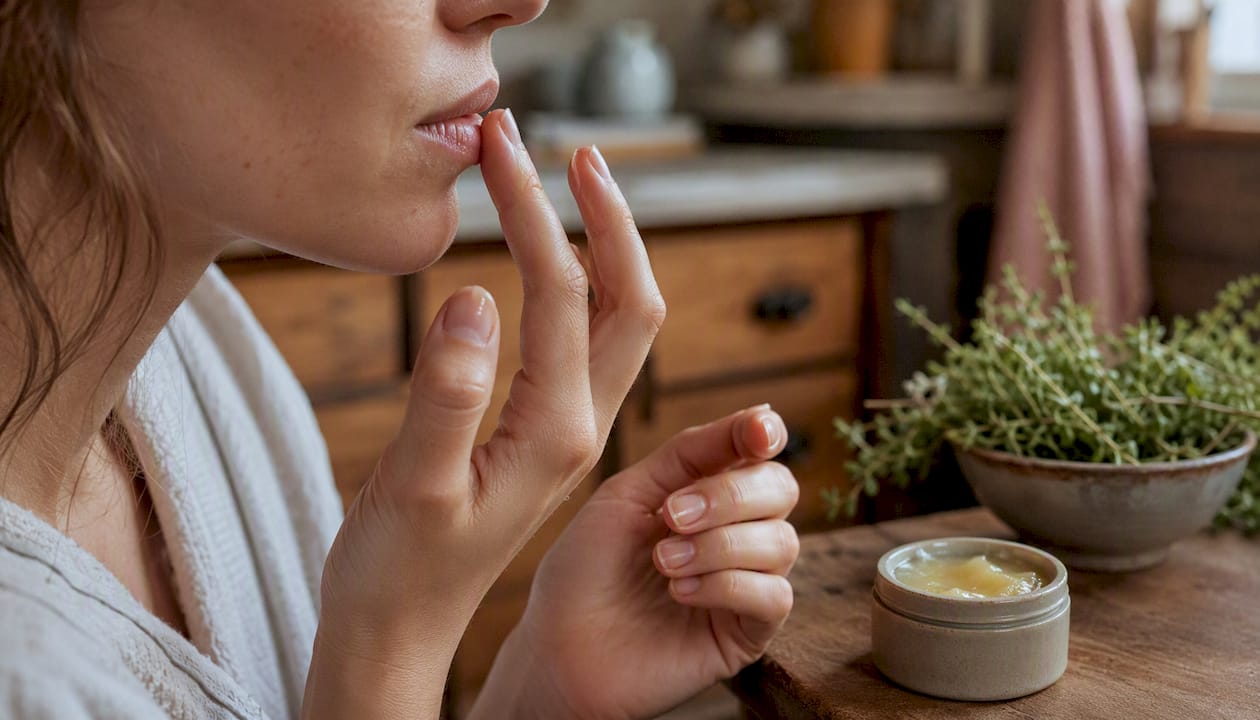
The fastest dry lips solution is applying a thick occlusive ointment right now and stopping all licking and picking immediately. That single combination, backed by the American Academy of Dermatology, does more in the first hour than any other step.
Here is what to do right now:
Rinse lips gently with cool water and pat dry.
Apply a thick layer of petrolatum, a plant-based occlusive like Theregenstore’s Re-gen ointment, or a ceramide-rich balm.
Stop licking. Saliva contains digestive enzymes that erode the lip barrier and worsen dryness with every pass.
At bedtime, slather on a heavier ointment and leave it overnight.
Most people feel noticeable relief within a few hours. Consistent care over a few weeks resolves the majority of chapped lips cases.
Pro Tip: Warm a small amount of ointment between your fingertips before applying. It spreads more evenly and penetrates the surface layer faster than a cold, stiff product.
Key Takeaways
Applying an occlusive ointment immediately and stopping all licking and picking is the single most effective combination for healing dry, chapped lips.
Point | Details |
Apply an occlusive first | Petrolatum or a plant-based ointment seals moisture in and starts barrier repair immediately. |
Stop licking and picking | Saliva enzymes erode the lip barrier; mechanical irritation is the primary reason lips stay chapped. |
Choose the right ingredients | Seek ceramides, dimethicone, glycerin, and mineral SPF; avoid menthol, camphor, and fragrance. |
Stage your routine | Use a mineral SPF balm during the day and your thickest occlusive at bedtime. |
Theregenstore Re-gen | A petroleum-free, plant-based ointment that works as a daytime moisturizer or overnight barrier treatment. |
Table of Contents
Why your lips dry out faster than the rest of your face
Lips have no oil glands. That single biological fact explains nearly everything about why they chap so easily. The rest of your facial skin has sebaceous glands that continuously deposit a protective lipid film. Your lips have none, so they rely entirely on the thin mucous membrane and whatever product you apply to hold moisture in.
The result is rapid transepidermal water loss. Ohio State Health researchers note that lips lose water faster than any other area of the face, which makes them the first to show dryness when conditions shift. Understanding your skin barrier function helps explain why occlusives are the most direct fix.
Common external causes:
Cold, dry air and wind strip surface moisture rapidly.
Low indoor humidity, especially with forced-air heating in winter.
Sun exposure degrades the lip surface and causes UV-related dryness.
Breathing through your mouth in dry environments.
Behavioral causes that most people overlook:
Lip licking. Saliva feels soothing for a second, then the enzymes amylase and maltase begin breaking down the lip surface.
Picking or peeling flakes, which removes the new tissue forming underneath.
Flavored lip products and strong essential oils that trigger contact dermatitis.
Metal contact from jewelry, cutlery, or musical instruments.
Lips are among the most exposed and least protected surfaces on the body. They have no oil glands, face constant environmental stress, and are frequently irritated by the very habits people use to soothe them.
What to apply right now for fast pain relief
The priority order matters here. Not all lip products work the same way, and using the wrong type first can delay relief.
Occlusives come first. An occlusive creates a physical seal over the lip surface that stops water from evaporating. Petrolatum (petroleum jelly) is the most studied option. AAD dermatologists confirm that ointments keep moisture longer than waxes or oils and are the recommended choice for very dry or cracked lips. Plant-based occlusives, including tallow-based balms and herbal ointments, can provide comparable barrier protection for readers who prefer petroleum-free options.
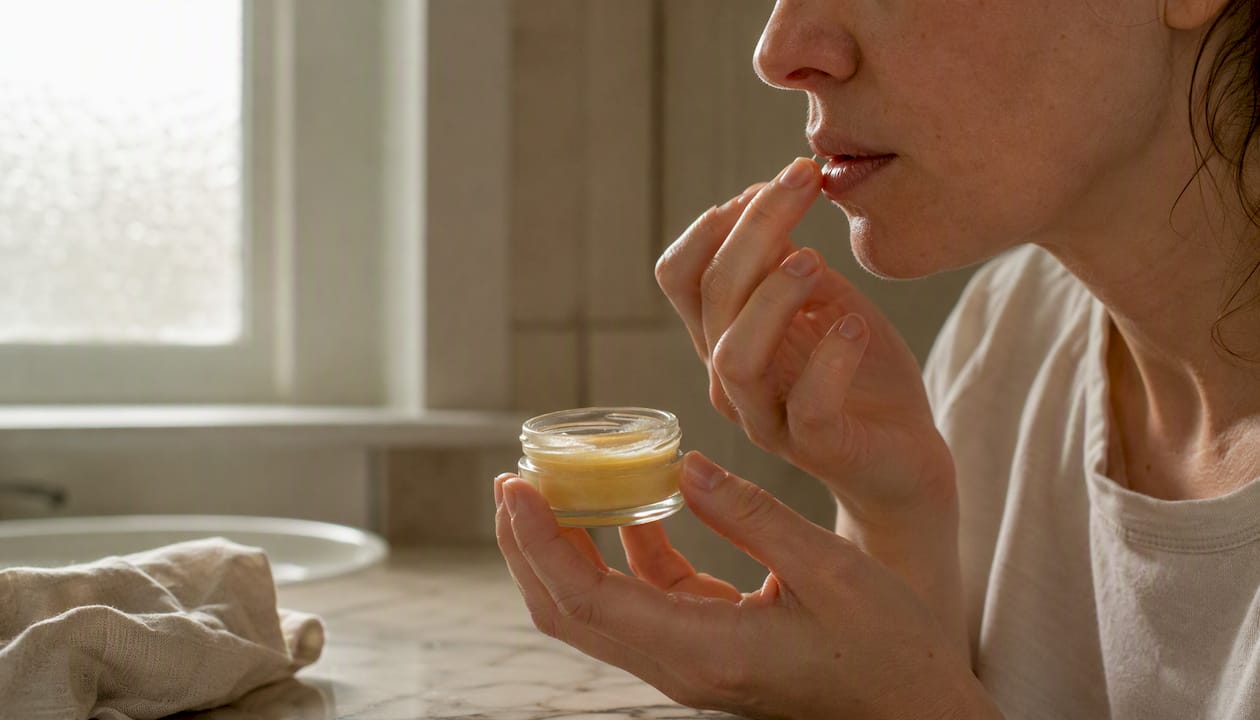
Humectants work under the occlusive. Glycerin, hyaluronic acid, and ceramides draw water into the outer lip layers. They are most effective when paired with an occlusive top coat that prevents that water from evaporating right back out. Cleveland Clinic guidance recommends products containing ceramides, dimethicone, and glycerin as reliable barrier-repair ingredients.
Staging by time of day:
Emergency first aid (cracked or bleeding lips): Apply a plain, fragrance-free occlusive immediately. Do not exfoliate. Do not apply anything with menthol or camphor.
Daytime: Use a balm or ointment that includes a mineral SPF (zinc oxide or titanium dioxide). Reapply after eating or drinking.
Overnight: Apply the thickest ointment you have. This is when the lip barrier does most of its repair work, and a heavy occlusive layer supports that process without interruption.
MedlinePlus lists beeswax, petrolatum, and sun protection as effective first-line home treatments, confirming that simple, well-formulated products outperform complex ones.
How to read a label and choose the right lip product
Knowing which ingredients to seek and which to skip lets you evaluate any product in under 30 seconds.
Seek These Ingredients | Avoid These While Healing |
Petrolatum / petroleum jelly | Menthol |
Plant-based occlusives (shea, tallow, herbal ointments) | Camphor |
Dimethicone | Salicylic acid |
Ceramides | Fragrances and essential oils |
Glycerin | Strong flavorings (cinnamon, mint) |
Hyaluronic acid | Lip plumpers with irritating actives |
Zinc oxide or titanium dioxide (mineral SPF) | Chemical sunscreen actives on broken skin |
Cleveland Clinic dermatologists specifically name ceramides, dimethicone, glycerin, and mineral oils as the ingredients to prioritize, while flagging fragrance, menthol, camphor, and salicylic acid as irritants that worsen compromised lip skin.
Quick label-reading checklist:
The first two or three ingredients are the bulk of the formula. Petrolatum or a plant-based occlusive should appear near the top.
Look for “fragrance-free” and “hypoallergenic” on the label, not just “unscented” (unscented can still contain masking fragrances).
Confirm SPF type: zinc oxide or titanium dioxide for mineral protection; avoid chemical filters on actively cracked lips.
Skip any product that lists “flavor” without specifying what it is.
Pro Tip: A tallow-based lip balm, like the Fat Lips Tallow Lip Balm from Tallow Skin Co., uses animal-derived fat as a natural occlusive with a fatty acid profile close to human skin lipids, making it a strong petroleum-free option for readers who want a whole-food ingredient list.
Exactly how and when to apply your lip products
Timing and technique determine whether a product actually heals or just temporarily masks dryness.
Morning: Cleanse lips gently with a damp cloth. Apply a thin layer of a ceramide or glycerin-based balm, then top with an SPF lip product containing zinc oxide.
Throughout the day: Reapply every 2–4 hours, and always after eating or drinking. Food and beverages strip the product layer and leave lips exposed.
Before outdoor exposure: Add an extra layer of mineral SPF balm. Wind and UV both accelerate moisture loss.
Evening: Remove any lipstick or tinted product gently with a non-stripping oil or micellar water. Pat dry.
Bedtime: Apply a generous layer of your thickest occlusive. This is the most important application of the day. Cleveland Clinic recommends staging care with a thicker ointment at night and an SPF-containing balm during the day.
Technique matters. Warm the product between your fingertips first. Press it onto the lips rather than rubbing aggressively, which can lift fragile surface tissue. Use a clean finger or a cotton swab, not the product tube directly on broken skin.
Pro Tip: Applying a single thick occlusive coat at night, and committing to not licking lips during the day, breaks the dryness-licking cycle faster than frequent light reapplication. The goal is fewer, more deliberate applications, not constant touching.
Daily habits that stop dry lips from coming back
Treatment heals what is already damaged. Prevention stops the cycle from restarting.
Build these habits into your routine:
Apply an SPF lip product every morning before going outside, year-round.
Keep a balm in your pocket, at your desk, and on your nightstand. Accessibility drives consistency.
Remove lipstick and drying cosmetics gently every evening.
Avoid picking at flaking skin. Let it shed naturally or soften it with an occlusive first.
Control your environment:
Run a humidifier in your bedroom during dry months, especially with forced-air heating or air conditioning running overnight.
Cover your lips with a scarf or balaclava in wind and cold.
Increase indoor humidity to around 40–50% while sleeping if recurrent dryness is a problem.
Hydration and diet context: Drinking water supports overall skin health, but it does not directly hydrate lips on contact. Consistent moisturization is the mechanism that matters. If you experience recurrent chapping despite good topical care, consider whether your diet includes adequate omega-3 fatty acids, which support skin barrier integrity from the inside.
Common mistakes that keep your lips from healing
Most people who struggle with persistent chapped lips are doing at least one of these things without realizing it.
Myths worth correcting:
“Lip scrubs help heal chapped lips.” They do not, on actively cracked skin. Ohio State Health specifically advises against exfoliating cracked or sore lips, as it removes the fragile new tissue forming underneath and delays recovery.
“Tingling means it’s working.” Tingling signals irritation, not healing. Products with menthol, camphor, or peppermint create a brief cooling sensation that masks discomfort while triggering a rebound dryness cycle.
“Drinking more water will fix chapped lips quickly.” Hydration supports skin health broadly, but topical barrier repair is what heals lips directly.
Common mistakes in practice:
Using “medicated” lip balms containing menthol or camphor. The AAD warns that ingredients that sting or tingle often indicate irritation and should be avoided while lips are healing.
Applying flavored or scented balms that cause contact dermatitis.
Exfoliating with a toothbrush or sugar scrub while lips are actively sore.
Continuing to lick lips for relief. Cleveland Clinic explains that saliva contains digestive enzymes that erode the lip barrier with every pass.
The most common reason lips stay chapped is not a lack of product. It is continued mechanical irritation — licking, picking, and using products that sting — that prevents the barrier from closing.
When to see a doctor or dermatologist
Most chapped lips respond to consistent self-care within 2–3 weeks. When they do not, something else may be driving the problem.
See a clinician if you notice:
Symptoms that persist beyond two weeks despite consistent occlusive care and avoidance of irritants.
Redness or swelling that spreads beyond the lip border.
Bleeding fissures that do not improve after several days of treatment.
Signs of infection: increasing warmth, pus, or crusting that worsens.
Suspected allergic reaction: sudden worsening after starting a new product.
Severe pain that interferes with eating or speaking.
Persistent lip dryness that does not resolve can indicate angular cheilitis (a fungal or bacterial infection at the lip corners), contact dermatitis from a specific ingredient, or an underlying nutritional deficiency. A dermatologist can run a patch test to identify contact allergens and prescribe a topical treatment if needed.
What to bring to the appointment: a list of every lip product you have used in the past month, a timeline of when symptoms started, and photos of the affected area if possible.
Re-gen as a plant-based option for barrier repair
For readers who prefer to avoid petroleum-based products, Theregenstore’s Re-gen ointment offers a plant-based occlusive alternative designed to support skin and soft tissue recovery. It can be used in the same way as a conventional healing ointment: applied as a daytime moisturizer under SPF, or as a thicker overnight treatment to support barrier repair while you sleep.
Re-gen’s plant-based formulation is positioned as a petroleum-free approach to wound and skin healing, making it relevant for readers who want natural, chemical-free ingredients without sacrificing occlusive protection. Theregenstore publishes ingredient lists, usage guides, and application instructions on its site, which supports informed use.
Usage guidance for lip care:
Apply a small amount to clean, dry lips using a clean fingertip.
Use during the day as a moisturizing layer, then add a mineral SPF product on top before going outside.
At night, apply a more generous layer as your overnight occlusive treatment.
If you have sensitive skin or known plant allergies, do a small patch test on the inner arm before applying to lips.
Safety note: Stop use and consult a clinician if you notice spreading inflammation, increased pain, or any signs of infection after application.
For a direct comparison of how plant-based ointments perform against petroleum jelly, Theregenstore’s Re-gen vs. petroleum jelly guide covers the key differences in barrier mechanism and ingredient sourcing.
Pro Tip: If you are healing cracked or irritated lip skin and want to avoid petroleum, look for a plant-based ointment with a short, recognizable ingredient list. Fewer synthetic additives means fewer potential irritants on already compromised tissue.
What barrier-focused care actually gets right
Most lip care advice focuses on what to buy. The more useful frame is what to stop doing. Licking, picking, and reaching for tingling “medicated” balms are the three behaviors that keep lips chapped longer than any environmental factor. The product is secondary to the habit.
Barrier-focused care, whether you use petrolatum or a plant-based ointment like Re-gen, works because it removes the variable of ongoing moisture loss. Once the barrier is sealed and mechanical irritation stops, lips heal on their own timeline. The overnight application is the one that matters most, because it is the only one that stays in place long enough to do real work.
Theregenstore’s plant-based ointment for lip and skin recovery
If you want a petroleum-free option that supports barrier repair without synthetic chemicals, Theregenstore’s Re-gen ointment is built for exactly that. It is a plant-based regenerative ointment designed for skin, soft tissue, and wound recovery, and it applies cleanly as both a daytime moisturizer and an overnight occlusive for dry or cracked lips.
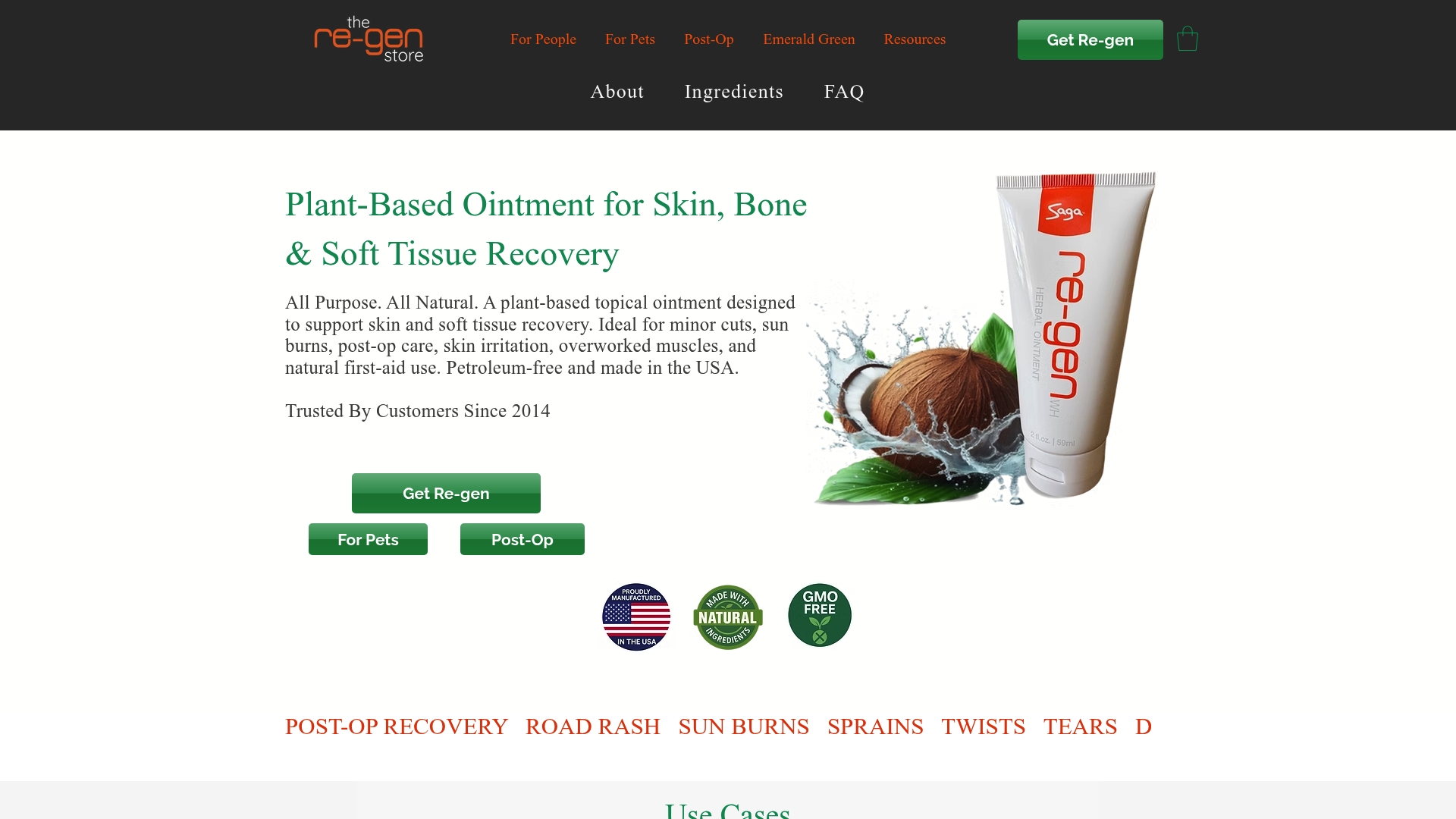
Re-gen is available directly through Theregenstore, with full ingredient transparency and usage guidance on the product page. For readers coming from this article, it fits as a direct swap for conventional petroleum ointments in the nighttime routine or as a daily lip moisturizer under SPF. Visit the Re-gen plant-based regenerative ointment page to review the full ingredient list and choose the right size for your routine.
Sources
This article is general information, not a substitute for advice from a qualified doctor. Consult a qualified healthcare professional about your own circumstances before acting on anything here.
FAQ
What hydrates lips quickly?
An occlusive ointment applied immediately, such as petrolatum or a plant-based alternative, provides the fastest relief by sealing in existing moisture and stopping water loss. Pairing it with a glycerin or hyaluronic acid product underneath speeds up hydration further.
What is the main cause of dry lips?
Lips have no oil glands, so they lose moisture faster than any other part of the face. Environmental factors like cold air, wind, and sun exposure accelerate that loss, and lip licking makes it significantly worse by depositing digestive enzymes on the surface.
What deficiency causes chapped lips?
Persistent chapped lips that do not respond to topical care can sometimes indicate a deficiency in B vitamins (particularly B2 or B3) or iron. A clinician can confirm this with a simple blood panel if self-care does not resolve the issue within two to three weeks.
How do I hydrate my lips naturally?
Apply a natural occlusive like a tallow-based balm or a plant-based ointment to seal in moisture, and pair it with a humectant such as glycerin. Running a humidifier at night and avoiding flavored or scented products also supports natural recovery without synthetic additives.
Recommended
Comments