
Common Post-Operative Wound Care: Your Recovery Guide


Common post-operative wound care is the process of protecting and maintaining your surgical incision to promote healing and prevent infection. The clinical term is post-operative wound management, and it covers everything from how you clean the site to what you eat during recovery. Done correctly, it reduces your risk of complications, supports faster tissue repair, and gives you the best chance at a clean scar. This guide walks you through every step, from the basics of hygiene and dressing changes to the warning signs that require a call to your surgeon.
1. Essential cleaning and dressing practices for surgical wounds
Proper wound hygiene is the foundation of post-surgery wound management. Before you touch the wound for any reason, wash your hands with soap and warm water for at least 20 seconds. This single step prevents the majority of preventable post-operative infections, yet most patients skip it or rush through it.
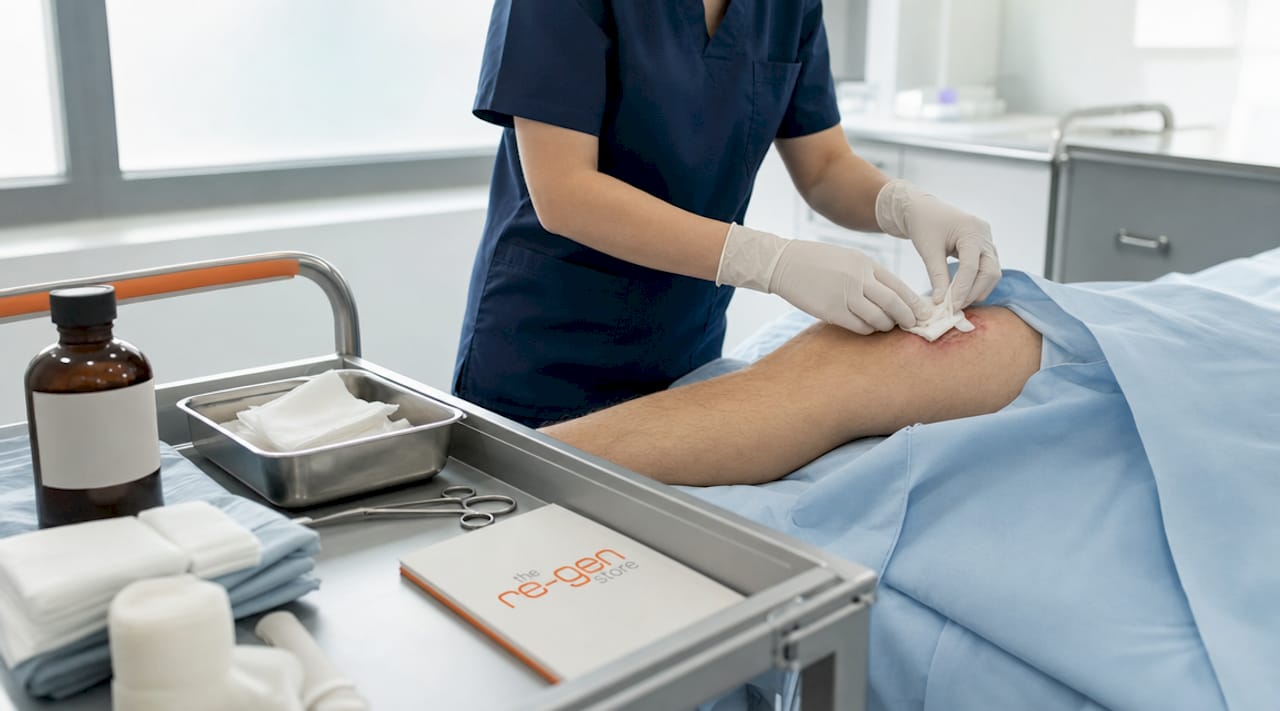
When cleaning the incision, use lukewarm water and a mild, fragrance-free soap. Gently rinse the area and avoid scrubbing. Antiseptics like hydrogen peroxide and rubbing alcohol damage the regenerating cells at the wound surface and delay recovery. Use them only if your surgeon explicitly prescribes them.
After cleaning, moisture management matters as much as the cleaning itself. Pat the area dry rather than rubbing, and confirm the surrounding skin is fully dry before reapplying any dressing. Excess moisture under a dressing causes maceration, which breaks down healthy skin and invites bacterial growth.
Change dressings according to your surgeon’s schedule, typically once daily or when visibly soiled
Apply a thin layer of a recommended ointment, such as a petroleum-based product or a plant-based alternative like Re-gen, to keep the wound surface moist
Leave the wound uncovered once it has closed and dried, unless your care team advises otherwise
Avoid picking at scabs, which disrupts the epithelialization process and can reopen the wound
Pro Tip: If your surgeon approves antiseptic use, Chlorhexidine gluconate is a gentler option than hydrogen peroxide and causes less damage to healing tissue.
2. Showering, bathing, and water exposure after surgery
Water exposure is one of the most common sources of confusion for patients following surgery. The rule is straightforward: showering is generally safe after 48 hours, but soaking the wound in a bath, pool, or hot tub must be avoided until the incision is fully closed and healed. Submerging an open or partially healed wound introduces bacteria and softens the tissue, both of which increase infection risk.
Follow these steps for safe showering during recovery:
Check with your surgeon before your first shower to confirm the 48-hour window applies to your specific procedure
Use lukewarm water, not hot, since heat increases swelling and can loosen adhesive dressings
Let water run gently over the wound rather than directing the shower stream directly at it
Avoid using loofahs, washcloths, or scrubbing tools near the incision site
Pat the wound area completely dry with a clean towel immediately after showering
Reapply a fresh dressing if your wound is still in the covered phase
Choose loose, breathable clothing after showering. Tight fabrics that rub against the incision create friction, which can irritate the wound and slow healing. Natural fibers like cotton are a reliable choice for the first few weeks.
Pro Tip: Waterproof film dressings, such as Tegaderm, allow you to shower without removing the dressing and protect the wound from water exposure during the session.
3. Warning signs that require immediate medical attention
Recognizing complications early is one of the most critical wound care tips you can follow. A fever of 101°F (38.3°C) or higher combined with changes at the wound site signals a possible infection that needs prompt medical evaluation. Waiting to see if symptoms resolve on their own is not a safe approach with post-operative wounds.
Contact your surgeon or go to an emergency room if you notice any of the following:
Spreading redness, warmth, or swelling around the incision beyond the first 48 hours
Drainage that is foul-smelling, cloudy, or green in color
Wound tissue that turns white, yellow, or black, which indicates tissue death
Bleeding or drainage that does not stop after 10 to 15 minutes of steady, direct pressure
Increasing pain at the site rather than gradual improvement
Stitches or staples that come loose or separate before your scheduled removal appointment
Wound infections can progress to serious systemic illness within hours. The sooner you report these signs to your care team, the more treatment options remain available.
4. How lifestyle and nutrition influence wound healing after surgery
Your body repairs tissue from the inside out, which means what you eat and how you live directly affects how well your incision heals. Adequate protein, vitamin C, and zinc are the three nutrients most directly tied to collagen production, the structural protein that rebuilds skin and connective tissue. A diet low in these nutrients extends healing time and weakens scar quality.
Smoking is one of the most damaging factors for post-surgical recovery. Nicotine constricts blood vessels and reduces oxygen delivery to healing tissue. Maintaining blood sugar control with a hemoglobin A1c below 7% is equally important for diabetic patients, since elevated glucose impairs immune response and tissue regeneration.
Eat protein-rich foods at every meal: eggs, chicken, fish, legumes, and Greek yogurt all support tissue repair
Supplement with vitamin C-rich foods like bell peppers, citrus, and strawberries to support collagen synthesis
Stay well hydrated. Dehydration slows every stage of the healing process
Rest consistently. Sleep is when the body releases growth hormone and performs most of its tissue repair
Protect the healing scar from sun exposure. UV rays cause permanent hyperpigmentation in new scar tissue, so apply high-SPF sunscreen or keep the area covered for the first year after healing
Pro Tip: Plant-based ointments that contain ingredients like calendula or comfrey work alongside good nutrition to support skin regeneration topically, without the petroleum base found in conventional products like Vaseline.
You can find more detail on supporting faster healing through dietary and lifestyle choices on the Theregenstore website.
5. Comparison of common wound care dressings and ointments
Not all dressings work the same way, and choosing the right one for your wound type makes a measurable difference in healing speed and comfort. Here is a practical comparison to guide your decisions:
Dressing or ointment type | Best use case | Key advantage | Key drawback |
Non-stick gauze pads | General post-surgical wounds | Does not adhere to wound bed | Requires tape to secure |
Petroleum gauze (Adaptic) | Wounds needing moisture retention | Prevents dressing from sticking | Petroleum-based, not plant-derived |
Waterproof film (Tegaderm) | Wounds during showering or light activity | Transparent and water-resistant | Not absorbent for draining wounds |
Adhesive bandages (Band-Aid) | Small, closed incisions | Convenient and portable | Limited coverage and absorption |
Plant-based ointment (Re-gen) | Post-surgical skin and soft tissue recovery | Chemical-free, supports regeneration | Less widely available than petroleum products |
Antibiotic cream (Neosporin) | Minor wounds with infection risk | Familiar and accessible | Can cause contact dermatitis with repeated use |
Pro Tip: Plant-based regenerative ointments provide moisture balance without the occlusive film that petroleum products leave behind, making them a strong option for patients who want a petroleum-free wound treatment during recovery.
Key takeaways
Effective post-operative wound care requires consistent hygiene, correct moisture management, and early recognition of infection signs to support full recovery.
Point | Details |
Hand hygiene is non-negotiable | Wash hands for 20 seconds before and after every wound contact to prevent infection. |
Avoid harsh antiseptics | Hydrogen peroxide and alcohol damage healing cells; use mild soap and water instead. |
Watch for infection warning signs | Fever above 101°F, spreading redness, or foul drainage require immediate medical attention. |
Nutrition accelerates healing | Protein, vitamin C, and zinc directly support collagen production and tissue repair. |
Sun protection protects scars | Apply high-SPF sunscreen to healed scars for up to one year to prevent permanent discoloration. |
What I’ve learned about wound care that most guides skip
After reviewing hundreds of patient recovery cases and post-operative care protocols, the pattern I see most often is not infection from poor cleaning. It is delayed healing from over-intervention. Patients scrub wounds with hydrogen peroxide because it feels thorough. They pick at scabs because the texture bothers them. They skip nutrition because they assume topical care is what matters.
The body already knows how to heal. Your job is to create the right conditions and stay out of the way. That means clean hands, gentle cleaning, a moist wound environment, and a diet that gives your cells the raw materials they need. The aftercare checklist approach works precisely because it removes guesswork and keeps patients consistent.
The other thing I would stress is communication with your care team. Most complications I have seen escalate because patients waited too long to report a symptom. A quick call about spreading redness on day three is far better than an emergency room visit on day seven. Wound care is not complicated, but it does require attention and honesty about what you are observing.
— Kyle
Support your recovery with natural, petroleum-free wound care

If you are looking for a gentler alternative to conventional ointments during your surgical recovery, Theregenstore offers Re-gen, a plant-based regenerative ointment formulated without petroleum, synthetic chemicals, or antibiotics. Re-gen is designed to support skin and soft tissue healing after surgery, cuts, burns, and other wounds. It works by creating the moist wound environment that promotes cell regeneration, without the ingredients that can cause sensitivity or slow healing. Visit Theregenstore to explore plant-based wound treatment options and find the right product for your recovery stage.
FAQ
What is post-operative wound care?
Post-operative wound care, also called post-surgical wound management, is the process of cleaning, protecting, and monitoring a surgical incision to prevent infection and support tissue healing. It includes dressing changes, hygiene practices, and lifestyle adjustments.
When can I shower after surgery?
Showering is generally safe 48 hours after surgery, but you should avoid submerging the wound in baths, pools, or hot tubs until it is fully healed and closed.
How do I know if my surgical wound is infected?
Signs of infection include a fever above 101°F (38.3°C), spreading redness or warmth, foul-smelling or discolored drainage, and increasing pain at the site. Contact your surgeon immediately if you notice any of these.
Should I use hydrogen peroxide to clean my wound?
No. Hydrogen peroxide damages the cells responsible for tissue regeneration and delays healing. Clean the wound with lukewarm water and mild, fragrance-free soap unless your surgeon specifically instructs otherwise.
How does nutrition affect wound healing after surgery?
Protein, vitamin C, and zinc are directly tied to collagen production, which rebuilds skin and connective tissue. A diet rich in these nutrients supports faster, stronger healing after surgery.
Recommended
Comments