
Herbal Burn Treatment Process: A Step-by-Step Guide

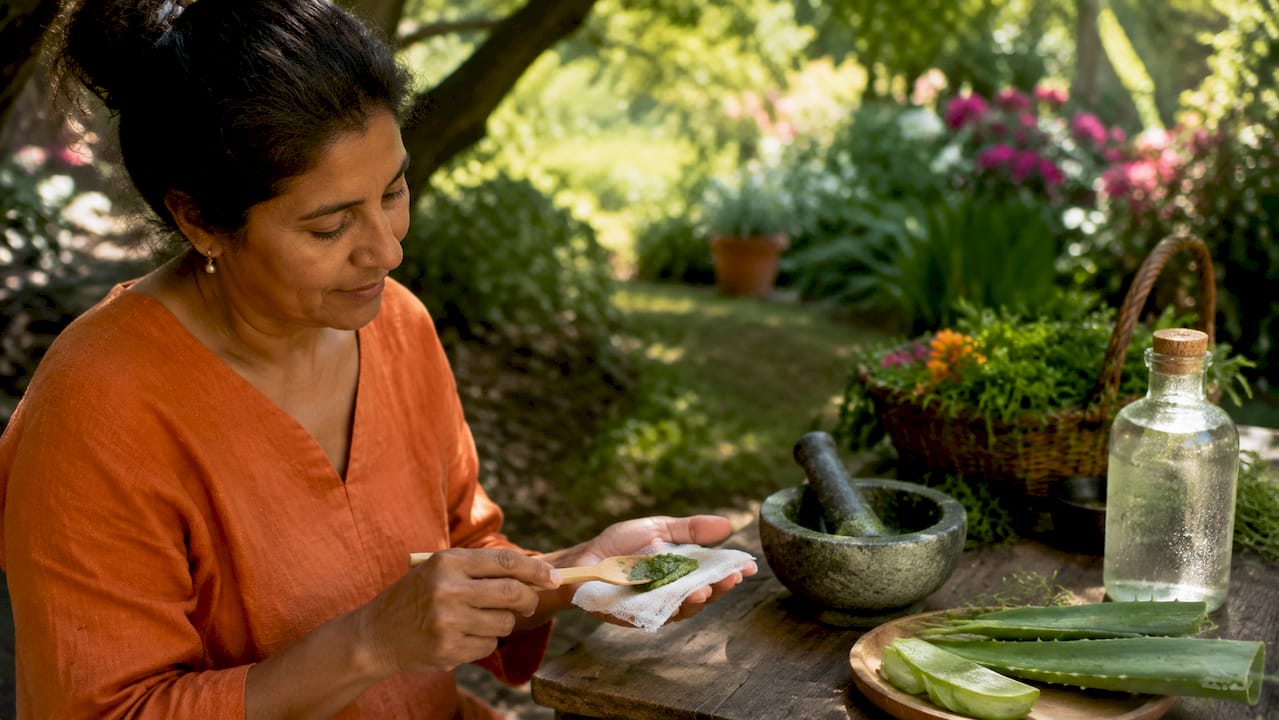
The herbal burn treatment process is defined as a structured approach that combines immediate clinical first aid with targeted plant-based therapies to reduce pain, prevent infection, and support skin recovery. Effective care starts the moment a burn occurs, not after. Herbs like aloe vera and sandalwood have documented roles in the burn wound healing process, but they only work when applied at the right time and in the right way. Skipping the first aid steps before reaching for a herbal remedy is one of the most common mistakes people make.
What are the essential first aid steps before applying herbal treatments?
The foundation of any herbal burn treatment process is proper first aid. No herb, gel, or plant-based ointment performs well on a burn that has not been cooled correctly. Immediate cooling prevents heat from sinking deeper into tissue, which directly reduces burn severity and improves how well topical treatments work afterward.
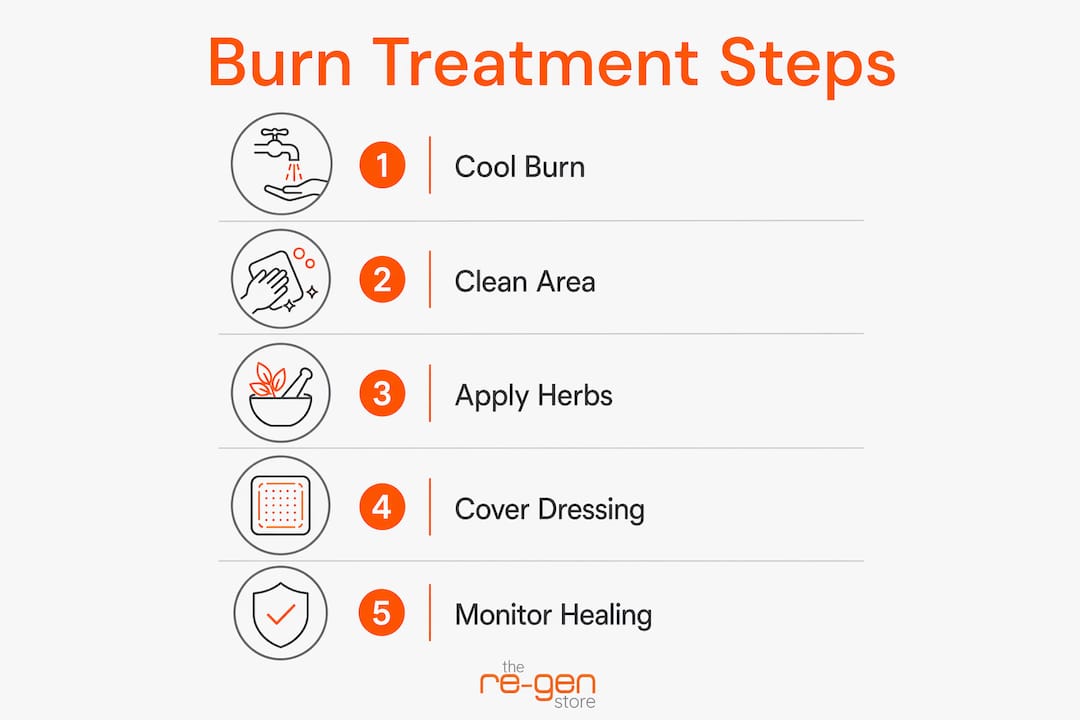
Follow these steps before applying anything herbal:
Cool the burn with cool water for 10–20 minutes. Use running water, not ice. Clinical first aid protocols confirm this duration as the standard for minor burns. Ice constricts blood vessels and can worsen tissue damage.
Remove jewelry or tight clothing near the burn. Swelling begins quickly. Leaving rings or tight fabric in place can cut off circulation as the area inflames.
Clean the area gently. Use mild soap and cool water to remove debris. Pat dry with a clean cloth. Do not scrub.
Cover loosely with a non-stick sterile bandage. This protects the wound from contamination without trapping heat or moisture against the skin.
Do not apply butter, toothpaste, or cooking oil. These are among the most common household mistakes. Oily or greasy substances trap heat inside the tissue, worsen damage, and increase infection risk.
Pro Tip: Use a non-stick gauze pad rather than standard cotton bandaging. Cotton fibers can stick to weeping burn tissue and cause additional trauma when removed.
Only after completing these steps is the skin ready for herbal or plant-based burn care. Applying herbs too early, before the heat has dissipated, can seal in damage rather than support recovery.
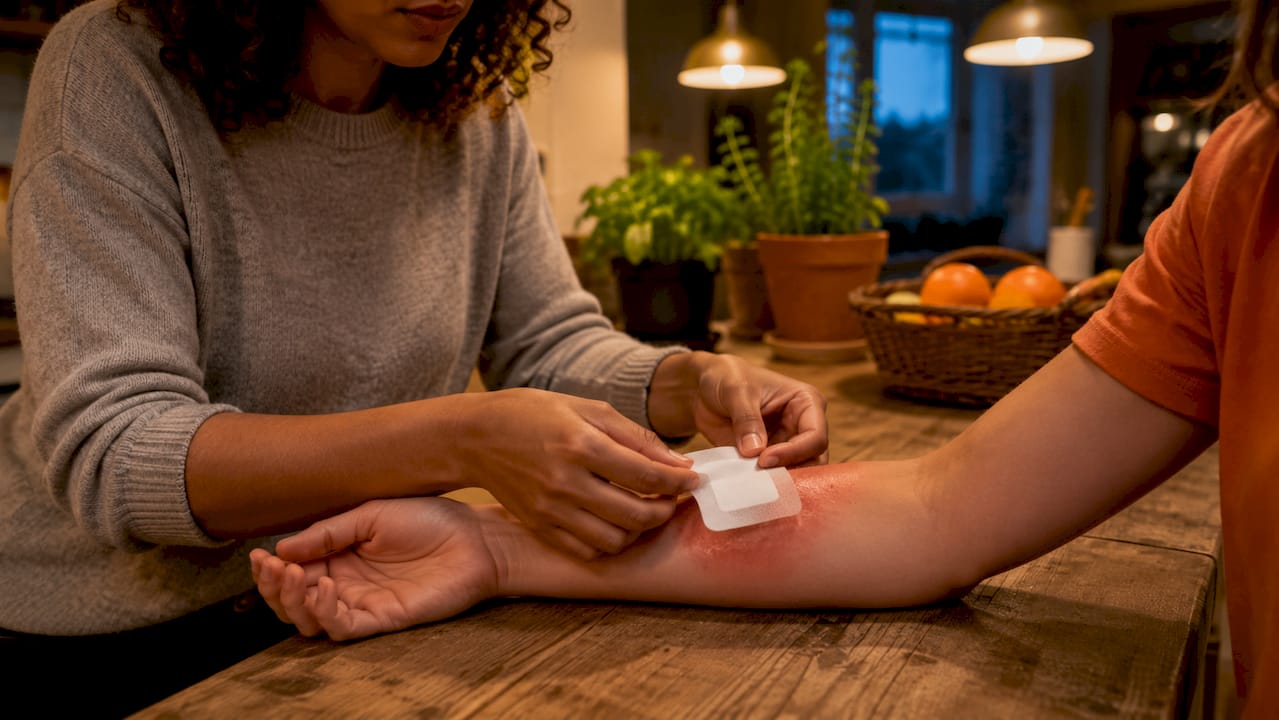
Which herbs are most effective for minor burn healing?
Several herbs have strong evidence supporting their use in herbal healing for burns, but aloe vera stands above the rest. Applying 100% concentration aloe vera gel to Grade I and II burns produces a 95.99% healing success rate within 12 days. That figure comes from a systematic review of 14 studies covering more than 10,000 screened articles.
Here are the most effective herbs and how to use them:
Aloe vera gel. Apply pure inner-leaf gel directly to the cooled burn. Aloe vera gel should be free of aloin and preservatives to avoid contact dermatitis on sensitive tissue. Fresh gel from a plant or a highly purified commercial product works best.
Sandalwood powder paste. Mix sandalwood powder with rose water to form a paste. Sandalwood reduces pain and supports re-epithelialization, the process by which new skin cells cover the wound. Use it after the initial inflammation settles, not on a fresh or weeping burn.
Binahong and green betel leaves. These are widely used in community herbal practice. 69.8% of adults surveyed use effective herbal therapy for minor burns, with aloe vera leading at 37.4%. Binahong and betel leaves are popular secondary choices, though they require careful preparation to avoid contamination.
Calendula. Best used in salve form during the later repair phase. Calendula supports tissue regeneration and reduces inflammation once the wound has closed.
Pro Tip: Prepare herbal pastes using clean utensils and filtered water. Contaminated preparations introduce bacteria directly to open skin, which can cause infection and delay healing.
Purity matters as much as the herb itself. A contaminated aloe gel or an improperly prepared paste does more harm than good on damaged skin.
Are essential oils safe for burns and how should they be used?
Essential oils for burns require strict safety rules. Undiluted essential oils must never be applied to fresh or open burn tissue. Tea tree oil applied undiluted causes chemical burns and severe irritation, compounding the original injury. The same applies to peppermint oil, which creates a cooling sensation but actually triggers a pain response on raw skin.
Safe use of essential oils in burn care follows these guidelines:
Lavender oil. The safest option for burn-related discomfort. Lavender is best used as inhaled aromatherapy to reduce anxiety and pain perception rather than as a topical treatment on raw skin.
Tea tree oil. Only use after the burn has cooled and the skin surface has begun to close. Dilute heavily in a carrier oil such as coconut or jojoba before any topical contact.
Layering with aloe vera. If you choose to apply a diluted oil topically on a minor, closed burn, layer it with aloe vera gel. The gel provides a moisture barrier and reduces the risk of irritation from the oil.
Avoid peppermint oil directly on burns. The menthol in peppermint oil activates cold receptors and causes a burning sensation on damaged tissue.
“Less is more with herbal burn treatments. Maintain a moist, clean wound and avoid overapplication for best results.”
Inhaled aromatherapy is the safest way to use essential oils for healing during the acute phase. Reserve topical application for the recovery phase, after the wound has stopped weeping and the skin has begun to close.
How do you transition from acute care to ongoing skin repair?
The shift from first aid to skin repair is where many people make their second major mistake. They reach for thick, greasy herbal salves too soon. Using beeswax-based or greasy salves on fresh burns traps bacteria and impedes healing. Lightweight, water-based options like aloe vera gel are the right choice in the first 48–72 hours.
Here is how to transition safely:
Days 1–3: Water-based hydration only. Apply pure aloe vera gel two to three times daily. Keep the wound covered with a non-stick dressing. Change the dressing daily or when it becomes wet.
Days 3–7: Introduce gentle herbal supports. Once weeping stops and a thin skin layer begins to form, you can introduce calendula-infused water or diluted herbal rinses. Avoid anything oil-heavy.
Day 7 onward: Herbal salves and plant-based ointments. Layering herbal treatments by phase using water-based gels early, then transitioning to herbal salves after epithelialization, optimizes healing and reduces scarring. Calendula and comfrey salves work well here.
Monitor for infection. Signs include increasing redness, swelling beyond the burn edge, pus, or fever. These require professional medical care, not more herbal treatment.
Pro Tip: Take a photo of the burn on day one. Comparing it to photos on days three and seven gives you a clear, objective view of whether healing is progressing or stalling.
Natural burn remedies work best when matched to the correct healing phase. Applying the right herb at the wrong time can slow recovery rather than support it.
Key Takeaways
The most effective herbal burn treatment process layers immediate cooling with phase-specific plant-based care, starting with aloe vera gel and transitioning to herbal salves only after the wound closes.
Point | Details |
Cool first, always | Run cool water over the burn for 10–20 minutes before applying any herbal remedy. |
Aloe vera leads herbal care | Pure, aloin-free aloe vera gel produces a 95.99% healing rate in Grade I and II burns within 12 days. |
Essential oils need dilution | Never apply undiluted essential oils to fresh burns; use lavender as inhaled aromatherapy instead. |
Phase-match your herbs | Use water-based gels in the first 72 hours, then transition to salves after the wound stops weeping. |
Watch for infection signs | Increasing redness, pus, or fever signals that professional care is needed, not more herbal treatment. |
Why “natural” still requires a plan
I’ve seen people reach for a jar of herbal salve within minutes of a burn, convinced that natural means safe at any stage. It doesn’t. The most common herbal burn care mistakes I’ve come across are not about choosing the wrong herb. They’re about timing. Butter, coconut oil, and even well-intentioned aloe products with added preservatives have all caused more harm than the original burn in cases where first aid was skipped.
The herbs that genuinely support skin recovery work because they interact with specific phases of the wound healing process. Aloe vera works because it keeps the wound moist and reduces inflammation during the acute phase. Calendula works because it supports tissue regeneration after the skin has begun to close. Using them in reverse order, or skipping cooling entirely, breaks the chain.
My honest advice: treat the cooling step as non-negotiable. Everything else in plant-based burn care depends on it. Pair evidence-backed herbs with professional guidance for anything beyond a minor, superficial burn. Natural wisdom and medical knowledge are not opposites. They work best together.
— Kyle
Plant-based burn care from Theregenstore
If you’re looking for a petroleum-free option to support your skin after a minor burn, Theregenstore offers Re-gen, a plant-based regenerative ointment designed for wound and skin recovery without synthetic chemicals.
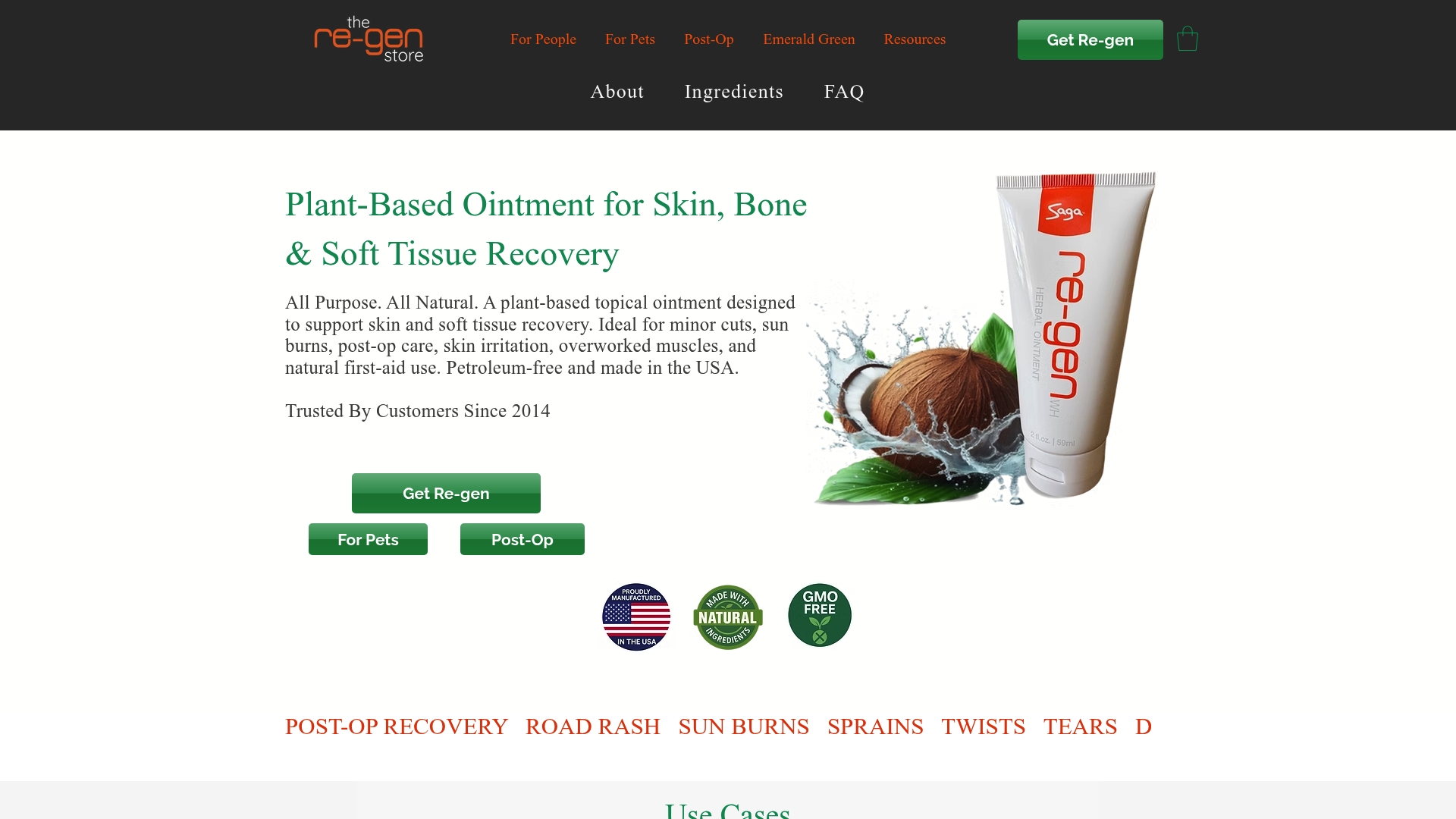
Re-gen is formulated as a plant-based wound treatment that supports the later phases of burn healing, making it a practical complement to the herbal first aid steps covered here. For those who want to speed up wound healing naturally without reaching for conventional antibiotic ointments, Re-gen offers a clean, botanical alternative. Visit Theregenstore to see the full product range and usage guidelines.
FAQ
What is the first step in the herbal burn treatment process?
Cool the burn under running cool water for 10–20 minutes before applying any herbal remedy. Skipping this step reduces the effectiveness of every plant-based treatment that follows.
Can aloe vera be applied directly to a fresh burn?
Yes, pure aloe vera gel can be applied after the burn has been cooled. Use inner-leaf gel free of aloin and preservatives to avoid irritating sensitive burn tissue.
Are essential oils safe to use on burns?
Undiluted essential oils must never be applied to fresh burns. Lavender oil is safest used as inhaled aromatherapy; tea tree oil requires heavy dilution and should only be used after the skin begins to close.
When should herbal salves be used in burn recovery?
Herbal salves with calendula or comfrey are appropriate after the wound stops weeping and a new skin layer begins to form, typically around day 7 or later.
When should you see a doctor instead of using natural burn remedies?
Seek professional care if the burn is larger than three inches, involves the face, hands, or joints, or shows signs of infection such as pus, spreading redness, or fever.
Recommended
Comments