
Why Support Soft Tissue: Recovery, Pain, and Health

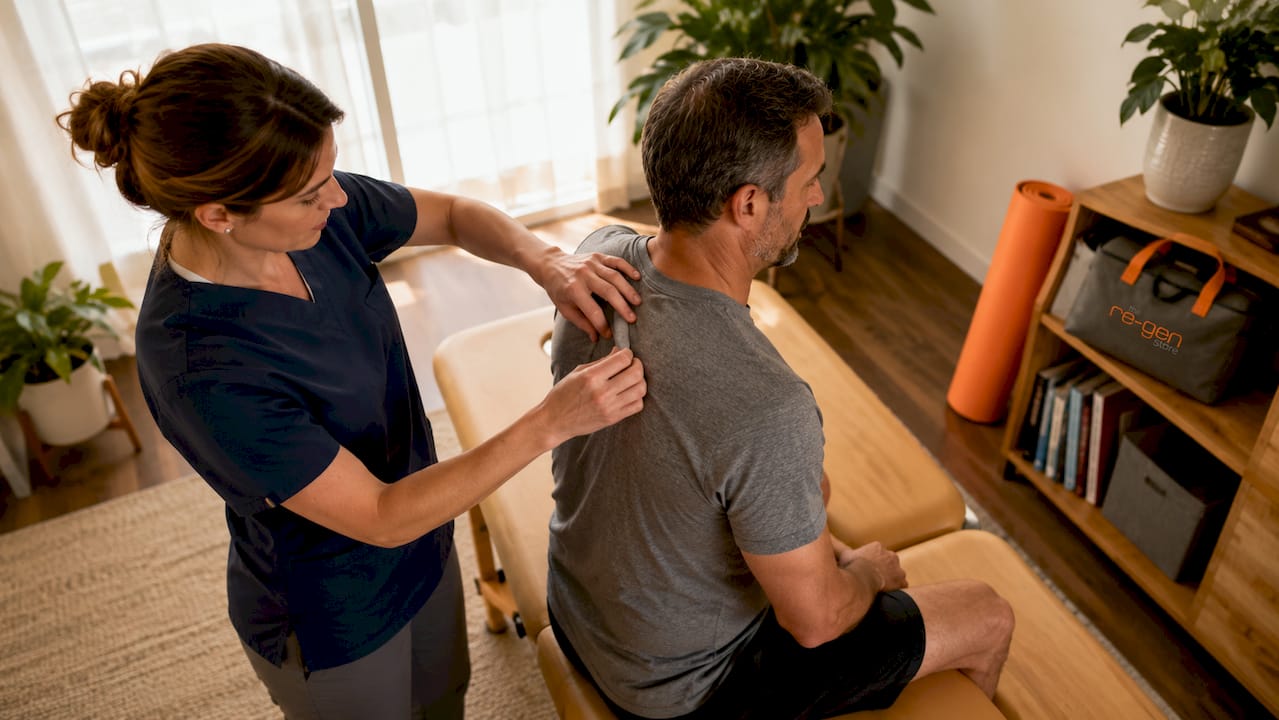
Soft tissue support is the process of protecting, mobilizing, and nurturing muscles, tendons, ligaments, fascia, nerves, and blood vessels to promote healing and maintain function after injury or wear. Understanding why support soft tissue matters is the difference between a recovery that stalls and one that moves forward. Whether you are managing a sprained ankle, a post-surgical wound, or a pet’s soft tissue injury, the principles are the same: protect the tissue, reduce inflammation, and restore movement in the right sequence. Theregenstore exists to help you do exactly that with natural, plant-based solutions.
Why support soft tissue: what it is and why it matters
Soft tissue is the collective term for the non-bony structures that connect, support, and protect your body’s organs and skeletal system. This includes muscles, tendons, ligaments, fascia, nerves, and blood vessels. When any of these structures are strained, torn, or inflamed, your body’s ability to move, bear weight, and function normally is compromised.
The importance of soft tissue support comes down to biology. Your body initiates a repair sequence after injury: inflammation, tissue rebuilding, and remodeling. Each phase requires specific conditions to proceed efficiently. Without proper support, that sequence gets disrupted, leading to prolonged pain, scar tissue buildup, and reduced range of motion.
Key reasons to support soft tissue after injury include:
Faster cellular repair: Supported tissue receives better blood flow, delivering oxygen and nutrients to healing cells.
Reduced inflammation: Compression and elevation limit excess swelling that can damage surrounding tissue.
Pain control: Reducing mechanical stress on injured tissue lowers pain signals sent to the brain.
Mobility preservation: Gentle movement during recovery prevents the stiffness that comes from prolonged immobilization.
Scar tissue management: Guided movement and topical care reduce the formation of restrictive scar tissue.
Soft tissue injuries are among the most common reasons people seek medical care, and they affect pets just as frequently as humans. The benefits of soft tissue care apply across species, making it a universal health priority.
How does supporting soft tissue aid injury recovery and pain management?
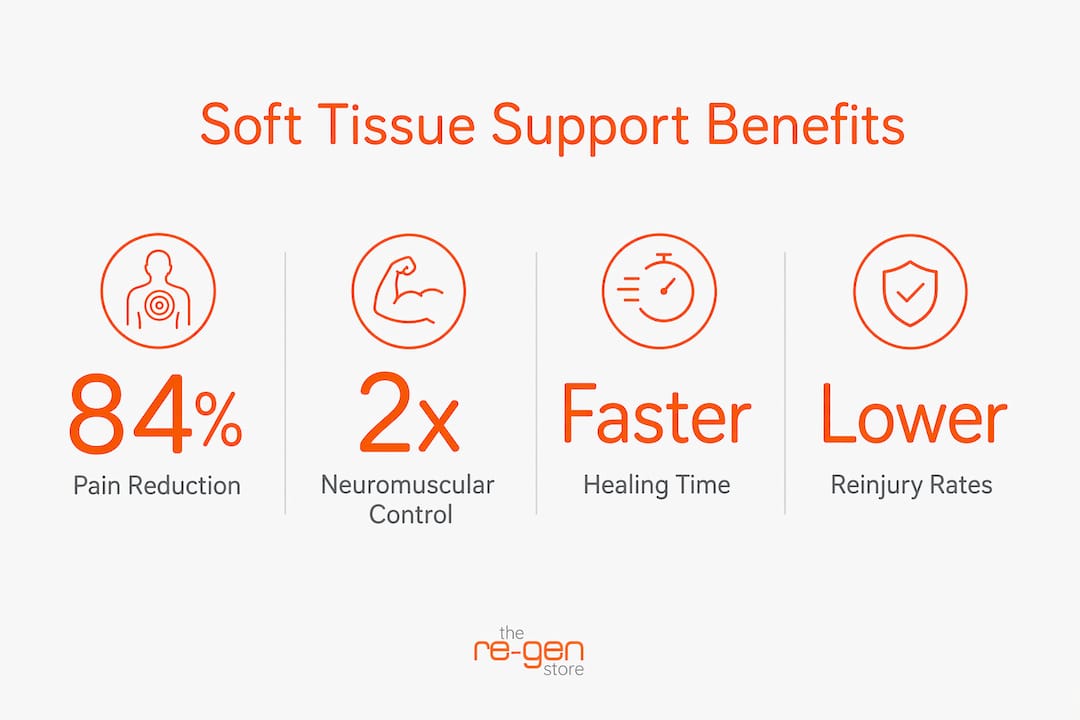
The clinical evidence for soft tissue support is strong and growing. IASTM significantly reduces pain (SMD of 0.84) and improves joint range of motion (SMD of 0.80) when used alongside rehabilitation. That means instrument-assisted soft tissue mobilization does not just mask pain. It creates measurable physical change in how the joint moves.

Manual therapy reduces pain by a mean difference of 16.01 points on the Visual Analog Scale compared to control groups. That is a clinically significant reduction, not a marginal improvement. Manual therapy also influences the autonomic nervous system, reducing sympathetic tone and increasing parasympathetic activity. This shift helps the body move out of a stress state and into a repair state.
Practical support strategies that work together include:
Compression: Applied with proper fit, compression limits swelling and stabilizes the injured area.
Elevation: Raising the injured area above heart level reduces fluid accumulation and discomfort.
Graduated movement: Starting gentle activity after the initial inflammation phase stimulates tissue repair.
Topical support: Plant-based ointments applied to the skin can complement physical methods by supporting the surface tissue layer.
Pro Tip: Do not wait for all pain to disappear before moving the injured area. Once acute inflammation subsides, gentle movement is one of the most effective tools for soft tissue recovery.
The combination of IASTM with exercise improves neuromuscular control and reduces pain better than exercise alone. This finding reinforces a core principle: soft tissue support works best as part of a coordinated approach, not as a single isolated treatment.
Soft tissue support in different contexts: humans vs. pets
Soft tissue support is not one-size-fits-all. The context of the injury, the anatomy of the patient, and the goals of recovery all shape the right approach.
Context | Key Consideration | Primary Goal |
Human musculoskeletal injury | Balance protection with early movement | Restore function and reduce pain |
Dental implant sites | Keratinized tissue width and thickness | Prevent mucositis and recession |
Breast reconstruction | Risk-benefit assessment per patient | Improve contour while managing complications |
Pet soft tissue injuries | Anatomy and movement differences | Safe, tailored recovery without stress |
In implant dentistry, adequate soft tissue phenotype around dental implants improves stability and reduces inflammation risks. This is not a cosmetic concern. It is a long-term risk management strategy that determines whether an implant survives or fails.
In implant-based breast reconstruction, soft tissue support improves contour but may increase certain risks, requiring case-specific assessment. Clinicians must weigh functional benefits against potential complications for each individual. That nuance applies broadly: soft tissue support decisions always require context.
For pets, the same biological principles apply, but the approach must account for how animals move, communicate pain, and tolerate treatment. Dogs and cats cannot tell you when something hurts more than usual. Monitoring changes in behavior, gait, and appetite gives you the clearest signal that soft tissue support is or is not working. Natural topical products that are free of harsh chemicals are especially relevant for pets, since animals often lick treated areas.
Practical ways to support soft tissues for faster healing
The most effective soft tissue recovery strategies combine movement, monitoring, and targeted care. Prolonged rest is not the answer. Too much rest after soft tissue injury slows recovery. Graduated activity is the mechanism that drives repair and renewal.
Start moving early. Once the acute inflammation phase passes, begin gentle range-of-motion exercises. Walking, light stretching, and functional movements signal the tissue to rebuild along the correct lines.
Apply compression correctly. Use a bandage or wrap that fits snugly but does not cut off circulation. Reapply after any swelling changes.
Elevate when resting. Keep the injured area above heart level when you are sitting or lying down. This reduces fluid pooling and speeds comfort recovery.
Use natural topical support. Plant-based ointments applied to the skin surface support the outer tissue layer and complement physical recovery methods. For connective tissue recovery, topical care addresses the surface while movement addresses the deeper structures.
Monitor and adapt. Track swelling, pain levels, and how much activity you can tolerate each day. If swelling increases after activity, reduce intensity and reassess.
Pro Tip: Light therapy devices, such as those used in muscle recovery applications, can complement soft tissue support by promoting circulation and reducing inflammation at the tissue level.
The goal is not to push through pain. The goal is to find the edge of comfortable movement and gradually expand it. That process, repeated consistently, is how soft tissue heals well.
Key takeaways
Soft tissue support works because it creates the biological conditions for repair: controlled inflammation, adequate circulation, and graduated mechanical stress that guides tissue rebuilding.
Point | Details |
Early movement beats rest | Starting gentle activity after inflammation subsides accelerates tissue repair and prevents stiffness. |
Clinical methods reduce pain measurably | IASTM and manual therapy produce significant, documented reductions in pain and improvements in mobility. |
Context shapes the approach | Dental, reconstructive, and pet care scenarios each require tailored soft tissue support strategies. |
Compression and elevation control swelling | Proper fit and positioning limit fluid accumulation and improve comfort during recovery. |
Natural topical care complements physical methods | Plant-based ointments support the surface tissue layer alongside movement and compression strategies. |
What I have learned about soft tissue support after years of watching recoveries
Most people make the same mistake: they rest too long, then move too fast. They treat soft tissue injury like a broken bone, expecting that stillness will fix it. It does not. Soft tissue responds to stimulus. It needs the right amount of stress at the right time to rebuild correctly.
The second mistake I see is treating soft tissue support as a single intervention. IASTM alone, or compression alone, or a topical ointment alone, will not deliver the results that a coordinated approach delivers. The research is clear that IASTM combined with exercise outperforms either method in isolation. The same logic applies to every layer of care.
What surprises most people is that soft tissue support also improves mental health outcomes. Manual therapy addresses anxiety and muscle tension alongside physical symptoms. Recovery is not just physical. When your body hurts, your nervous system is under stress. Addressing the tissue directly also calms the system around it.
For pet owners, the lesson is patience and observation. Your pet cannot guide you with words. Watch the body. Trust the process. And choose products that are safe if ingested, because they will be.
— Kyle
Natural plant-based options for soft tissue healing
Theregenstore offers a petroleum-free, plant-based approach to skin and soft tissue recovery that works alongside the physical strategies covered here.
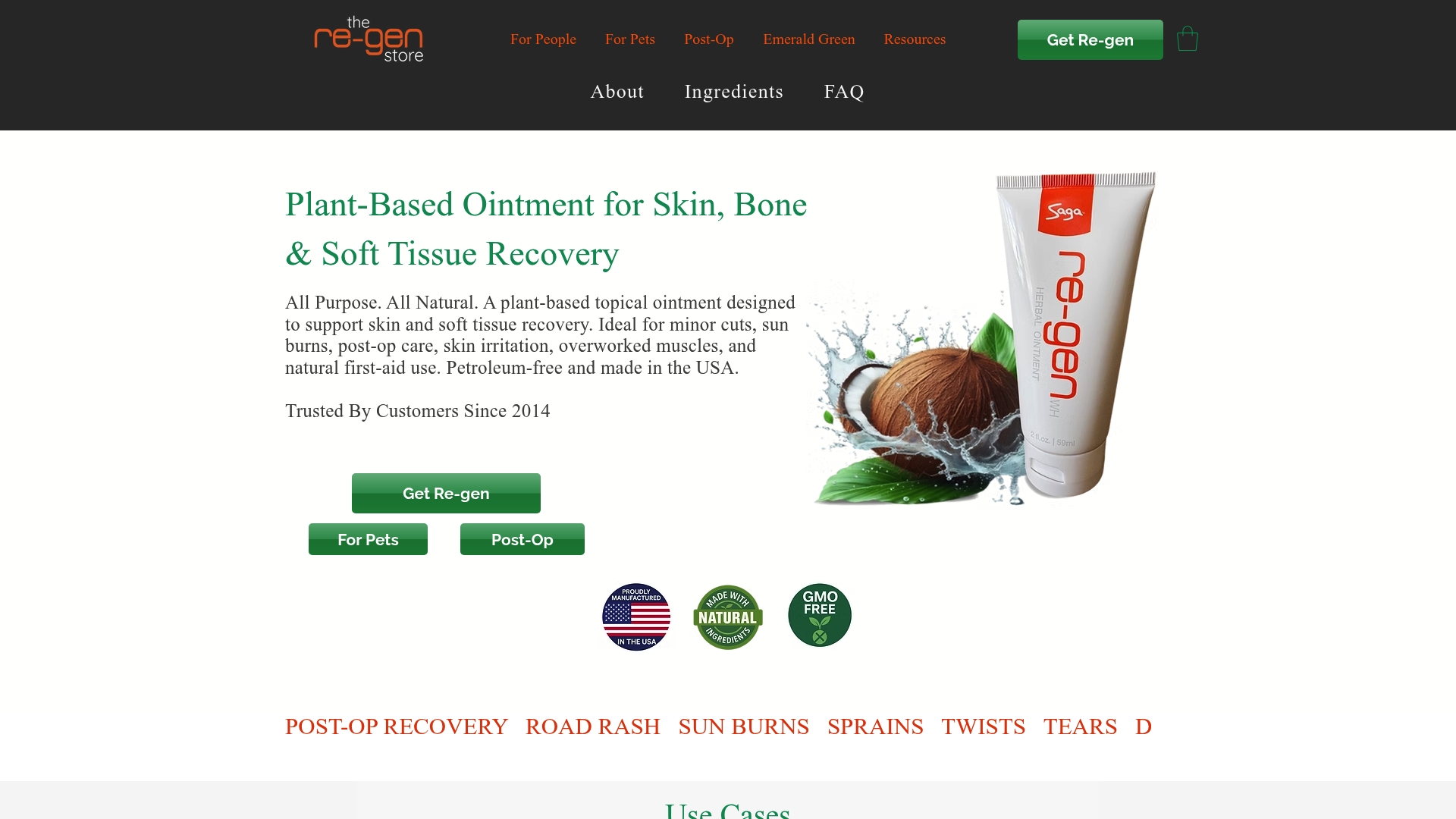
The Re-gen ointment is formulated without harsh chemicals, making it safe for use on cuts, burns, sprains, and post-operative wounds in both humans and pets. It positions itself as a natural wound treatment that supports the surface tissue layer without the synthetic additives found in conventional products like Neosporin. For anyone managing soft tissue recovery naturally, Theregenstore also offers a plant-based regenerative ointment designed specifically for tissue repair. Browse the full range at Theregenstore to find the right fit for your recovery needs.
FAQ
What does soft tissue support actually do for healing?
Soft tissue support controls inflammation, improves circulation, and guides tissue rebuilding through graduated movement and targeted care. These conditions allow the body’s natural repair sequence to proceed efficiently and completely.
Is rest or movement better for soft tissue injuries?
Movement is better once acute inflammation subsides. NHS inform confirms that using the affected area after the initial phase helps healing, while prolonged rest slows recovery.
Can soft tissue support help pets recover from injuries?
Yes. The same biological principles apply to animals, though the approach must account for anatomy and behavior differences. Natural, chemical-free topical products are especially important for pets since they often lick treated areas.
How long does soft tissue recovery typically take?
Recovery time varies by injury type, severity, and how consistently support strategies are applied. Minor sprains may resolve in days with proper care, while more significant injuries can take weeks to months.
Does soft tissue support only apply to physical injuries?
No. Soft tissue support is also relevant in dental implant care, reconstructive surgery, and general wellness. In each context, the goal is the same: protect tissue integrity and reduce the risk of long-term complications.
Recommended
Comments