
Why Protect Healing Wounds for Faster Recovery

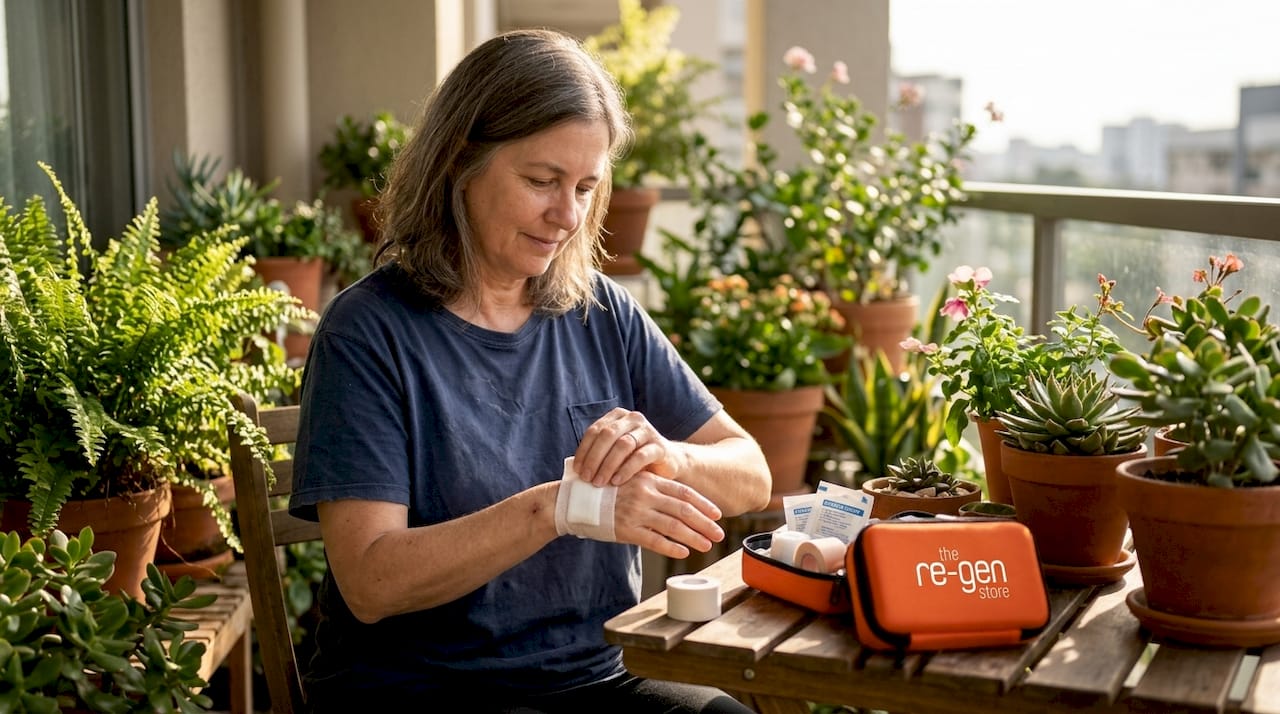
You have a wound. Your instinct says let it breathe. You pull off the bandage and leave it open to air. It feels like the right call — but the science says otherwise. Understanding why protect healing wounds is the first step toward recovering faster and avoiding complications that most people never anticipate. Protection is not just about keeping dirt out. It actively shapes how well your skin rebuilds itself.
Table of Contents
Key takeaways
Point | Details |
Moist wounds heal faster | Wounds heal twice as fast in a moist environment compared to wounds left to dry and scab. |
Exposure increases infection risk | Uncovered wounds before full epithelialization face significantly higher infection risk and prolonged recovery. |
Wrong cleaning products harm tissue | Hydrogen peroxide and alcohol damage new skin cells; clean water or saline is always preferred. |
Dressing type matters | Matching the right dressing to your wound type controls moisture and protects against bacteria more effectively. |
Protection extends beyond closure | Proper wound care after closure prevents scarring, reopening, and long-term skin damage. |
Why protect healing wounds: the biology behind it
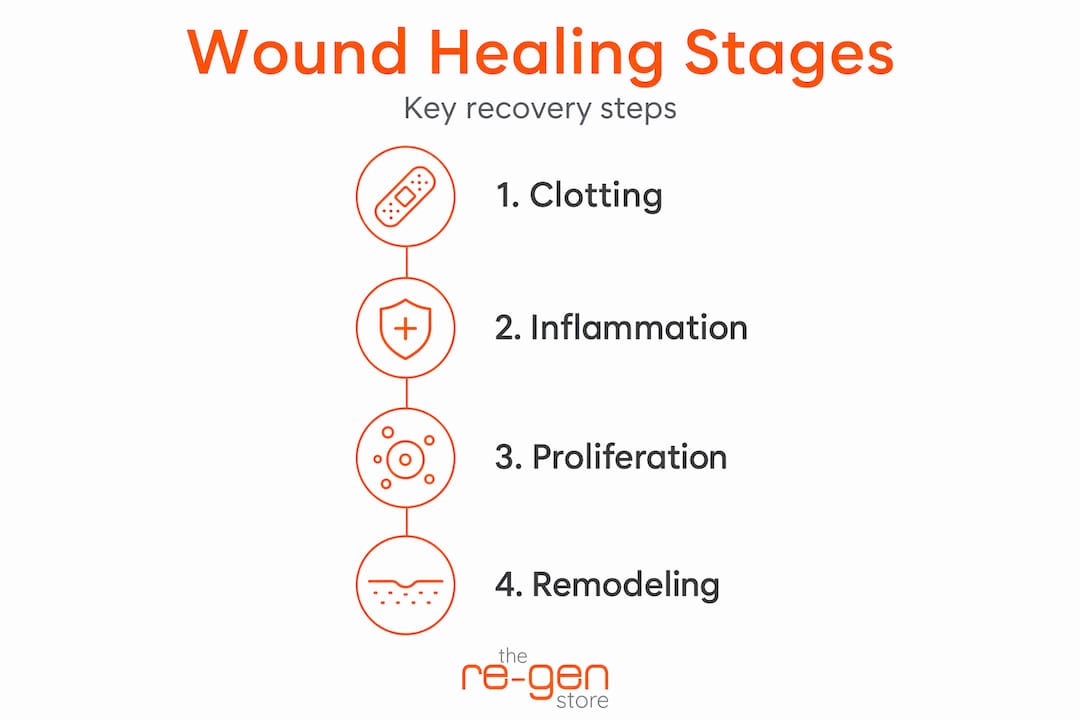
Wound healing happens in four stages: clotting, inflammation, proliferation, and remodeling. Each stage depends on the previous one completing properly. Disrupt any stage and the whole process slows down.
During the proliferation phase, new skin cells migrate across the wound bed to close the gap. That migration requires a moist surface. When a wound dries out, a scab forms. Scabs are not the goal. They actually act as a barrier that skin cells must tunnel underneath, slowing the entire process. Moist wound healing accelerates recovery because cells move freely across a hydrated surface.
The inflammation stage is also worth understanding. It is natural and necessary. White blood cells flood the wound to fight bacteria and clear debris. But protecting wounds from infection prevents the kind of prolonged, damaging inflammation that stalls healing instead of supporting it.
Here is what a proper dressing does for you:
Maintains the right moisture level so skin cells migrate without obstruction
Blocks environmental bacteria from reaching vulnerable tissue
Cushions the wound from friction and physical trauma
Regulates temperature at the wound site, which supports cell activity
Reduces pain by keeping nerve endings from drying out and becoming exposed
Pro Tip: Minor cuts typically require 3 to 5 days for initial epithelialization. Keep them covered for at least that long, even when they look almost healed on the surface.
Moisture balance is the key detail here. Too much moisture leads to maceration, where the skin softens and breaks down around the wound. Too little moisture leads to scab formation and delayed tissue repair. The right dressing manages that balance without you having to think about it.
What happens when you skip protection
Leaving a wound uncovered feels harmless. The consequences are rarely immediate, which is why many people keep doing it. But the risks build quickly.

Infection risk rises significantly when wounds are left open before full skin coverage forms. Bacteria from your hands, surfaces, clothing, and the air itself can enter the wound bed. Once infected, healing slows dramatically, inflammation prolongs, and in some cases medical intervention becomes necessary.
Other consequences of inadequate protection include:
Dryness and scabbing that forces skin cells to work harder and longer to close the wound
Friction trauma from clothing or movement that reopens wounds that were beginning to close
Contamination from improper materials, such as cotton balls, which leave fibers in the wound and cause irritation or secondary infection
Delayed healing from harsh cleaners, since hydrogen peroxide and rubbing alcohol are cytotoxic to the very tissue you are trying to rebuild
Premature dressing removal that strips newly formed skin cells along with the bandage
Chronic wound complications affect over 8 million Medicare beneficiaries annually, often because wounds that seemed manageable were not properly protected early on.
Pro Tip: Never use cotton balls when changing a dressing. They leave fibers behind. Use sterile non-stick pads instead and change dressings with clean hands or gloves.
Choosing the right wound covering
Not every wound needs the same protection. A basic adhesive bandage handles a small paper cut. A deep laceration or a surgical wound needs something more specific. Using the wrong dressing can actually interfere with healing rather than support it.
Modern wound care offers a range of dressing options, each designed for a different wound environment. Different dressings balance moisture according to how much fluid the wound produces, called exudate.
Dressing type | Best for | Pros | Cons |
Adhesive bandage | Minor cuts and scrapes | Easy to apply, widely available | Not suitable for large or deep wounds |
Non-stick gauze + tape | Medium wounds with low exudate | Gentle removal, customizable size | Requires frequent changing |
Hydrocolloid | Low to moderate exudate wounds | Maintains moist environment, long wear | Not ideal for infected wounds |
Foam dressing | High exudate wounds | Absorbs heavily, cushions the wound | Can dry out wound if exudate is low |
Hydrogel | Dry or necrotic wounds | Adds moisture, soothes pain | May cause maceration if overused |
Alginate | Heavily draining wounds | High absorption, biodegradable fibers | Requires secondary dressing on top |
The importance of wound protection increases when wounds are located over joints or in areas that move frequently. Wounds over joints require longer protection to prevent reopening from repeated movement and friction. A hydrocolloid or foam dressing with flexible edges holds better in those areas than a standard adhesive strip.
How to care for healing wounds step by step
Good wound care is not complicated, but the order and method matter. Follow these steps consistently and your wound will heal with fewer setbacks.
Clean the wound gently. Use clean water or saline. Hydrogen peroxide and alcohol damage healthy tissue. Run water over the wound for 30 to 60 seconds to remove debris without scrubbing.
Apply a protective ointment if appropriate. A plant-based, petroleum-free ointment supports moisture balance and provides a gentle barrier. This is especially useful for cuts, burns, and post-operative wounds.
Cover with the right dressing. Match the dressing to the wound size and moisture level using the guidance above. Secure it without wrapping too tightly.
Change the dressing on schedule. For most wounds, change every 1 to 2 days or immediately when the dressing becomes wet, dirty, or loose. Wash your hands before every dressing change.
Watch for signs of healing. Healthy healing looks like pink new skin forming at the edges, reduced redness, and less swelling. A wound ready to be left uncovered will have full surface skin coverage with no open areas.
Protect new skin from sun exposure. Once the wound closes, SPF 30 or higher prevents scars from darkening. New skin has no melanin protection and burns more easily.
Support healing from the inside. Poor sleep extends healing time by 25 percent or more. Prioritize rest, hydration, and nutrition throughout recovery.
My take on the “let it air out” advice
I have heard the “just let it breathe” advice my entire life. Family members said it. Coaches said it. Even some older care guidelines suggested it. And I understand the logic. Air feels clean. A covered wound feels sealed off.
But what I have learned is that air does not speed healing. Oxygen matters to tissue, but an uncovered wound exposed to open air dries out faster than it regenerates. The cells trying to rebuild that surface lose their medium and slow down. I have seen minor cuts take twice as long to close simply because someone kept removing the bandage.
What actually works is the opposite of airing out. It is controlling the environment. The right dressing, changed consistently, with a gentle protective ointment underneath, gives your body exactly what it needs to move through the healing stages without interruption. And when you choose plant-based products free from harsh chemicals, you are not adding a new problem while solving the original one.
The other thing I have learned is that wound care is personal. A wound on your shin from a fall is different from a post-surgical incision. One-size advice fails people. What does not change is this: protecting the wound, maintaining moisture balance, and avoiding harmful substances are the core principles that apply to every wound type.
— Kyle
Natural wound protection that actually supports healing
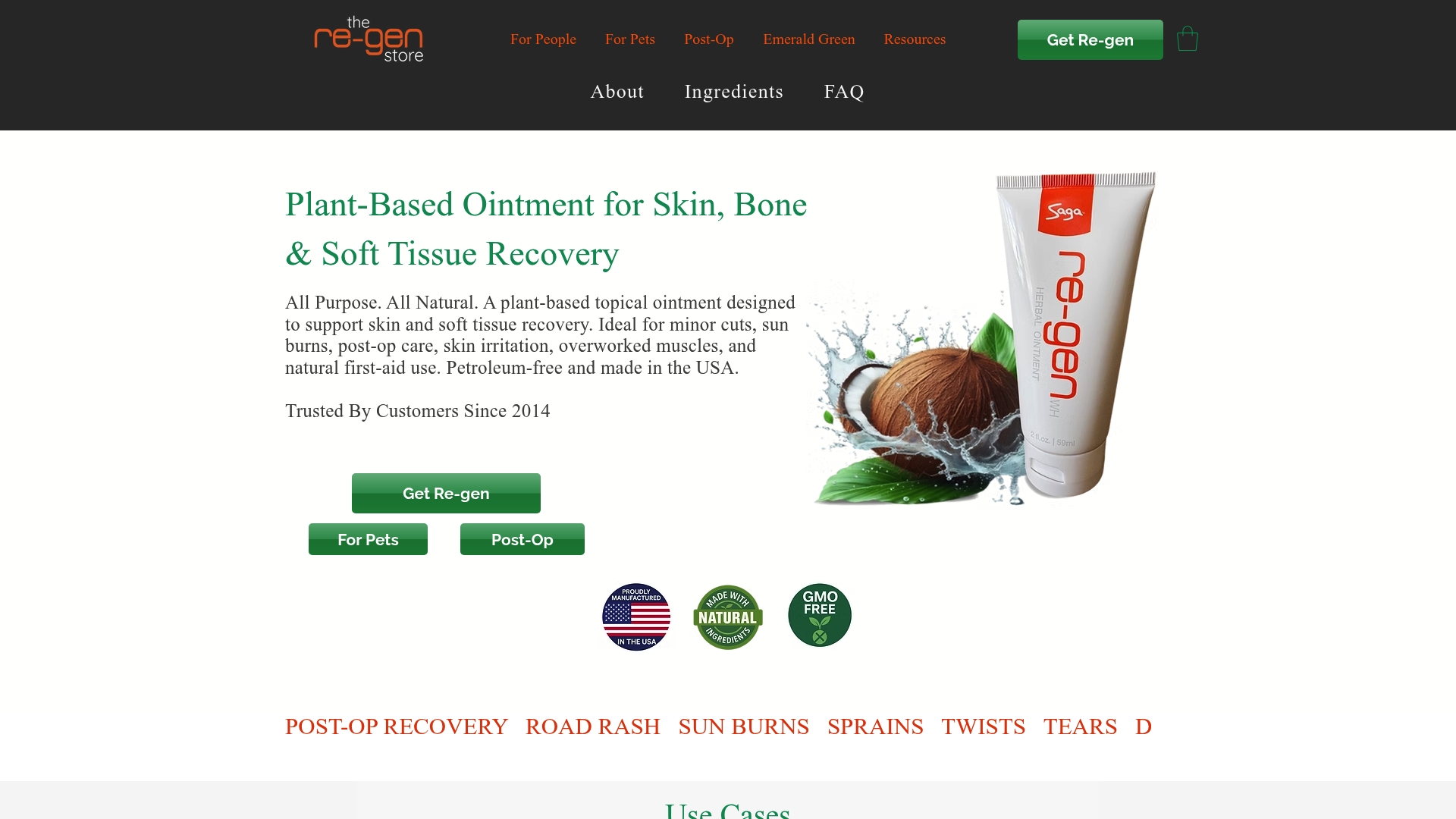
If you are rethinking how you protect and care for healing wounds, the products you use at the wound site matter just as much as the dressing on top. At Theregenstore, Re-gen is a plant-based, petroleum-free ointment formulated to support your skin’s natural repair process without the chemical load found in conventional options. It helps maintain moisture balance, supports tissue regeneration, and works gently on cuts, burns, and post-operative wounds.
You can explore the full plant-based wound treatment options, or go straight to the Re-gen regenerative ointment to see ingredients, usage guidelines, and customer results. If you want a broader look at what supports recovery naturally, the natural skin recovery tips guide is a useful next read.
FAQ
Why should you cover a healing wound?
Covering a healing wound maintains the moist environment skin cells need to migrate and rebuild tissue. Wounds heal up to twice as fast when kept moist compared to wounds left to dry and scab.
When is it safe to stop covering a wound?
You can stop covering a wound once the surface has full skin closure with no open areas and minimal redness or swelling. Minor cuts typically reach this point within 3 to 5 days, though deeper wounds take longer.
Can leaving a wound uncovered cause infection?
Yes. Infection risk rises significantly when wounds are left uncovered before full epithelialization forms. Bacteria from the environment, clothing, and skin contact can enter the wound and prolong healing significantly.
What should you avoid putting on a healing wound?
Avoid hydrogen peroxide, rubbing alcohol, and cotton balls. These are cytotoxic to new skin cells or leave debris in the wound. Clean water, saline, and plant-based ointments are better choices for wound cleaning and protection.
Does diet or sleep affect how fast a wound heals?
Yes. Poor sleep extends healing time by 25 percent or more. Adequate nutrition, hydration, and rest support every stage of wound healing from inflammation through tissue remodeling.
Recommended
Comments