
Why Is Wound Moisture Important for Faster Healing?
- Sunny

- Jul 1
- 6 min read
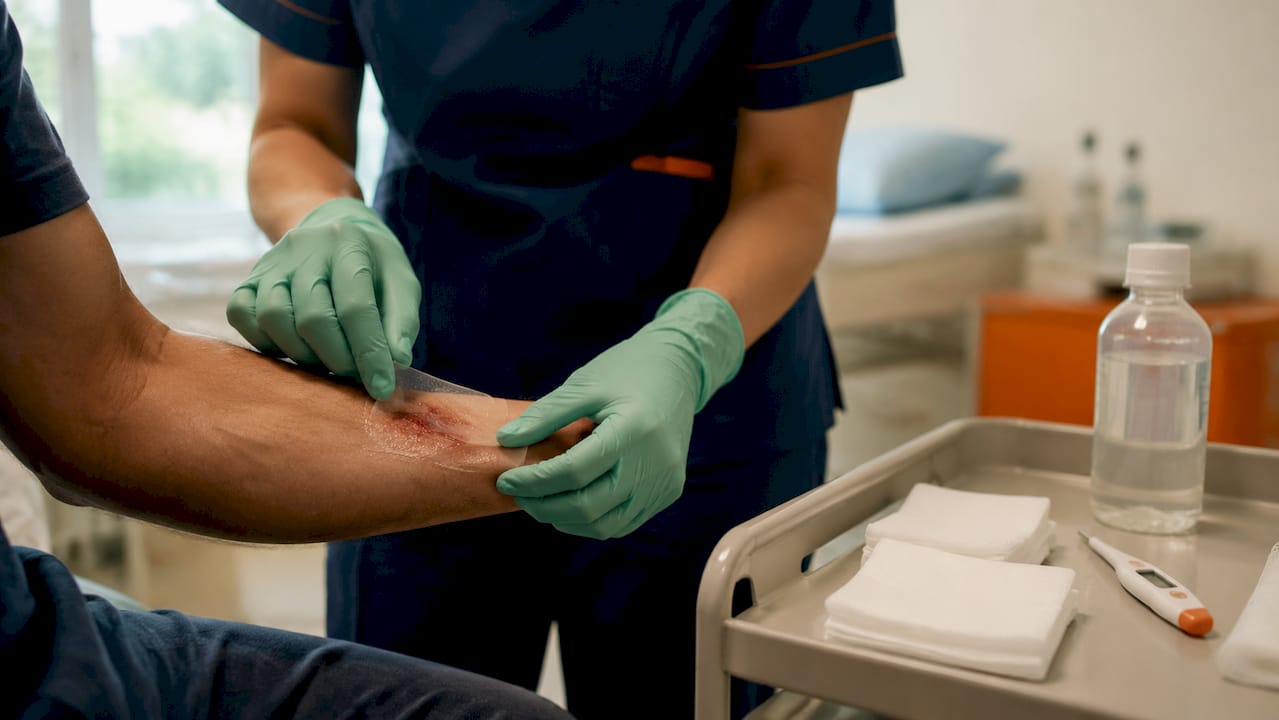
Wound moisture is defined as the controlled level of fluid retained at a wound site to support active tissue repair. Keeping a wound properly hydrated is not a comfort measure. It is a clinical requirement. Research shows that controlled moist environments shorten healing time by 15–20% and reduce scarring by over 30% compared to dry wound management. That difference matters when you are recovering from a surgical incision or a significant injury and every day of healing counts. The industry term for this practice is moist wound healing, and it has been the standard in clinical wound care for decades.
Why is wound moisture important for tissue repair?
A moist wound surface gives epithelial cells the conditions they need to move. Epithelial cells migrate more readily across a hydrated wound bed than across a dry one blocked by a hard scab. When a scab forms, cells must tunnel beneath it to reach the wound edge. That detour slows closure and increases the chance of scarring.

Moisture also keeps the wound’s nutrient supply moving. Growth factors, white blood cells, and oxygen all travel through wound fluid. Without adequate hydration, that transport slows, and the repair process stalls. A moist environment also supports autolytic debridement, which is the body’s natural process of breaking down dead tissue using its own enzymes. This keeps the wound bed clean without damaging healthy cells around it.
Key biological benefits of a moist wound environment include:
Faster cell migration toward the wound center
Continuous delivery of growth factors and immune cells
Natural removal of dead tissue through autolytic debridement
Reduced scab formation that would otherwise block repair
Pro Tip: If you are recovering from surgery, ask your care provider whether your dressing is designed to retain moisture or simply cover the wound. The distinction directly affects how fast you heal.
How does moisture affect wounds when levels go wrong?
Moisture balance in wound care is not simply about keeping a wound wet. Too much fluid causes maceration, which is the softening and breakdown of healthy skin around the wound. Excess exudate in chronic wounds contains elevated levels of matrix metalloproteinases (MMPs), enzymes that degrade healthy tissue and block repair. That is why a wound that drains heavily for weeks can actually get worse over time without proper management.
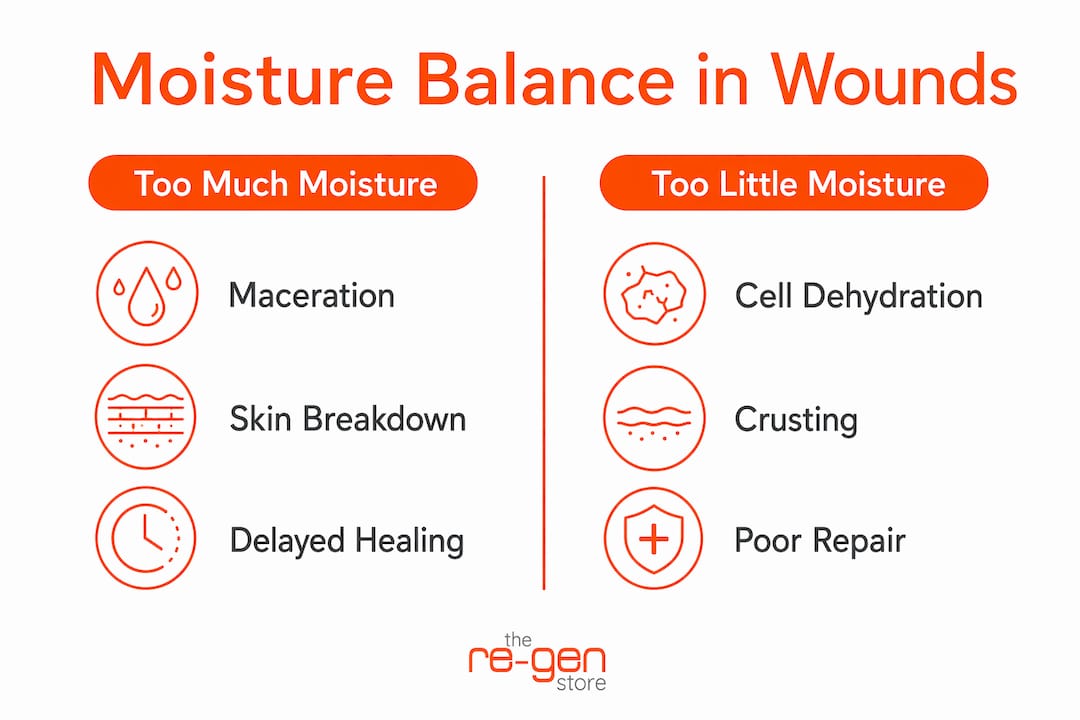
On the other side, a wound that dries out loses its repair capacity quickly. Dry conditions dehydrate the cells responsible for rebuilding tissue. The wound surface hardens, nerve endings become exposed to air, and pain increases sharply during dressing changes. Balanced moisture reduces reliance on systemic treatments by keeping the tissue environment stable enough for the body to handle repair on its own.
The clinical target for wound moisture evaporation sits at 25–30 g/m² per hour. That range represents the point where fluid loss is controlled enough to prevent drying but not so low that exudate pools and causes maceration. Staying within that window is what separates a healing wound from a stalled one.
Risks from poor moisture balance include:
Too wet: maceration of surrounding skin, bacterial overgrowth, elevated MMPs damaging tissue
Too dry: cell dehydration, hard scab formation, exposed nerve endings, delayed closure
Both extremes: increased infection risk and prolonged recovery time
What types of wound dressings help manage moisture?
Dressing selection is the primary tool for controlling moisture balance in wound care. Different wound types produce different amounts of fluid, and the right dressing matches that output.
Wound condition | Dressing type | Primary function |
Dry or low-exudate wound | Hydrogel or hydrocolloid | Donates or retains moisture to hydrate the wound bed |
Moderate-to-high exudate wound | Foam or alginate | Absorbs excess fluid and protects surrounding skin |
Complex or chronic wound | Smart hydrogel dressing | Actively modulates wound biochemistry and releases therapeutics |
Hydrogels and hydrocolloids are preferred for dry wounds because they create a gel layer that holds moisture against the tissue. Foams and alginates work in the opposite direction, pulling excess fluid away from a heavily draining wound to prevent maceration of the periwound skin.
The most advanced category is smart dressings. Smart hydrogel dressings can scavenge reactive oxygen species (ROS), release antimicrobial agents, and respond to changes in the wound environment in real time. They represent a shift from passive moisture retention to active wound management. For most people recovering at home from routine injuries or surgeries, hydrocolloids and foams remain the practical standard.
Pro Tip: Change your dressing based on how saturated it becomes, not on a fixed schedule. A dressing that is still intact and not leaking is still doing its job. Changing it too often disrupts the healing environment.
What practical steps help maintain proper wound moisture at home?
Managing moisture balance at home does not require clinical training. It requires consistency and attention to what your wound is telling you. Follow these steps to support healthy healing:
Clean gently. Rinse the wound with clean water or saline. Avoid hydrogen peroxide or alcohol, which damage new tissue and dry the wound surface.
Choose the right dressing. Match the dressing to your wound’s drainage level. A dry wound needs a moisture-retaining cover. A wet wound needs an absorbent one. Your care provider can guide this choice.
Change dressings at the right time. Replace a dressing when it leaks, lifts at the edges, or shows signs of saturation. Changing too frequently disrupts the wound environment.
Watch for maceration. If the skin around your wound looks white, soft, or wrinkled, the wound is too wet. Switch to a more absorbent dressing.
Watch for dryness. If the wound surface feels tight, looks cracked, or causes sharp pain during dressing removal, add a moisture-retaining layer.
Know when to call a provider. Increasing redness, warmth, odor, or fever are signs of infection. These require professional evaluation, not home management.
Learning how to speed up wound healing naturally starts with getting moisture balance right. Everything else builds on that foundation.
Key takeaways
Moist wound healing shortens recovery time, reduces scarring, and lowers pain by creating the biological conditions cells need to repair tissue efficiently.
Point | Details |
Moisture accelerates healing | Moist environments shorten healing time by 15–20% compared to dry wound management. |
Dryness blocks cell migration | Hard scabs force epithelial cells to detour, slowing closure and increasing scarring risk. |
Excess fluid causes damage | Elevated MMPs in chronic exudate degrade healthy tissue and raise infection risk. |
Dressing type determines balance | Hydrogels retain moisture for dry wounds; foams and alginates absorb excess fluid for wet ones. |
Home monitoring prevents complications | Watching for maceration or dryness lets you adjust care before problems develop. |
Why moisture balance is the most underrated part of recovery
Most people focus on what goes into a wound, whether it is an antibiotic cream or a bandage brand. Far fewer pay attention to whether the wound environment is actually wet enough, or too wet, to heal well. That gap in attention is where recoveries stall.
What I have seen consistently is that people recovering from surgery or injury default to the driest option available because dry feels clean. It does not. A dry wound is a wound under stress. The nerve endings are exposed. The cells cannot move. The body is working against itself. Moist dressings protect nerve endings from air and friction, and patients report measurably less discomfort during dressing changes as a result.
The other thing worth saying plainly: moisture management is not one-size-fits-all. Exudate composition changes as a wound ages. What works in the first three days may cause maceration by day ten. Paying attention to how your wound looks and feels at each dressing change is not optional. It is the whole job.
The future of wound care, with smart dressings that respond to the wound environment in real time, is genuinely exciting. But the principle behind it is not new. Keep the wound in balance. Protect it. Let the body do what it is designed to do.
— Kyle
Natural wound care that supports moisture balance
Recovering well means giving your wound the right environment from day one. Theregenstore’s Re-gen ointment is a plant-based wound treatment formulated without petroleum, synthetic chemicals, or conventional antibiotics. It supports the skin’s natural repair process while helping maintain the moisture conditions tissue needs to regenerate.
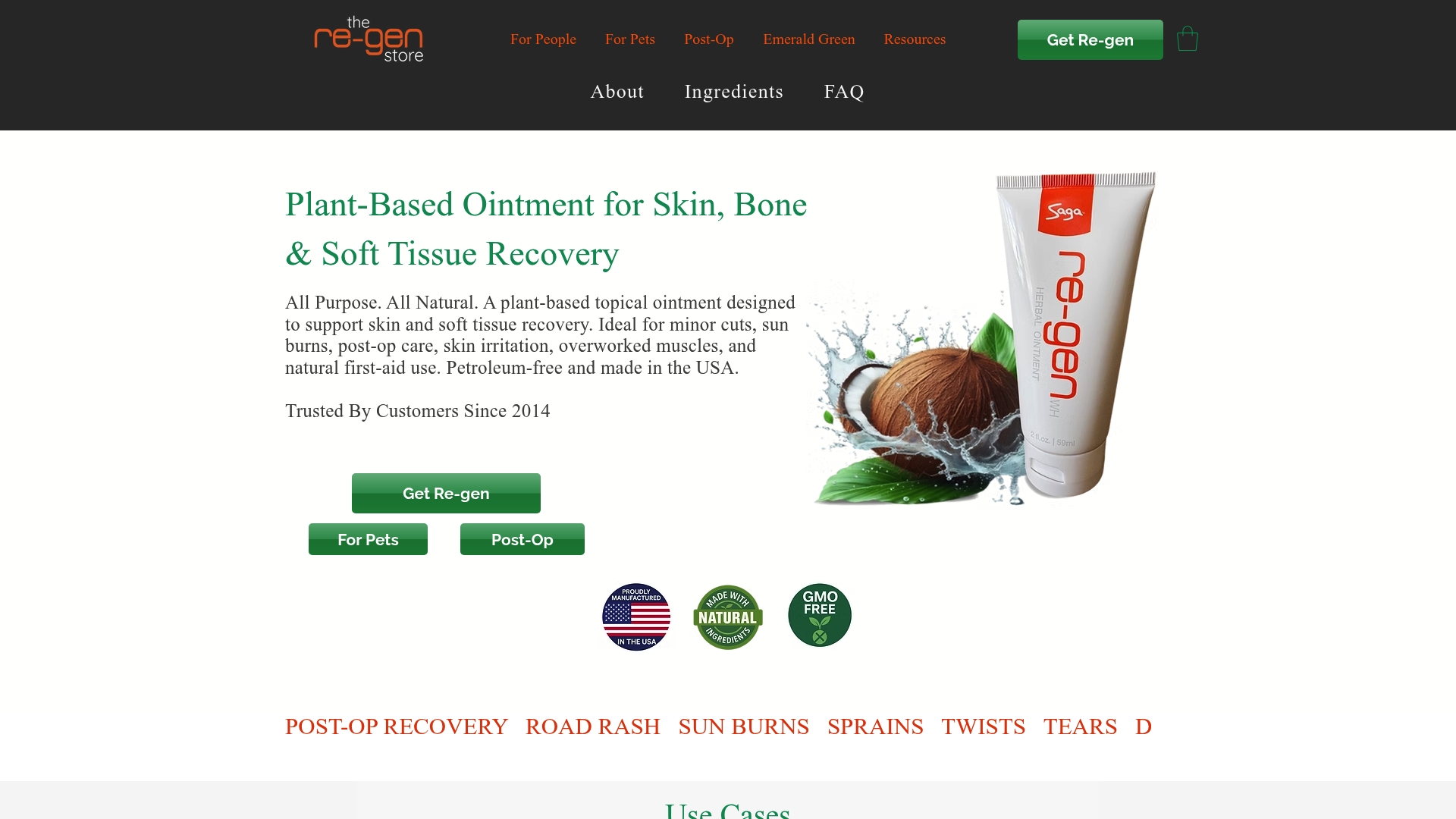
Re-gen is designed for cuts, burns, post-operative wounds, and soft tissue injuries. It works as a natural alternative to conventional antibiotic ointments, using herbal ingredients that support healing without disrupting the wound’s biochemical balance. You can explore the full Re-gen regenerative ointment on the Theregenstore website, along with guides on natural recovery and wound protection.
FAQ
Why is keeping a wound moist better than letting it air out?
A moist wound heals faster because epithelial cells migrate more easily across a hydrated surface. Letting a wound air out causes drying, scab formation, and slower cell movement toward the wound center.
What happens if a wound gets too wet?
Excess moisture causes maceration, which softens and breaks down the healthy skin surrounding the wound. Chronic exudate also contains MMPs that degrade tissue and raise the risk of infection.
How do I know if my wound has the right moisture level?
A well-balanced wound looks pink and slightly moist without white or wrinkled skin at the edges. Cracking or tightness signals dryness; soft, pale surrounding skin signals excess moisture.
What is the optimal moisture evaporation rate for wound healing?
Clinical research identifies 25–30 g/m² per hour as the target evaporation rate. This range keeps the wound hydrated enough for cell activity without allowing fluid to pool and cause maceration.
Can natural ointments help maintain wound moisture?
Yes. Plant-based ointments without petroleum or synthetic fillers can support moisture retention while allowing the skin to breathe. Theregenstore’s Re-gen ointment is formulated specifically for this purpose across a range of wound types.
Recommended
Comments