
Herbal Remedy Application Process: A Safe Wound Care Guide

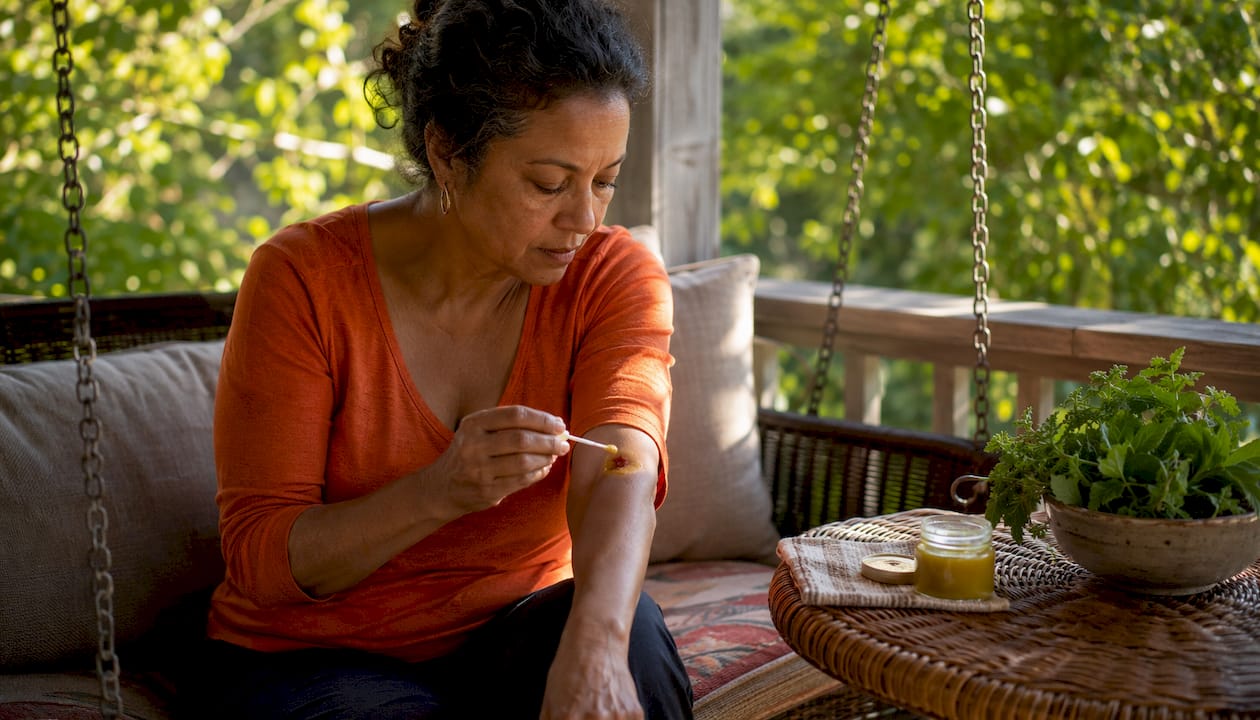
How to apply herbal topical remedies correctly for wound healing

The herbal remedy application process is a methodical set of steps to safely and effectively use natural topical treatments on wounds and damaged tissue. Done right, it supports healing. Done carelessly, it risks infection, allergic reactions, or worse. Here is what you need to know before you open any jar or bottle.
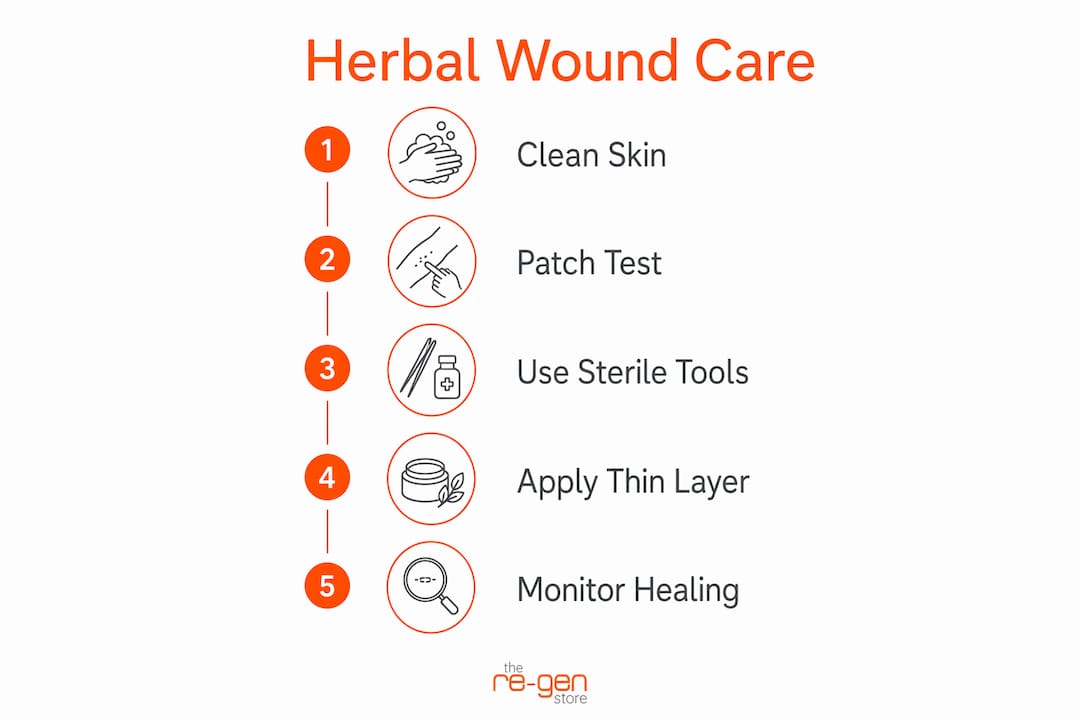
The core steps at a glance:
Wash your hands thoroughly before touching the product or the wound
Cleanse and gently dry the affected skin area before applying anything
Perform a patch test on unbroken skin at least 24 hours before first use
Apply with a sterile applicator, cotton swab, or freshly washed fingers
Use only the amount specified on the product label — more is not better
Never dip used fingers or tools back into the product container
Cover with a sterile dressing if the wound is open or weeping
Watch the skin closely and stop use immediately if redness, swelling, or itching worsens
Pro Tip: Apply your herbal remedy right after cleansing, while skin is still slightly damp. Moisture improves absorption of botanical actives into the upper skin layers.
Table of Contents
What you need to know about herbal remedy safety and regulation in the US
Herbal supplements are not regulated by the FDA in the United States and have not been tested in FDA-approved clinical trials to confirm effectiveness. That is not a reason to avoid them. It is a reason to choose carefully.
Because the FDA does not oversee manufacturing, product quality varies widely. Preparations may contain a portion of the plant, the whole plant, or inconsistent concentrations of active compounds. Contamination with heavy metals, undeclared ingredients, or pesticides has been documented in some herbal products. Consumers should look for quality-assurance certifications such as USP Verified or ConsumerLab.com Approved Quality seals, which signal independent third-party testing.
Key safety risks to understand:
Contamination: Mislabeled or adulterated products are a documented concern, particularly with imported herbal goods
No standardized dosage: Herbal topical remedies lack standardized dosages, meaning relying solely on labels can lead to ineffective or adverse outcomes
Drug interactions: Natural substances can interact with prescription medications or cause side effects when misused
Population cautions: Pregnant or breastfeeding individuals, older adults, people on multiple medications, and those preparing for surgery face higher risks
Many consumers assume herbal products are safe simply because they are natural. That assumption can lead to real harm, including severe allergic reactions or unintended drug interactions. Treating “natural” as synonymous with “risk-free” is one of the most common and consequential mistakes in self-directed herbal care.
Step-by-step: applying herbal remedies safely and effectively
Follow these steps in order for every application. Skipping steps, especially early ones, is where most problems start.
Cleanse the wound area. Rinse with clean water and mild soap. Pat dry with a sterile gauze pad or clean cloth. Never apply any topical remedy to a dirty or wet surface.
Perform a patch test first. Apply a small amount of the herbal product to the inner forearm. Wait 24 hours. If no redness, itching, or swelling appears, patch testing confirms you can proceed to the wound area.
Prepare clean hands and tools. Wash hands with soap and water for at least 20 seconds. Use a sterile applicator or fresh cotton swab. Proper sterilization and clean handling of utensils prevents contamination and infection.
Apply the correct amount. Follow the product label for dosage. A thin, even layer is almost always sufficient. Thick applications can trap moisture and slow healing rather than support it.
Spread evenly without rubbing aggressively. Gentle application protects fragile tissue. Rubbing hard can reopen a healing wound or cause unnecessary inflammation.
Cover if needed. Open cuts, abrasions, or post-operative wounds benefit from a sterile non-stick dressing placed over the remedy. This protects the area from bacteria and keeps the active botanicals in contact with the skin.
Follow frequency guidelines. Most topical herbal ointments are typically applied multiple times daily, as indicated on product instructions. Always defer to the specific product’s instructions over general advice.
Store correctly. Keep herbal remedies in a cool, dark place away from direct sunlight and heat. Improper storage degrades active plant compounds and can encourage microbial growth in oil-based formulas.
Check expiration dates. Discard any product past its expiry or if the color, smell, or texture has changed noticeably.
Monitor your skin after each application. Watch for increasing redness, swelling, warmth, or discharge. These are signs to stop and seek medical advice.
Herbal healing is often a supportive, long-term process that works best alongside conventional care rather than as a fast or standalone cure. Patience and consistency matter more than intensity.
When you should consult a healthcare provider about herbal topical use
Some situations call for professional guidance before you apply anything to a wound. Consulting a provider is not a sign that natural remedies do not work. It is how you use them safely.
Speak with a doctor, nurse practitioner, or licensed naturopath before starting any herbal topical treatment if you:
Are pregnant or breastfeeding
Take prescription medications, including blood thinners, immunosuppressants, or corticosteroids
Are elderly or managing a chronic condition like diabetes that affects wound healing
Have a surgery scheduled within the next two weeks
Are treating a wound that is deep, infected, larger than a palm, or not improving after several days
Consulting your healthcare provider before use is especially important for these groups because herbal compounds can alter how medications behave in the body. For clinical wound care involving complex or non-healing wounds, professional assessment should always come first.
If you experience worsening symptoms, spreading redness, fever, or pus after applying any topical remedy, stop use and seek medical attention promptly. These signs suggest infection, not a healing response.
Pro Tip: Keep a simple application diary. Note the date, product used, amount applied, and any skin changes. This record helps any provider assess what is working and what is not, far faster than memory alone.
Re-gen Plant-Based Regenerative Ointment supports natural wound healing
Re-gen, available through Theregenstore, is a plant-based topical ointment formulated to support skin, soft tissue, and muscle recovery without petroleum, synthetic preservatives, or harsh chemicals. Its botanical formula draws on ingredients recognized for regenerative and anti-inflammatory properties, making it a practical choice for consumers who want a natural option that is also transparent about what is inside.
What Re-gen is designed for:
Minor cuts, scrapes, and abrasions
Burns and sunburn recovery
Sprains and soft tissue injuries
Post-operative wound support
Skin conditions and general skin health maintenance
Safe for use on pets as well as people
Re-gen is positioned as a plant-based wound treatment alternative to conventional antibiotic ointments like Neosporin, without the petroleum base or synthetic additives. For those researching herbal extracts in wound healing, the botanical actives in Re-gen align with what the science on plant-based tissue repair supports.
Pro Tip: Apply Re-gen to cleansed, slightly damp skin for better absorption. A thin layer is enough. Reapply 1–3 times daily or as directed, and cover open wounds with a sterile dressing to keep the botanicals in contact with the tissue.
Re-gen from Theregenstore: a natural option worth trying
If you have been reading about the herbal remedy application process and wondering which product actually delivers on its claims, Re-gen from Theregenstore is a concrete starting point.

Re-gen is petroleum-free, plant-based, and built for the kind of everyday wound and tissue care this article covers: cuts, burns, sprains, post-op recovery, and more. Unlike conventional antibiotic ointments, it skips the synthetic chemicals and relies on botanical ingredients with a clear, published ingredient list. You know exactly what you are putting on your skin.
Theregenstore also offers guidance on speeding up wound healing naturally and comparing plant-based options to conventional products, so you can make an informed decision rather than a guessed one. Visit theregenstore.com to review the full ingredient list, application guidelines, and available sizes.
FAQ
Is the herbal remedy application process different for open wounds vs. bruises?
Yes. Open wounds require sterile tools, a patch test before first use, and a protective dressing after application. Closed injuries like bruises allow for gentler, direct application without the same contamination risk.
How often should you apply a topical herbal remedy?
Most topical herbal ointments are applied 1–3 times daily, but always follow the specific product’s label. Frequency can vary based on wound severity and the botanical ingredients involved.
Do herbal topical remedies interact with prescription medications?
They can. Natural substances may interact with medications or cause side effects when misused, which is why consulting a healthcare provider before use is recommended, especially if you take blood thinners or immunosuppressants.
What quality certifications should you look for on herbal products?
Look for USP Verified or ConsumerLab.com Approved Quality seals. These indicate independent third-party testing for purity, potency, and the absence of contaminants.
Is Re-gen from Theregenstore safe for sensitive skin?
Re-gen is formulated without petroleum or harsh synthetic chemicals, making it suitable for sensitive skin. A patch test on the inner forearm before first use is still recommended, as with any topical product.
Key Takeaways
Applying herbal topical remedies safely requires clean skin, a patch test, sterile tools, correct dosage, and consistent monitoring for adverse reactions.
Point | Details |
Patch test before use | Apply to unbroken skin and wait 24 hours before treating any wound area. |
No FDA regulation | Herbal supplements are not FDA-regulated; choose products with USP Verified or ConsumerLab.com seals. |
Frequency guideline | Most topical herbal remedies are applied 1–3 times daily per product instructions. |
Consult a provider | Pregnant, breastfeeding, elderly, or medicated individuals should get professional guidance before use. |
Theregenstore Re-gen | A petroleum-free, plant-based ointment for cuts, burns, sprains, and post-op wounds with a clear ingredient list. |
Recommended
Comments