
What Is Bone Healing? Stages, Tips, and Recovery

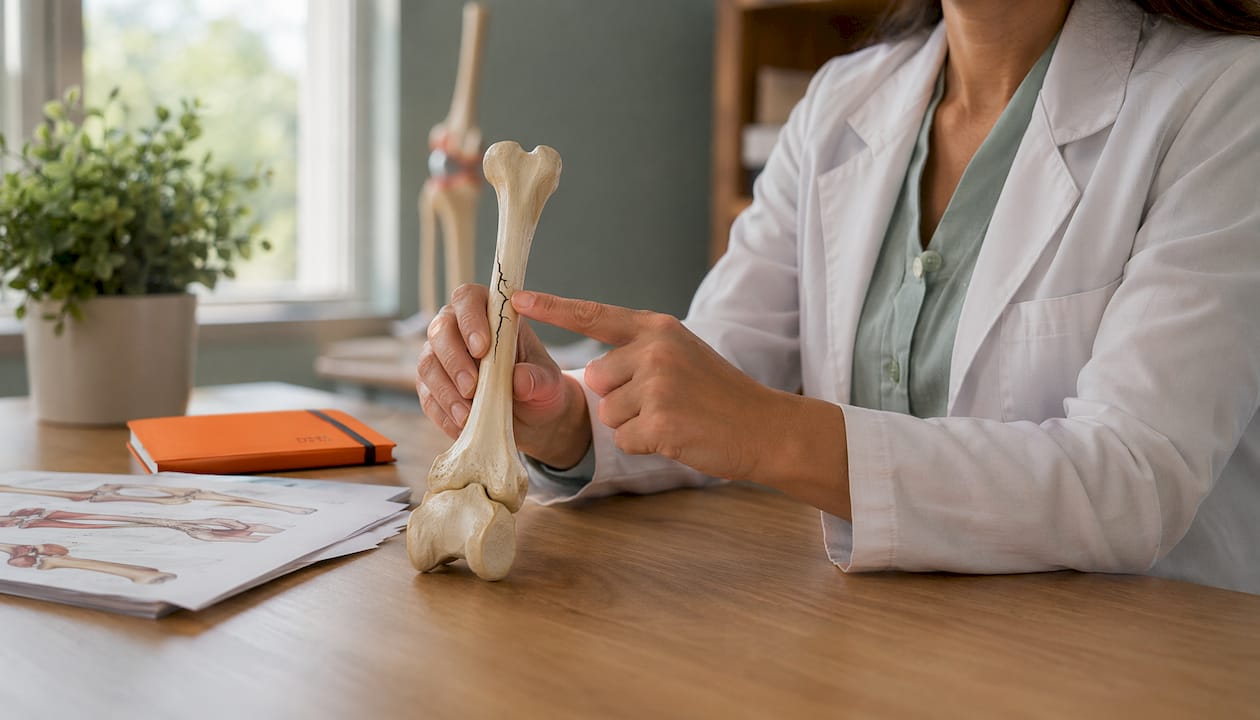
Bone healing is defined as the natural biological process by which the body repairs a fractured or damaged bone, restoring its original strength and structure through a series of overlapping stages. Unlike skin wounds that close with scar tissue, bone regenerates actual bone tissue, making it one of the few tissues in the body capable of true regeneration. This process involves three primary phases: inflammation, repair, and remodeling. Each stage depends on the right conditions, including proper nutrition, immobilization, and healthy lifestyle habits. Understanding how this process works gives you a real advantage in supporting your own recovery.
What is bone healing and how does it happen in stages?
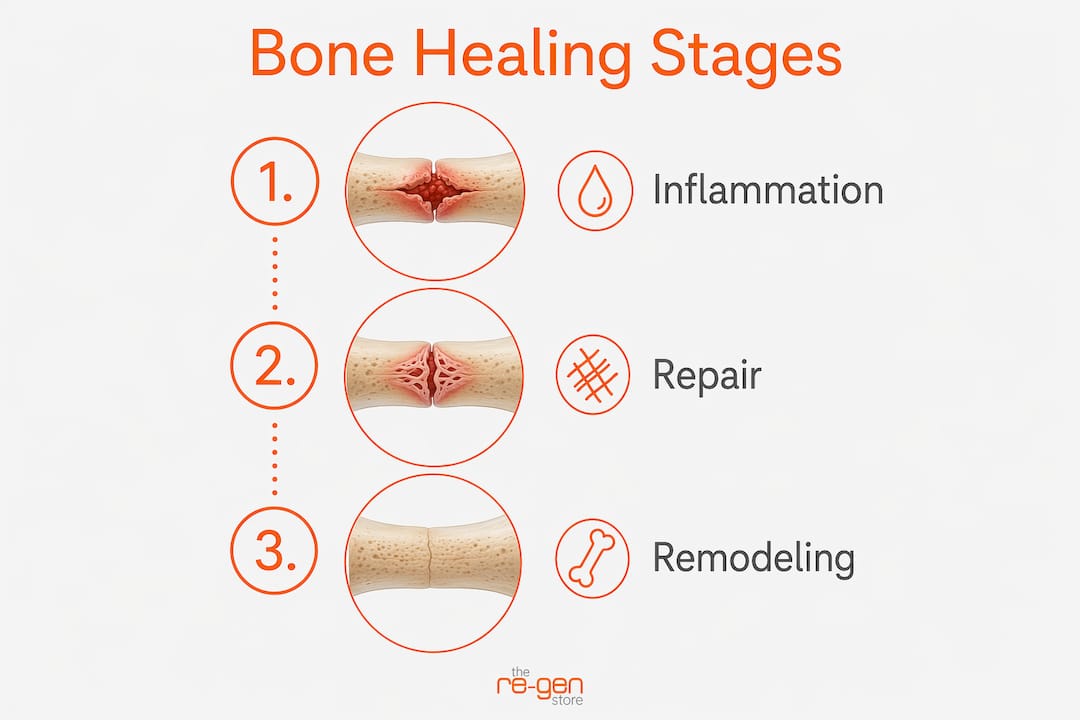
Bone healing occurs in three overlapping stages that follow a predictable biological sequence, though the timing varies based on fracture severity and individual health. Each stage builds on the last, and disrupting any one of them can slow the entire process.
Stage 1: Inflammation (days 1–7)
The inflammatory stage begins immediately after a fracture. Blood vessels at the injury site rupture, forming a hematoma, which is a localized blood clot that acts as a scaffold for healing cells. Immune cells flood the area, clearing debris and releasing chemical signals that trigger the repair process. You will notice pain, swelling, and warmth during this phase. These symptoms are not problems. They are signs that your body is actively working.
Stage 2: Repair (weeks 2–6)
During the repair stage, new blood vessels grow into the hematoma and specialized cells called chondrocytes lay down cartilage, forming what is known as a soft callus. Over the following weeks, this soft callus mineralizes into a hard callus made of woven bone. Immobilization is critical during this phase. Any movement at the fracture site can disrupt callus formation and delay healing significantly.
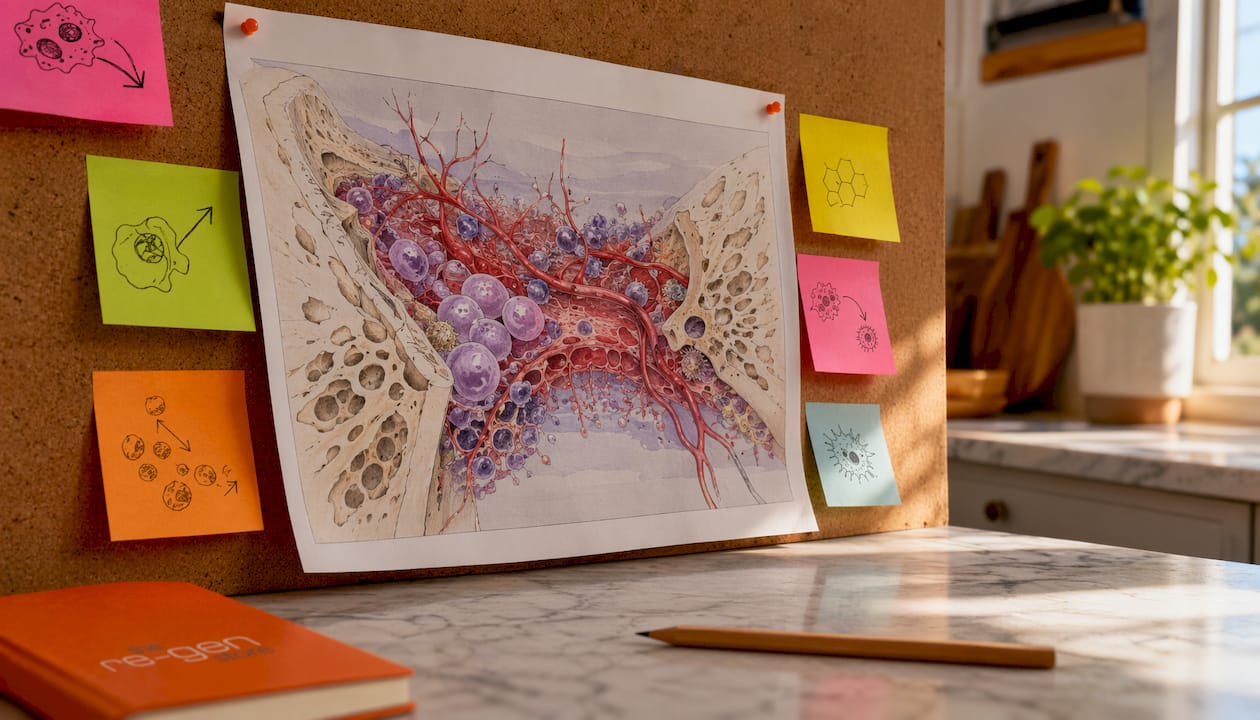
Stage 3: Remodeling (months to years)
The remodeling stage is the longest phase. The hard callus is gradually replaced by organized lamellar bone, which matches the original bone’s architecture and strength. Bone remodeling can take months or years, depending on the fracture location and the person’s overall health. By the end of this stage, a well-healed fracture is often undetectable on imaging.
Stage | Timing | Key biological events |
Inflammation | Days 1–7 | Hematoma formation, immune cell activity, pain and swelling |
Repair | Weeks 2–6 | Soft callus, new blood vessels, cartilage, then hard callus |
Remodeling | Months to years | Callus replaced by organized bone, strength restored |
How does nutrition and lifestyle affect bone healing?
Nutrition directly controls how well your body builds new bone tissue. Protein, amino acids, and vitamin D3 are the three most critical nutrients for callus formation and mineralization during the repair stage. Without adequate protein, your body cannot produce the collagen matrix that new bone grows on. Without vitamin D3, calcium absorption drops, and the hard callus cannot mineralize properly.
Calcium alone is not enough. Many people focus on calcium supplements while ignoring protein intake, which is the more common deficiency in fracture patients. A diet rich in lean meats, legumes, dairy, eggs, and leafy greens covers most of what your body needs during active healing.
Lifestyle habits have an equally strong effect. Smoking and alcohol consumption significantly slow bone healing by reducing blood flow to the fracture site and impairing the cellular responses needed for repair. Smoking, in particular, reduces oxygen delivery to healing tissue, which directly suppresses osteoblast activity.
One commonly overlooked issue involves pain medication. NSAIDs like ibuprofen can delay fracture healing when used during the inflammatory stage because they suppress the very inflammation that initiates repair. Use them cautiously in the first week, and discuss alternatives with your doctor.
Pro Tip: Start optimizing your nutrition on day one of recovery, not after the pain subsides. The repair stage begins within days, and your body needs building blocks ready before it starts constructing new bone.
For a deeper look at plant-based approaches to supporting recovery, the guide on bone healing with herbs covers natural options worth considering alongside conventional care.
What role does mechanical support play in bone healing?
Immobilization protects the fracture during the inflammation and repair stages. Casting, splinting, or surgical fixation prevents bone fragments from shifting, which would tear the developing callus and restart the inflammatory cycle. Early immobilization prevents displacement and gives the soft callus the stable environment it needs to mineralize.
The counterintuitive part is what happens next. Keeping a bone completely immobilized for too long actually weakens it. Once the hard callus has formed, controlled mechanical loading stimulates osteoblasts, the cells responsible for building bone, to increase their activity. This concept, known as mechanobiology, explains why physical therapy and gradual weight-bearing are prescribed during the remodeling stage rather than continued rest.
Emerging therapies add another layer of support. Biophysical stimuli like ultrasound and electrical stimulation are used as adjuncts to conventional treatment, particularly in cases where healing is slow. These therapies promote cellular activity at the fracture site without mechanical stress, making them useful when early loading is not yet appropriate.
Approach | Benefits | Risks if misapplied |
Immobilization (casting) | Prevents displacement, protects callus | Muscle atrophy, bone weakening if prolonged |
Controlled loading (rehab) | Stimulates remodeling, restores strength | Callus disruption if started too early |
Biophysical stimulation | Promotes cell activity, supports slow healers | Minimal risk; requires clinical guidance |
Pro Tip: Ask your orthopedic provider when you can begin partial weight-bearing. Starting controlled loading at the right time, not too early and not too late, is one of the most impactful decisions in your recovery.
The article on injury healing best practices covers the rehabilitation side of recovery in practical detail.
What are common complications and signs of bone healing problems?
Between 5% and 15% of fractures result in delayed union or nonunion, meaning the bone either heals too slowly or fails to heal at all. These outcomes increase both medical costs and long-term disability risk. Recognizing the warning signs early gives you the best chance of addressing them before they become serious.
Signs that bone healing may be off track include:
Persistent pain at the fracture site beyond the expected healing window
Visible or felt movement at the fracture site weeks after injury
Delayed appearance of bone formation on follow-up X-rays
Swelling or warmth that returns after initially improving
Several factors raise the risk of delayed union and nonunion, including poor blood supply to the fracture site, infection, mechanical instability, and underlying conditions like diabetes. Diabetes impairs both blood flow and immune function, two systems that bone healing depends on heavily.
Habits that increase complication risk include active smoking, heavy alcohol use, poor nutritional status, and non-compliance with immobilization instructions. Addressing these factors early, ideally before or immediately after injury, measurably improves outcomes. If you have any of the warning signs above, contact your provider promptly rather than waiting for a scheduled follow-up.
For context on the difference between fracture types and what they mean for treatment, the resource on fractured vs. broken bones provides clear clinical guidance.
Key Takeaways
Bone healing is a three-stage biological process requiring proper nutrition, timely immobilization, and gradual mechanical loading to restore full bone strength and structure.
Point | Details |
Three defined stages | Inflammation, repair, and remodeling each require different conditions and timing. |
Nutrition drives repair | Protein, vitamin D3, and calcium are non-negotiable for callus formation and mineralization. |
Immobilization has limits | Early casting protects the callus; prolonged immobilization weakens bone during remodeling. |
Lifestyle factors matter | Smoking and alcohol directly impair blood flow and slow cellular healing responses. |
Complications are detectable | Persistent pain and delayed bone formation on imaging are early signs of healing problems. |
What I’ve learned about bone healing that most guides skip
After spending years reading the research and working with people navigating fracture recovery, one pattern stands out clearly. Most people treat bone healing as passive. They get the cast, they wait, and they assume the body handles the rest. That assumption costs them weeks of recovery time.
The inflammatory stage is not your enemy. Suppressing it aggressively with NSAIDs in the first week feels like the right call because it reduces pain, but it can blunt the very signals that launch the repair process. Pain management matters, but it needs to be balanced against the biology.
The other thing people consistently underestimate is how much nutrition moves the needle. I have seen people do everything right mechanically, follow immobilization instructions, attend physical therapy, and still heal slowly because their protein intake was inadequate. Bone is built from protein and minerals. If those are not coming in through food, the body has nothing to work with.
The integrated approach combining nutrition, proper immobilization, and timed rehabilitation is not optional. It is the difference between healing on schedule and dealing with a delayed union.
— Kyle
Natural support for your healing and recovery
Recovery from a fracture or injury involves more than waiting for bone to knit back together. Skin, soft tissue, and the surrounding structures all need support during that process.
Theregenstore offers Re-gen, a plant-based regenerative ointment formulated without petroleum or synthetic chemicals. It is designed to support skin and soft tissue recovery alongside conventional bone healing treatment. For those looking for a natural wound treatment option that avoids harsh ingredients, Re-gen provides a clean, herbal alternative. Visit Theregenstore to learn more about how Re-gen fits into a natural recovery plan.
FAQ
What is bone healing in simple terms?
Bone healing is the process by which your body repairs a broken bone by rebuilding actual bone tissue through three stages: inflammation, repair, and remodeling. Unlike skin, bone regenerates its original structure rather than forming scar tissue.
How long does the bone healing process take?
The inflammation and repair stages typically span six to eight weeks, but the remodeling stage can continue for months or even years depending on fracture severity and individual health factors.
What are the symptoms of bone healing?
Early symptoms include pain, swelling, and warmth at the fracture site during the inflammatory stage. As healing progresses, these symptoms decrease and the area gradually regains strength and function.
What factors affect bone healing the most?
Nutrition, smoking status, alcohol use, blood supply to the fracture site, and proper immobilization are the primary factors. Conditions like diabetes also significantly increase the risk of delayed or failed healing.
Can you speed up the bone healing process naturally?
Optimizing protein and vitamin D3 intake, avoiding smoking and alcohol, and following your rehabilitation timeline all support faster healing. Biophysical therapies like ultrasound may also help in cases of slow recovery.
Recommended
Comments