
Dermatologists Warn: Don't Use Vaseline on New Tattoos

Skip petroleum jelly as a healing layer on a new tattoo. It can trap moisture and bacteria against skin that needs to breathe, which raises infection risk during the first few weeks of healing. The American Academy of Dermatology and Cleveland Clinic both favor thin, breathable moisturizers instead. There are narrow exceptions, like a tattoo artist using it as a lubricant mid-session, but as your go-to aftercare product, it’s the wrong call.
TL;DR:
Petroleum jelly creates a nearly airtight seal that traps moisture and bacteria, increasing the risk of infection in the early healing phase.
During the session, petroleum jelly is used temporarily to reduce needle friction, but it should not be part of routine aftercare once the initial bandage is removed.
Breathable, water-based moisturizers with ingredients like glycerin or aloe are safer options, promoting healing without suffocating the skin or trapping exudate.
Signs of complications include spreading redness, increasing swelling, pus, foul odor, or fever, and heavy occlusive products should be discontinued immediately.
Petroleum-free, plant-based ointments support tissue recovery by hydrating without sealing, making them recommended alternatives for ongoing tattoo aftercare.
Table of Contents
Why Petroleum Jelly Can Interfere With Tattoo Healing
A fresh tattoo is a controlled wound, and wounds heal in phases. First comes the inflammatory phase, where your body sends white blood cells to the site to fight off bacteria and clear damaged tissue. Then comes the proliferative phase, where fibroblasts rebuild skin structure and new tissue forms. Both phases depend on a specific balance: enough moisture to prevent cracking, but enough airflow to let excess fluid evaporate and oxygen reach the cells doing the rebuilding.
Petroleum jelly disrupts that balance because it’s occlusive, meaning it forms a nearly airtight seal. That seal creates three specific problems:
It traps exudate (the plasma and fluid your skin naturally weeps) against the wound, creating a damp environment where bacteria multiply.
It reduces the oxygen exchange fibroblasts need to rebuild collagen and skin structure efficiently.
It forces you to wipe away a greasy layer during cleaning, and that wiping motion can pull at fresh ink before it has settled into the dermis.
Statistic to know: Clinical wound-care literature reviewed on NCBI/PubMed Central documents that occlusive dressings trap exudate and promote bacterial colonization, while non-occlusive, stage-appropriate moisturizing supports re-epithelialization, the process of new skin cells migrating across the wound surface. That’s the biological case against heavy ointments in one sentence: breathable beats sealed.
When Petroleum Jelly Actually Makes Sense
Petroleum jelly isn’t universally off-limits. It has a few legitimate, narrow uses:
During the tattoo session itself. Many artists wipe a thin film of petroleum jelly on the skin while working, reapplying frequently to reduce friction from the needle. This is not the same as leaving a thick layer on for hours afterward.
Under a short-term occlusive bandage your artist prescribes. Some studios wrap fresh tattoos in a specialty film for the first 24 hours. Follow that specific instruction, then switch to breathable aftercare once the wrap comes off.
On tattoos that are fully healed and extremely dry. Once skin has closed and settled, usually after four to six weeks, an occasional dab on rough patches won’t interfere with anything, because there’s no open wound left to suffocate.
Outside those three situations, it doesn’t belong in your routine.
Safer Alternatives to Petroleum Jelly
The better approach is a product that hydrates without sealing the skin. Look for aftercare products where water is the first ingredient, not petroleum or mineral oil. Water-based lotions absorb rather than sit on top of skin, which lets moisture regulate naturally while still protecting against cracking and excessive dryness.
When you’re reading a label, prioritize:
Fragrance-free formulas, since added scent is one of the most common triggers for irritation on inflamed skin.
Gentle emollients and humectants like glycerin or aloe, which draw and hold moisture without blocking airflow.
Simple ingredient lists you can actually pronounce, which tend to correlate with fewer irritants overall.
Avoid anything listing petrolatum, mineral oil, or heavy synthetic waxes near the top of the ingredient list, along with added dyes or alcohol-based fragrances that dry out already-stressed skin.
Plant-based, petroleum-free ointments fit this category well because they’re formulated to support tissue recovery without the occlusive seal that petroleum jelly creates. Theregenstore’s petroleum-free wound treatment approach reflects this same principle: hydration and support without smothering the skin’s ability to breathe. For a broader look at how ointment formulation affects recovery generally, this explainer on ointments in injury recovery breaks down when occlusion helps and when it hurts.
Pro Tip: Squeeze a small amount onto clean fingers first. If it leaves a thick, shiny film that doesn’t absorb within a minute, it’s too heavy for a healing tattoo, no matter what the label promises.
How to Clean and Moisturize a New Tattoo
Most artists ask you to leave the initial bandage on for two to six hours, though some specialty wraps stay on longer, so follow the specific instructions you’re given. Once it’s off, here’s the basic routine:
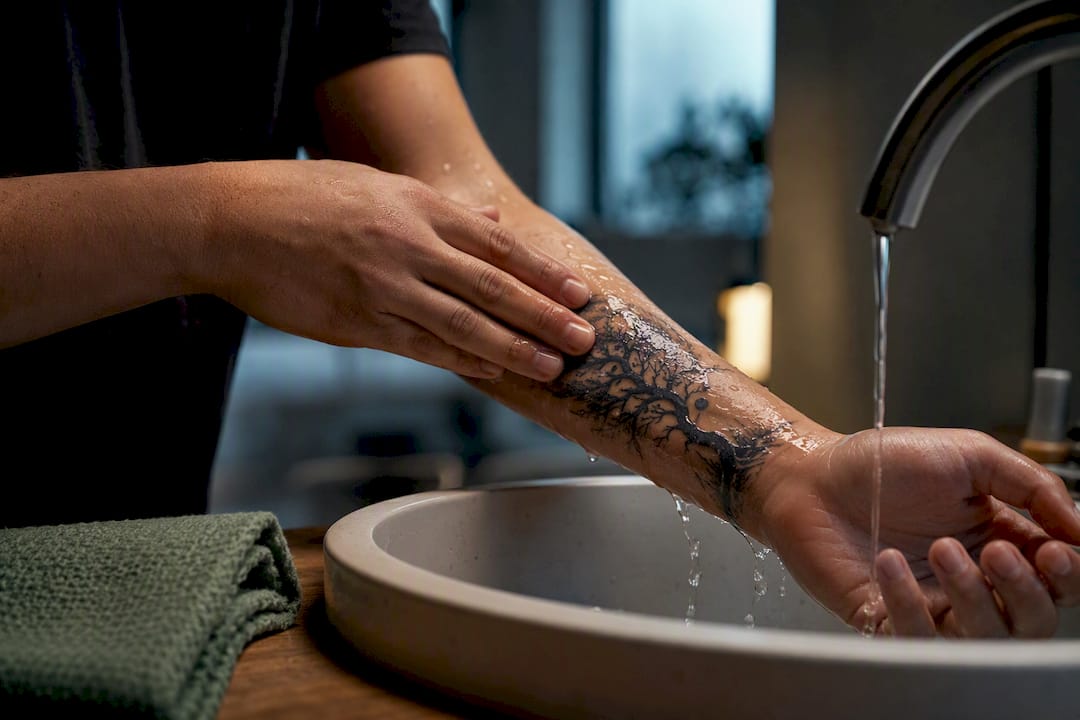
Wash gently with lukewarm water and a mild, fragrance-free soap. Use your fingertips only, no washcloths or loofahs.
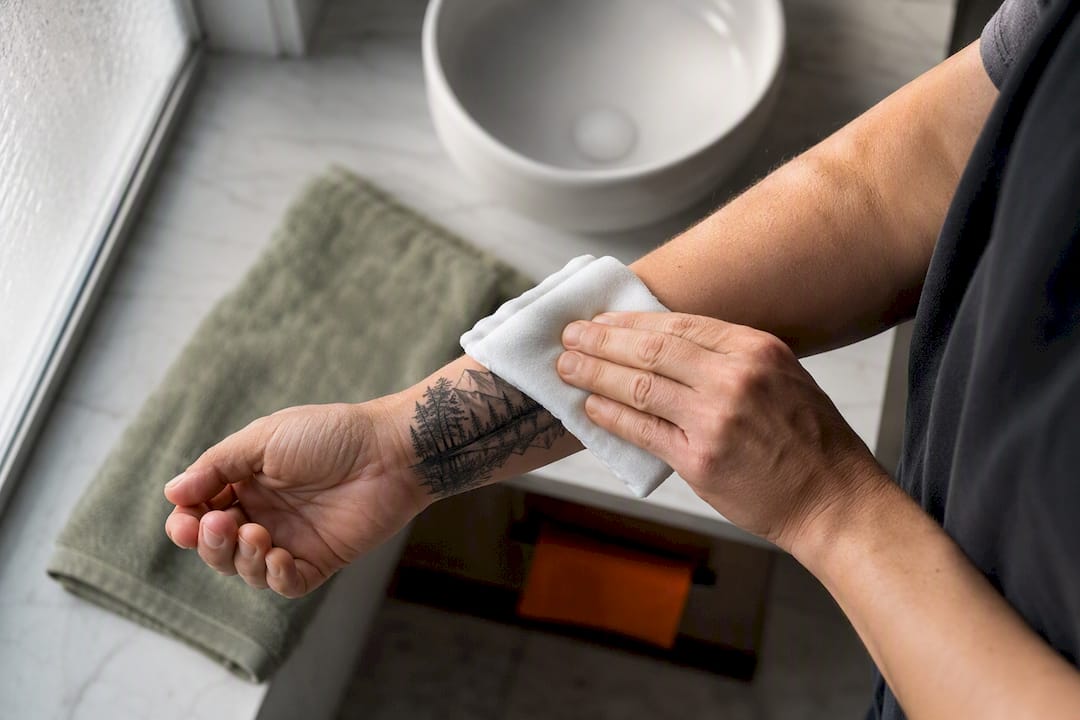
Pat dry with a clean paper towel, or let the area air-dry. Never rub.
Apply a thin layer of your water-based moisturizer, just enough to add a slight sheen without visible buildup.
Repeat two to three times daily for the first two to four weeks, adjusting frequency if your skin runs drier or oilier than average, a range that lines up with Cleveland Clinic’s aftercare guidance.
Peeling and light itching are normal starting around day four or five as the top layer of damaged skin sheds. Resist scratching or picking, since that pulls at ink still settling into place.
Pro Tip: For itching that feels unbearable, press a clean, cold compress against the area for a few minutes instead of scratching. If the itch is severe enough to disrupt sleep or doesn’t ease within a day or two, contact a clinician rather than reaching for a thicker ointment.
Infection Signs and When to Get Help
Most tattoos heal without incident, but knowing the warning signs matters. Watch for:
Redness that spreads outward or gets darker rather than fading over several days
Increasing warmth or swelling around the tattoo, especially past day five
Pus, unusual discharge, or a foul odor
Fever or red streaking radiating from the tattoo, which can signal a spreading infection
Persistent severe itching, hives, or raised plaques, which point to an allergic reaction rather than infection
If you see any of these, stop applying petroleum jelly or any heavy occlusive product immediately, wash the area gently, and contact your tattoo artist for their read on it. Escalate to a dermatologist or urgent care if you notice fever, spreading redness, or red streaking. Topical over-the-counter antibiotics are not a substitute for a clinician’s assessment once signs point past normal healing. Clinical guidance on tattoo aftercare consistently recommends professional evaluation over self-treatment when symptoms escalate.
If you already applied petroleum jelly and are now second-guessing it, don’t panic. Wash it off gently with lukewarm water and mild soap, switch to a breathable moisturizer, and monitor the area for 48 hours. A single short application is unlikely to cause lasting damage, it’s ongoing, repeated occlusion that raises real risk.
Why We Point Readers Toward Petroleum-Free Recovery
Breathable, water-based or plant-based products are recommended for new tattoos, based on dermatology guidance and clinical wound-care findings that favor non-occlusive care over heavy sealants. Kyle’s qualifications reflect this perspective. That’s the lens this entire article was built through.
— Kyle
A Petroleum-Free Option Worth Knowing About
If you’d rather skip the guesswork of ingredient labels altogether, there are plant-based, petroleum-free ointments built specifically to support skin and soft-tissue recovery, without the occlusive seal that makes petroleum jelly risky on fresh ink.
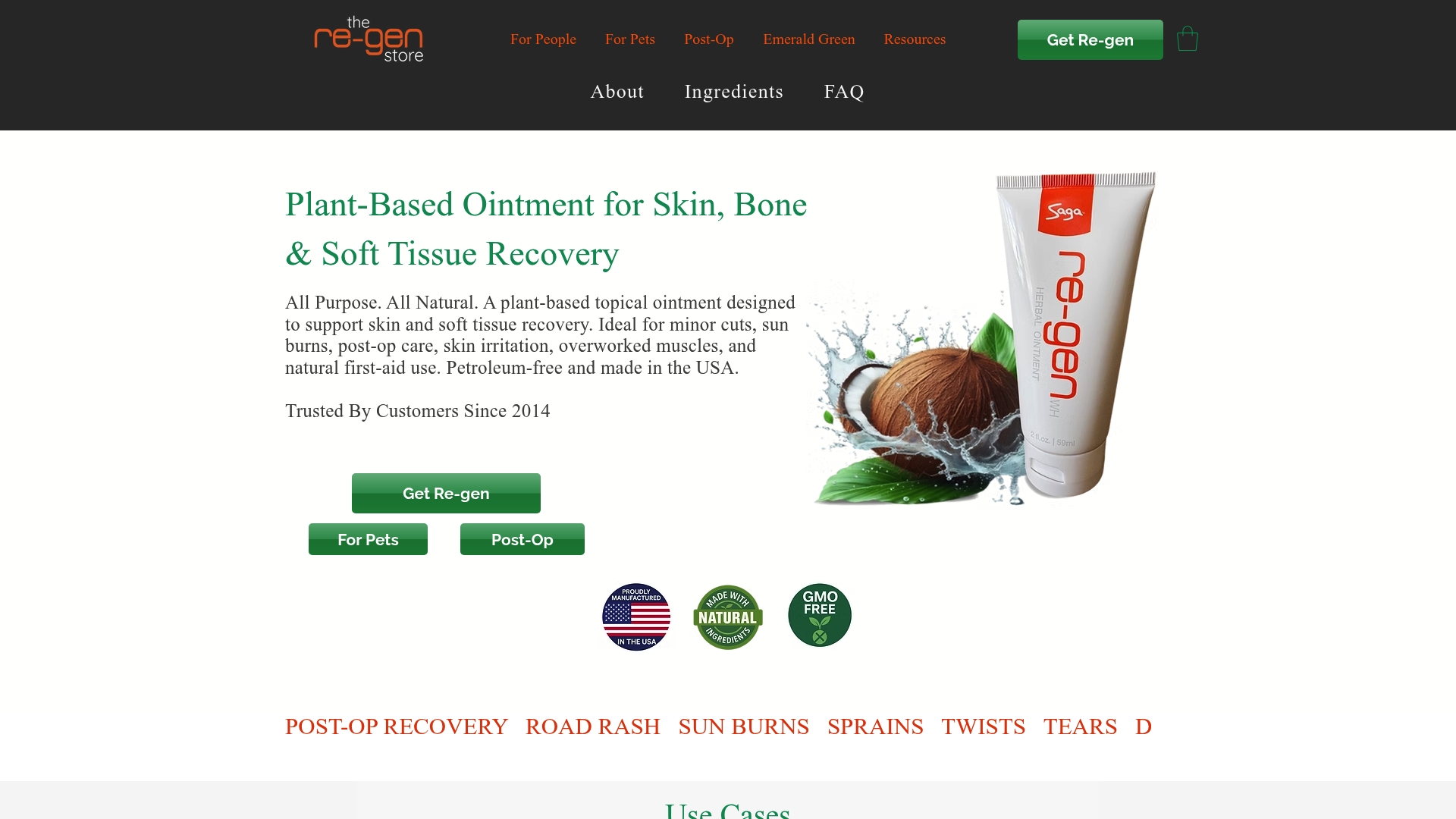
It’s formulated for exactly the situation this article covers: skin that needs hydration and support while it heals, not a heavy barrier that traps moisture underneath it. That makes it a reasonable pick once your artist’s initial bandage comes off and you’re settling into your two to three times daily routine. You can review the full ingredient breakdown and use case or go straight to the Re-gen product page to see sizing options and get one added to your aftercare kit before your next session.
Sources
FAQ
What can I moisturize my tattoo with?
Use a thin layer of a fragrance-free, water-based lotion or a dedicated non-occlusive tattoo aftercare product, applied two to three times daily for the first two to four weeks, per Cleveland Clinic’s guidance.
What’s better for tattoos, Aquaphor or Vaseline?
Both are occlusive petroleum-based products, so neither is ideal as a routine healing layer. Aquaphor is somewhat less heavy than pure petroleum jelly, but dermatology guidance still favors breathable, water-based alternatives over either one for new tattoos.
Why do tattoo artists use Vaseline?
Some artists use a thin film of petroleum jelly during the tattooing session itself to reduce needle friction, which is different from recommending it as at-home aftercare. Modern dermatology guidance and clinical reviews favor breathable products once you leave the studio, so if your artist still recommends it for home use, ask about their specific reasoning.
What is the best lubricant for tattoos?
During the session, a thin, frequently wiped layer of a mild lubricant works fine and is the artist’s call. For at-home healing, a fragrance-free water-based moisturizer or a plant-based, petroleum-free ointment like Re-gen supports recovery without the occlusion risk.
Recommended
Comments