
Types of Pet Wounds: A 2026 Guide for Pet Owners

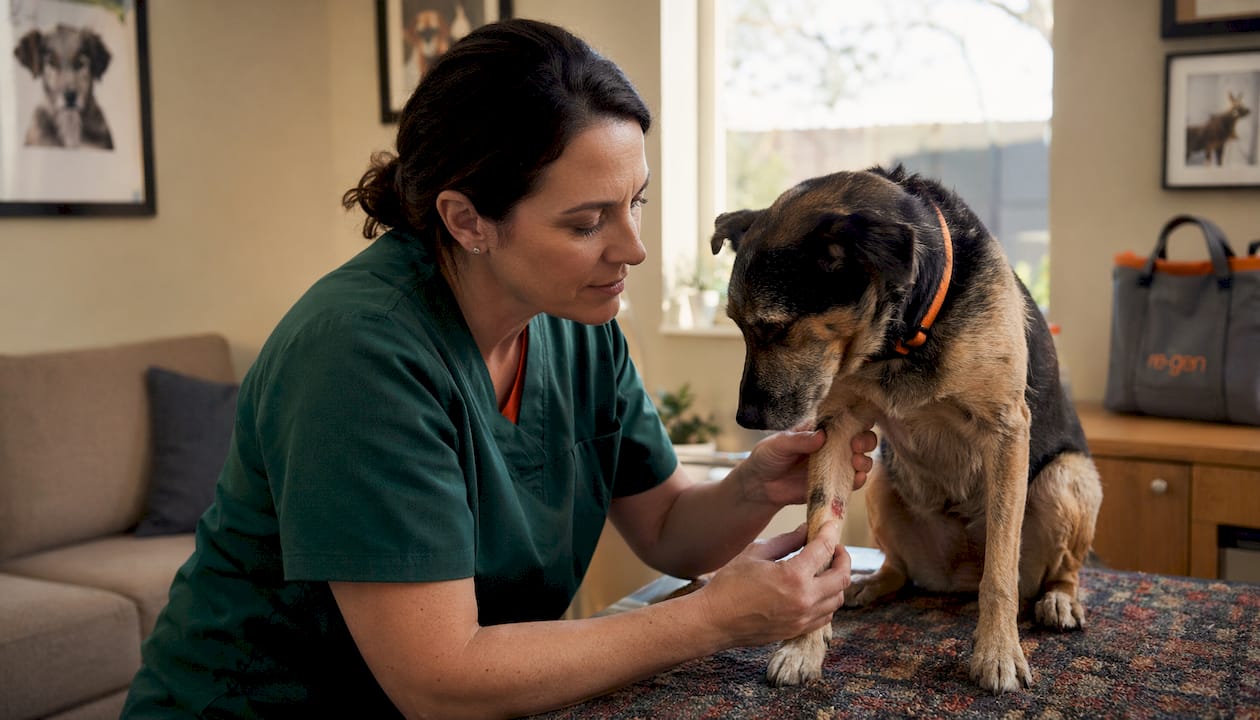
Pet wounds are injuries that damage the skin and underlying tissues, typically classified as abrasions, puncture wounds, lacerations, avulsions, and bite wounds, each requiring specific care to heal properly. Knowing what are the types of pet wounds helps you respond faster and more accurately when your dog or cat gets hurt. The difference between a surface scrape and a deep puncture can mean the difference between home care and an emergency vet visit. This guide walks you through each wound type, how to spot infection risk, and what to do first.
What are the types of pet wounds?
Common categories of pet wounds include superficial abrasions, puncture wounds, lacerations, avulsions, and bite wounds, each with varying infection risks based on depth and contamination. Veterinary professionals use these categories to guide triage, treatment, and recovery planning. Understanding them gives you a clear framework for assessing your pet’s injury before you call the vet.
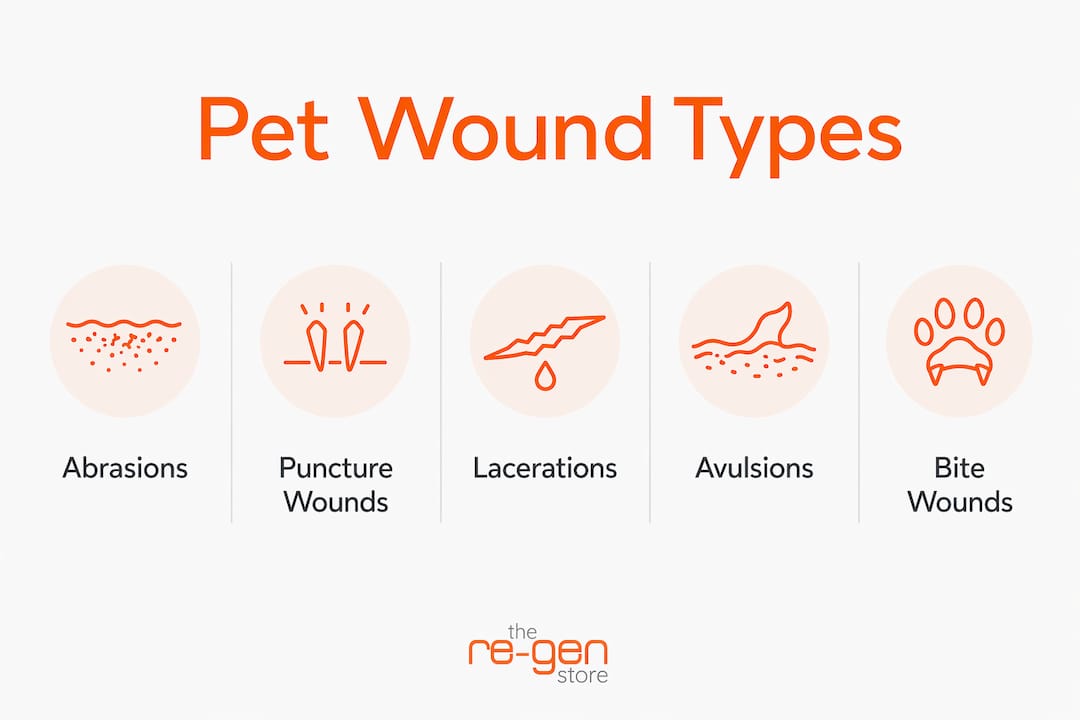
Abrasions are surface friction injuries. Think scrapes from rough pavement or gravel. The skin loses its top layer but the wound typically stays shallow. Bleeding is minimal, but dirt and debris can contaminate the area quickly.
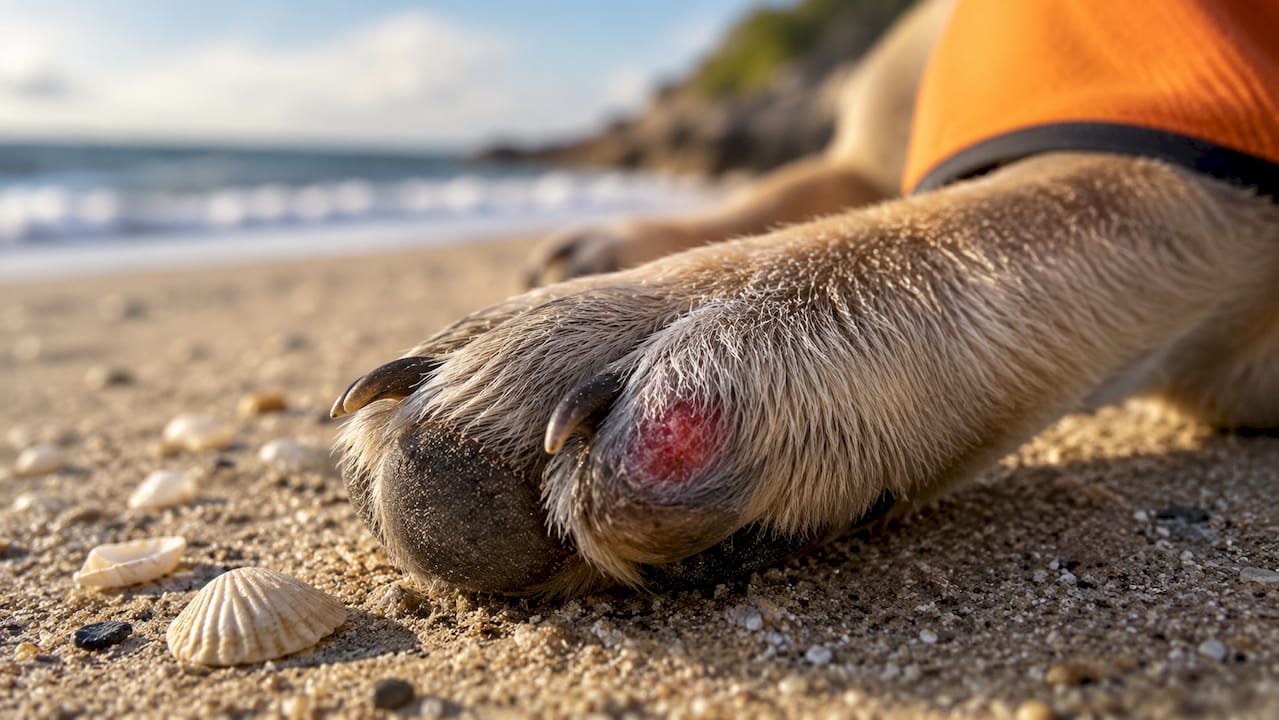
Puncture wounds are caused by sharp objects like nails, thorns, or teeth. They look small on the surface but can reach deep into muscle or tissue. This is the wound type that fools most pet owners.
Lacerations are irregular cuts from sharp trauma, such as broken glass or wire fencing. They bleed more than abrasions and often have jagged edges that make closure harder.
Avulsions involve tissue being torn away, partially or fully, from the body. These are serious injuries. They often require surgical repair and carry a high risk of infection and tissue death.
Bite wounds are classified separately because of their unique bacterial risk. Oral bacteria from another animal get inoculated directly into the tissue, creating conditions for rapid infection.
How can you identify severity and infection risk?
Not every wound looks as serious as it is. Puncture wounds often seal over superficially but trap bacteria deep inside, and hidden abscesses can develop days after the initial injury without obvious surface signs. That small hole in your cat’s skin from a neighborhood cat fight may look fine by morning and turn into a painful abscess by the end of the week.
Veterinary medicine uses the Veterinary Abbreviated Injury Scale (V-AIS) to standardize wound severity classification. It uses a 6-point scale that describes anatomical location, tissue type, and severity level. This system helps vets triage quickly and helps you communicate injury details more precisely when you call the clinic.
Signs that a wound needs immediate veterinary attention: Heavy bleeding that does not stop after 5–10 minutes of direct pressure, visible deep tissue or bone, wounds from animal bites, wounds with foul odor or discharge, and any injury where your pet cannot bear weight or shows signs of shock.
Watch for these indicators of worsening infection:
Swelling that increases after the first 24 hours
Redness spreading beyond the wound edge
Warmth or heat around the wound site
Pus or cloudy discharge
Your pet excessively licking or guarding the area
Inflammation is a natural healing response but must be monitored closely. Excessive swelling or persistent pain signals that the body is not managing the infection on its own.
What are the best practices for initial pet wound care?
Proper first aid buys time and prevents complications. Cleaning wounds with sterile gauze, applying appropriate ointments, and managing bleeding with direct pressure are the core steps. Delaying care for deep or contaminated wounds can cause severe complications, including systemic infection.
Follow these steps for home wound care:
Control bleeding first. Apply gentle, direct pressure with a clean cloth or sterile gauze for 5–10 minutes without lifting to check.
Clean the wound gently. Rinse with clean water or saline. Remove visible debris carefully. Do not use hydrogen peroxide or alcohol directly on the wound, as both damage tissue.
Apply a suitable ointment. Use a pet-safe product that supports healing without harsh chemicals. Cover with a sterile bandage if the wound is in an area your pet can reach.
Prevent licking. An Elizabethan collar (cone) stops your pet from reopening or contaminating the wound.
Monitor daily. Check for the infection signs listed above at least once a day.
Pro Tip: Take a photo of the wound immediately after cleaning. Documenting wound location and appearance with photos helps your vet triage remotely and plan treatment before you even arrive at the clinic.
Veterinary care is strongly advised for wounds with heavy bleeding that persists after 5–10 minutes of pressure, or any wound caused by a bite. Non-surgical wounds are classified as contaminated by default, meaning they carry bacteria from the environment or another animal’s mouth.
The most common mistakes pet owners make include using cotton balls that leave fibers in the wound, applying too much pressure on puncture wounds (which can push bacteria deeper), and assuming a small wound does not need attention.
How do natural and plant-based treatments support healing?
Natural, plant-based wound treatments can safely support the healing process and are preferred for minor wounds over petroleum-based ointments. They reduce chemical exposure and encourage natural tissue regeneration without the synthetic additives found in many conventional products.
Here is how natural and conventional topical options compare across key care factors:
Care factor | Petroleum-based ointments | Plant-based ointments |
Ingredient source | Synthetic, petroleum-derived | Natural, botanical |
Chemical exposure | Higher | Lower |
Tissue regeneration support | Limited | Actively supports |
Suitability for pets | Variable | Generally well-tolerated |
Skin breathability | Can occlude pores | Allows skin to breathe |
Secondary infections in pet wounds are often caused by environmental contaminants and oral bacteria from bite wound bacteria, requiring both mechanical cleaning and sometimes antibiotics. For minor wounds, a plant-based ointment applied after cleaning can reduce the bacterial load and support the skin’s natural repair process without introducing harsh chemicals.
Natural options fit well into a broader wound care protocol. They work alongside veterinary treatment, not instead of it. For abrasions, minor lacerations, and post-surgical skin recovery, they offer a gentle, effective layer of support. Always confirm with your vet that any topical product is safe for the specific wound type and your pet’s species.
Pro Tip: Look for petroleum-free wound care products that list botanical ingredients clearly. Avoid anything with artificial fragrances or preservatives, which can irritate healing tissue.
Key Takeaways
Recognizing the type of pet wound your animal has is the single most important step toward choosing the right care and preventing infection from taking hold.
Point | Details |
Five main wound types | Abrasions, puncture wounds, lacerations, avulsions, and bite wounds each carry different infection risks. |
Puncture wounds deceive | Small surface openings can hide deep bacterial contamination and lead to abscesses within days. |
V-AIS guides severity | The Veterinary Abbreviated Injury Scale gives vets and owners a shared language for wound severity. |
Act fast on bite wounds | Bite wounds require professional evaluation due to bacterial inoculation from oral flora. |
Natural care supports healing | Plant-based, petroleum-free ointments reduce chemical exposure and support tissue recovery in minor wounds. |
Why I think pet owners underestimate small wounds
Most pet owners I talk to have made the same mistake: they see a tiny hole in their dog’s side, clean it once, and move on. Three days later, the dog is running a fever and the vet is draining an abscess. Puncture wounds are the most deceptive type of animal injury, and the gap between “looks fine” and “needs surgery” can close in 48 hours.
The other thing I see constantly is owners waiting too long because they do not want to overreact. Here is my honest take: with bite wounds especially, there is no such thing as overreacting. Oral bacteria from another animal go straight into the tissue. The soft tissue infection risk is real and fast-moving.
What actually works is a two-track approach. Get a vet involved early for anything deeper than a surface scrape. Then support recovery at home with clean bandaging, daily monitoring, and a plant-based ointment that does not introduce more chemicals into already-stressed tissue. Document everything with photos from day one. That habit alone has helped many pet owners communicate more clearly with their vets and catch worsening signs before they escalate.
— Kyle
Natural wound care products for your pet
Theregenstore offers a line of petroleum-free, plant-based wound care products designed to support safe healing for pets and people alike. Re-gen, the flagship ointment, uses botanical ingredients to encourage natural tissue regeneration without synthetic antibiotics or harsh preservatives.

Whether your pet has a minor abrasion from a trail run or is recovering from a laceration, Re-gen fits cleanly into your care routine after the wound is cleaned and bandaged. It is formulated to be gentle on sensitive skin and well-tolerated by animals. Explore the full range of plant-based wound treatments at Theregenstore, or check out the Re-gen natural alternative to conventional antibiotic ointments.
FAQ
What are the main types of pet wounds?
The five main types of pet wounds are abrasions, puncture wounds, lacerations, avulsions, and bite wounds. Each type carries a different level of infection risk and requires a specific care approach.
How do I know if my pet’s wound is infected?
Signs of infection include increasing swelling, spreading redness, warmth, pus or cloudy discharge, and your pet excessively licking the area. Excessive inflammation following injury can indicate infection or healing complications requiring professional intervention.
Are puncture wounds dangerous for pets?
Yes. Puncture wounds often seal over superficially but trap bacteria deep inside, and hidden abscesses can develop days after the initial injury. A vet should evaluate any puncture wound, especially one caused by an animal bite.
When should I take my pet to the vet for a wound?
Seek veterinary care immediately for wounds with bleeding that does not stop after 5–10 minutes of pressure, any bite wound, wounds with visible deep tissue, or injuries showing signs of infection. Delaying care for contaminated wounds can lead to severe complications.
Can I use natural ointments on my pet’s wound?
Plant-based, petroleum-free ointments are generally well-tolerated by pets and support natural tissue recovery for minor wounds. Always confirm with your vet that the product is appropriate for the specific wound type and your pet’s species before applying.
Recommended
Comments