
Top Wound Recovery Practices for People and Pets
- Sunny

- 8 hours ago
- 8 min read
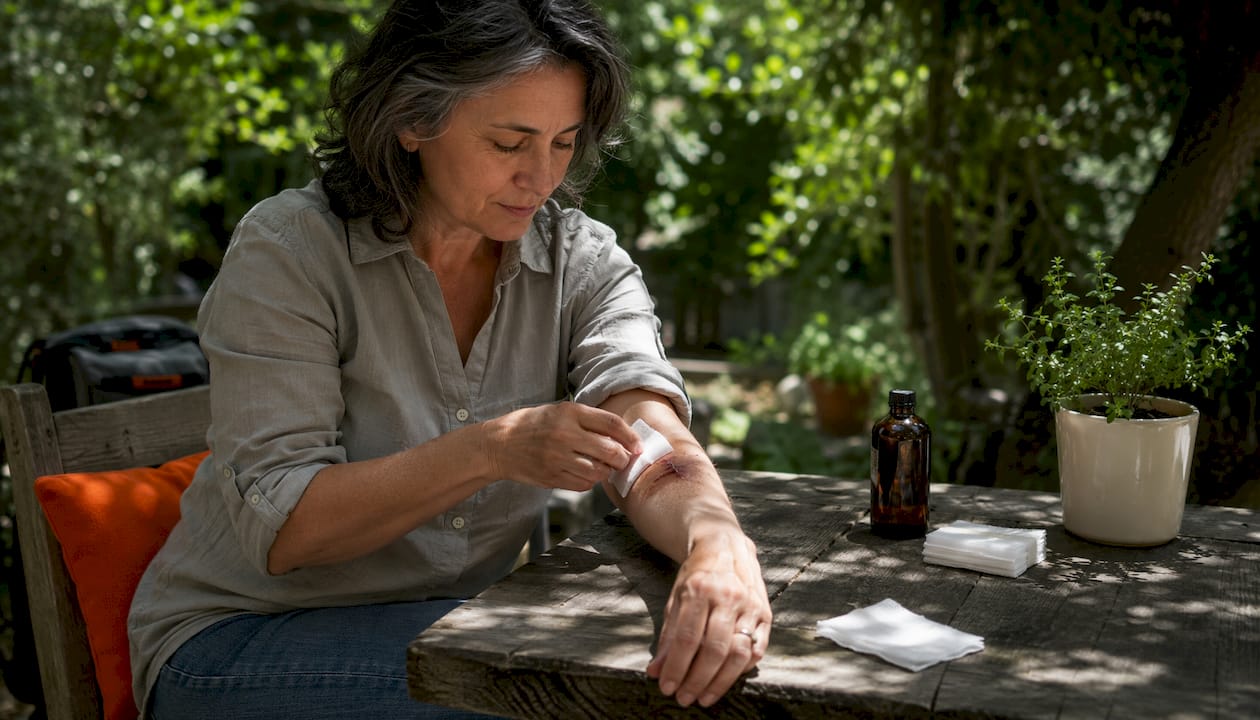
The most effective wound recovery practices combine a clean, moist wound environment, gentle cleansing with mild soap and water, and attention to systemic factors like nutrition, sleep, and blood-glucose control. Avoid hydrogen peroxide and rubbing alcohol for routine care — both are cytotoxic to repair cells and slow healing. For topical support, petrolatum or a plant-based, chemical-free ointment like Re-gen from Theregenstore keeps the wound bed moist and protected without harsh chemicals.
“Properly caring for your wound means keeping it clean and covered. This can help prevent infections and scarring.” — MedlinePlus Medical Encyclopedia
Table of Contents
Top wound recovery practices: your step-by-step home routine
What a normal healing timeline looks like — and when to get help
Why plant-based, chemical-free topicals fit modern wound care
Why I recommend leading with a natural, non-cytotoxic topical
Re-gen: a plant-based option for moist, chemical-free wound care
Top wound recovery practices: your step-by-step home routine
Follow these steps immediately after a cut, scrape, or minor surgical incision.
Stop the bleeding. Apply firm, direct pressure for 5 minutes. Do not peek early — lifting the cloth resets the clot.
Rinse gently. Run clean water over the wound for 1–2 minutes, then clean the surrounding skin with mild soap. Remove any visible debris carefully.
Apply a thin layer of ointment. Use petrolatum or a plant-based regenerative ointment. Moist wound care reduces scabbing and can decrease scarring compared with dry healing.
Cover with a non-adherent dressing. Choose a dressing that will not stick to the wound bed. Secure with medical tape or an adhesive bandage.
Change the dressing daily (or sooner if it gets wet or soiled). Inspect for red flags at every change.
Protect the wound during daily activities. Cover it when bathing; keep it dry and shielded from friction during exercise.
Supplies checklist:
Mild soap and clean running water
Sterile saline (for irrigation if needed)
Petrolatum or plant-based ointment
Non-adherent gauze pads
Adhesive bandages and medical tape
Clean scissors and disposable gloves
Pro Tip: Minimize uncovered time during dressing changes. Exposing a wound to open air drops its temperature and can stall cellular repair for hours. Have everything ready before you remove the old dressing.
Systemic factors that speed or slow tissue repair
What you eat, how you sleep, and whether you smoke all affect how fast your body closes a wound.
Nutrition. Protein is the raw material for new tissue. During active healing, aim for an adequate amount of protein daily to support tissue repair. Vitamin C drives collagen synthesis; zinc and copper support immune function and cell growth. Good food sources include eggs, chicken, legumes, citrus, and nuts. If your diet is restricted, ask a clinician whether a short-course supplement is appropriate.
Sleep and stress. Aim for sufficient nightly sleep duration. Chronic sleep loss suppresses immune function and slows the inflammatory phase of repair. Stress hormones like cortisol have a similar effect.
Circulation and smoking. Gentle movement improves blood flow to healing tissue. Smoking constricts blood vessels and reduces oxygen delivery — a direct brake on repair.
Blood glucose. Wound healing can stall when blood glucose is poorly controlled. If you have diabetes, glycemic control is not optional — it is foundational to preventing a minor wound from becoming a chronic one.
Factor | Target / Threshold | Why It Matters |
Sleep | sufficient nightly duration | Supports immune function and tissue repair |
Blood glucose | controlled levels | Poor glucose control can stall healing |
Inflammatory stage | several days | Normal; redness and swelling should begin resolving |
Protein intake | adequate | Provides building blocks for new tissue |
What a normal healing timeline looks like — and when to get help
The inflammatory phase typically lasts several days: expect swelling, redness, and some clear fluid. Over the following weeks, new tissue fills the wound bed. Many clean surgical wounds show effective closure and remodeling within several weeks. Scarring can continue to fade gradually over a long period.
Seek care if you notice any of these red flags:
Spreading redness, red streaks, or warmth beyond the wound edge
Fever that persists or is elevated
Increasing pain rather than gradual improvement
Thick, green, or yellow pus
Black edges around the wound (a sign of dead tissue)
Bleeding that does not stop after prolonged direct pressure
A wound that reopens or stitches that come out too soon
The American College of Surgeons provides clear home-care criteria: contact your provider promptly for any of the above. For rapidly spreading infection, fever with confusion, or uncontrolled bleeding, go to an emergency room.
Which topicals help — and which ones you should skip
Avoid these for routine wound care:
Hydrogen peroxide — cytotoxic to fibroblasts and keratinocytes, delays repair
Rubbing alcohol — same problem; damages the cells doing the work
Iodine-based antiseptics at full strength — reserve for clinician-directed use on infected wounds
Reach for these instead:
Petrolatum (petroleum jelly) — well-supported by dermatologists for moist wound healing
Plant-based regenerative ointments with transparent ingredient lists
Sterile saline for irrigation
Hydrocolloid or hydrogel dressings for larger abrasions
Category | Examples | Best For |
Harsh antiseptics (avoid) | Hydrogen peroxide, rubbing alcohol | NOT for routine wound care |
Moisture-retentive options | Petrolatum, plant-based ointments | Minor cuts, scrapes, post-op incisions |
Moisture-retentive dressings | Hydrocolloid, hydrogel | Larger abrasions, blisters |
Saline irrigation | Sterile saline | Flushing debris from wound bed |
Pro Tip: Reserve topical antimicrobials containing silver or iodine for clinician-directed use on infected or high-risk wounds. For routine minor cuts, a clean, moist environment is all the wound needs.
How to adapt wound care for dogs and cats
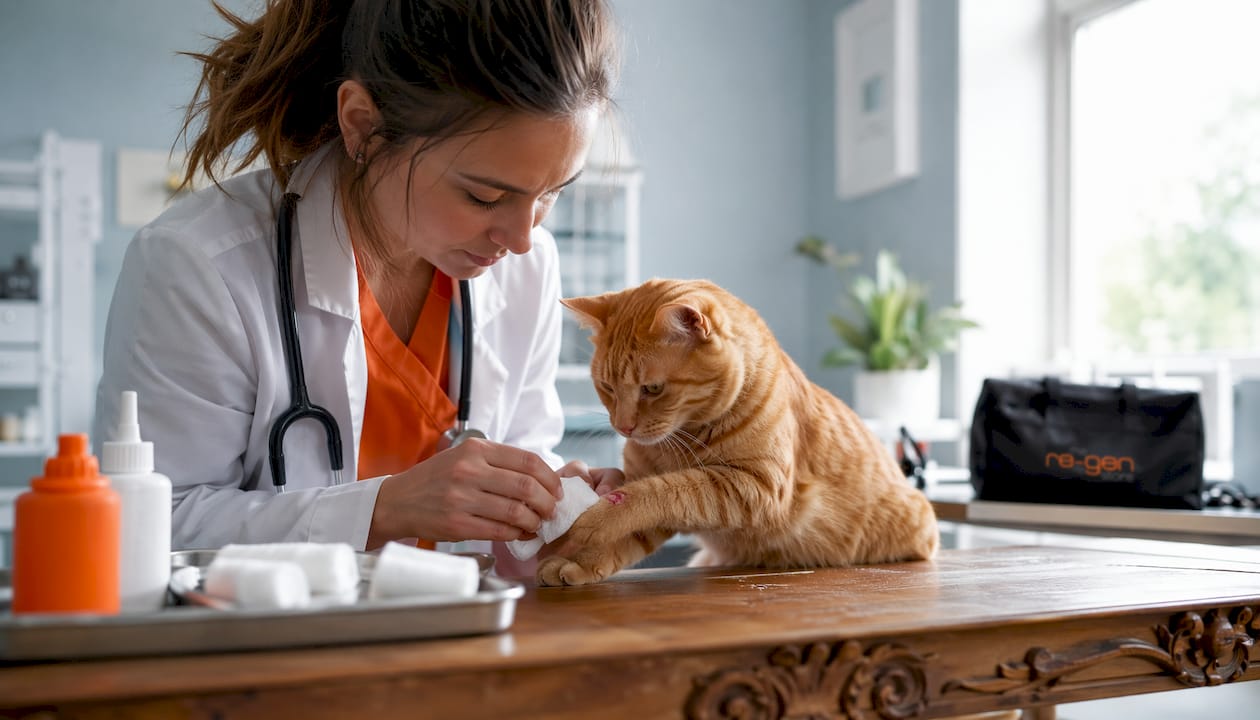
Pet wounds follow the same biological stages as human wounds, but a few key differences change your approach.
Immediate steps:
Clean gently with mild soap and water
Apply a pet-safe, chemical-free ointment if your veterinarian approves
Use an e-collar (cone) to prevent licking — saliva introduces bacteria and disrupts the wound bed
Common mistakes to avoid:
Letting pets lick or chew dressings
Applying human topical antibiotics without vet guidance
Ignoring systemic illness signs like lethargy or loss of appetite
Pet supplies to have on hand:
Mild, fragrance-free soap
Sterile saline or clean water
Pet-safe plant-based ointment (vet-approved)
Non-adherent gauze and self-adhesive bandage wrap
E-collar or recovery suit
Deep puncture wounds, animal bites, and wounds near or over a joint require prompt veterinary assessment — do not attempt to manage these at home. Infection in these locations can spread rapidly to underlying tissue.
For natural wound care guidance covering both people and pets, Theregenstore’s resource library is a practical starting point.
Your 72-hour wound care checklist
Minutes 0–5: Apply firm direct pressure to stop bleeding.
Within the first hour:
Rinse with clean water and mild soap
Apply a thin layer of ointment
Cover with a non-adherent dressing
Note the wound’s size, color, and any drainage
Every 8–24 hours (days 1–3):
Wash hands before touching the wound
Remove the old dressing carefully
Rinse gently with clean water or sterile saline
Reapply ointment and a fresh dressing
Inspect for red flags (spreading redness, odor, increasing pain)
Keep the wound protected during bathing and activity
Emergency triggers — call a clinician immediately if:
Redness or swelling is expanding beyond the wound edge
Fever develops
Pain is increasing rather than stabilizing
Drainage becomes thick, colored, or foul-smelling
Supplies to have ready before day one:
Mild soap, sterile saline, clean water
Petrolatum or plant-based ointment
Non-adherent gauze, adhesive bandages, medical tape
Disposable gloves, clean scissors
Why plant-based, chemical-free topicals fit modern wound care
Expert panel consensus from the Wound Healing Foundation supports moist wound environments, gentle cleansing, and limited use of cytotoxic antiseptics as the foundation of effective wound management. That framework leaves clear room for plant-based, non-cytotoxic topicals.
Theregenstore’s Re-gen is a proprietary plant-based ointment designed to support skin, soft tissue, bone, and muscle recovery. It is positioned as a chemical-free alternative to conventional antibiotic ointments for cuts, burns, sprains, and post-operative wounds, with specific guidance for both human and pet use.
Before using any topical product, check the full ingredient list. For pets, confirm with your veterinarian that the formulation is appropriate for the species and wound type.
“Wounds heal quicker in a moist and clean environment as this facilitates the migration of numerous growth factors and epithelial cells to the wound bed.” — StatPearls / NCBI Bookshelf
Key Takeaways
Effective wound recovery requires a clean, moist wound environment, systemic support through nutrition and sleep, and clear recognition of the red flags that signal a need for clinical care.
Point | Details |
Keep wounds moist | Petrolatum or a plant-based ointment prevents scabbing and supports faster epithelial repair. |
Avoid harsh antiseptics | Hydrogen peroxide and rubbing alcohol are cytotoxic and delay healing; use mild soap and water instead. |
Manage systemic factors | sufficient nightly sleep duration, adequate protein intake, and controlled blood glucose levels. |
Know the timeline | The inflammatory stage lasts 2–5 days; many clean surgical wounds remodel within 4–6 weeks. |
Theregenstore Re-gen | A plant-based, chemical-free topical option for cuts, burns, and post-op wounds in humans and pets. |
Why I recommend leading with a natural, non-cytotoxic topical
The conventional instinct to reach for hydrogen peroxide or a triple-antibiotic ointment is understandable — it feels thorough. The evidence, though, points the other way. Cytotoxic antiseptics disrupt the very cells driving repair, and routine topical antibiotics are not required for clean minor wounds. A moist, protected wound bed with a non-harmful topical consistently outperforms the “kill everything” approach for everyday cuts and scrapes.
What often gets overlooked is the systemic side. A person sleeping five hours a night with uncontrolled blood sugar will not heal well regardless of what goes on the wound. The topical choice matters, but it is one piece of a larger picture that includes protein intake, sleep, and circulation.
For high-risk wounds — deep punctures, bites, wounds with signs of spreading infection, or anything involving a joint — a clinician’s assessment is non-negotiable. The same applies to pets: veterinary guidance before starting any topical treatment on a complex wound is the right call. For straightforward cuts, scrapes, and post-op incisions, a transparent-ingredient, plant-based ointment like Re-gen fits cleanly into evidence-aligned care.
Re-gen: a plant-based option for moist, chemical-free wound care
If you have been looking for a topical that supports moist healing without synthetic chemicals or conventional antibiotics, Re-gen from Theregenstore is worth a close look. It is a petroleum-free, plant-based regenerative ointment formulated for skin, soft tissue, and post-operative recovery — with separate guidance for human and pet use.

Re-gen works as a direct alternative to conventional antibiotic ointments for minor cuts, scrapes, burns, and post-op incisions. The full ingredient list is published on the product page, so you can verify exactly what you are applying. For deep wounds, bites, or any wound showing infection signs, get clinician or veterinarian clearance before use.
Check the Re-gen product page for ingredient details, pack sizes, and usage instructions, or browse the plant-based wound treatment category for the full range of natural options.
This article is general information, not medical or veterinary advice. Confirm current guidance with a qualified clinician or veterinarian for your specific situation.
FAQ
What is the single most important wound care step?
Keeping the wound clean and moist is the most critical step. Apply a thin layer of petrolatum or a plant-based ointment and cover with a non-adherent dressing, changing it daily.
Should you use hydrogen peroxide to clean a wound?
No. Hydrogen peroxide is cytotoxic to the repair cells your body sends to the wound and slows healing. Use mild soap and clean running water instead.
How long does a typical wound take to heal?
The inflammatory stage lasts 2–5 days. Many clean surgical wounds remodel within 4–6 weeks, though scar fading can continue for up to two years.
Is Re-gen safe to use on pets?
Theregenstore provides specific usage guidance for pet wounds. For deep punctures, bites, or wounds near joints, consult your veterinarian before applying any topical product.
When should you see a doctor for a wound?
Seek care for spreading redness, persistent or elevated fever, increasing pain, thick or colored pus, black wound edges, or bleeding that does not stop after prolonged direct pressure.
Recommended
Comments