
The Role of Ointments in Injury Recovery Explained

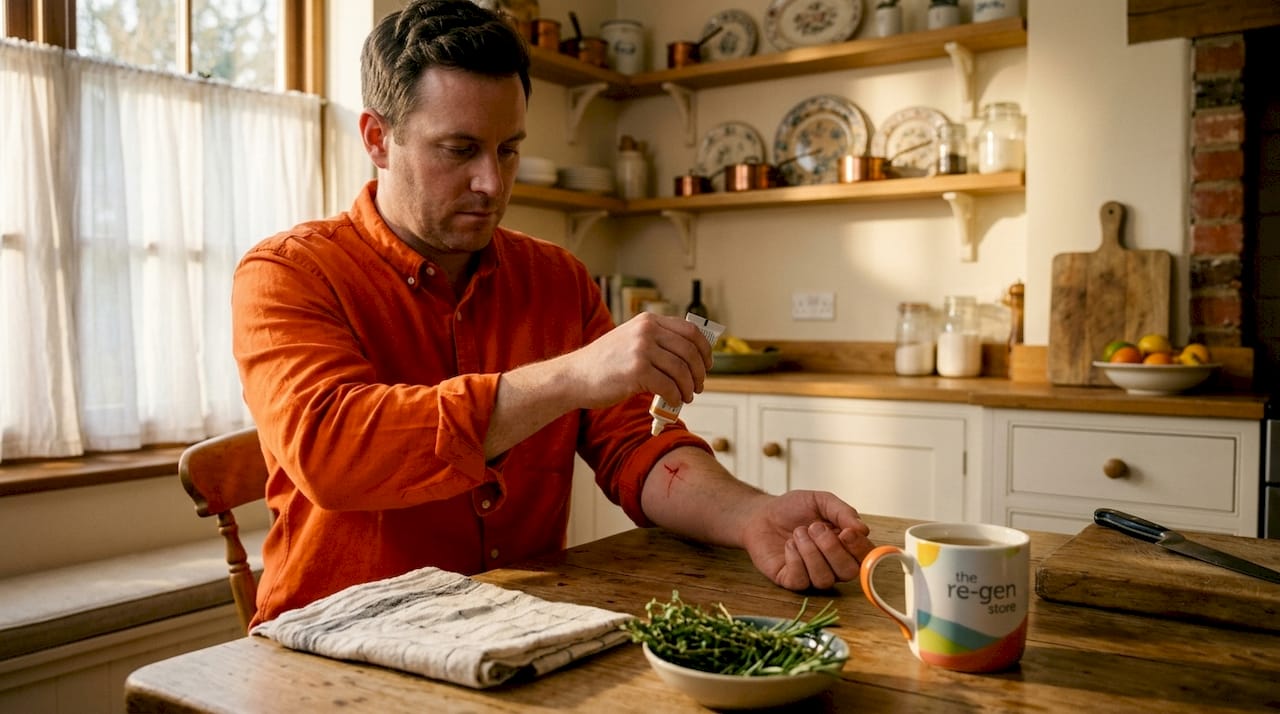
When you’re recovering from a cut, burn, sprain, or surgical wound, a well-chosen ointment can do a lot more than just cover the area. The role of ointments in injury recovery goes well beyond forming a basic barrier. They create the right environment for tissue repair, deliver healing compounds directly to the wound, and protect fragile new skin from infection and dehydration. Yet many people either reach for the wrong type or use the right one incorrectly. This article breaks down how ointments work, what types exist, and how to use them to actually support your healing.
Table of Contents
Key takeaways
Point | Details |
Ointments create healing conditions | They maintain moisture and protect wounds, which accelerates tissue repair and reduces scarring. |
Not all ointments work the same way | Petroleum-based, plant-based, and medicated types each serve different wound stages and needs. |
Corticosteroid ointments carry real risks | They can slow collagen production and weaken healing tissue, especially early in recovery. |
Adherence affects outcomes | Simpler regimens improve follow-through, which directly impacts how well and how fast you heal. |
Plant-based options are growing | Natural formulations support regeneration with fewer synthetic additives and no petroleum base. |
How ointments aid recovery
Ointments are not the same as creams, gels, or sprays. They are semi-solid preparations made primarily from fats, oils, or waxes, and they stay on the skin longer than water-based formulas. That staying power is one of their biggest advantages. According to foundational guidance on topical care, ointments deliver medication locally at the wound site while building a protective film over exposed tissue.
The most important thing an ointment does for a wound is preserve moisture. Dry wounds form scabs faster, but that does not mean they heal faster. Research confirms that moist wound environments accelerate cellular repair and reduce scar formation. Ointments create a semi-occlusive film that slows water loss from the wound surface without fully sealing it off from oxygen. That balance matters.
Here is what the healing properties of ointments actually accomplish at the wound level:
Soothing inflammation: Fatty bases calm irritated tissue and reduce surface discomfort.
Pathogen protection: The occlusive layer limits exposure to bacteria and environmental debris.
Drug delivery: Medicated ointments release active compounds directly into the tissue, bypassing systemic circulation.
Preventing cracking: Keeping the skin supple prevents microtears that reopen wounds during normal movement.
Pro Tip: Apply ointment to a clean, slightly damp wound surface. The residual moisture gets locked in by the ointment base, enhancing the hydration effect.
Ointment types for recovery
Choosing the right ointment starts with understanding what each type is actually designed to do. The main categories differ in their base, their active ingredients, and the stage of healing they support best.
Ointment type | Base | Best use case | Key risk |
Petroleum-based | Petrolatum | Post-surgical wounds, minor cuts | No active healing compounds |
Corticosteroid | Petrolatum or lanolin | Inflammatory skin conditions | Impairs collagen synthesis early on |
Antibiotic | Water-soluble base | Infected or high-risk wounds | Potential antibiotic resistance |
Plant-based | Natural oils/waxes | Cuts, burns, sprains, skin recovery | Varies by formulation |
Petroleum-based ointments are the most widely used and the most misunderstood. They do not actively promote tissue repair. Their job is to create a barrier, and they do that well. Plant-based alternatives are gaining traction as options that go a step further. They combine barrier protection with botanically active compounds that may support cellular regeneration directly.
Corticosteroid ointments are a different matter. They are prescribed to control inflammation, which sounds helpful for injuries. But the clinical picture is more complicated. Corticosteroids suppress fibroblast activity, collagen synthesis, and the formation of new blood vessels. These are exactly the processes that rebuild damaged tissue. Using them at the wrong phase of recovery can delay healing rather than speed it up.
Non-pharmacologic options (zinc oxide, vitamin E, lanolin) work best for soothing, not actively treating.
Antibiotic ointments reduce infection risk but should be used with guidance to avoid resistance.
Plant-based ointments are emerging as the most versatile category, supporting both protection and regenerative support without synthetic additives.
Pro Tip: If your wound is actively inflamed and swollen in the first 48 hours, avoid corticosteroid ointments unless specifically prescribed for that phase. Let your body’s natural inflammatory response do its job first.
Clinical evidence on ointment effectiveness
The evidence base for ointments is richer than most people realize. One study found that hydrocolloid dressings produced comparable scar outcomes to daily petroleum ointment use following dermatologic surgery. At 30 and 90 days post-surgery, there was no significant difference in scar appearance between the two approaches. The practical takeaway here is not that ointments are ineffective. It’s that the healing environment matters more than the specific delivery method.

That same study found that patient convenience ratings differed sharply. About 86.9% of patients found dressings convenient or extremely convenient, compared to 46.8% for petroleum ointments requiring daily reapplication. This matters because adherence to the regimen directly affects outcomes. An ointment you find inconvenient to apply daily is one you will eventually skip.
Wound type | Best ointment approach | What to avoid |
Post-surgical incision | Petroleum or plant-based barrier | Corticosteroids in first 2 weeks |
Superficial burn | Moisture-retentive, soothing formula | Alcohol-based products |
Infected cut | Antibiotic ointment with medical guidance | Petroleum only (no antimicrobial) |
Sprain or bruise | Topical anti-inflammatory or plant-based | Occlusive-only over broken skin |
Chronic wound | Clinician-selected, stage-appropriate formula | Self-managing with OTC ointments alone |
The strongest clinical message is this: stronger is not always better. Corticosteroid ointments can impair early wound healing by blunting the very processes that rebuild tissue. Yet they remain overprescribed for general wound care. The decision should always be matched to the wound type, the healing stage, and what your body actually needs at that moment.
Practical tips for using ointments in rehabilitation
Using ointments in rehabilitation requires more than just opening the tube and applying generously. Technique, timing, and product selection all influence whether you get the benefit you’re looking for.
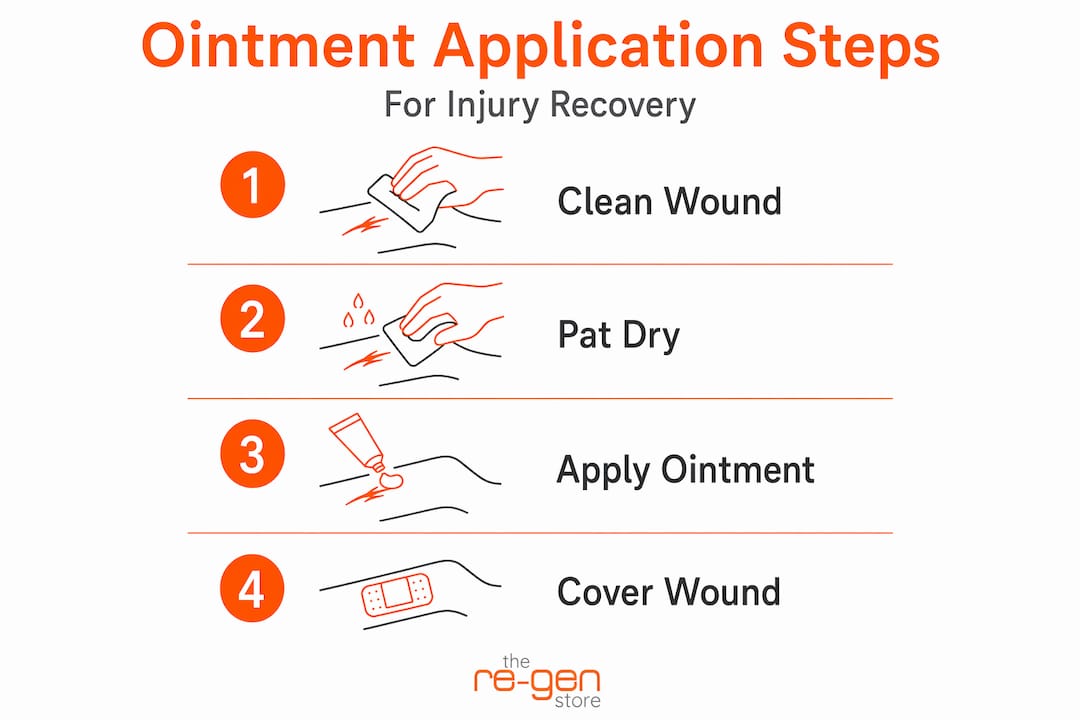
Clean the wound first. Use gentle saline or clean water. Avoid hydrogen peroxide or harsh antiseptics, which can damage new tissue.
Apply a thin, even layer. More ointment does not mean faster healing. A thin coat covers the wound surface and maintains moisture without suffocating the tissue.
Match the ointment to the wound stage. Early wounds need protection and moisture. Later-stage wounds benefit more from regenerative or soothing support as the skin rebuilds.
Cover appropriately. A non-stick dressing over the ointment protects it from rubbing off and reduces contamination.
Watch for warning signs. Increasing redness, warmth, swelling, or discharge after day three suggests infection and requires medical evaluation, not more ointment.
Stick to the regimen. Whether you’re applying ointment daily or using a longer-lasting dressing, consistency with your regimen determines how steadily your wound progresses through the healing stages.
Pro Tip: If you’re recovering from surgery, ask your surgeon specifically which phase of healing you’re in before switching or adding any topical ointment to your routine. Post-surgical wounds have their own timeline.
My perspective on ointments and patient empowerment
I’ve seen a consistent pattern in how people approach ointments during recovery: they either overestimate them or dismiss them entirely. The person who applies a thick layer of antibiotic ointment to every minor scratch and the person who refuses any topical treatment because they prefer “letting it breathe” are both missing the point.
What I’ve learned is that the ointment benefits for injuries are real, but they are context-dependent. A plant-based ointment that supports natural wound healing may do more for a healing burn than a petroleum-only barrier. A corticosteroid that controls inflammation on a chronic skin condition becomes a liability on a fresh surgical incision. The mechanism is the same. The timing makes all the difference.
The other mistake I see consistently: people do not tell their care team what they are applying. Ointments interact with dressings, with other topicals, and sometimes with the wound bed itself. Your clinician cannot guide you effectively if they do not know what you’re using. Transparency about your full wound care routine, including any natural or plant-based products, changes the quality of the guidance you receive.
— Kyle
Support your recovery with plant-based ointment care
If you’re evaluating your options for wound care and want something beyond standard petroleum-based products, Theregenstore offers a path worth exploring.
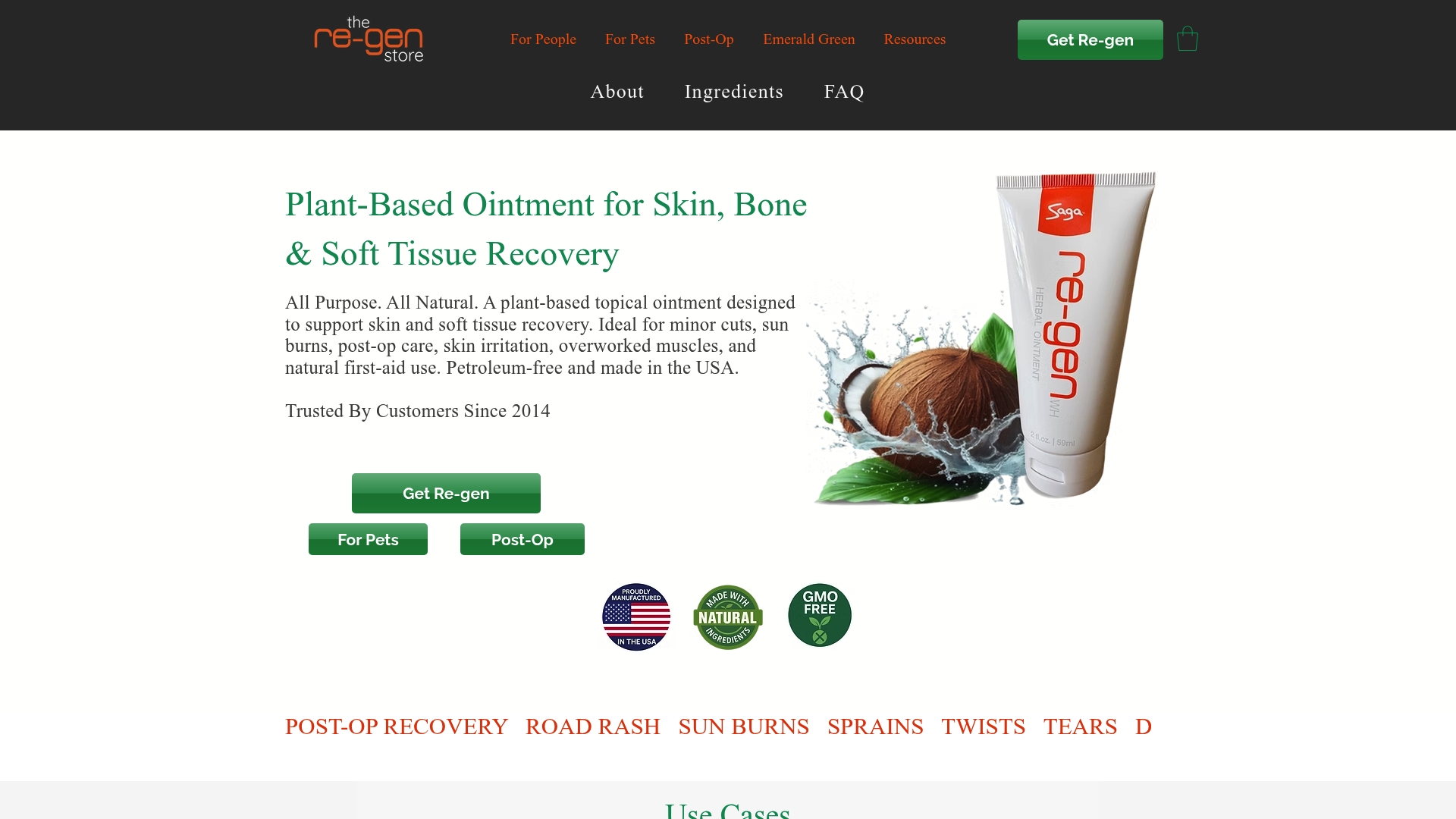
Re-gen is a plant-based regenerative ointment formulated without petroleum, synthetic chemicals, or conventional antibiotics. It’s designed to support skin, soft tissue, and muscle recovery across a range of injury types, from cuts and burns to post-surgical wounds. For those seeking natural alternatives, Theregenstore also provides guidance on petroleum-free wound treatment and how plant-based formulations compare to conventional options. Visit theregenstore.com to explore the full range of products and resources built around natural tissue regeneration.
FAQ
What does an ointment actually do for a wound?
Ointments create a semi-occlusive barrier that retains moisture, protects the wound from pathogens, and can deliver active ingredients directly to the tissue. Maintaining a moist environment has been shown to accelerate wound repair and reduce scar formation.
Are corticosteroid ointments safe for injury recovery?
Corticosteroid ointments can suppress fibroblast activity and collagen synthesis early in healing, which may slow recovery. They should only be used under clinical guidance and matched carefully to the wound type and healing stage.
How do plant-based ointments differ from petroleum-based ones?
Petroleum-based ointments create a protective barrier but contain no active healing compounds. Plant-based formulations combine barrier protection with botanically derived ingredients that may actively support tissue regeneration, making them a more functional option for many injuries.
How often should I apply ointment to a healing wound?
Most wounds benefit from once-daily reapplication after gentle cleansing, though this varies by ointment type and wound stage. Clinical evidence shows that adherence to a consistent regimen matters as much as the product itself for achieving good healing outcomes.
When should I stop using ointment on a wound?
You can typically taper off once the wound surface has fully closed and new skin is forming without breaks. Persistent redness, discharge, or pain beyond the first week is a sign to consult a healthcare provider rather than continue self-treating.
Recommended
Comments