
Soft Tissue Recovery Tips: Your 2026 Step-by-Step Guide

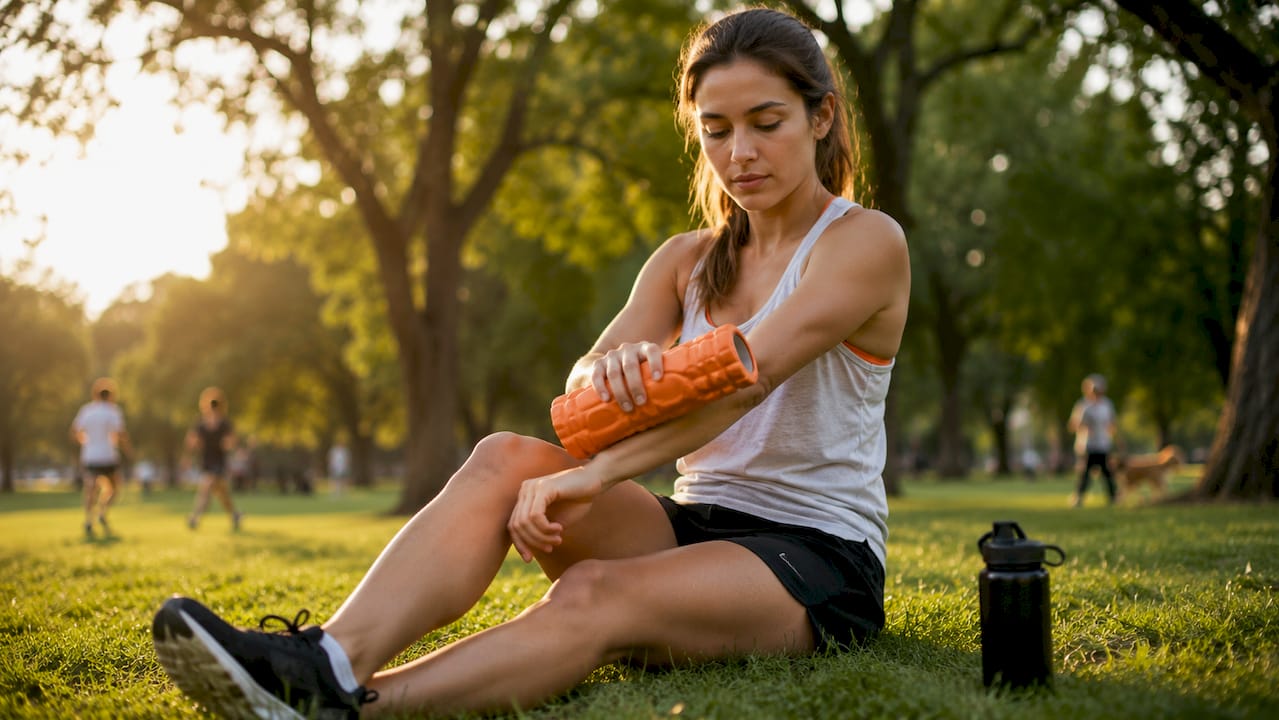
Soft tissue recovery is defined as the process of restoring function to injured muscles, tendons, ligaments, and fascia through structured, phase-appropriate care. The best soft tissue recovery tips combine immediate protection with progressive, symptom-led rehabilitation. Healing occurs in three phases: acute (0–7 days), repair (days to 6 weeks), and remodeling (6 weeks to months). Mild strains resolve in weeks, while severe tears require months of guided rehab. Modern protocols like PEACE & LOVE now replace the old RICE method, and nutrition, hydration, and mental outlook all shape how well your body rebuilds.
1. What are the best immediate soft tissue recovery tips?
The first 48–72 hours after injury set the tone for everything that follows. Your goal is to protect the tissue, manage pain, and let the body’s natural repair signals do their job.
Rest relatively, not completely. Keep nearby joints gently moving to prevent stiffness and muscle loss. Relative rest outperforms strict immobilization for most soft tissue injuries.
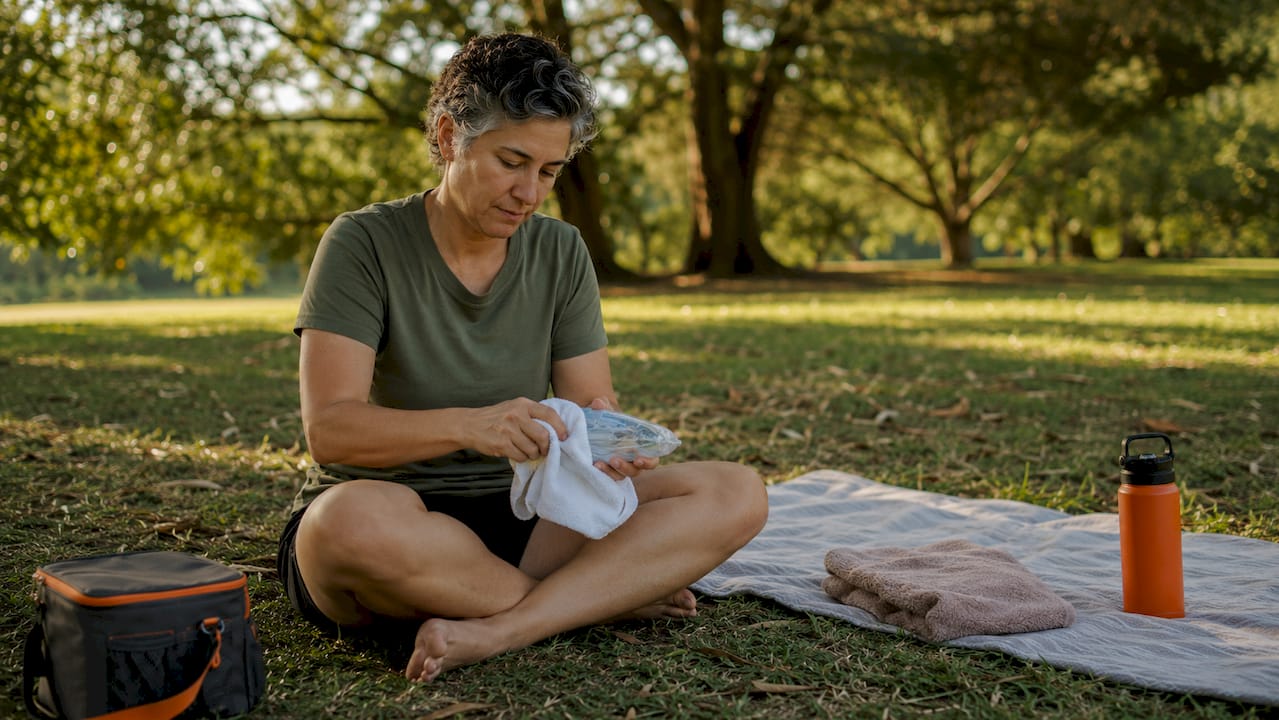
Apply ice correctly. Use ice for 15–20 minutes every 2–3 hours, always with a towel barrier between the ice pack and your skin to prevent burns.
Compress and elevate. A compression bandage reduces swelling. Elevating the injured limb above heart level drains excess fluid and eases discomfort.
Limit NSAIDs and ice in the first 48–72 hours. Excessive icing and anti-inflammatories can block the inflammatory signals your body needs to clear damaged tissue and start rebuilding.
Inflammation is not the enemy. It is the body’s first repair signal. Suppressing it too aggressively early on slows the entire healing cascade.
Pro Tip: Wrap your ice pack in a damp cloth rather than a dry one. The moisture conducts cold more evenly and reduces the risk of localized skin damage.
2. How and when should you reintroduce movement safely?
Transitioning from protection to active rehabilitation is the most critical decision in any step-by-step injury recovery plan. Move too soon and you risk re-injury. Wait too long and scar tissue forms without proper alignment, leaving the tissue weaker than before.
The PEACE & LOVE protocol provides a clear framework here. After the initial protection phase, you shift to:
Gentle mobility work. Start with pain-free range-of-motion exercises within the first week. Ankle circles after a sprain or shoulder pendulums after a rotator cuff strain are good starting points.
Progressive loading. Gradually increase resistance and weight as symptoms allow. Symptom-led rehabilitation prevents both under-loading (which produces weak scar tissue) and over-loading (which causes re-injury).
Strength training. Isometric exercises come first, then isotonic, then functional movements that mimic daily tasks or sport-specific demands.
Balance and proprioception work. Single-leg stands, wobble boards, and resistance band exercises retrain the nervous system, which is often disrupted after soft tissue injury.
Functional tasks. The final stage mirrors real-life demands: stair climbing, squatting, or sport-specific drills, depending on your goals.
Use pain, swelling, and stiffness as your daily feedback system. If symptoms increase after an activity, reduce the load the next day. If symptoms stay the same or improve, you can progress. This approach, known as symptom-led progression, matches activity to what the tissue can actually handle at each stage of repair.
Physiotherapy assessment is advised when pain persists beyond a few days or weight-bearing becomes difficult. A physiotherapist designs a graded plan specific to your injury, which reduces delays and lowers re-injury risk significantly. You can also explore natural support for sprains and soft tissue injuries to complement professional guidance.
3. What nutrition and lifestyle habits speed up healing?
What you eat during the repair phase directly affects how well your tissue rebuilds. Protein, zinc, and vitamin C are the three nutrients most critical for collagen synthesis and tissue regeneration. Without adequate protein, the body lacks the raw material to lay down new collagen fibers. Without vitamin C, those fibers cannot cross-link properly.
Protein: Aim for lean sources like chicken, fish, eggs, and legumes at every meal. Collagen peptide supplements taken with vitamin C show promise for connective tissue repair.
Vitamin C: Citrus fruits, bell peppers, and strawberries are high-density sources. Vitamin C activates the enzymes that stabilize collagen structure.
Zinc: Found in pumpkin seeds, beef, and lentils. Zinc supports immune function and cell division, both of which drive tissue repair.
Hydration: Tendons and ligaments are largely water. Dehydration reduces tissue elasticity and slows nutrient delivery to the injury site.
Avoid smoking and excess alcohol. Both impair circulation and reduce oxygen delivery to healing tissue, extending recovery timelines measurably.
Mental outlook also matters. Research on regenerative peptides for recovery highlights how the body’s internal signaling environment, shaped partly by stress and mindset, influences tissue repair rates. Staying calm and optimistic is not just motivational advice. It has a physiological basis.
Pro Tip: Add a collagen peptide powder to your morning coffee or smoothie. Pair it with a vitamin C source at the same time to maximize absorption and collagen synthesis during the repair phase.
4. What natural remedies and adjunct therapies complement recovery?
Natural and plant-based options work best as complements to structured rehabilitation, not replacements for it. The right adjunct therapies reduce discomfort, support skin and tissue integrity, and keep you consistent with your recovery plan.
Plant-based topical ointments. Products formulated with herbal ingredients support skin and soft tissue healing at the surface level. They work without petroleum-based carriers or synthetic antibiotics, making them a cleaner option for post-injury wound care and skin repair. Theregenstore’s Re-gen ointment is designed specifically for this purpose, supporting faster wound healing naturally.
Heat therapy in later phases. Heat is counterproductive in the first 48–72 hours because it increases blood flow and swelling. After the acute phase passes, gentle heat loosens stiff tissue and improves circulation to the repair zone.
Soft tissue massage. Gentle massage in the subacute and remodeling phases reduces adhesions, improves lymphatic drainage, and decreases pain perception. Always work with a trained therapist rather than applying deep pressure to acutely inflamed tissue.
Therapeutic modalities. Ultrasound therapy and low-level laser therapy are used by physiotherapists to stimulate cellular repair in deeper tissue layers. These are adjuncts, not primary treatments.
Avoid counterproductive products. Petroleum-based ointments create a barrier but do not actively support tissue regeneration. Products with synthetic fragrances or harsh preservatives can irritate compromised skin around an injury site.
Choosing natural products that support both skin integrity and deeper tissue repair gives you a cleaner recovery environment. Look for ingredient transparency and formulations free from petroleum derivatives. You can compare options by reviewing petroleum-free wound treatment approaches to understand what to look for.
Key Takeaways
Effective soft tissue recovery combines phase-appropriate immediate care, symptom-led progressive loading, targeted nutrition, and natural adjunct therapies to restore full function and prevent re-injury.
Point | Details |
Respect the healing phases | Acute, repair, and remodeling phases each require different activity levels and care strategies. |
Use ice and NSAIDs cautiously | Excessive use in the first 48–72 hours can block the inflammatory signals needed for repair. |
Progress movement symptom-led | Match activity intensity to pain and swelling feedback to avoid weak scar tissue or re-injury. |
Prioritize protein, vitamin C, and zinc | These three nutrients directly drive collagen synthesis and tissue regeneration during the repair phase. |
Choose natural topical support | Plant-based ointments without petroleum carriers support skin and tissue healing without chemical interference. |
Why I think “rest until it stops hurting” is the worst advice in recovery
The old instruction to rest completely until pain disappears has caused more long-term problems than it has solved. I have seen people follow that advice and return to activity months later with tissue that never properly remodeled. The scar that forms during passive waiting is disorganized and weak. It tears again at the first real demand.
Active, symptom-led rehabilitation produces better outcomes than passive waiting. The body needs mechanical load to lay down collagen in the right direction. Without it, you get a patch, not a repair. The PEACE & LOVE protocol exists precisely because the evidence stopped supporting full rest years ago.
The other thing most people underestimate is the mental side. Optimism and a sense of control over your recovery genuinely influence physiological outcomes. Stress hormones impair immune function and slow tissue repair. Staying engaged with your recovery, tracking progress, and working with a physiotherapist all contribute to a faster, more complete result. Patience matters, but passive patience is not the same as active, informed recovery.
— Kyle
Natural plant-based support for your recovery routine
Recovering from a soft tissue injury or surgery means your skin and underlying tissue need the right environment to rebuild. Petroleum-based products create a surface barrier but do not contribute to the repair process itself.
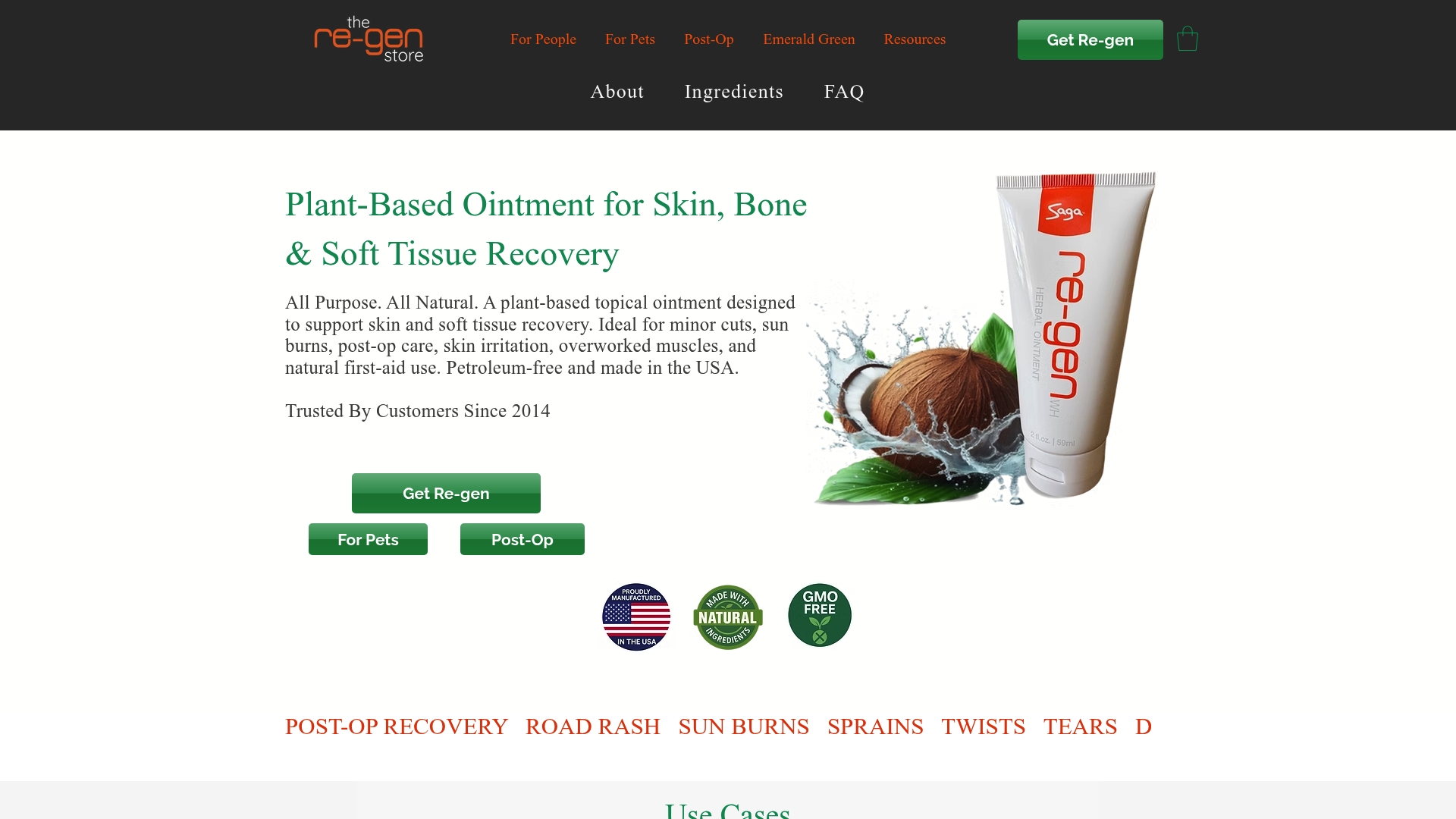
Theregenstore’s Re-gen ointment is a plant-based, petroleum-free formula designed to support skin and soft tissue healing at the surface level. It contains no synthetic antibiotics and works without the chemical load of conventional wound care products. You can apply it directly to post-injury skin, surgical wounds, or areas of compromised tissue as part of your daily recovery routine. See the full range of plant-based wound treatments at Theregenstore to find the right fit for your recovery stage.
FAQ
What are the three phases of soft tissue healing?
Soft tissue healing occurs in three phases: acute (0–7 days), repair (days to 6 weeks), and remodeling (6 weeks to months). Each phase requires a different approach to activity and care.
Should I use ice or heat on a soft tissue injury?
Use ice in the first 48–72 hours to manage swelling, applied for 15–20 minutes every 2–3 hours with a towel barrier. Switch to gentle heat after the acute phase to improve circulation and reduce stiffness.
When should I see a physiotherapist for a soft tissue injury?
Seek physiotherapy assessment if pain persists beyond a few days, weight-bearing is difficult, or swelling does not reduce. A physiotherapist designs a graded rehabilitation plan that reduces recovery time and re-injury risk.
Can nutrition really affect how fast soft tissue heals?
Yes. Protein, vitamin C, and zinc directly support collagen synthesis and tissue regeneration during the repair phase. Adequate hydration also maintains tissue elasticity and speeds nutrient delivery to the injury site.
Is it safe to use plant-based ointments on soft tissue injuries?
Plant-based topical ointments without petroleum carriers or synthetic antibiotics are a safe option for supporting skin and surface tissue healing. They work without the chemical load of conventional products and suit post-injury and post-surgical skin care.
Recommended
Comments