
8 First Aid Steps for Rug Burn Treatment, Plus a Plant Based Option

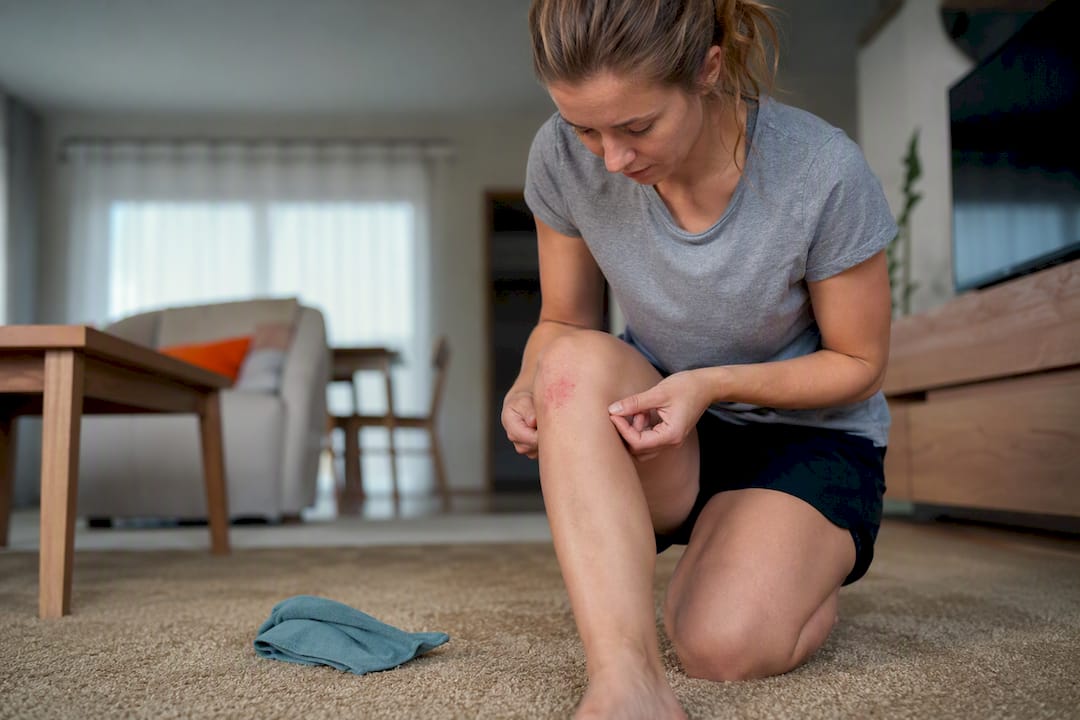
Rinse the area under cool running water for several minutes, clean it gently with mild soap, and pat it dry. Apply a thin layer of protective ointment and cover it with a non-stick dressing, then watch the wound over the next few days for fever, spreading redness, or pus. Seek medical care right away if the burn is larger than your palm, involves the face, hands, or genitals, or shows any of those infection signs.
TL;DR:
If the rug burn exceeds the size of your palm or involves the face, hands, or genitals, seek prompt medical care to prevent complications.
Use cool running water for several minutes to rinse away debris and soothe the burn, avoiding ice, hydrogen peroxide, or alcohol that can damage tissue.
Keep the wound moist with a petroleum-free or OTC antibiotic ointment under a non-stick dressing, changing it daily to speed healing and reduce scarring.
Pain can typically be managed with OTC NSAIDs or acetaminophen, but avoid topical numbing agents that may slow recovery or irritate the tissue.
Most superficial rug burns heal within a week with proper care, but signs of infection or deep tissue injury require immediate professional evaluation.
Table of Contents
What Counts as a Rug Burn, and How Bad Is Yours?
A rug burn is a type of abrasion caused by skin dragging fast against a rough surface, usually carpet, a treadmill belt, or clothing during a fall. The friction scrapes off the top skin layer while generating enough heat to cause a genuine burn injury at the same time, which is why it stings so much more than a plain scrape.
Most rug burns are superficial (first-degree), meaning the skin is red, sore, and scraped but intact. Partial-thickness burns go deeper, blistering, weeping, or turning white or splotchy, and they hurt more because deeper nerve endings are exposed. A third category, deep or full-thickness injury, looks leathery, waxy, or numb because the nerve endings themselves are damaged. That numbness is a red flag, not a good sign.
Size and location matter as much as depth. A simple rule: if the injured area is larger than your palm, treat it as serious. Burns on the face, hands, feet, or genitals need extra caution regardless of size, since skin is thinner and healing complications hit harder in those spots.
First Aid for Rug Burn Treatment: Step by Step
The first few minutes shape how the wound heals, so skip the home remedies and follow a sequence that actually helps.
Stop and assess. Wash your hands before touching the wound to avoid introducing bacteria.
Rinse with cool water. Run cool (not ice-cold) water over the area for several minutes to remove grit and calm the burning sensation. Cool running water and a sterile dressing are the standard first steps clinicians recommend for friction burns.
Pat dry gently. Use a clean cloth or gauze. Don’t rub.
Clear loose debris only. Lint, small bits of carpet fiber, or grit sitting on the surface can be rinsed or lifted away carefully. Do not dig for anything embedded under the skin. Attempting to remove embedded material at home can push contaminants deeper and raise infection risk, which is exactly the outcome you’re trying to avoid.
Skip the folk remedies. No butter, no hydrogen peroxide, no rubbing alcohol. Hydrogen peroxide and alcohol irritate healing tissue rather than protecting it, and neither belongs anywhere near an open wound.
Never put ice directly on broken skin. Ice can damage already-injured tissue; a cool, damp cloth does the same comfort job more safely.
Apply ointment and cover it. A thin layer of protective ointment under a non-stick dressing keeps the area protected while it closes.
Recheck daily. Change the dressing once a day (more often if it gets wet or dirty), and look for changes in color, drainage, or pain level each time.
Pro Tip: Keep a small kit with saline solution, non-stick gauze, and paper tape in your bathroom cabinet. Most rug burns happen fast and unexpectedly, and having supplies ready beats improvising with whatever is under the sink.
If you check our Road Rash Treatment guide, you’ll notice the same core sequence applies to skinned knees and pavement scrapes, since the injury mechanism is nearly identical.
Choosing an Ointment and Dressing That Actually Help Healing
The old advice to “let it air out” is backward. Keeping a minor wound slightly moist under a protective ointment speeds healing and reduces pain and scabbing compared with letting the surface dry into a hard scab that cracks and reopens every time you move.
Your ointment options generally fall into three camps:
Plain petroleum jelly locks in moisture cheaply and works fine for the mildest scrapes, though it offers no antimicrobial benefit.
OTC antibiotic ointments add infection protection but can trigger contact dermatitis in sensitive skin with repeated use.
Plant-based, petroleum-free ointments aim for the same moist-healing effect using botanical ingredients instead of petroleum derivatives, appealing to people who want to avoid synthetic bases altogether.
Apply a thin layer, not a thick glob, then cover with a non-stick dressing so the gauze doesn’t fuse to the wound as it heals. Change dressings daily and clean gently at each change.
If a blister forms, leave it intact whenever possible. Intact blisters protect the tissue underneath, and puncturing them raises infection risk; a clinician can drain a large, painful one under sterile conditions if it truly needs it. One more note: if the wound happened on a dirty surface or you’re unsure when you last had a tetanus booster, mention it to a doctor. Boosters are typically recommended every 10 years, sooner for deep or contaminated wounds.
Managing the Pain Without Making Things Worse
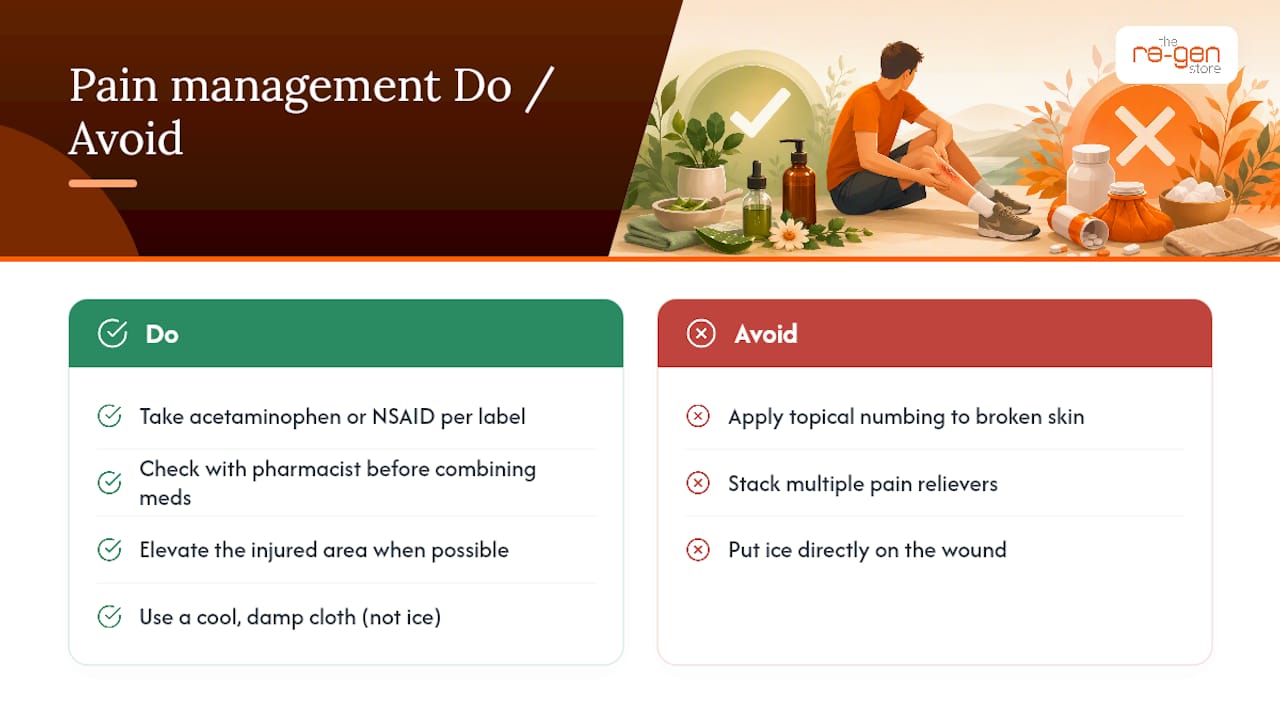
For most minor rug burns, acetaminophen or an NSAID like ibuprofen or naproxen taken per label directions handles the pain and swelling well enough that you won’t need anything stronger. Stick to the dosing on the package and don’t stack multiple pain relievers without checking with a pharmacist first.
Skip topical numbing creams or sprays on broken skin. Many contain ingredients that irritate open tissue or slow healing, so they’re better suited to unbroken skin around the area, not directly on the wound. For general comfort, elevate the injured area when you can, use a cool damp cloth rather than ice, and wear loose clothing so nothing rubs against the dressing. A partner resource on easing post-exercise soreness covers similar OTC pain-relief logic if the burn came from a workout mishap.
When a Rug Burn Needs More Than Home Care
Certain signs mean the wound has outgrown home treatment. Get medical attention right away for a burn area larger than your palm, any wound involving the face, hands, or genitals, visible deep tissue, or pain that isn’t controlled by OTC medication.
Watch for infection over the following days: fever, pus, spreading redness, warmth, or red streaks radiating from the wound all warrant a same-day visit. A clinic can irrigate the wound properly, debride damaged tissue, prescribe antibiotics if needed, and give a tetanus booster if yours has lapsed. Minor redness that stays put and fades over 48 to 72 hours is normal; redness that spreads or intensifies during that window is not.
How Long Healing Takes and How to Avoid Scarring
Superficial rug burns typically heal within 2 to 7 days with basic care. Partial-thickness injuries take longer, often 2 to 3 weeks, and deeper wounds can stretch into months under professional supervision.

Scarring risk drops when you keep the wound moist and covered, protect it from repeated friction while it closes, and keep it out of direct sun once it’s healed over, since new skin sunburns and discolors easily. Resist picking at scabs or peeling skin. If a scar stays thick, raised, or discolored past a couple of months, silicone sheets or a dermatology consult can help flatten and fade it.
Preventing Rug Burns Before They Happen
A little home prevention beats another round of dressing changes.
Swap high-traffic rugs for low-pile or cushioned versions and anchor them with non-slip pads so they don’t shift underfoot.
Give kids a softer play zone (a padded mat, grass, or foam tiles) for wrestling and rough games, and supervise activities where falls onto carpet or flooring are likely.
Choose footwear and clothing suited to the activity, since bare skin sliding across any rough surface is what causes the injury in the first place.
Repair or replace rugs with frayed edges or exposed backing, since worn fibers scrape harder than intact ones.
Where a Plant-Based Ointment Like Re-gen Fits In
For minor, superficial rug burns, a petroleum-free, plant-based ointment can support the same moist-healing environment clinicians recommend, which is the positioning behind Theregenstore’s Re-gen. It’s meant for intact-to-mildly-broken skin, not for deep, heavily contaminated, or large wounds, where a clinician’s irrigation and judgment matter more than any topical product. Our Herbal Burn Treatment Process guide walks through application in more detail.
A Practical Note on Treating Rug Burns at Home
Most rug burns don’t need a doctor. They need patience, a clean dressing routine, and the discipline to leave scabs and blisters alone while they do their job. The mistake I see repeated most often isn’t undertreating a wound, it’s overtreating one: scrubbing too hard, reaching for peroxide out of habit, or letting a burn “air out” because that’s what someone’s grandmother said fifty years ago. Trust the moist-healing approach over the folk wisdom.
If you want a deeper walkthrough before you’re standing in the bathroom with a stinging knee, bookmark the Burn Treatment Checklist and the Road Rash guide now, not later.
— Kyle
Try Re-gen for Minor Rug Burn Care
For a superficial rug burn, that is, red, scraped, unbroken-to-mildly-broken skin without deep tissue exposure, a petroleum-free ointment built around the same moist-healing principle your clinician would recommend, without synthetic bases or antibiotic residue buildup.

Using it is straightforward: clean the wound first, apply a thin layer of ointment rather than a thick coat, and cover it with a non-stick dressing you change daily. If the wound is deep, heavily contaminated, or on the face, hands, or genitals, a clinician’s judgment should come first, ointment second. For everyday scrapes and burns, though, Re-gen is built to be the natural alternative sitting in your first-aid kit instead of a petroleum-based tube. Head to the Re-gen product page to see sizing options, or read the petroleum-free wound treatment guide to decide if it fits your situation before you order.
This article is general information, not a substitute for advice from a qualified doctor. Consult a qualified healthcare professional about your own circumstances before acting on anything here.
Sources
FAQ
What ointment is good for rug burns?
A thin layer of petroleum jelly, an OTC antibiotic ointment, or a plant-based option like Re-gen all support the moist-healing environment that helps minor rug burns close with less pain and scarring.
Is Aquaphor good for rug burn?
Petroleum-based ointments like Aquaphor can keep a minor rug burn moist and protected, though they offer no antimicrobial action and some people prefer a plant-based alternative for that reason.
What is the best treatment for a carpet burn?
Rinse with cool running water, clean gently with mild soap, apply a thin protective ointment, and cover with a non-stick dressing, then watch for signs of infection over the following days.
Does Vaseline heal rug burns?
Vaseline itself doesn’t heal the wound, but it seals in moisture and reduces friction against the injury, which supports the body’s own healing process better than leaving the wound to dry out.
Recommended
Comments