
Post-Op Natural Care: Your Holistic Recovery Guide


Post-op natural care is an integrative recovery approach that combines nutritional support, targeted supplementation, and physical therapies to enhance healing after surgery. Clinically, this is often called integrative post-operative care, and it works alongside your surgeon’s protocols rather than replacing them. Integrative protocols include wound care, lymphatic support, and micronutrient therapy to reduce inflammation and support tissue remodeling. The goal is to give your body every biological advantage during the weeks when it needs the most support.
What is post-op natural care and what does it include?
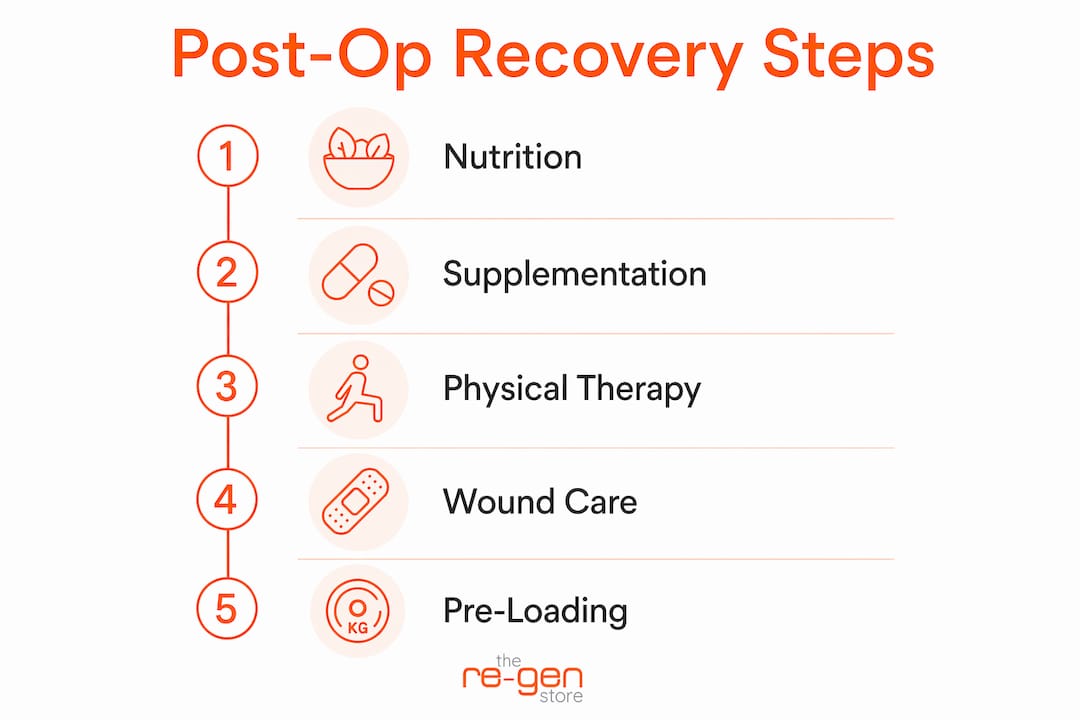
Post-op natural care addresses recovery across five core areas: nutrition, supplementation, physical therapy, wound hygiene, and emotional support. Each area targets a different part of the healing process. Together, they create conditions where your body can repair tissue faster and with fewer complications.
Nutritional optimization is the foundation. Surgery places massive systemic demands on your body, requiring increased protein and amino acids to rebuild tissue and combat fatigue. Prioritize lean protein, B vitamins, vitamin C, and antioxidant-rich foods like berries and leafy greens. Hydration supports every cellular repair process, so water intake matters as much as food quality.
Natural anti-inflammatory support includes compounds like Bromelain, a pineapple-derived enzyme that reduces post-surgical swelling and bruising. Turmeric, omega-3 fatty acids from food sources, and quercetin also support the body’s natural inflammation response without suppressing the healing cascade entirely.

Physical therapies in the early recovery phase focus on gentle movement and manual lymphatic drainage (MLD). These techniques reduce fluid buildup and support circulation without stressing healing tissue.
Wound care follows standard hygiene guidelines. Keeping the surgical site clean and dry, changing dressings on schedule, and using skin-compatible topical products protects your recovery from infection.
Emotional and nervous system support rounds out the approach. Breathing exercises, guided meditation, and calming practices shift your body from a stress state into a repair state. Nervous system support enhances tissue regeneration efficiency in ways that nutrition alone cannot achieve.
Protein and micronutrients for tissue rebuilding
Bromelain and herbal anti-inflammatories for swelling
Certified manual lymphatic drainage for fluid management
Proper wound hygiene and skin-safe topical care
Breathing and meditation for nervous system recovery
Pro Tip: Start your nutritional support before surgery if your doctor permits. Pre-loading protein and antioxidants gives your body a head start on the repair process.
How does natural post-op care reduce inflammation and support healing?
Surgery triggers a systemic shock response. Your body redirects energy to the wound site, increases inflammatory signaling, and begins breaking down and rebuilding tissue. This process is necessary, but it can become prolonged or excessive without proper support.
Bromelain is one of the most studied natural agents for this phase. Taken away from food to maximize enzyme activity, it reduces localized swelling and bruising by breaking down fibrin, the protein that forms clots and contributes to post-surgical puffiness. Herbal compounds like turmeric and boswellia work through similar pathways, modulating inflammatory cytokines without the gastrointestinal risks of long-term NSAID use.
Manual lymphatic drainage is the physical counterpart to these supplements. MLD started within 24–72 hours post-surgery produces the best results for swelling reduction. The technique uses light, rhythmic strokes to move lymph fluid away from the surgical site, clearing metabolic waste and reducing pressure on healing tissue. Only a certified practitioner should perform MLD in the early post-op window.
Natural agent | Primary function | Best use timing |
Bromelain | Reduces swelling and fibrin buildup | Between meals, post-op days 2–7 |
Turmeric (curcumin) | Modulates inflammatory cytokines | Daily with meals |
Manual lymphatic drainage | Clears lymph fluid and reduces edema | Within 24–72 hours post-surgery |
Omega-3 fatty acids | Supports cell membrane repair | Daily, from food or supplements |
Vitamin C | Collagen synthesis and antioxidant defense | Daily throughout recovery |
Pro Tip: Ask your surgeon specifically about Bromelain before starting it. Some procedures, particularly those with higher bleeding risk, require extra caution with enzyme supplements.
What are safe practices and precautions when using natural methods post-surgery?
Natural does not mean risk-free. Several common supplements interact with surgical recovery in ways that can cause serious complications if not managed carefully.
Pause blood-thinning supplements before surgery. Fish oil, ginkgo biloba, and high-dose vitamin E all act as natural blood thinners and require a washout period of 3–7 days before surgery. Resuming them post-op typically requires waiting 4–6 weeks and consulting your care team first.
Follow wound hygiene protocols exactly. Proper hand washing for 20 seconds before touching any wound or dressing is non-negotiable. Improper home remedies risk skin integrity and introduce infection pathways that can undo weeks of healing.
Avoid uncertified massage tools. Wood rollers, cavitation devices, and aggressive massage tools damage healing tissue and can trigger inflammatory setbacks. Only certified gentle MLD is appropriate in the early post-op period.
Introduce movement in phases. Gentle early mobility like toe wiggling and short walks prevents blood clots and constipation. This is not the same as exercise. Structured physical therapy comes later, once your surgeon clears you for that phase.
Integrate emotional support without replacing medical care. Breathing exercises and meditation support recovery but do not substitute for prescribed medications, follow-up appointments, or wound checks. Treat them as additions, not alternatives.
For a detailed overview of wound care protocols, the post-operative wound care guide from Theregenstore covers cleaning schedules and infection warning signs in practical terms.
How can you implement natural post-op care at home?
Practical home recovery starts with your daily routine. Small, consistent choices compound into meaningful healing outcomes over the weeks following surgery.
Eat protein at every meal. Chicken, eggs, legumes, and Greek yogurt supply the amino acids your body uses to rebuild tissue. Aim for a palm-sized portion at breakfast, lunch, and dinner.
Hydrate consistently. Water supports lymphatic flow, nutrient transport, and cellular repair. Herbal teas like ginger or chamomile add mild anti-inflammatory benefit without caffeine.
Move gently and early. Short walks starting on day one or two, as cleared by your surgeon, prevent clot formation and support digestion. For more on natural healing after surgery, Theregenstore outlines a phased approach to movement and nutrition.
Choose skin-safe topical products. Plant-based wound treatments that are petroleum-free support skin recovery with fewer synthetic chemicals. These products complement the body’s own repair process rather than creating a barrier that traps moisture and bacteria.
Practice five minutes of deep breathing twice daily. Diaphragmatic breathing activates the parasympathetic nervous system, shifting your body toward a repair state. This is not a wellness trend. It is a measurable physiological shift that supports tissue regeneration.
Track your wound daily. Note changes in color, temperature, or discharge. Early detection of infection is the single most important thing you can do to protect your recovery.
For those interested in how natural compounds like Bromelain fit into a broader plan, the herbal post-surgical care guide from Theregenstore offers targeted guidance. Clinical wound care settings increasingly use evidence-based devices alongside natural protocols; microneedling technology from NEOConcepts represents one example of how advanced wound care tools complement natural recovery approaches.
Key Takeaways
Post-op natural care works best when it combines nutritional support, certified physical therapies, and safe wound hygiene within a medically supervised recovery plan.
Point | Details |
Nutrition drives repair | Prioritize protein, vitamin C, and antioxidants at every meal to supply tissue-rebuilding materials. |
Bromelain reduces swelling | Take this enzyme away from food post-surgery to reduce fibrin buildup and bruising effectively. |
MLD requires certification | Only trained practitioners should perform manual lymphatic drainage in the first 24–72 hours post-op. |
Supplement timing matters | Pause blood-thinning supplements 3–7 days before surgery and wait 4–6 weeks before resuming post-op. |
Emotional recovery is biological | Breathing exercises and meditation shift the nervous system into a repair state, supporting tissue regeneration. |
What I’ve learned about natural post-op care after years of watching recoveries go wrong
The most common mistake I see is treating natural post-op care as an afterthought. People focus entirely on the surgery itself, then scramble to figure out recovery once they are home and in pain. By that point, the optimal window for some interventions, particularly MLD and nutritional loading, has already narrowed.
The second mistake is trusting unverified sources online. Misinformation about aggressive massage techniques, unproven detox protocols, and supplement megadosing is widespread. Excessive or poorly performed lymphatic drainage causes inflammation and delays recovery. That is not a theoretical risk. It happens regularly to people who find a cheap massage service and assume “lymphatic drainage” is a standardized, safe procedure regardless of who performs it.
What actually works is less dramatic than most people expect. Consistent protein intake, proper hydration, certified MLD from a trained therapist, and a skin-safe topical product applied correctly will outperform any aggressive protocol. The body knows how to heal. Your job is to remove obstacles and supply raw materials.
The emotional component surprises most people. Calming practices genuinely change your biology. They are not optional extras for people who enjoy meditation. They are recovery tools that deserve the same respect as a supplement or a dressing change.
— Kyle
Natural wound care products to support your post-op recovery
Recovery does not stop at the wound site, but the wound site is where many recoveries stall. Choosing the right topical product matters more than most people realize.

Theregenstore’s Re-gen ointment is a petroleum-free, plant-based formula designed to support skin and soft tissue recovery after surgery. It works without synthetic chemicals, making it a practical option for people who want to care for surgical wounds naturally without the additives found in conventional antibiotic ointments. For those looking to speed up wound healing with a natural approach, Theregenstore offers guidance and products built around plant-based ingredients that complement the body’s repair process. If you are looking for a natural alternative to standard wound care products, Theregenstore is a practical place to start.
FAQ
What is post-op natural care?
Post-op natural care is an integrative approach that combines nutrition, supplements, physical therapies, and wound hygiene to support healing after surgery. It works alongside conventional medical care, not as a replacement for it.
Is Bromelain safe to use after surgery?
Bromelain is generally considered safe for reducing post-surgical swelling when taken away from food, but you should confirm timing and dosage with your surgeon, especially if your procedure carries bleeding risk.
When should manual lymphatic drainage start after surgery?
Certified MLD produces the best results when started within 24–72 hours post-surgery. Only a trained practitioner should perform it during this early window to avoid triggering inflammation.
Which supplements should I stop before surgery?
Fish oil, ginkgo biloba, and high-dose vitamin E act as blood thinners and require a washout period of 3–7 days before surgery. Consult your care team before resuming any supplement post-op.
Can natural topical products replace antibiotic ointments on surgical wounds?
Plant-based, petroleum-free ointments support skin recovery and minimize scarring with fewer synthetic ingredients, but always follow your surgeon’s wound care instructions before switching any prescribed product.
Recommended
Comments