
5 Steps to Use Neosporin Safely While Breastfeeding
- Sunny

- 2 days ago
- 7 min read

Short answer: topical Neosporin used on the body, away from the breast, is generally regarded as low risk for nursing infants because so little of the drug enters breastmilk. Direct application to the nipple or areola is a different question, since it puts the ointment right where your baby’s mouth goes. The LactMed database, Mayo Clinic, and PDR all point the same direction: fine elsewhere on the body, use caution and a different formulation near the breast.
TL;DR:
Applying Neosporin away from the breast carries minimal risk because systemic absorption is very low when used on intact or slightly broken skin.
Using topical Neosporin near the nipple poses a higher risk of ingestion by the infant during feeding, potentially affecting gut flora, especially in newborns.
For nipple application, it is safer to treat skin infections on areas away from the breast and wipe off any residue before feeding.
Opt for water-miscible creams or petroleum-free ointments near the nipple, and carefully track your baby’s stools and behavior for any signs of reaction.
Severe or infected wounds, or unresponsive nipple pain, require consultation with a healthcare professional rather than self-treatment.
Table of Contents
Is Neosporin Safe While Breastfeeding? What the Ingredients Tell Us
Neosporin combines three active ingredients: neomycin, polymyxin B, and bacitracin. Each works differently against bacteria, but they share one important trait for nursing mothers: they barely enter the bloodstream when applied to the skin.
According to LactMed, topical, ophthalmic, or otic use of neomycin produces very low drug levels in breastmilk, and systemic effects in the infant are unlikely when the product is used away from the breast. Mayo Clinic’s monograph takes a slightly more cautious tone, noting that formal studies in breastfeeding mothers are limited and recommending that you and your provider weigh the benefit of treating an infection against the uncertainty of any infant exposure.
That gap between “very low risk” and “not fully studied” matters. Here’s what the evidence actually supports:
Systemic absorption through intact or minimally broken skin is minimal for all three antibiotics.
No controlled studies have followed large groups of breastfeeding mothers using triple-antibiotic ointment.
Risk assessments lean on pharmacology and small case data, not large trials.
Pro Tip: When a source says “minimal risk,” read it as “unlikely to harm,” not “zero risk.” That distinction is exactly why site of application changes the calculus.
Why Nipple Application Is Different From Body Use
A cut on your shin and a cracked nipple are not the same treatment decision. The skin absorption risk stays low in both cases, but the nipple sits inches from your baby’s mouth, and that changes the exposure pathway entirely.
When you apply ointment to your nipple or areola, your baby can ingest leftover residue during feeding. Swallowing small amounts of neomycin or bacitracin is not the same as absorbing them through skin, and repeated ingestion can affect a newborn’s developing gut flora.
Watch for these signs in your baby after nipple-area antibiotic use:
Loose or watery diarrhea that lasts more than a day or two.
White patches inside the cheeks or on the tongue, which can signal oral thrush.
Unusual fussiness during or after feeds, which sometimes points to gut discomfort.
Newborns and very young infants carry more risk from ingested antibiotics than older babies, simply because their gut microbiome is still establishing itself. Clinicians also point out that nipple pain and damage often have causes other than a bacterial infection that Neosporin would even treat, including candida overgrowth or a shallow latch. That’s one reason the American Pregnancy Association recommends evaluation rather than reflexive self-treatment for persistent nipple problems.
How to Use a Topical Antibiotic Safely While Nursing
If you and your provider decide a topical antibiotic is the right call, the site and formulation you choose make a real difference in how much your baby is exposed.
Treat skin away from the breast whenever the infection allows it. A scraped knee or a cut finger carries none of the ingestion risk that nipple application does.
If treatment near the breast is unavoidable, choose a water-miscible cream or gel rather than a thick ointment. PDR’s drug summary specifically warns that ointments containing mineral paraffins raise the amount your infant can ingest through licking.
Apply the smallest amount that covers the area, right after a feeding session rather than before one.
Gently wipe the nipple clean before the next feed to reduce residue your baby might swallow.
Track your baby’s stools and behavior for the next 24 to 48 hours, noting anything unusual.
Pro Tip: Keep a simple log on your phone: date, amount used, time relative to feeding, and any infant symptoms. If you do need to call your pediatrician or a lactation consultant, that timeline saves everyone guesswork.
Avoid petroleum-based ointments on the nipple altogether. The mineral paraffins that make them feel soothing are exactly what turns a small residue into a larger ingested dose.
When to Stop Self-Treating and Call a Provider
Some nipple and breast problems need more than an over-the-counter ointment, no matter how carefully you apply it. Self-treatment can delay care for conditions that get worse quickly.
Contact your doctor, midwife, or a lactation consultant if you notice:
Fever, chills, or flu-like body aches, which can signal mastitis.
Redness that spreads beyond the original area rather than staying contained.
Visible pus, a foul odor, or a wound that isn’t closing after several days of care.
A fissure or crack that keeps reopening despite gentle handling and proper latch adjustments.
Any GI symptom in your baby, like persistent diarrhea, alongside your own nipple symptoms.
Deep, infected wounds usually need oral antibiotics, not a surface treatment, because a topical product cannot reach infection below the skin. Before your appointment, jot down when the pain or damage started, what you’ve already tried, and exactly what your baby’s symptoms look like. That single page of notes usually cuts a visit in half.
Alternatives to Neosporin for Nipple and Minor Wound Care
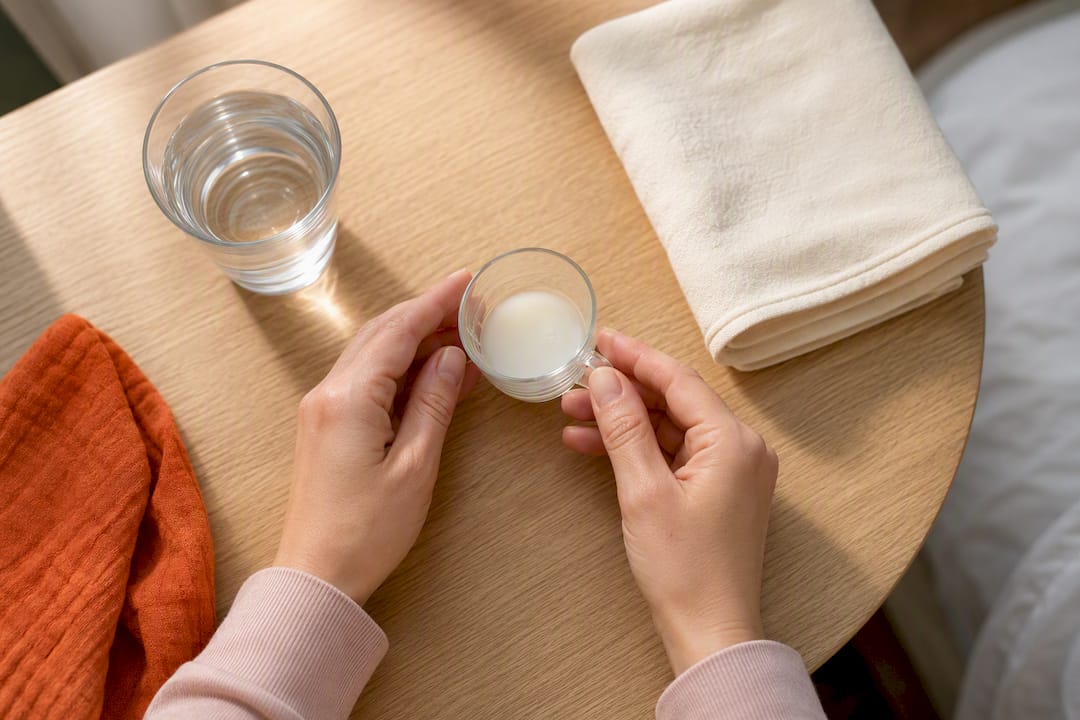
For everyday nipple soreness without signs of infection, most lactation guidance favors non-antibiotic options first. Expressed breastmilk rubbed onto sore nipples and left to air-dry is a reasonable first step many mothers already have on hand. Simple, water-miscible emollients come next, before reaching for any medicated ointment.
For minor cuts, scrapes, or dry, cracked skin elsewhere on the body, a petroleum-free option avoids the mineral paraffin problem entirely. That’s the gap Theregenstore’s Re-gen ointment is built for: a plant-based, chemical-free formula for skin recovery, without petroleum jelly as a base.
Reasonable first-line options include:
Expressed breastmilk on unbroken, mildly sore nipples.
Medical-grade, fragrance-free emollients for dryness or cracking.
A plant-based, petroleum-free ointment for minor scrapes elsewhere on the body.
Pro Tip: Always run any new product past your pediatrician or lactation consultant before using it near the breast, even a “natural” one. “Chemical-free” describes the formula, not automatic clearance for nipple use.
What I’d Tell a Nursing Mother Weighing This Decision
I lean conservative on anything applied near a nursing infant’s mouth, and the evidence here supports that instinct. “Minimal risk” from LactMed and Mayo Clinic is reassuring for a scraped elbow, but it’s not a green light for a cracked nipple that isn’t healing. If nipple pain persists past a few days of gentle self-care, get it looked at. It’s rarely just about the antibiotic. It’s about ruling out thrush, mastitis, or a latch problem that ointment alone won’t fix.
— Kyle
A Petroleum-Free Option Worth Knowing About
If you’d rather avoid antibiotic ointments for everyday scrapes and dry skin while you’re nursing, you have options beyond the medicine cabinet staples. There are plant-based ointments formulated without petroleum jelly, mineral oil, or synthetic fillers, so there’s no mineral paraffin residue to worry about on skin your baby might touch.
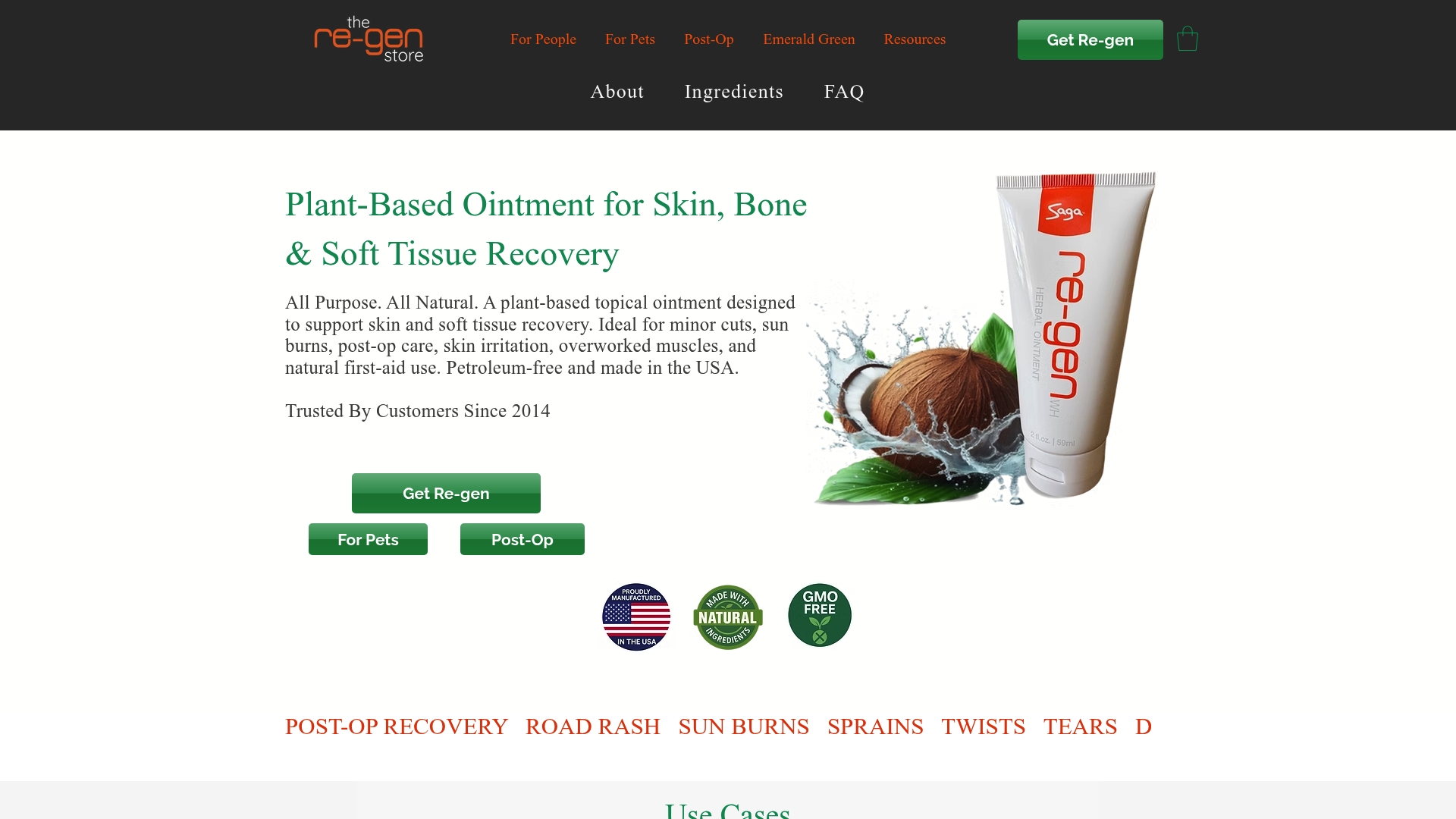
Re-gen is built for everyday skin recovery, not for infected or deep wounds that need a clinician’s attention. Good use cases include:
Minor skin irritation and dry, cracked patches on hands or feet.
Superficial cuts and scrapes away from the breast.
General dry or chafed skin during the demands of postpartum recovery.
For anything on or near the breast, or for a wound that looks infected, talk to your provider first. If you want a petroleum-free, plant-based alternative for the everyday bumps and scrapes that come with caring for a newborn, you can check the full Re-gen product details at Theregenstore and decide if it fits your routine.
This article is general information, not a substitute for advice from a qualified doctor. Consult a qualified healthcare professional about your own circumstances before acting on anything here.
Sources
FAQ
Why is Neosporin no longer recommended for some uses?
Growing awareness of allergic contact dermatitis from neomycin, plus concerns about antibiotic resistance from routine use on minor wounds, has led some clinicians to favor plain wound cleaning or petroleum-free alternatives instead of reflexive triple-antibiotic use.
What ointment is safe to use on breast wounds while breastfeeding?
Water-miscible creams or gels are preferred over thick ointments for nipple application, since PDR warns that mineral paraffins increase infant ingestion risk; expressed breastmilk or a petroleum-free option like Re-gen also work for minor irritation.
What can I use instead of Neosporin for my baby?
For a baby’s own minor cuts or scrapes, pediatricians often recommend simple soap and water cleaning followed by a plain, fragrance-free moisturizer, since a baby’s skin doesn’t need antibiotic ointment for superficial scrapes.
Is Neosporin okay to use while pregnant?
Topical use during pregnancy is generally considered low risk because systemic absorption through the skin is minimal, but you should still run any regular or extended antibiotic use past your OB or midwife.
Can I use Neosporin while breastfeeding if I have a cut on my hand?
Yes. Applying it to a cut on your hand or elsewhere on the body, away from the breast, carries minimal risk to your nursing infant because there’s no direct exposure pathway through feeding.
Recommended
Comments