
Natural Healing Workflow for Injuries: Your 2026 Guide

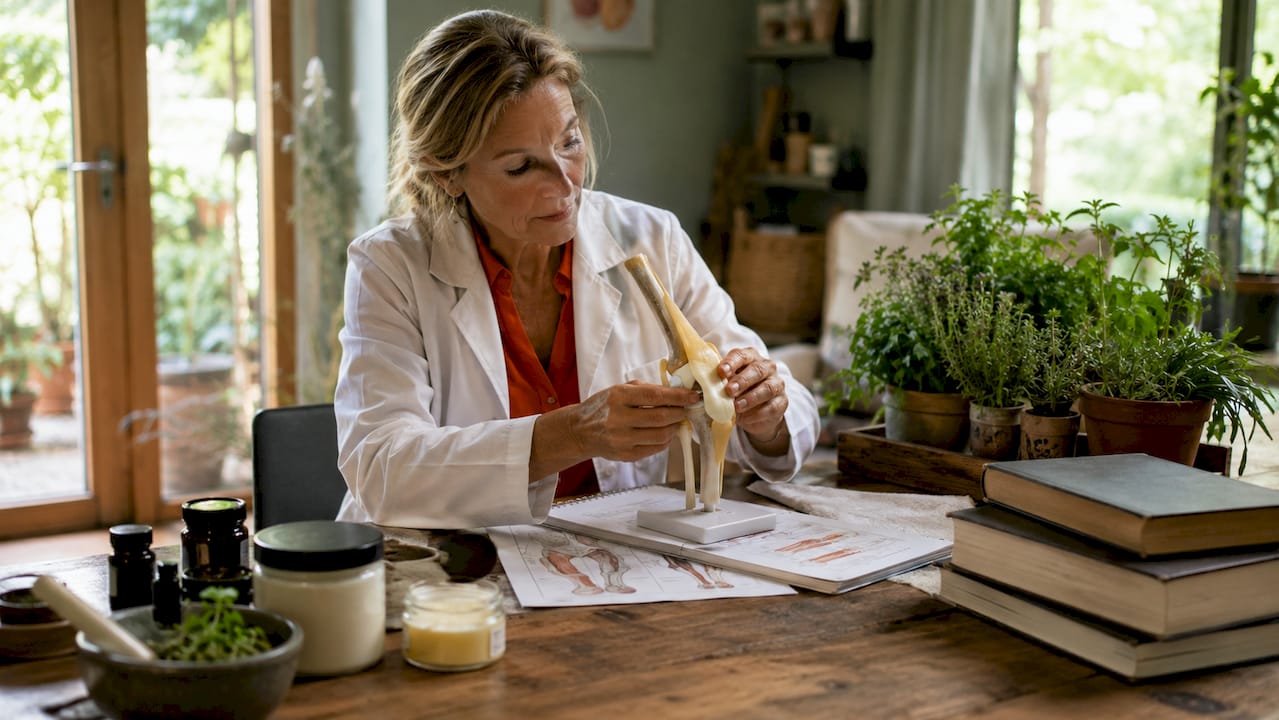
A natural healing workflow for injuries is a structured, phase-based process that uses your body’s own repair mechanisms, supported by movement, nutrition, and mindset, to restore tissue strength without relying on synthetic drugs or passive rest alone. This approach, often called integrative or holistic injury recovery in clinical settings, treats the whole person rather than just the damaged site. The four phases of recovery, the modern PEACE and LOVE protocol, and targeted nutritional support form the backbone of any effective natural injury treatment plan. Whether you are recovering from a sprain, a soft tissue tear, a post-surgical wound, or supporting a pet through injury, the same core principles apply.
What is the natural healing workflow for injuries?
The four phases of injury recovery follow a set timeline that guides both tissue repair and your return to full activity. Each phase has a distinct biological goal, and moving too fast between them is the most common reason people re-injure themselves.
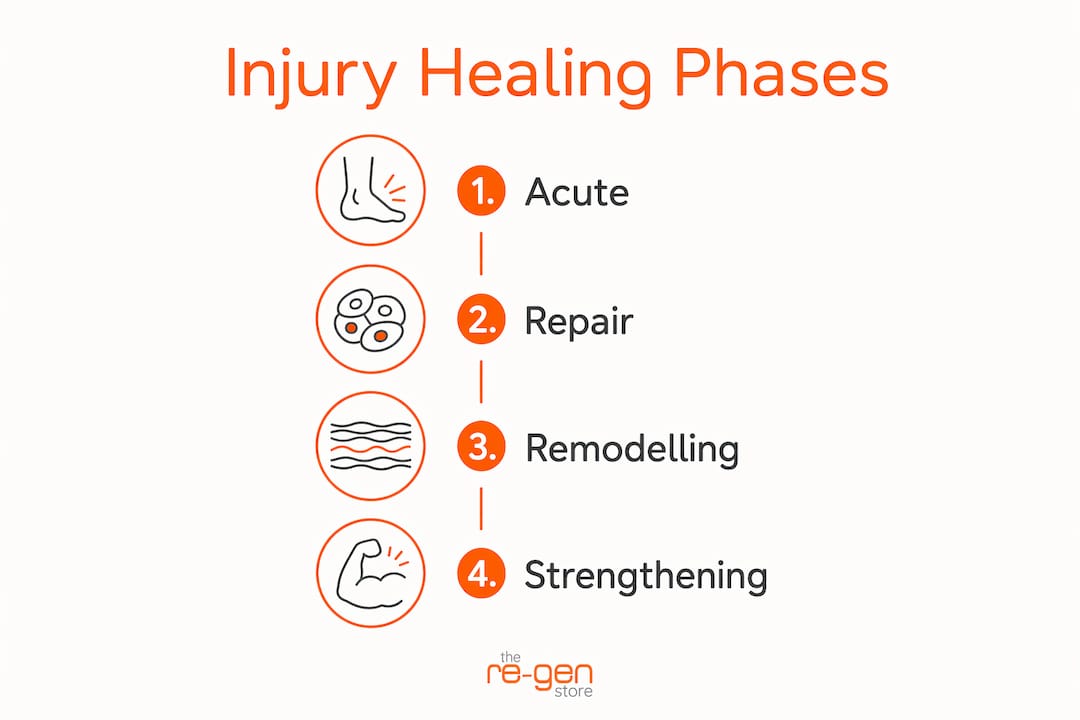
Phase | Timeline | Primary Goal |
Acute | 0–72 hours | Protect the injury, reduce swelling |
Repair | 3 days–6 weeks | Restore mobility, begin tissue formation |
Strengthening | 6 weeks–3 months | Rebuild strength, balance, and control |
Return to Activity | 3–6+ months | Resume full function safely |
During the acute phase, your body floods the injured area with blood and immune cells. Swelling and pain are normal signals, not problems to suppress entirely. The repair phase is when new collagen fibers form, and gentle movement becomes your best tool. The strengthening phase rebuilds tensile strength in tissue that may feel healed but is not yet durable. The return-to-activity phase tests that durability under real conditions.
Recognizing when you are ready to progress matters as much as knowing the phases themselves. Pain and swelling are your two most reliable indicators. If either increases with a new activity, you are moving too fast.
How does the PEACE and LOVE protocol improve on older methods?
The PEACE and LOVE protocol has replaced RICE as the standard for early injury management because it shifts the focus from passive rest to active, educated recovery.
PEACE covers the first 72 hours:
P rotection: Limit movement that causes pain, but avoid full immobilization.
E levation: Raise the injured limb above heart level to reduce swelling.
A voidance: Skip anti-inflammatory medications and ice in the early phase. Both interfere with the natural inflammatory response your body needs to begin repair.
C ompression: Use a bandage to manage swelling without cutting off circulation.
E ducation: Understand your injury. Passive treatments alone do not build resilience.
LOVE guides the days and weeks that follow:
L oad: Introduce gradual, pain-free mechanical stress to stimulate tissue remodeling.
O ptimism: Patient mindset significantly influences healing outcomes. Catastrophizing slows recovery.
V ascularization: Low-impact aerobic activity, such as walking or cycling, improves blood flow to healing tissue.
E xercise: Targeted rehab exercises restore strength and prevent compensatory movement patterns.
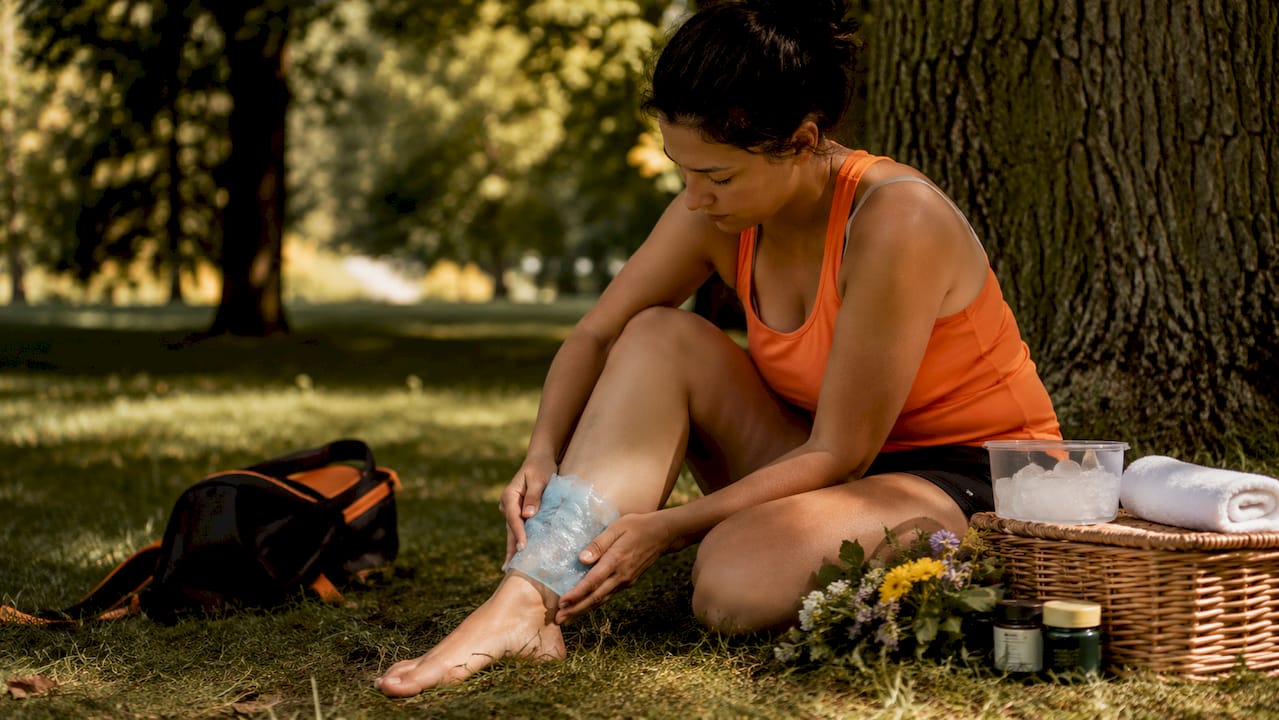
Cold therapy still has a role. Alternating cold and heat works well for pain and inflammation management, with cold controlling early swelling and heat supporting circulation in later phases.
Pro Tip: Avoid reaching for ibuprofen in the first 48 hours. The inflammation you feel is your body doing exactly what it should. Suppressing it chemically can delay tissue formation.
What nutritional and lifestyle factors support tissue repair?
Nutrition is the foundation of recovery, not an optional extra. Your body cannot build new tissue without the raw materials to do it.
The key nutritional priorities during recovery are:
Protein: Adequate protein intake supports soft tissue repair directly. Aim for protein at every meal, not just dinner.
Calories: Cutting calories during recovery increases muscle loss and slows healing. Your body needs energy to repair.
Vitamin C: Collagen synthesis depends on vitamin C. Citrus fruits, bell peppers, and kiwi are reliable sources.
Anti-inflammatory foods: Fatty fish, leafy greens, turmeric, and berries reduce chronic inflammation without blocking the acute healing response.
Hydration: Dehydrated tissue is less pliable and slower to remodel. Water intake directly affects connective tissue health.
Sleep is one of the strongest natural recovery tools available to you. Regular sleep schedules and a dark sleep environment optimize growth hormone release, immune function, and pain tolerance. Skimping on sleep is the equivalent of skipping physical therapy.
Stress management belongs in the same category. Chronic stress elevates cortisol, which suppresses immune function and increases inflammation. Guided imagery, meditation, and breathwork reduce stress and support both physical and emotional recovery phases. These are not soft additions. They are clinical tools.
Pro Tip: Time your largest protein meal within two hours of any rehab exercise session. Your muscles and connective tissue are most receptive to amino acids during this window.
How to safely integrate movement and rehab exercises
Movement is medicine, but the dose matters. Introducing activity too early or too aggressively is the leading cause of setbacks in soft tissue recovery.
Follow this progression:
Start with range of motion. Gentle, pain-free movement within the first few days prevents stiffness and maintains joint health without stressing healing tissue.
Add isometric exercises. Contracting the muscle without moving the joint builds early strength and reduces atrophy while protecting the repair site.
Introduce gradual loading. Progressive mechanical stress signals tissue remodeling and rebuilds tensile strength. Start with bodyweight, then add resistance slowly.
Include low-impact cardio. Walking, swimming, or cycling improves vascularization and supports the LOVE protocol without overloading the injury.
Progress to functional movement. Mimic the demands of your daily activities or sport before declaring yourself recovered.
Recovery beyond the point where you feel normal is not optional. True tissue remodeling continues for weeks after symptoms resolve, and skipping this phase is the primary reason re-injury rates remain high. Strength restoration, not pain relief, is the real finish line.
Monitor pain and swelling after every session. A mild ache during activity that resolves within an hour is acceptable. Pain that lingers into the next day signals you have done too much. When in doubt, consult a physical therapist before progressing. For soft tissue injury support, combining professional guidance with a structured home routine produces the best outcomes.
Key Takeaways
A structured natural healing workflow, combining phased recovery, the PEACE and LOVE protocol, targeted nutrition, and gradual movement, produces faster and more durable results than passive rest or single-modality approaches.
Point | Details |
Follow the four phases | Progress from acute protection through repair, strengthening, and return to activity in sequence. |
Use PEACE and LOVE | Replace RICE with this modern protocol to support active, educated recovery from day one. |
Prioritize protein and sleep | Both are non-negotiable for tissue repair; cutting either delays healing significantly. |
Load gradually | Progressive mechanical stress drives tissue remodeling and prevents re-injury after symptoms resolve. |
Manage stress actively | Cortisol suppresses healing; breathwork and mindset practices are clinical recovery tools, not extras. |
What I’ve learned from watching people recover the hard way
People consistently underestimate two things: how long real recovery takes, and how much their mindset shapes the outcome. I have seen people follow a perfect physical protocol and still plateau because they were catastrophizing every twinge. I have also seen people with serious soft tissue injuries recover faster than expected simply because they stayed calm, slept well, and kept moving within their limits.
The minimalist approach to recovery resonates with me deeply. Focusing on the 20% of interventions that produce 80% of results prevents recovery fatigue, which is real and underreported. When people are handed a 12-step daily protocol, adherence collapses by week two. A focused routine of sleep, protein, gradual loading, and stress management outperforms a complicated regimen almost every time.
The other thing I would push back on is the idea that natural healing is slow healing. Patients who combine multiple approaches, physical, nutritional, and psychological, consistently progress faster than those relying on a single method. Natural does not mean passive. It means working with your body’s systems instead of against them.
— Kyle
Theregenstore’s plant-based approach to injury recovery
Theregenstore was built for people who want their recovery tools to match their recovery philosophy. If you are following a natural healing workflow, it makes sense to use a topical product that supports tissue repair without petroleum, synthetic antibiotics, or harsh chemicals.
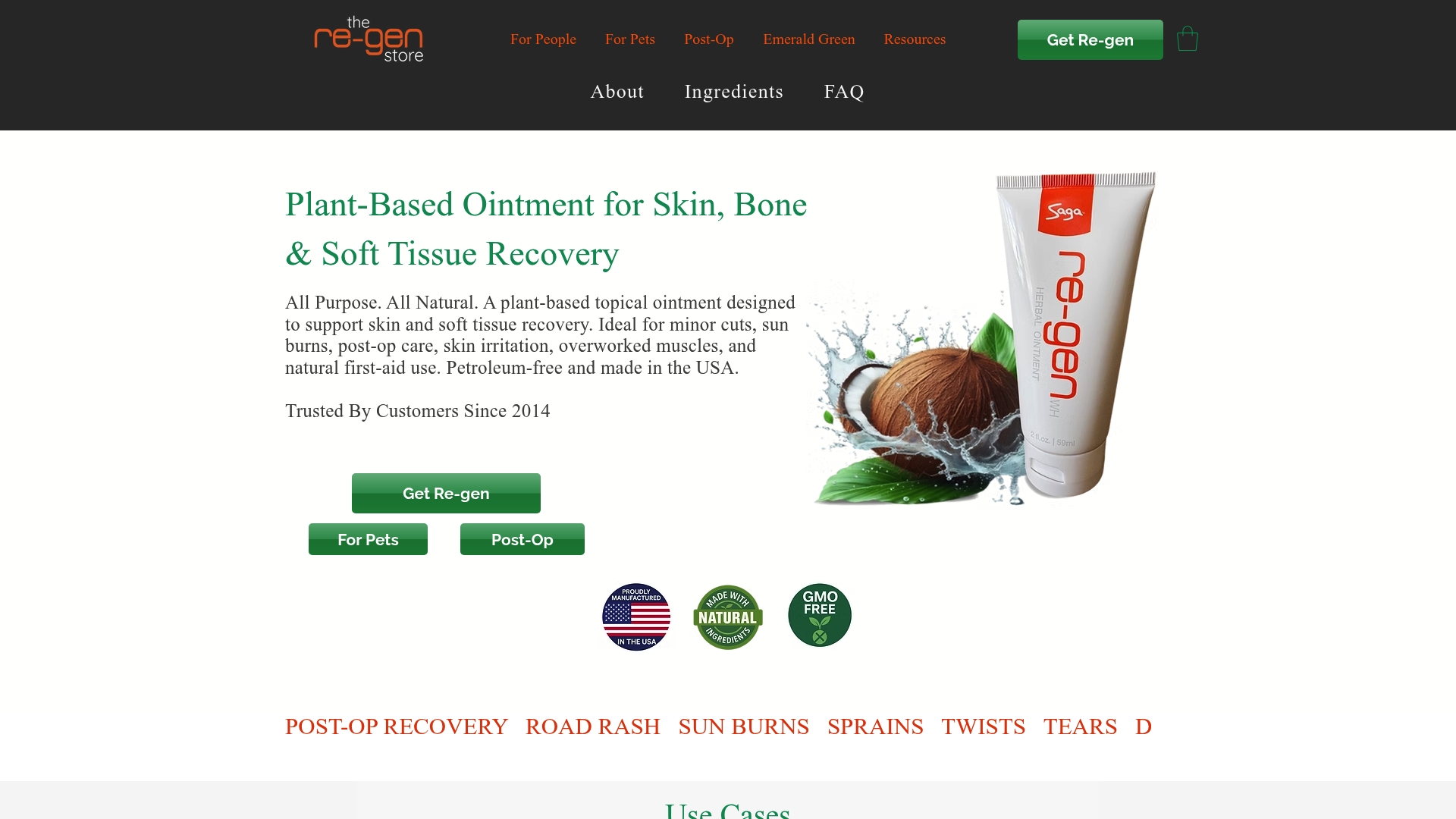
Re-gen is a plant-based regenerative ointment designed to support skin, soft tissue, and wound recovery at the surface level. It works alongside the phased recovery approach covered here, providing natural support for cuts, burns, sprains, and post-surgical wounds without interfering with your body’s repair process. For anyone looking for a petroleum-free wound treatment that aligns with a chemical-free lifestyle, Theregenstore offers a practical, well-formulated option. Visit theregenstore.com to review the full ingredient list and find the right product for your recovery stage.
FAQ
What is a natural healing workflow for injuries?
A natural healing workflow for injuries is a structured, phase-based recovery process that uses movement, nutrition, sleep, and stress management to support the body’s own tissue repair systems. It follows four phases: acute, repair, strengthening, and return to activity.
How long does natural injury recovery take?
Recovery timelines vary by injury severity, but the four-phase framework spans from 72 hours for acute care to six or more months for full return to activity. Tissue remodeling continues well after pain resolves.
Is the PEACE and LOVE protocol better than RICE?
Yes. The PEACE and LOVE protocol replaces RICE because it supports active recovery, discourages anti-inflammatory interference in the early phase, and addresses mindset as a clinical factor in healing outcomes.
What foods speed up soft tissue repair?
Protein, vitamin C, anti-inflammatory foods like fatty fish and leafy greens, and adequate total calories are the most evidence-supported nutritional supports for soft tissue repair. Hydration also directly affects connective tissue health.
Can natural topical products support injury recovery?
Plant-based topical ointments can support surface-level tissue repair for cuts, burns, and post-surgical wounds without synthetic chemicals. Theregenstore’s Re-gen ointment is formulated specifically for this purpose, using natural ingredients that work with the body’s repair process.
Recommended
Comments