
How to Heal Skin After Surgery: Recovery Guide


Surgery is hard on your body. Once the procedure is done, though, the real work begins on your skin. Learning how to heal skin after surgery the right way can mean the difference between a faint line and a raised, visible scar. Most patients worry about infection, poor healing, and how their skin will look long term. This guide covers exactly what your skin is doing after an operation, what to apply after surgery, and which natural and evidence-backed strategies actually reduce scarring and support recovery.
Table of Contents
Key takeaways
Point | Details |
Follow the four healing stages | Skin heals in four phases; each requires a different care approach to avoid complications. |
Keep moisture balanced | Dry initially, then use a gentle ointment once the wound closes to support tissue repair. |
Silicone is the top scar treatment | Daily silicone gel or sheet use for 3 to 4 months is the most supported method to reduce scars. |
Nutrition speeds recovery | Protein, vitamins A and C, and zinc directly fuel collagen production and tissue repair. |
Sun protection prevents dark scars | UV exposure on healing skin causes permanent discoloration; SPF 30 or higher is non-negotiable. |
How to heal skin after surgery: understanding the stages
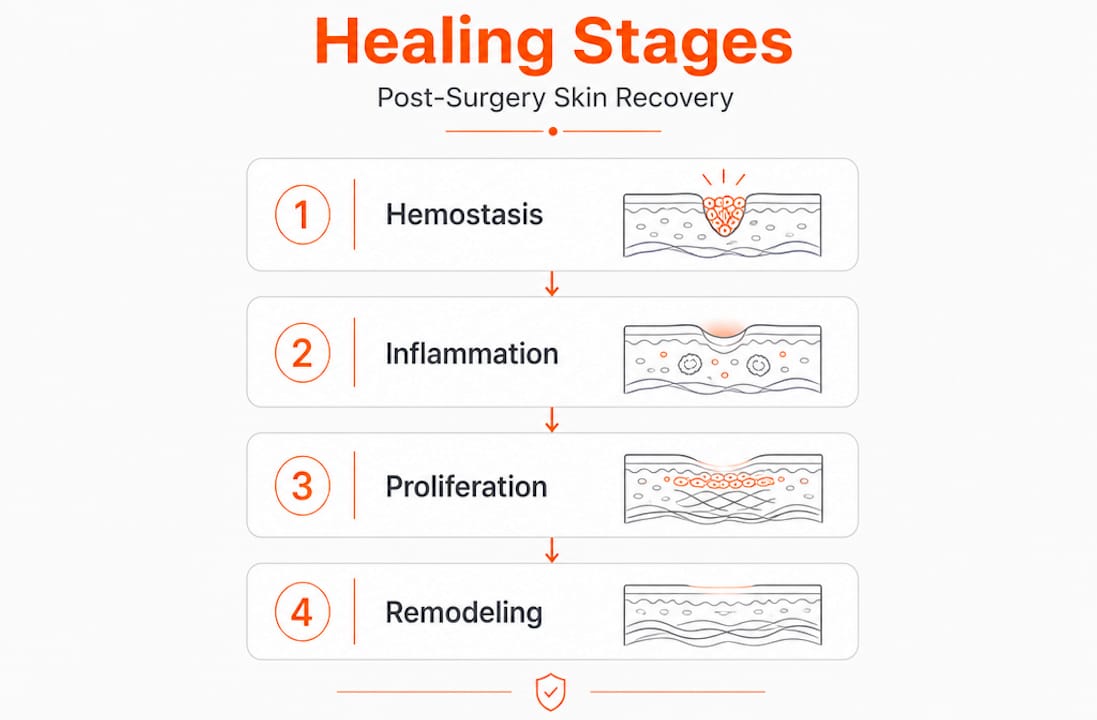
Your skin does not heal all at once. Wound healing happens in four stages: hemostasis, inflammation, proliferation, and remodeling. Each one serves a specific purpose, and interrupting any stage can slow recovery or worsen scarring.
Stage | Timeframe | What happens |
Hemostasis | First few minutes to hours | Blood clots to stop bleeding and form a protective barrier. |
Inflammation | Days 1 to 5 | White blood cells clear bacteria; redness and swelling are normal. |
Proliferation | Days 5 to 21 | New collagen forms; wound edges pull together. |
Remodeling | Months to up to 18 months | Collagen reorganizes; scar fades and softens gradually. |
The remodeling phase is the one most people underestimate. Scar maturation can take 12 to 18 months, which is why a scar that looks red at three months can look much lighter at one year. Knowing this prevents panic and discourages premature or aggressive interventions.
For the first 24 to 72 hours, keeping the wound dry protects the initial clot and reduces infection risk. After your surgeon clears you, gentle moisture maintenance becomes the priority. This transition is where most patients make their first mistake: either keeping the wound too dry for too long, or applying products that irritate healing tissue.
Pro Tip: Ask your surgeon exactly when to transition from dry dressing to a moisturizing ointment. That window varies based on your procedure and skin type.
Daily wound care that prevents complications
What you do every day in the first weeks matters more than any single product. Here is a practical approach to healing skin after medical procedures without setting back your progress.
Keep it dry first. For the initial 24 to 72 hours, avoid getting the wound wet. Pat it dry if any moisture reaches it.
Clean gently. Once cleared, wash the area with mild soap and lukewarm water. Avoid hydrogen peroxide and alcohol because they damage healthy tissue and delay healing.
Apply a thin layer of ointment. Petroleum jelly or a plant-based alternative keeps the wound moist and protects it from bacteria. Moist wounds heal faster and scar less.
Use non-stick bandages. Adhesive dressings that stick directly to the wound cause trauma when removed. Non-stick options protect without disrupting new tissue.
No soaking. Skip baths, pools, and hot tubs until your surgeon gives the go-ahead. Soaking softens the wound edges and increases infection risk.
Minimize movement at the incision. Tension on the wound site causes the scar to widen. Avoid stretching, heavy lifting, or any movement that pulls at the incision.
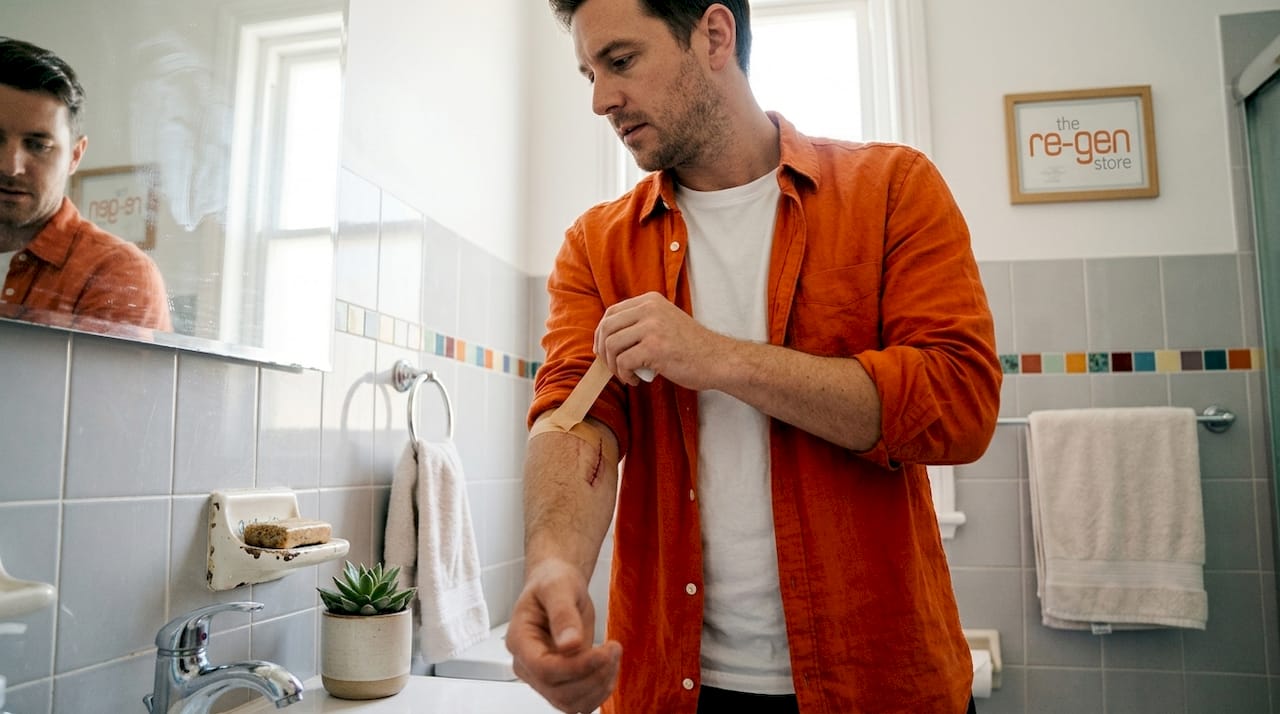
Applying paper tape for at least six weeks over a healed incision reduces scar stretching and improves appearance. Use hypoallergenic options to avoid skin reactions. This is one of the simplest, lowest-cost tools in your recovery kit and most patients never hear about it.
Pro Tip: Change your dressing at the same time each day to keep bacteria from building up and to spot any early signs of infection, such as increased redness, warmth, or discharge.
Strategies to reduce surgery scars
Not all topical products are equal when it comes to how to reduce surgery scars. Here is a prioritized approach, starting with what has the most clinical backing.
Silicone gel or sheets. Silicone applied for 12 hours daily after the incision fully closes can flatten, soften, and fade scars over three to four months. This is the most evidence-supported topical option available without a prescription.
Sun protection. UV radiation damages collagen and causes permanent hyperpigmentation on healing scars. Apply broad-spectrum SPF 30 or higher every day the scar is exposed. This step alone prevents a major source of long-term scar discoloration. You can read more about how UV affects healing skin in this guide on scar pigmentation and sunburn.
Gentle scar massage. Scar massage two to three times daily with a moisturizer, starting a few weeks post-surgery with surgeon approval, breaks down hard scar tissue and improves flexibility. Use two fingers and work in small circular motions directly on the scar.
Hypoallergenic paper tape. Stabilizes the skin around the incision, reduces tension, and lowers the chance of hypertrophic scarring.
Medical treatments for stubborn scars. If a scar becomes raised or unusually thick, talk to your doctor. Corticosteroid injections show high efficacy for hypertrophic and keloid scars, and combination laser and surgical approaches outperform single therapies for established scars.
When comparing the best creams for healing surgery scars, look for products that maintain moisture without clogging pores or introducing harsh chemicals. Natural, plant-based ointments that skip petroleum derivatives offer a cleaner option for sensitive post-surgical skin. You can explore plant-based scar care options as part of your daily routine. Keep in mind that no cream erases a scar completely. The goal is consistent care with moisture, sun protection, and tension reduction over months, not weeks.
Nutrition and lifestyle for faster healing
What you eat directly affects how fast and how well your skin recovers. Skin recovery tips post-operation are not limited to what you put on the wound. They start from within.
Protein is the building block of collagen. Aim for adequate intake from sources like chicken, eggs, fish, or legumes every day during recovery.
Vitamin C supports collagen synthesis and acts as an antioxidant. Broccoli, bell peppers, and citrus fruits are strong sources.
Vitamin A promotes cell turnover and skin repair. Sweet potatoes and carrots provide this nutrient.
Zinc helps regulate inflammation and supports tissue remodeling. These nutrients directly accelerate wound healing speed and quality.
Smoking and alcohol are two factors that actively harm your recovery. Smoking restricts blood flow to healing tissue, and alcohol impairs immune function. Both slow the proliferation stage and can make scarring worse. Hydration also matters. Well-hydrated tissue is more pliable, which supports remodeling. Gradual return to activity, following your surgeon’s guidance, also prevents excess tension on the incision as the skin strengthens.
My honest take on scar recovery
I have seen people leave surgery with realistic expectations and come back six months later genuinely surprised at how well their skin recovered. I have also seen the opposite. The patients who struggle most are the ones who quit their routine at week three because the scar “looks the same.”
Here is what I have learned: healing is not linear. The remodeling phase is largely invisible. The scar is changing internally even when you cannot see it on the surface. Consistency with moisture, sun protection, and massage matters far more than chasing the latest cream.
My other observation is that people treat scar care as an all-or-nothing effort. They either over-treat with harsh products or give up entirely. The sweet spot is simple, steady care: clean gently, protect from the sun, keep it moist, and let time do the heavy lifting. Individual skin varies too. What fades a scar quickly on one person may take longer on another. That is not failure. That is biology.
If you ever notice a scar thickening, becoming itchy, or growing beyond the original wound boundary, see your doctor. Those signs may indicate a keloid or hypertrophic scar that responds well to early medical treatment.
— Kyle
Support your recovery with natural products
If you are looking for what to apply after surgery that skips synthetic chemicals and petroleum-based ingredients, Theregenstore offers a plant-based option worth knowing about.
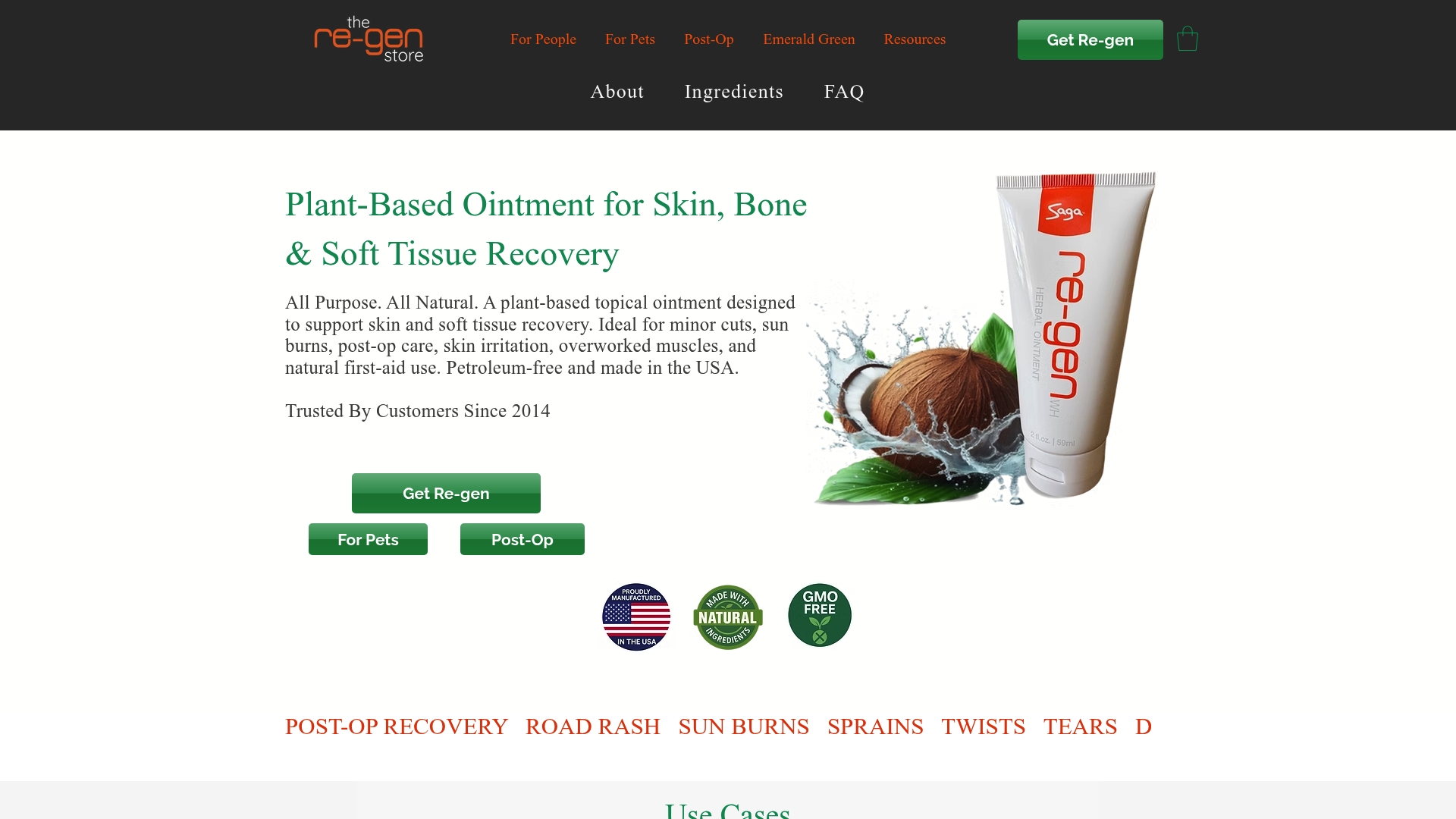
The Re-gen ointment from Theregenstore is formulated with natural, chemical-free ingredients designed to support post-surgical healing without the additives found in conventional wound creams. It works by maintaining the moist wound environment that research supports, while relying on herbal compounds rather than petroleum derivatives. For anyone looking for a natural alternative to Neosporin or conventional antibiotic ointments, Re-gen is a clean, plant-based option. You can view the full product details and ingredients at Theregenstore’s petroleum-free wound treatment page. Integrate it into the daily wound care routine described in this article for best results.
FAQ
How long does skin take to heal after surgery?
Most surgical wounds close within two to four weeks, but full scar maturation takes 12 to 18 months. You will see the most visible improvement in the first year.
What should you apply after surgery to reduce scarring?
Silicone gel or sheets are the most clinically supported topical option. A plant-based or petroleum-free ointment also helps maintain the moist environment that reduces scar formation during early healing.
Can natural remedies for surgical scars really work?
Yes, with realistic expectations. Consistent use of scar massage, sun protection, gentle moisturizers, and plant-based ointments can visibly reduce scar appearance over several months, though no remedy eliminates a scar completely.
When can you start scar massage after surgery?
Scar massage is typically recommended starting a few weeks after surgery, once the wound has fully closed. Always get your surgeon’s approval before starting massage to avoid disrupting healing tissue.
Does sun exposure make surgical scars worse?
Yes. UV radiation permanently darkens healing scar tissue and damages collagen. Apply SPF 30 or higher every time the scar is exposed to sunlight, ideally for the entire first year after surgery.
Recommended
Comments