
Herbal Healing Traditions: What They Are and Why They Matter

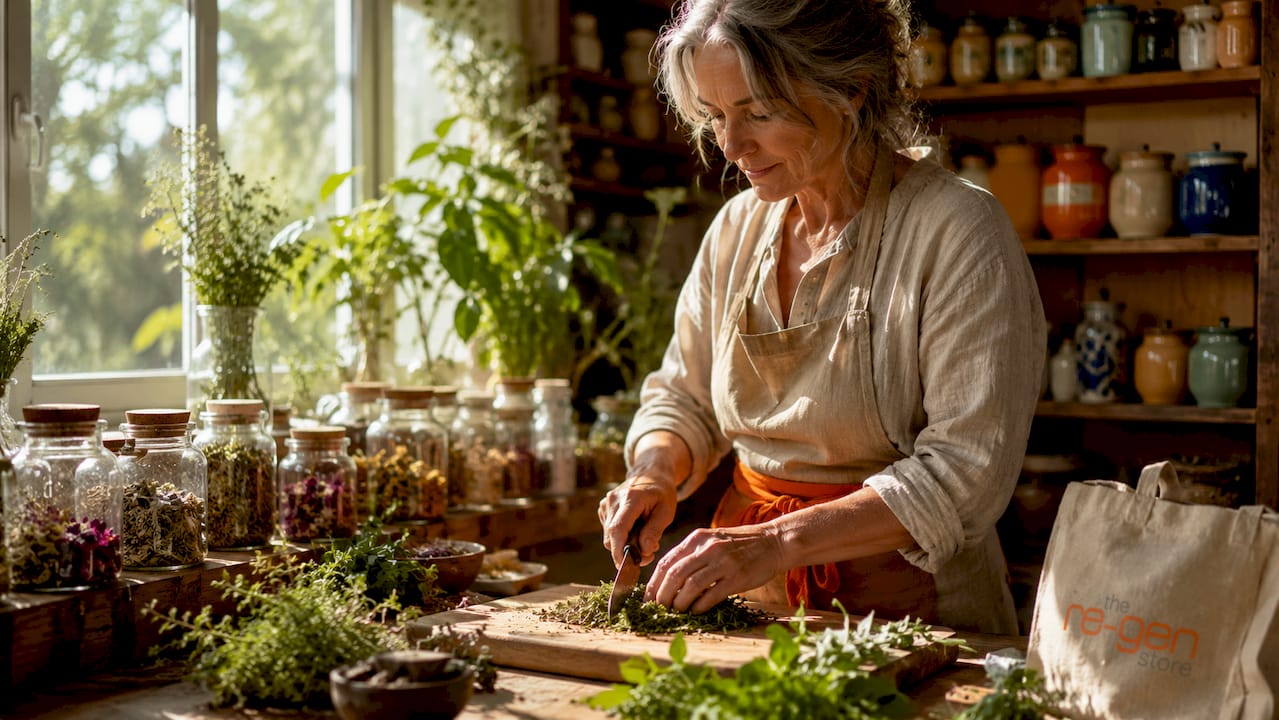
Herbal healing traditions are defined as culturally rooted systems of medicine that use plants to prevent illness, treat injury, and restore physical and emotional balance. These systems have been documented across ancient Sumer, Egypt, Greece, China, and India, with evidence dating back to the Paleolithic era. Ayurveda, Traditional Chinese Medicine (TCM), and Indigenous herbalism each represent distinct but equally sophisticated frameworks. The World Health Organization recognizes traditional and complementary medicine as a core component of global health. Understanding what herbal healing traditions are means recognizing them not as folklore, but as structured, time-tested approaches to human wellness.
What are the major global herbal healing traditions?
Herbal healing traditions span every inhabited continent, and each carries its own cultural logic and spiritual framework. These are not interchangeable systems. Each one reflects a specific relationship between people, plants, and the environment they share.
The four most widely practiced traditions include:
Ayurveda (India): A system over 3,000 years old that classifies plants by their effect on the body’s three doshas, or energy types. Turmeric, ashwagandha, and neem are central herbs used to reduce inflammation and support immunity.
Traditional Chinese Medicine (TCM): Uses herbs like astragalus, ginseng, and licorice root to balance qi (vital energy). Formulas are typically combined rather than used as single herbs.
African Traditional Medicine: Combines medicinal plant use with rituals and social practices, treating health as a community and spiritual matter, not just a physical one.
Indigenous Herbalism (Americas, Pacific, Arctic): Rooted in ancestral knowledge passed through oral tradition. Practices vary widely by region but consistently integrate ceremony, seasonal plant harvesting, and ecological awareness.
Indonesia’s jamu tradition offers a striking example of documented longevity. Borobudur reliefs depict herbal preparation with at least 130 years of archaeological evidence. That kind of physical record confirms these are not casual folk practices. They are organized systems of knowledge.
“Separating herbal medicine from its spiritual and cultural roots undercuts its true therapeutic value, as traditional systems view health as a balance of physical, emotional, and spiritual wellbeing.” — Journal of Religion and Health
The spiritual dimension is not decorative. In many traditions, the healer’s relationship with the plant, the ritual of preparation, and the patient’s social context are all considered part of the treatment.
How are herbal remedies prepared and dosed safely?
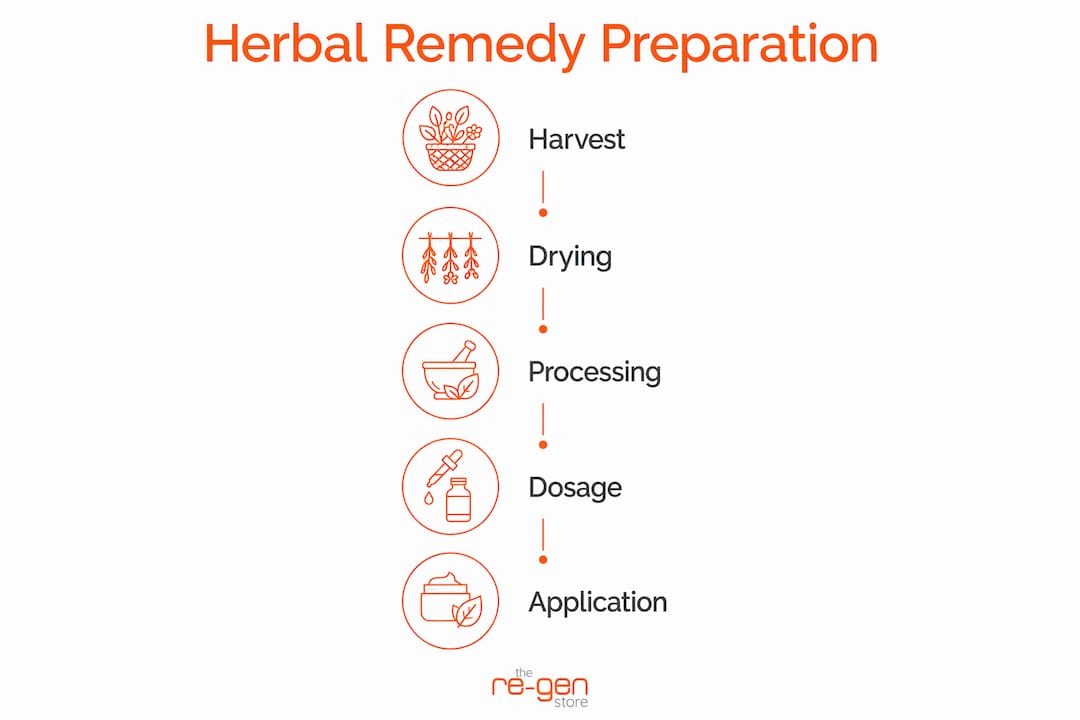
Preparation method directly determines what a plant remedy can do. The same herb prepared differently produces different chemical compounds and different therapeutic effects.
Infusion: Hot water extracts volatile oils and delicate compounds. Best for leaves and flowers like chamomile or peppermint.
Decoction: Simmering roots, bark, or seeds in water for 20–40 minutes. This method extracts harder compounds that infusion cannot reach.
Maceration: Soaking plant material in cold water or oil over time. Mucilage-rich herbs like marshmallow root require this method to preserve their soothing compounds.
Tincture: Alcohol extraction that concentrates active constituents and extends shelf life. Dosing is measured in drops or milliliters.
Topical application: Ointments, salves, and poultices apply plant compounds directly to skin or tissue. This is one of the oldest and most direct forms of plant-based healing.
Adult doses range from milligrams to grams depending on the herb and form. Pediatric doses are calculated by body weight and require professional guidance. The Traditional Herbal Registration (THR) mark, used in the UK and recognized internationally, signals that a product meets quality and safety standards. Always check for this or an equivalent registration when purchasing herbal products.
Pro Tip: Never assume that “natural” means safe at any dose. The WHO and NHS both warn that unregulated herbal products may contain toxic substances or interact with prescription medications. Consult a qualified practitioner before combining herbs with pharmaceuticals.
What benefits and limitations do herbal traditions offer?
Herbal traditions contribute real, documented value to health. They also carry real limitations. Both deserve honest attention.
Benefits supported by traditional use and emerging research:
Chronic condition support: Herbs like valerian, passionflower, and holy basil are used across multiple traditions to reduce stress and support sleep.
Immune support: Elderberry, echinacea, and astragalus have long histories of use during illness and recovery.
Skin and tissue healing: Topical herbs like calendula, comfrey, and plantain support wound recovery and reduce inflammation.
Whole-person care: Traditional systems address diet, activity, emotional state, and environment alongside herbal treatment.
Limitations to understand clearly:
Clinical evidence is uneven. Many herbs lack large-scale randomized trials.
Herbal-drug interactions are real and sometimes serious. St. John’s Wort, for example, reduces the efficacy of several prescription drugs.
Product quality varies widely in unregulated markets.
Integrative medicine addresses this gap directly. It combines evidence-based biomedicine with traditional herbal knowledge, neither dismissing nor uncritically accepting either system. This approach is gaining ground globally because it respects what both traditions do well.
Cultural respect also matters here. Using herbs from Indigenous traditions without understanding their context, or without supporting the communities that developed that knowledge, is a form of misappropriation. Responsible use means learning the origin of a practice, not just its recipe.
How do cultural and spiritual factors shape herbal healing?
Traditional healing systems rarely treat a symptom in isolation. They treat a person within their full context, including their relationships, environment, and spiritual state.
Tradition | Spiritual or cultural element | Role in healing |
Ayurveda | Dosha balance and karma | Guides herb selection and lifestyle prescription |
TCM | Qi flow and five elements | Determines formula combinations and timing |
African Traditional Medicine | Ancestral consultation and ritual | Validates diagnosis and treatment |
Indigenous Herbalism | Medicine wheel and ceremony | Frames healing as community and ecological restoration |
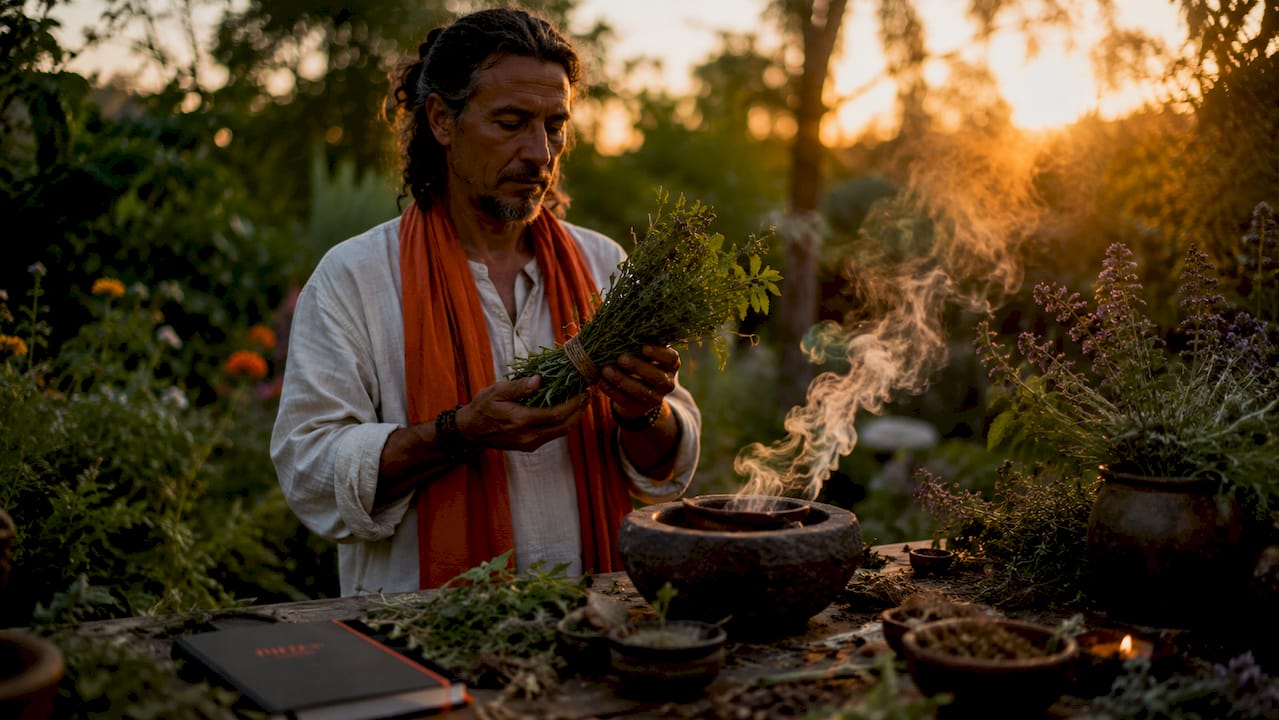
Health as spiritual balance is a concept shared across African, Native American, and Buddhist healing systems. This is not metaphor. Practitioners in these systems view disrupted social bonds or unresolved grief as direct contributors to physical illness.
Ecological diversity also shapes practice. Healers select plants based on local availability, seasonal timing, and the specific condition of the individual. A plant harvested at the wrong time or from a depleted ecosystem may carry different properties than one gathered with care.
Pro Tip: If you are drawn to a specific herbal tradition, read about its cultural origins before adopting its practices. Resources like holistic healing frameworks and plant medicine rituals can help you engage with these systems respectfully and effectively.
Cultural safety in healthcare means respecting Indigenous healing knowledge and avoiding misappropriation. Modern healthcare systems are increasingly recognizing this. Practitioners are trained to ask about traditional medicine use without dismissing it, and to integrate patient values into care plans.
Key Takeaways
Herbal healing traditions are structured, culturally embedded systems that treat the whole person, and their responsible use requires understanding both their origins and their safety boundaries.
Point | Details |
Ancient and documented origins | Herbal traditions date to the Paleolithic era, with physical evidence across Egypt, India, China, and Indonesia. |
Preparation method matters | Decoctions, infusions, and macerations each extract different compounds, directly affecting therapeutic outcomes. |
Safety requires verification | Look for THR registration or equivalent quality marks; always check for drug interactions before use. |
Spiritual context is part of the medicine | Removing herbs from their cultural and spiritual framework reduces their full therapeutic value. |
Integrative medicine bridges both worlds | Combining traditional herbal knowledge with clinical validation produces the most responsible outcomes. |
Why I think herbal traditions deserve more than surface-level interest
Most people who come to herbal medicine are looking for something gentler than a prescription. That is a reasonable starting point. What surprises many of them is how structured these systems actually are. Ayurveda has pharmacopoeias. TCM has diagnostic frameworks as detailed as any Western clinical protocol. African Traditional Medicine integrates community health in ways that modern public health is only beginning to replicate.
What I have found is that the people who benefit most from herbal traditions are those who engage with them seriously. They learn preparation methods. They source quality products. They understand that herbal first aid and chronic condition support are different applications requiring different approaches.
The future of this field is integrative, not oppositional. Traditional knowledge and clinical science are not enemies. The most effective practitioners I have encountered use both, and they do so with cultural respect and genuine curiosity.
— Kyle
Plant-based wound care rooted in herbal tradition
Theregenstore was built on the same principle that drives herbal healing traditions: the body recovers best when supported by clean, plant-derived ingredients. Re-gen, Theregenstore’s flagship ointment, is formulated without petroleum and without synthetic antibiotics.

For people who want a natural alternative to conventional wound treatments, Theregenstore offers petroleum-free, plant-based wound care designed for cuts, burns, sprains, and post-operative recovery. The Re-gen ointment supports skin and soft tissue healing using ingredients that align with the plant-based healing philosophy described throughout this article. You can also explore top healing herbs for skin to understand which plants underpin effective topical recovery.
FAQ
What are herbal healing traditions in simple terms?
Herbal healing traditions are organized systems of medicine that use plants to treat illness, support recovery, and maintain health. They are practiced across cultures worldwide and include systems like Ayurveda, TCM, and Indigenous herbalism.
Are herbal remedies safe to use with prescription medications?
Not always. Herbs like St. John’s Wort can reduce the effectiveness of prescription drugs, and unregulated products may contain harmful substances. Always consult a healthcare provider before combining herbal remedies with pharmaceuticals.
How do I know if an herbal product is high quality?
Look for products carrying the Traditional Herbal Registration (THR) mark or an equivalent national quality certification. This confirms the product has been reviewed for safety, quality, and accurate labeling.
What is the difference between a decoction and an infusion?
An infusion uses hot water to extract compounds from soft plant material like leaves and flowers. A decoction simmers harder material like roots and bark to release compounds that hot water alone cannot extract.
How do spiritual beliefs connect to herbal medicine?
In traditions like African Traditional Medicine and Indigenous herbalism, spiritual balance is considered a direct factor in physical health. Herbs are used alongside ceremony, ancestral consultation, and community practices as part of a complete healing approach.
Recommended
Comments