
Stop a Dog's Paw Pad Bleeding: 15 Min Vet Threshold and 3 Layer Bandage
- Sunny

- 11 minutes ago
- 9 min read
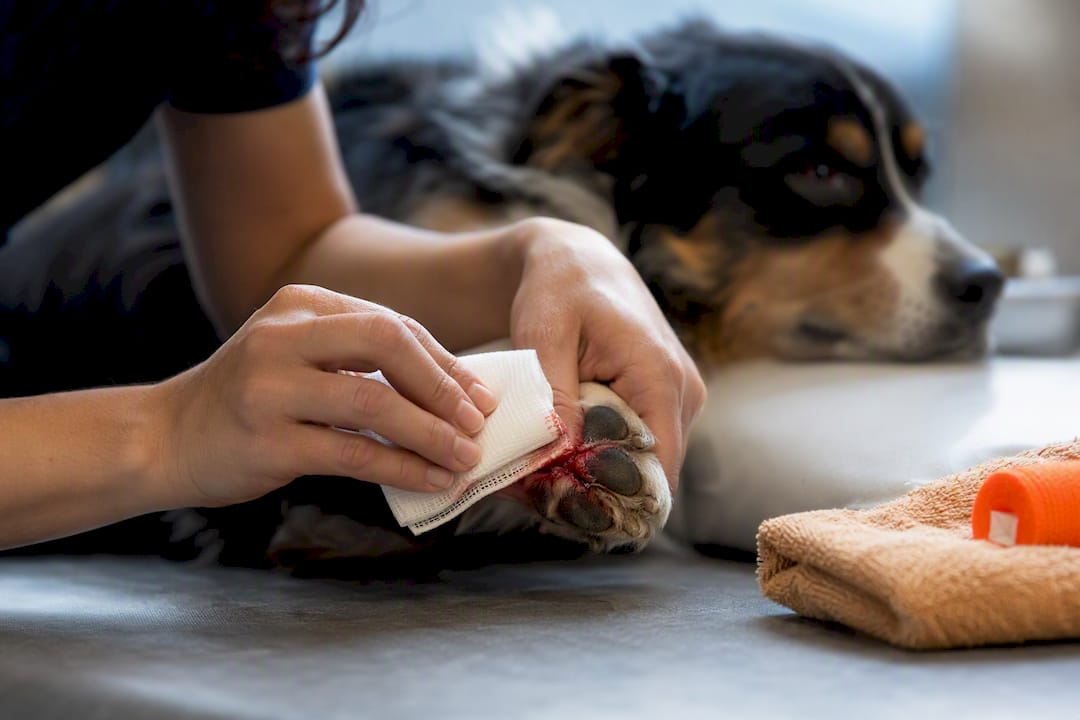
If your dog has a cut paw pad, apply firm, steady pressure until the bleeding slows, then clean and protect the area. Bleeding that won’t stop within several minutes of constant pressure, or continues for a prolonged time, means it’s time to call the vet. The same goes for a dog that won’t put weight on the paw, has a deep or gaping wound, or shows exposed tissue underneath.
TL;DR:
Bleeding that persists after 15 minutes of continuous pressure, or a deep, gaping, or contaminated wound, requires immediate veterinary attention.
Only shallow cuts that have been thoroughly flushed and disinfected can typically be managed at home, with bandaging and proper care.
Deep injuries, embedded debris, or refusal to bear weight indicate the need for professional cleaning, possible suturing, and medical treatment.
Daily bandage changes, restricted activity, and preventing licking with an E-collar are essential to avoid setbacks during healing.
A plant-based ointment supports recovery on superficial wounds but is not suitable for contaminated or bleeding injuries.
Table of Contents
How Do You Check the Severity of a Dog Paw Pad Injury?
A hurt dog can bite even the owner it trusts most, so restrain gently before you inspect anything. Sit with your dog in your lap or have someone hold the head and shoulders steady. If your dog is in obvious pain or snapping, a soft muzzle or even a necktie looped around the snout keeps everyone safe while you work.
Once your dog is calm, look closely at the pad. You’re checking for information that tells you whether this is a home-care situation or a car-to-the-clinic situation.
Depth: Is it a shallow scrape or does it go all the way through the pad?
Shape: Is there a flap of skin hanging loose, or a gaping wound that won’t close on its own?
Debris: Can you see glass, gravel, a splinter, or something embedded in the tissue?
Color and smell: Pale, gray, or foul-smelling tissue signals trouble beyond a fresh cut.
Weight-bearing: Does your dog put any weight on that paw, or hold it up entirely?
Any cut that keeps bleeding despite pressure, shows exposed tissue, has something embedded in it, looks like a chemical burn, or leaves your dog unable to bear weight needs a veterinarian, not a bandage from your bathroom cabinet.
What’s the Right First-Aid Process for a Cut Paw Pad?
Gather your supplies before you touch the wound. Sterile gauze pads, saline solution, a mild antiseptic, and bandage materials should all be within reach so you’re not chasing down a roll of gauze with a bleeding dog on your lap.
Restrain your dog in a comfortable position, using a muzzle if pain has made them snappy.
Apply firm, steady pressure with a clean cloth or sterile gauze pad directly on the cut for a full 5 minutes without peeking.
Check the wound. If bleeding continues, reapply pressure for up to 10 minutes total.
Flush the pad with saline solution or lukewarm water to rinse away dirt and debris, working until the wound looks clean.
Disinfect gently with chlorhexidine or povidone-iodine diluted to the color of weak tea. Skip hydrogen peroxide and rubbing alcohol. Both feel like a good idea but actually damage healthy tissue and slow healing rather than speed it up, according to guidance on safe wound cleaning agents.
Reassess. If the cut is shallow and clean after flushing, move on to bandaging. If it’s deep, still bleeding, or you spot embedded debris you can’t safely remove, stop and call your vet.
Pro Tip: Never dig for something embedded deep in the pad. A splinter near the surface can come out with tweezers, but anything lodged deeper belongs to a vet with proper tools and, often, sedation.
According to emergency first-aid guidance from a veterinary practice, firm pressure held for several minutes stops most paw pad bleeding. If it hasn’t slowed after a prolonged period of constant pressure, professional care is necessary. Paw pads bleed heavily because they’re dense with blood vessels, so don’t panic if it looks dramatic in the first minute. Panic less, press harder, and watch the clock.
How Do You Bandage a Dog’s Paw Pad Correctly?
A bandage that’s wrapped wrong causes more problems than the original cut. The fix is a three-layer approach used in Red Cross pet first-aid guidance, and once you’ve done it once, it becomes second nature.
Layer one, contact: A nonstick pad (like Telfa) placed directly against the wound so it doesn’t stick to the healing tissue.
Layer two, padding: Rolled gauze wrapped snugly around the paw for cushioning and absorption.
Layer three, outer wrap: A cohesive bandage like VetWrap to hold everything in place.
The wrap has to extend up and over the next joint, either the carpus or the hock, or it will slide right off within an hour of walking. Before you call it done, slide two fingers under the top of the bandage. If they fit snugly, circulation is fine. If you can’t get them under at all, it’s too tight, according to bandaging protocols from VCA.
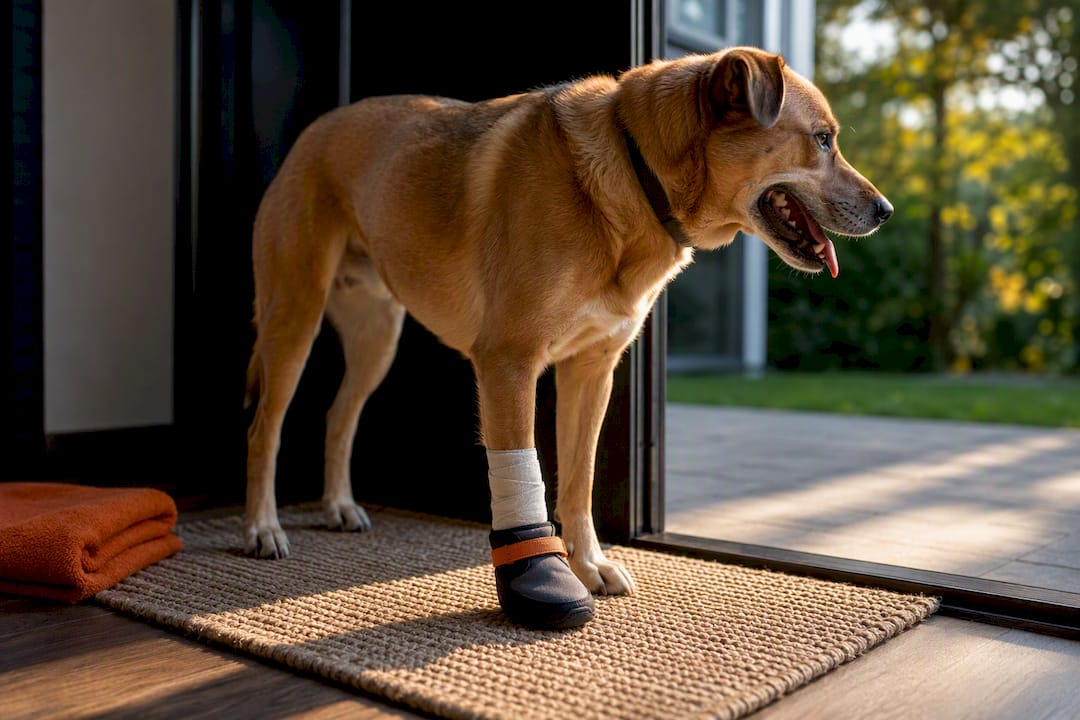
Change the bandage daily, or immediately if it gets wet or dirty. Watch for cold toes, swelling above the wrap, or a foul smell, all signs circulation or infection has become a problem. For short trips outside, a bootie or a plastic bag secured over the bandage keeps it dry. Indoors, an E-collar stops your dog from licking through three layers of careful work in about thirty seconds flat.
When Does a Dog’s Cut Paw Pad Need a Vet Right Away?
Some injuries look manageable at first glance and turn out to be much deeper once you clean away the blood. Others make the decision for you immediately. Head to a clinic, urgent care, or emergency vet if you see any of the following.
Bleeding that hasn’t slowed after a prolonged period of firm, continuous pressure
A deep or gaping cut, especially one where the edges pull apart
Exposed tissue underneath the pad’s outer layer
An embedded object you can’t remove safely at home
A dog that refuses to put any weight on the paw
Swelling that seems to be getting worse, not better
A foul odor or discharge from the wound
At the clinic, expect the vet to sedate your dog for a thorough cleaning and debridement if the wound is contaminated or deep, since treatment protocols for paw pad injuries often call for surgical repair when a wound is too deep or too large to close on its own. Sutures, professional bandaging, antibiotics, and pain medication commonly follow. Pads carry a lot of pressure and constant bacterial exposure, which is exactly why a cut that looks minor on your kitchen floor can hide a stitch’s worth of depth once a vet gets a proper look. If your regular clinic is closed, a virtual triage check can help you decide whether the injury can wait until morning or needs an emergency visit tonight, per recovery timeline guidance.
How Long Does a Dog’s Paw Pad Cut Take to Heal?
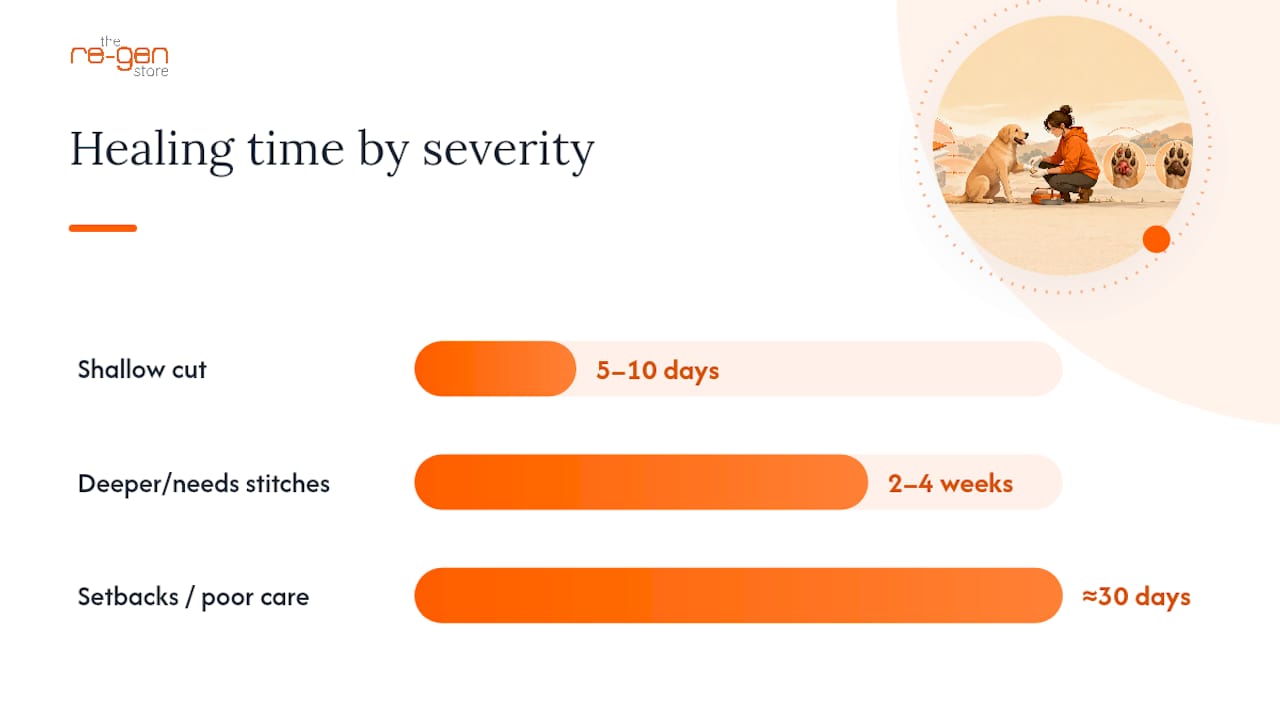
Shallow cuts typically heal in 5 to 10 days with consistent home care, while deeper wounds or those requiring stitches or medical management often need 2 to 4 weeks to close fully. Licking, moisture, and repeated weight-bearing on an unhealed pad are the three biggest reasons a simple cut turns into a two-week ordeal instead of a five-day one.
Daily care matters more than any single product you use.
Keep activity to leash-only walks, just long enough for bathroom breaks
Check the bandage every day and change it the moment it’s wet or dirty
Leave the E-collar on for at least the first few days, even if your dog hates it
Watch for the wound looking the same or worse by day 5 to 7, which usually means it’s time to recheck with your vet
New redness, swelling, or discharge at any point is a reason to call, not wait
Environmental exposure and repeated walking on the injury do more damage than the original cut in a lot of cases. Rest isn’t a suggestion here. It’s the difference between a five-day recovery and a month of setbacks.
Are Plant-Based Topical Ointments Safe for Dog Paw Pad Cuts?
Topical ointments have a place in paw pad care, but only under the right conditions. A clean, shallow cut that’s already stopped bleeding and been flushed of debris is a reasonable candidate for a topical layer. A deep, contaminated, or still-bleeding wound is not. That one needs a vet’s eyes first, full stop.
Favor plant-based, chemical-free formulas over harsh antiseptics on healing tissue
Avoid anything with added fragrance, alcohol, or ingredients that sting on contact
Apply a thin layer only. Thick globs trap moisture and invite the exact infection you’re trying to prevent
Pair the ointment with an E-collar, since even a great product can’t outwork a determined tongue
Confirm the layer is compatible with your bandage material before wrapping over it
Preventing licking reduces infection risk more than almost any other single step you take during recovery, which is worth remembering on day three when your dog is staring at you like the cone is a personal insult.
A Straightforward Take on Paw Pad First Aid
Most paw pad cuts don’t need heroics. They need pressure, cleanliness, and the discipline to keep your dog off the injury longer than feels necessary. Where I see owners go wrong isn’t the bandaging, it’s the follow-through: pulling the E-collar off after day two, letting a “quick” off-leash run happen on day four, and then wondering why a five-day cut is still open on day nine. If bleeding won’t stop or your dog won’t bear weight, don’t wait it out. Call the vet.
— Kyle
A Plant-Based Option for Cleaned, Shallow Paw Pad Cuts
Once a wound is flushed, disinfected, and no longer bleeding, a chemical-free option supports the skin as it closes, without the synthetic fillers found in many conventional first-aid tubes. Re-gen is a plant-based, petroleum-free wound treatment built for exactly this stage of recovery: shallow cuts, scrapes, and post-cleaning care where the wound is already stable.
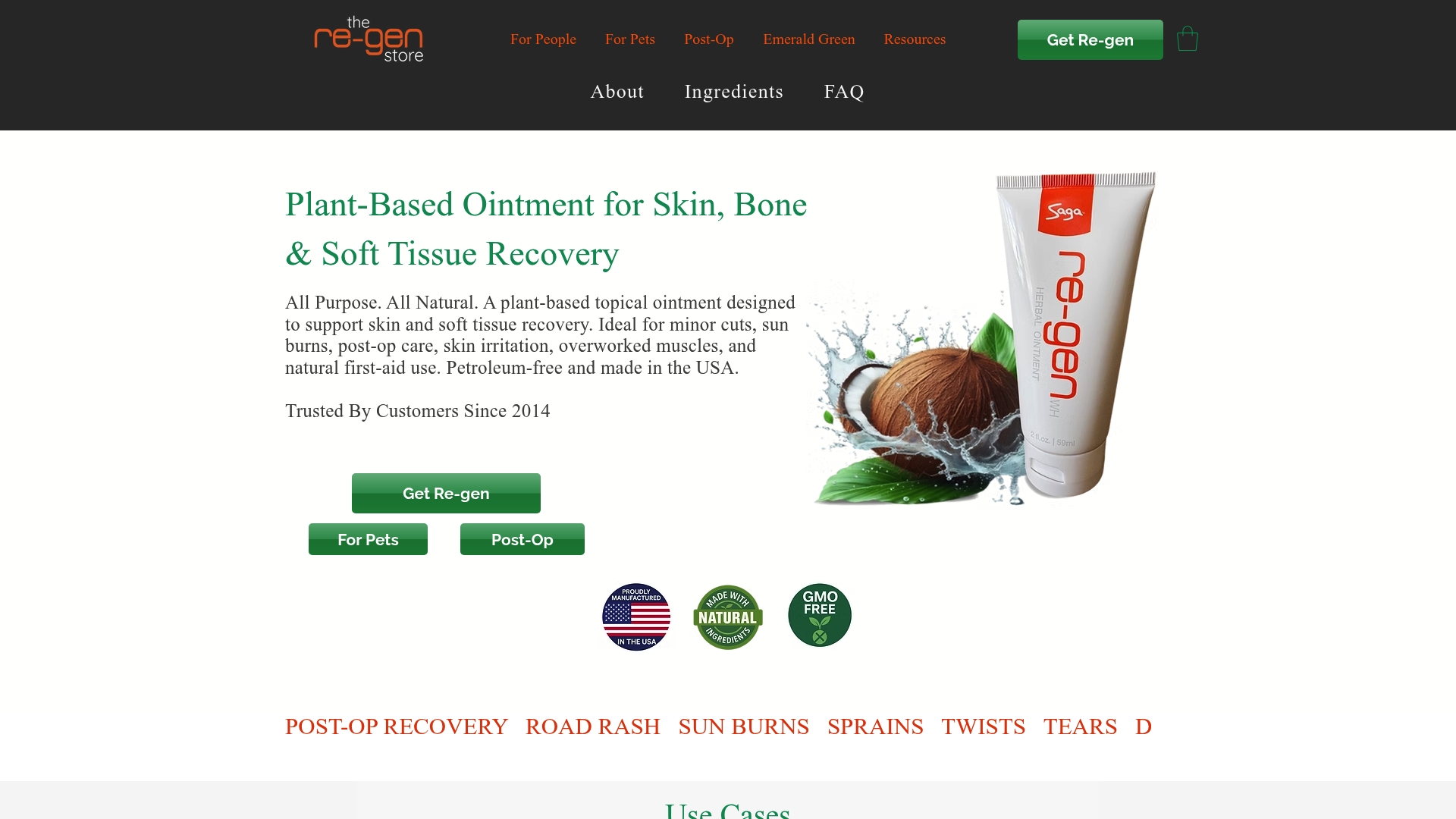
Apply a thin layer to the clean, dry pad, pair it with an E-collar to stop licking, and use it under a bandage when your care routine calls for one. It isn’t a substitute for veterinary treatment on deep or infected wounds, and it works best as an adjunct once the hard part, the cleaning and the bleeding control, is already done. If you’re comparing it to a Neosporin tube in your cabinet, the natural alternative to conventional antibiotic ointments explains the ingredient difference plainly. Ready to add it to your first-aid kit? Visit the Re-gen product page at Theregenstore and order before the next scrape happens.
Sources
FAQ
Will a dog’s cut paw pad heal on its own?
A shallow, clean cut can heal on its own with good home care in about 5 to 10 days. Deeper cuts, gaping wounds, or ones that won’t stop bleeding need veterinary treatment rather than time alone.
Can I put Neosporin on my dog’s paw wound?
Many vets advise against conventional triple-antibiotic ointments because dogs often lick them off immediately, and some ingredients aren’t ideal for repeated ingestion. A plant-based alternative paired with an E-collar is a safer combination for a cleaned, shallow wound.
What will a vet do for a split paw pad?
For a deep or gaping split, a vet typically sedates the dog for thorough cleaning and debridement, then closes the wound with sutures or surgical repair if needed, followed by professional bandaging, antibiotics, and pain medication.
What can I put on my dog’s paw pads to help them heal?
After stopping the bleeding and flushing the wound clean, a thin layer of a plant-based, chemical-free ointment can support the skin during recovery, combined with a proper bandage and an E-collar to prevent licking.
How do I know if my dog’s paw pad cut is serious enough for the vet?
Continuous bleeding past 15 minutes of firm pressure, a deep or gaping wound, exposed tissue, an embedded object, or a dog that won’t put weight on the paw are all signs that home care isn’t enough and a vet visit is necessary.
Recommended
Comments