
Top 5 Benefits of Tissue Regeneration Creams for Faster Healing

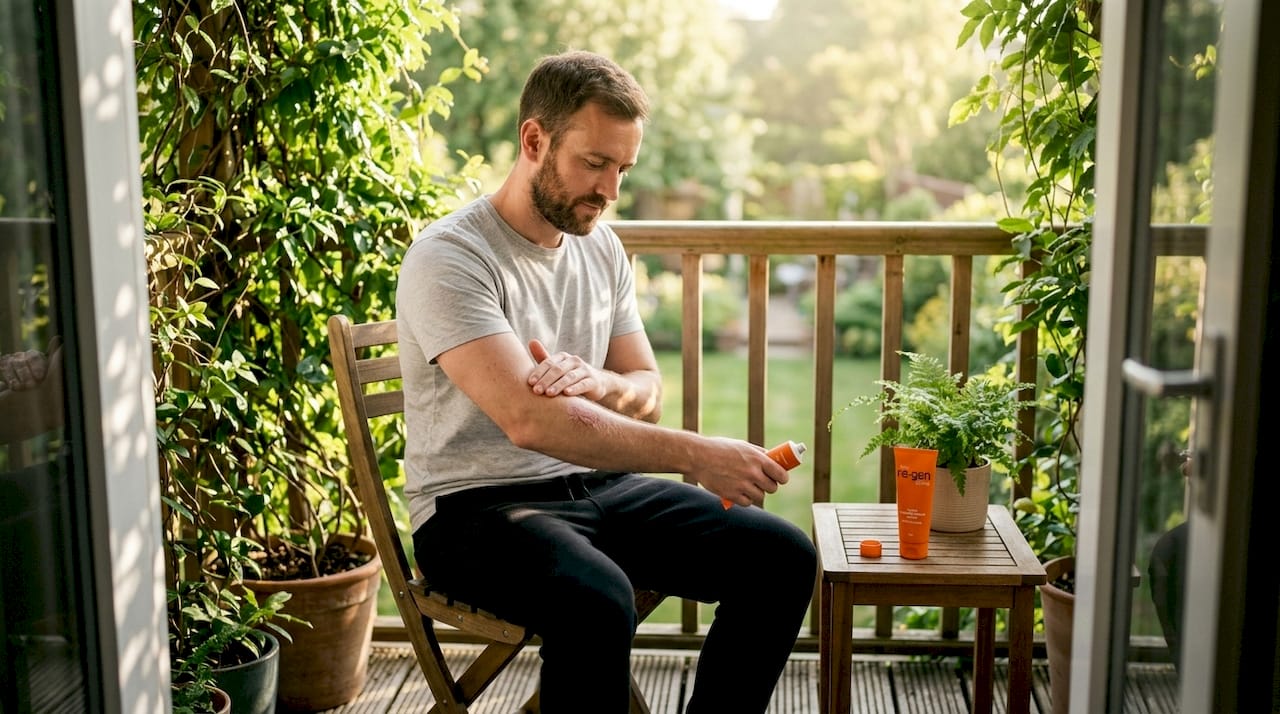
Not every wound heals the way it should. Post-surgery incisions linger. Cuts on sensitive skin stay red longer than expected. And if you’ve ever reached for a standard antibiotic ointment only to worry about synthetic ingredients or skin reactions, you know how frustrating the gap between “what’s available” and “what actually works gently” can feel. Tissue regeneration creams offer a different path, one grounded in clinical evidence and, increasingly, in herbal science. This article breaks down five key benefits so you can make a confident, informed choice for yourself, your recovery, or even your pet.
Table of Contents
Key Takeaways
Point | Details |
Speeds healing | Evidence shows faster wound closure and recovery compared to standard care. |
Gentle and natural | Herbal ingredients offer anti-inflammatory support for sensitive or chronic wounds. |
Advanced science options | Technologies like PDRN and cell regeneration deliver higher healing rates in clinical trials. |
Personalized choices matter | Select a formula based on your needs, skin type, and health for best results. |
Check for pets | Use caution with animals; consult a vet since pet-specific cream data is limited. |
What makes tissue regeneration creams effective?
Before getting into specific benefits, it helps to understand what separates a genuine regenerative cream from a basic moisturizer.
These creams work through several distinct mechanisms. Some use growth factors or cell-stimulating compounds like polydeoxyribonucleotide (PDRN), a purified DNA extract that activates receptors in the skin to promote tissue repair. Others rely on herbal actives, plants with known anti-inflammatory and antioxidant properties, to support the body’s natural repair process. The result is a category of products with real biological activity, not just surface hydration.
Key mechanisms at work in quality tissue regeneration creams include:
Growth factor stimulation: Signals skin cells to multiply and rebuild damaged tissue
Epidermal cell activation: Encourages the outer skin layer to close wounds faster
Anti-inflammatory action: Reduces swelling and redness so healing can proceed without interference
Collagen synthesis support: Helps the skin rebuild its structural matrix underneath the surface
Antioxidant protection: Shields recovering tissue from oxidative stress during the repair window
According to research on regenerative topicals, these creams primarily aid skin and soft tissue via growth factors, cell stimulation, or herbal anti-inflammatory and antioxidant effects, with the best results seen in post-procedure and chronic wound care. It’s also worth noting that topical formulations may vary in depth of penetration compared to injectable forms.
For those exploring healing herbs for skin, the plant-based side of this category is growing rapidly, especially among users who want to avoid synthetic chemicals. And for anyone dealing with persistent irritation, learning about soothing skin irritation naturally can point you toward the right starting ingredients.
The key insight: Not all tissue regeneration creams work the same way. Matching the right mechanism to your wound type or skin condition is more important than choosing based on packaging alone.
Pro Tip: If you’re shopping for a post-surgery formula, look for creams that specifically mention wound closure support or collagen stimulation, not just “moisturizing” or “soothing” claims.
1. Faster wound healing and reduced recovery time
This is the benefit most people come looking for, and the clinical data here is genuinely encouraging.
A skincare healing study found that regenerative skincare formulations accelerate post-laser skin healing, improving hydration by 76%, smoothness by 10%, and reducing roughness and crusting by 49% and redness by 27% within just 7 to 18 days. Those aren’t minor improvements. That’s a meaningful acceleration in visible recovery.
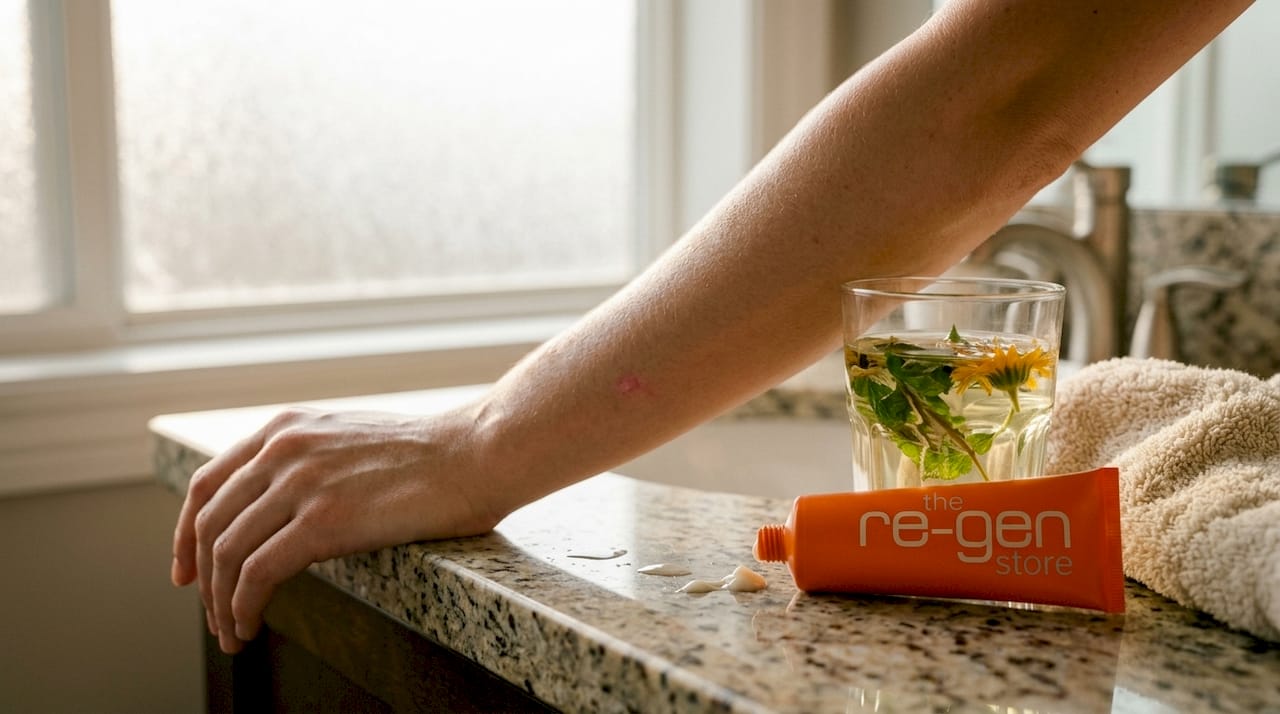
Even more striking are results from post-surgical wound care. Cell regeneration technology using autologous epidermal methods achieves an 88% wound healing rate at three weeks for post-operative non-healing wounds, compared to 67.1% with standard care alone, with fewer adverse events.
Here’s what that looks like in practical terms:
Surgery aftercare: Wounds that stall under standard dressings may respond better to creams with active regenerative ingredients
Minor cuts and abrasions: Daily application can shorten the visible healing window noticeably
Sensitive skin users: Gentler formulas reduce the risk of setbacks caused by irritating ingredients
Older adults: Skin that heals more slowly can benefit from targeted cellular stimulation
Metric | Standard care | Regenerative cream |
3-week wound healing rate | 67.1% | 88% |
Hydration improvement | Baseline | Up to 76% |
Redness reduction | Minimal | Up to 27% |
Roughness/crusting reduction | Minimal | Up to 49% |
If you’re recovering from an operation, more detail on healing after surgery and post-surgery healing tips can help you put these benefits into practice right away.
2. Herbal and natural ingredients for gentle anti-inflammatory action
Speed matters, but so does gentleness. For people with sensitive skin, chronic skin conditions, or a preference for chemical-free products, herbal formulas offer a genuinely effective alternative.
Three ingredients stand out consistently in the research:
Turmeric (curcumin): A well-documented anti-inflammatory compound that inhibits the enzymes driving redness and swelling at a wound site
Aloe vera: Supports hydration, reduces pain response, and actively encourages fibroblast (skin-cell-building) activity
Neem: An antibacterial plant extract that protects wounds from infection while supporting tissue repair
Herbal wound healing research confirms that creams combining turmeric, aloe vera, and neem reduce inflammation, promote fibroblast growth, boost collagen synthesis, and accelerate epithelialization (the process of the skin’s surface closing over a wound) in wound models.
This makes plant-based creams a particularly good fit for:
Chronic wounds that need gentle, sustained support
Elderly patients or those with compromised immune function
Pet owners seeking natural first-aid options (always with veterinary guidance)
Anyone avoiding petroleum-based or antibiotic-heavy formulas
Pro Tip: When reading a cream’s ingredient list, look for the Latin plant name alongside the common name. For example, Curcuma longa for turmeric, or Aloe barbadensis for aloe vera. This signals a formulation that uses actual botanical extracts, not synthetic mimics.
For a broader guide to plant actives, the article on top healing herbs covers the evidence behind many common options. And if you want to apply these ideas practically, wound healing naturally offers step-by-step guidance.
3. Advanced technologies: PDRN, cell regeneration, and more
For more complex cases, advanced ingredients deliver measurable results that go beyond what basic herbal blends can achieve alone.
PDRN, or polydeoxyribonucleotide, activates a specific receptor in the skin called the A2A receptor. This triggers a cascade: new blood vessel formation (angiogenesis), fibroblast activation, and accelerated wound closure. In clinical testing, PDRN topical treatment achieved 67% complete closure in venous leg ulcers after 45 days, compared to just 22% with hyaluronic acid alone.
That’s a striking gap. And autologous epidermal cell technology, as mentioned earlier, pushes wound healing to 88% at three weeks for post-operative wounds.
Technology | Best use case | Closure rate |
PDRN topical | Venous ulcers, chronic wounds | 67% at 45 days |
Autologous cell regen | Post-operative non-healing wounds | 88% at 3 weeks |
Herbal blends | Sensitive skin, general recovery | Varies; gentler onset |
Hyaluronic acid alone | Hydration, minor wounds | 22% at 45 days |
Advanced options shine brightest for post-surgical patients, chronic wound sufferers, and cases where standard care has already stalled. For a side-by-side look at how plant-based options compare to conventional antibiotic ointments, the Re-gen vs Neosporin comparison is worth reading. You can also browse healing cream comparisons to see how different formulations stack up across categories.
4. Special benefit: Traditionally proven herbal formulas for sensitive users
Plant medicine has been treating wounds for thousands of years, and modern research is beginning to validate what traditional healers long understood.
One compelling example is Ya-Samarn-Phlae, a traditional Thai herbal formula used in wound dressings. In a controlled study using diabetic animal models, this herbal formula enhanced wound closure and increased key healing biomarkers including TGF-β1 (transforming growth factor), VEGF (vascular endothelial growth factor), and collagen types I and III by day 11.
Why does this matter for sensitive users? A few reasons:
Diabetic skin heals differently. Reduced circulation and impaired immune response make these wounds notoriously slow. The fact that a traditional herbal formula moved the needle in this population is meaningful.
Aged or compromised skin shares some of these challenges and may respond well to bioactive plant compounds.
Pet owners often look to herbal options for minor animal wounds, though any application should involve a vet consultation first.
A word of caution: “Natural” does not automatically mean “safe for everyone.” Some herbal compounds can interact with medications or cause sensitivity in certain individuals. If you’re managing a complex or chronic wound, loop in a healthcare provider before committing to any formula, herbal or not.
For more on the plants behind traditional healing formulas, the guide to traditional healing herbs provides solid background reading.
What most people miss when choosing a tissue regeneration cream
Here’s something most product pages won’t tell you: the best clinical evidence exists for specific technologies in specific wound types. PDRN’s impressive numbers come from venous ulcer trials. Autologous cell tech data comes from post-operative contexts. Herbal formula studies often use animal models or small human groups.
This doesn’t mean these products don’t work broadly. It means you need to match the product to your situation, not just pick whatever has the most dramatic claim on the label. Clinical evidence for PDRN is strong for specific technologies while herbal and plant-based options show promising but more variable results, particularly around skin penetration.
For pet care specifically, empirical data is limited. Anecdotal success stories exist, but the gap between “this worked for my dog” and “this is clinically established for animals” is real. Proceed carefully, and always involve your vet.
Our honest advice: ignore trend-driven marketing. Read the ingredient list. Check whether the clinical data behind a product matches your actual need. For a plant-based wound option that leans on recognizable herbal actives without synthetic additives, the key is transparency in formulation.
Find your ideal tissue regeneration cream
The five benefits covered here, faster healing, anti-inflammatory herbal action, advanced cellular technology, traditional plant medicine support, and suitability for sensitive users, span a wide range of needs. Your best option depends on your wound type, skin sensitivity, health status, and whether you’re treating yourself, a family member, or a pet.
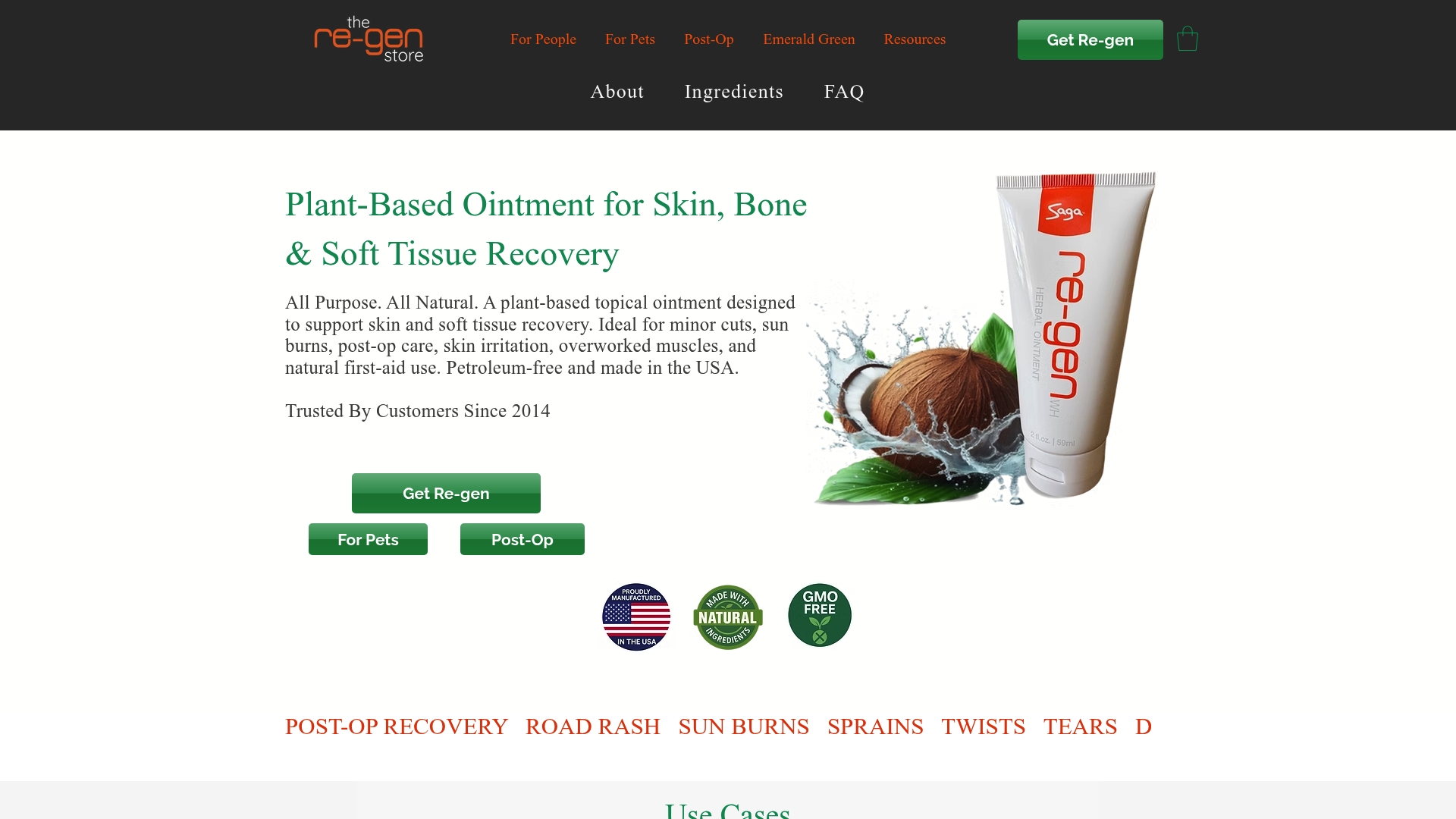
If you’re ready to explore natural options, start with the guide on how to speed up wound healing for practical, product-informed steps. The Re-gen ointment at TheRegenStore.com is formulated with plant-based actives, free from petroleum, and designed to support recovery from cuts, burns, surgical wounds, sprains, and more. For pet-related questions, consult your veterinarian alongside exploring the pet-safe resources on the site.
Frequently asked questions
Are tissue regeneration creams safe for pets?
Some herbal creams may be safe for pets, but always confirm with your veterinarian first, since pet-specific data on regenerative topicals remains limited.
Do tissue regeneration creams help diabetic wound healing?
Yes, certain herbal and advanced creams have shown improved outcomes in diabetic wound studies. For example, Ya-Samarn-Phlae formula enhanced wound closure and increased key healing biomarkers in diabetic animal models by day 11.
Which ingredients in tissue regeneration creams speed up healing?
Growth factors, PDRN, turmeric, aloe vera, and neem are evidence-backed options. Herbal blends with these actives reduce inflammation and promote faster skin closure, while PDRN drives vascular and cellular repair.
How do advanced creams like PDRN compare to herbal creams?
PDRN delivers faster, higher measured healing rates in clinical settings, achieving 67% wound closure versus 22% with hyaluronic acid alone. Herbal creams offer gentler, broader support that’s better suited for sensitive or maintenance-focused healing.
Can these creams reduce scarring?
By supporting collagen synthesis and faster epithelialization, some tissue regeneration creams may help minimize scar formation. Creams with turmeric, aloe, and neem specifically promote fibroblast activity and structured collagen rebuilding, both key to smoother healing outcomes.
Recommended
Comments