
Why Avoid Chemical Creams: Safer Skin Starts Here

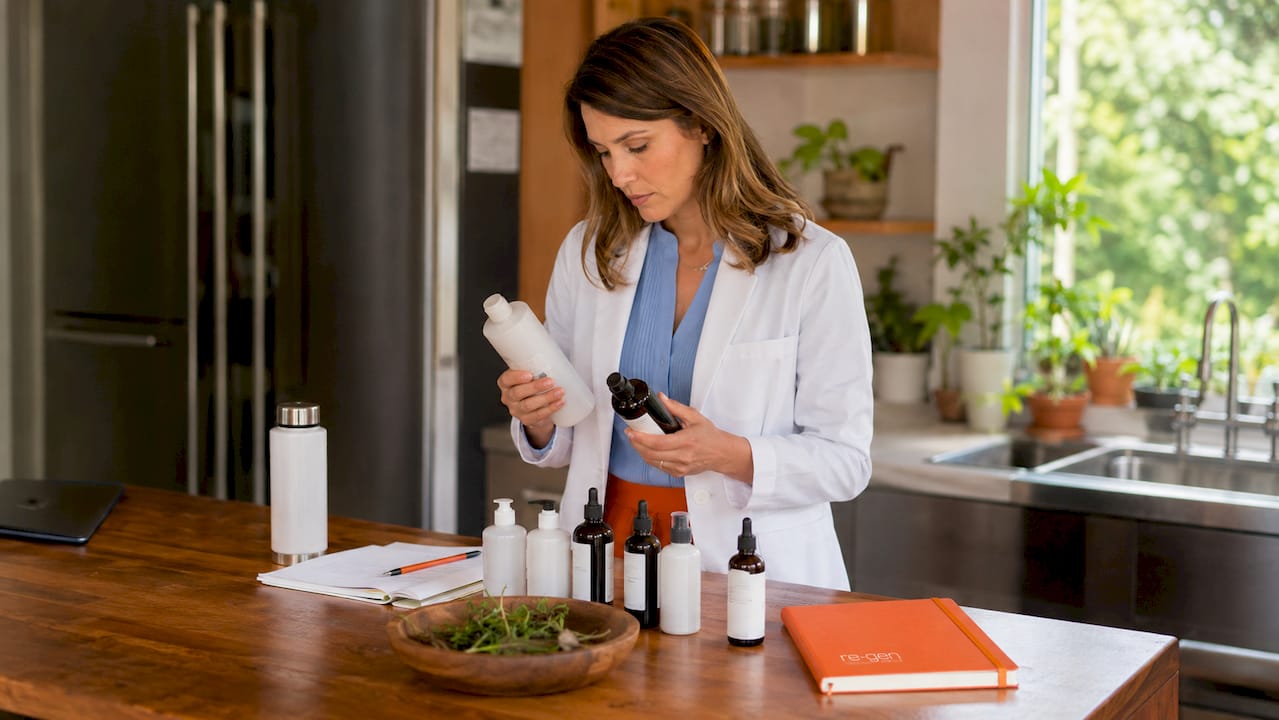
Chemical creams are defined as topical products formulated with synthetic compounds, including parabens, phthalates, synthetic fragrances, and preservatives, that carry measurable risks to skin and systemic health. The case for why avoid chemical creams is grounded in science, not preference. These ingredients penetrate the skin barrier and enter the bloodstream, where they act as endocrine-disrupting chemicals (EDCs), interfering with hormone function even at low doses. The global skin-lightening market reached USD 9.37 billion in 2024, with usage rates as high as 80% in some populations. That scale means millions of people apply potentially harmful compounds to their skin daily.
Why avoid chemical creams: the toxic ingredients inside
The most common harmful ingredients in chemical creams fall into a few well-documented categories. Knowing what they are makes it easier to spot them on a label and understand the risk they carry.
Parabens (methylparaben, propylparaben): Synthetic preservatives that mimic estrogen in the body, disrupting hormonal balance and linked to reproductive health concerns.
Phthalates: Plasticizing agents used to stabilize fragrance. They interfere with testosterone production and have been associated with developmental disorders.
Synthetic fragrances: A single “fragrance” listing can contain dozens of undisclosed chemicals, many of which are known sensitizers and EDCs.
Formaldehyde-releasing preservatives (DMDM hydantoin, quaternium-15): These slowly release formaldehyde, a recognized carcinogen, into the product over time.
Hydroquinone and mercury: Found in skin-lightening products, both carry serious risks including neurotoxicity and organ damage.
Corticosteroids: Strong corticosteroids in skin-lightening creams cause skin atrophy, steroid dependence, and systemic effects including diabetes and osteoporosis.
Chronic exposure to EDCs correlates with metabolic syndrome, obesity, and reproductive challenges in long-term studies. That means the dangers of chemical creams extend well beyond the skin surface.
Pro Tip: Search the Environmental Working Group’s Skin Deep database to check any ingredient in your current products before your next purchase.
The risks of using chemical products also depend on how a cream is formulated. Factors like vehicle composition, surfactants, pH, and occlusion all influence absorption through the skin barrier. A cream with a high-occlusion base drives ingredients deeper into tissue, raising systemic exposure significantly.
How does a damaged skin barrier increase chemical absorption?
The skin barrier is the body’s first line of defense against external chemicals. When that barrier is intact, it limits how much of any topical product enters the bloodstream. When it is compromised, that protection breaks down.
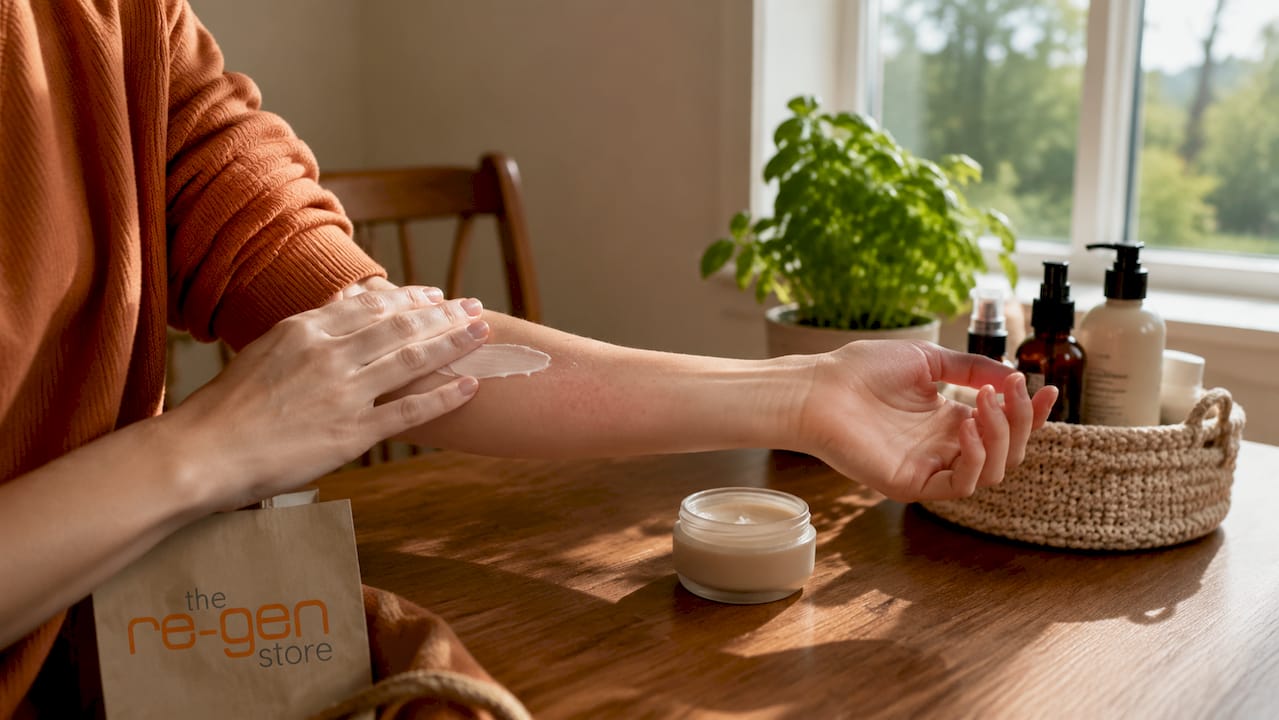
Conditions like atopic dermatitis (eczema), acne, and rosacea all impair the skin barrier. People with these conditions face enhanced systemic absorption of EDCs from topical products. That is the opposite of what most people expect. They reach for a cream to treat their skin condition and unknowingly increase their chemical exposure in the process.
The consequences of this enhanced absorption include:
Worsened inflammation from chemical irritants entering deeper skin layers
Greater hormone disruption from parabens and phthalates reaching systemic circulation
Increased risk of contact dermatitis and sensitization reactions
Accelerated skin thinning from corticosteroid penetration
Pro Tip: If you have eczema, rosacea, or acne, read every ingredient label before applying any topical product. Your skin absorbs more than healthy skin does, so the stakes are higher.
Dermatologists recognize the skin as a living organ and a portal for chemicals that can disrupt endocrine function and impact metabolic and reproductive health. For people with compromised skin, switching to a chemical-free healing approach is not optional. It is a direct health decision.
Are natural skincare products actually safer than synthetic ones?
The answer is nuanced, and it matters. Natural does not automatically mean safe, and synthetic does not automatically mean harmful. The real question is what specific ingredients are present and how they are formulated.
“Choosing skincare is not strictly natural versus synthetic. Understanding ingredients and their effects on skin is the key to safe and effective care.” This principle separates informed consumers from those who rely on marketing labels alone.
Natural ingredients like aloe vera, honey, and green tea polyphenols offer moisturizing, anti-inflammatory, and antioxidant benefits without the risks tied to synthetic EDCs. These are well-studied, with clinical evidence supporting their use for skin recovery and irritation relief.
Ingredient type | Potential benefit | Key risk |
Aloe vera | Soothes inflammation, supports healing | Rare allergic reaction in high concentrations |
Green tea polyphenols | Antioxidant protection, reduces redness | Minimal when properly diluted |
Parabens (synthetic) | Extends shelf life | Hormone disruption, EDC activity |
Synthetic fragrance | Scent masking | Sensitization, undisclosed chemical exposure |
Corticosteroids (synthetic) | Short-term inflammation control | Skin atrophy, systemic effects with prolonged use |
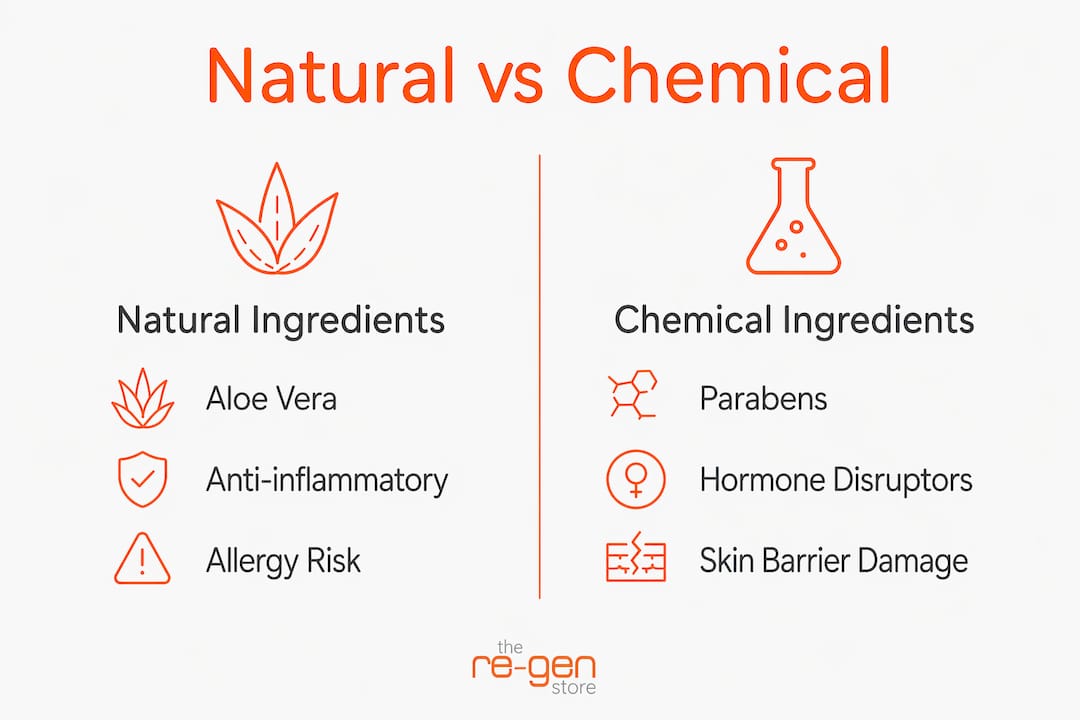
Natural skincare ingredients can cause allergies or sensitization when concentrated improperly. Formulation and testing are what determine safety, not the “natural” label on the front of the package. The natural skincare benefits are real, but they require the same scrutiny you would apply to any other product. Physician-curated guidance, like that offered at evoyouthful skincare, reflects this principle by combining clinical evidence with ingredient transparency.
How to build a chemical-free skincare routine that actually works
Switching away from chemical creams does not require guesswork. A few clear steps make the process straightforward.
Read the full ingredient list. Ingredients are listed in descending order by concentration. If parabens, phthalates, or “fragrance” appear in the first five ingredients, put the product back.
Patch test every new product. Apply a small amount to the inner forearm and wait 24–48 hours before full use. This catches contact allergies before they spread.
Treat “paraben-free” labels with caution. Paraben-free labeling does not guarantee safety. Replacement preservatives can cause allergic contact dermatitis, and some fragrance-free products still contain sensitizing botanical extracts.
Choose minimal ingredient formulas. Fewer ingredients mean fewer opportunities for irritation, especially for sensitive or compromised skin. Look for products with five to ten clearly named ingredients.
Prioritize barrier support. Ingredients like colloidal oatmeal, shea butter, and plant-based oils support the skin barrier without introducing synthetic EDCs.
Use natural alternatives for wound care and irritation. Plant-based ointments formulated without petroleum or synthetic preservatives support healing without the chemical load of conventional first-aid products.
The chemical-free skin treatment steps recommended by dermatology-informed sources consistently emphasize ingredient literacy over brand loyalty. Knowing what you are putting on your skin is the single most protective habit you can build.
Key Takeaways
Avoiding chemical creams protects your skin barrier, reduces systemic EDC exposure, and supports long-term hormonal and metabolic health through ingredient-aware product choices.
Point | Details |
EDCs disrupt hormones | Parabens, phthalates, and synthetic fragrances interfere with hormone function even at low doses. |
Damaged skin absorbs more | Eczema, acne, and rosacea all increase systemic absorption of chemical ingredients. |
Natural requires scrutiny | Natural ingredients can cause allergies when improperly concentrated; formulation determines safety. |
Labels can mislead | Paraben-free and fragrance-free claims do not guarantee a product is free from harmful compounds. |
Minimal formulas reduce risk | Products with fewer, clearly named ingredients carry lower risk for sensitive skin. |
What I’ve learned after years of watching people choose the wrong creams
Most people pick a skincare product based on the front of the package. That is the single biggest mistake I see. The front label is marketing. The ingredient list on the back is the truth.
What surprised me most, looking at the research on EDCs, is how small the doses need to be to cause measurable hormonal effects. People assume that a tiny amount of cream applied once a day cannot do real harm. But these chemicals accumulate. Daily application over months and years adds up to significant systemic exposure, especially for people with skin conditions who absorb more than average.
The shift I have seen in health-conscious consumers is encouraging. More people are asking what is actually in their products, not just what the product claims to do. That is the right instinct. Cellular health and skin health are deeply connected, as research on cellular health and complexion makes clear. Ingredient literacy is not a trend. It is a long-term investment in your health.
— Kyle
Plant-based skin care from Theregenstore
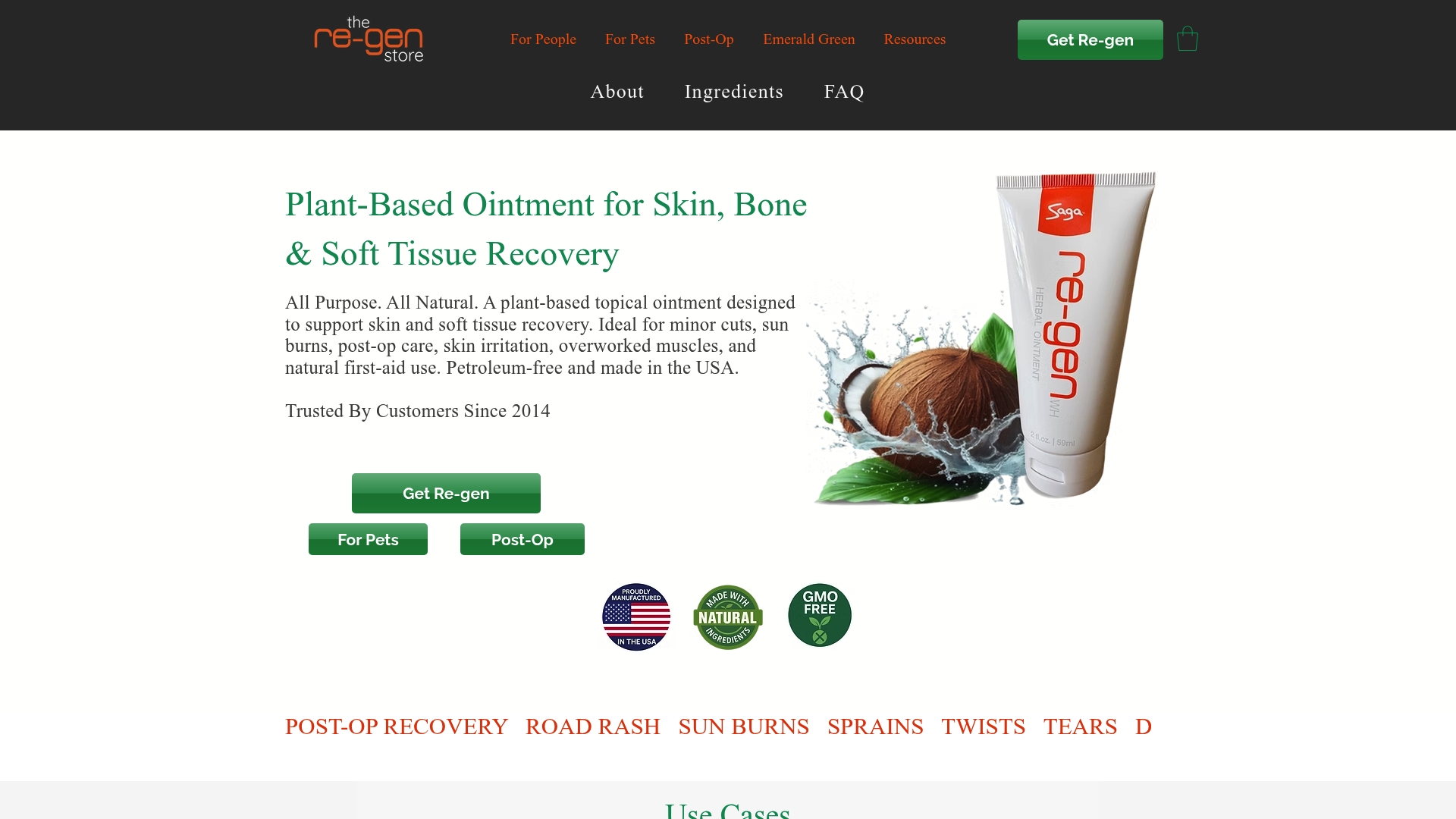
Theregenstore’s Re-gen ointment is formulated without petroleum, synthetic preservatives, or EDC-linked compounds. It is designed for people who want real skin support without the chemical load of conventional products. Re-gen works for cuts, burns, post-operative wounds, and general skin irritation, making it a practical daily alternative to chemical-heavy first-aid creams. If you are ready to move toward a petroleum-free, plant-based approach to skin healing, Theregenstore offers a clear starting point. You can also explore Re-gen as a natural alternative to Neosporin for everyday wound care without synthetic additives.
FAQ
What makes chemical creams harmful to the skin?
Chemical creams often contain endocrine-disrupting chemicals like parabens, phthalates, and synthetic fragrances that penetrate the skin and interfere with hormone function. Long-term exposure correlates with metabolic syndrome, reproductive challenges, and developmental disorders.
Are natural skincare products always safer than chemical ones?
Natural ingredients are not automatically safe. Aloe vera and green tea polyphenols carry strong evidence for skin benefits, but any ingredient can cause sensitization when improperly concentrated or formulated.
Who is most at risk from chemical cream absorption?
People with eczema, acne, or rosacea face the highest risk because impaired skin barriers allow significantly greater systemic absorption of EDCs from topical products.
What should I look for on a skincare label?
Avoid products listing parabens, phthalates, “fragrance,” or formaldehyde-releasing preservatives. Choose products with short, clearly named ingredient lists and no synthetic preservatives.
Can “paraben-free” or “fragrance-free” labels be trusted?
Not entirely. Paraben-free products may use alternative preservatives that cause allergic contact dermatitis, and some fragrance-free products still contain sensitizing botanical extracts. Always read the full ingredient list.
Recommended
Comments