
Herbal Antiseptics: Natural Wound Care Guide for 2026


What are herbal antiseptics and their key phytochemicals?
Herbal antiseptics are plant-derived substances containing phytochemicals such as essential oils, flavonoids, tannins, and alkaloids that inhibit pathogenic microorganisms on living tissue. They work topically, much like synthetic antiseptics, but draw their antimicrobial power from concentrated plant compounds rather than lab-synthesized chemicals. For anyone exploring natural remedies for wound care, these are the substances worth understanding first.
Common plants used as herbal antiseptics include:
Calendula (marigold): anti-inflammatory and antimicrobial, widely used in salves and creams
Tea tree: antimicrobial and antiseptic, supports wound cleansing and tissue healing
Witch hazel: mild astringent antiseptic, soothes skin and refines pores
Chamomile: calming anti-inflammatory with gentle antimicrobial properties
Myrrh: resin-based antiseptic with documented antibacterial activity
Lavender: antimicrobial and analgesic, often combined with tea tree for enhanced effect
Thyme: strong antibacterial and antifungal action from thymol compounds
Each of these plants carries a distinct phytochemical profile. Thyme, for example, gets most of its antibacterial strength from thymol and carvacrol. Calendula relies on flavonoids and triterpenoids. That chemical diversity is exactly what makes herbal remedies for infections so adaptable across different skin conditions.
How herbal antiseptics work and their benefits for wound healing
Herbal antiseptics act on multiple pathogen targets, which makes bacterial resistance far less likely than with single-compound synthetic antibiotics. A synthetic antibiotic typically disrupts one bacterial mechanism. A plant extract like tea tree oil disrupts several simultaneously, giving pathogens fewer escape routes.
Beyond antimicrobial action, well-formulated herbal antiseptics offer:
Anti-inflammatory effects: turmeric and aloe vera reduce swelling and calm irritated tissue
Analgesic properties: lavender and clove ease localized pain at the wound site
Antioxidant activity: flavonoids neutralize free radicals that slow tissue repair
Tissue regeneration support: natural agents like honey and plant extracts actively support new cell growth
Moisture management: honey draws moisture from wounds, creating an environment hostile to bacteria
Clinical evidence: A clinical study on herbal ointments applied to venous leg ulcers found a 42.68% reduction in ulcer surface area after 7 weeks, compared to 35.65% in the control group using standard wound care with topical antibiotics. Bacterial isolates also decreased more in the herbal treatment group.
Honey, particularly Manuka honey, deserves special mention. Its antibacterial activity is partly independent of hydrogen peroxide release, which means it remains effective even after sterilization processes. It also shows activity against antibiotic-resistant bacteria, including MRSA.
Safety considerations and proper use of herbal antiseptics
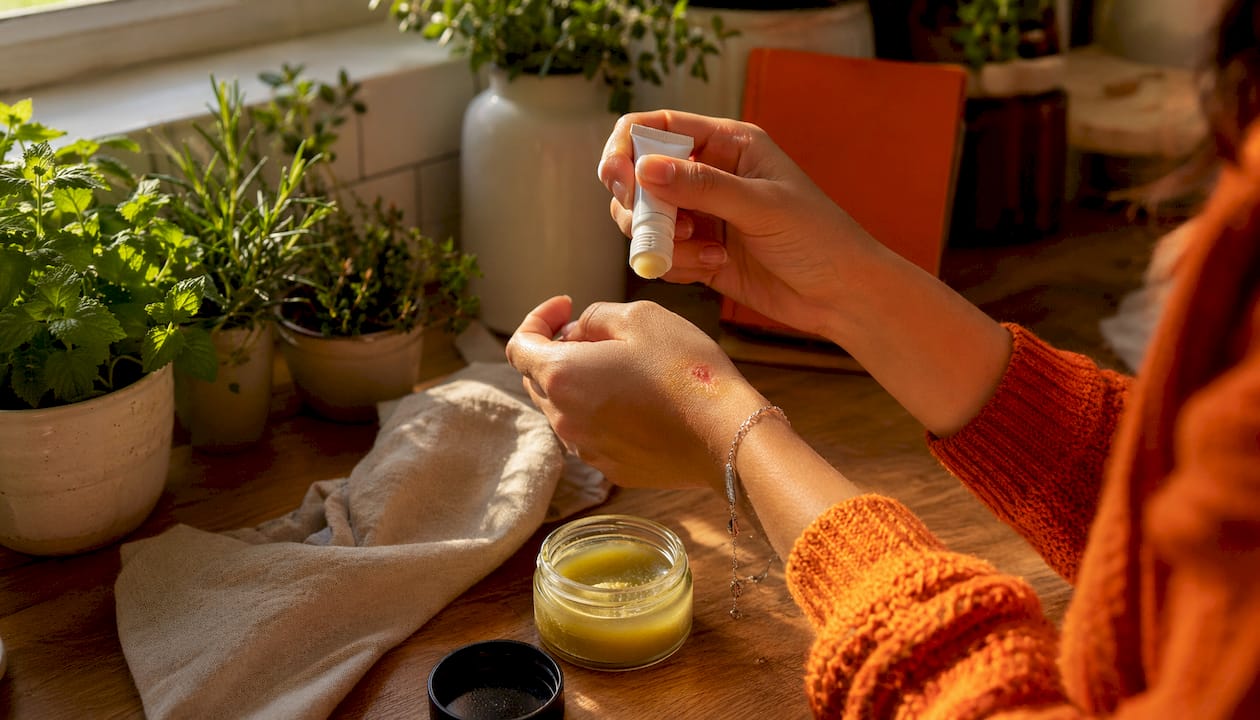
Herbal antiseptics are gentler than most synthetic options, but they still require careful use. Essential oils must be diluted with a carrier oil such as coconut, olive, or jojoba before applying to skin. Undiluted application can cause severe irritation, even with oils as widely trusted as tea tree.
Key safety guidelines to follow:
Always patch-test a new herbal product on a small area before broader application
Dilute essential oils to appropriate concentrations before any topical use
Avoid applying herbal antiseptics to deep puncture wounds or wounds showing signs of serious infection
Do not use tea tree oil on burns
Consult a healthcare professional before using herbal treatments on wounds in people with diabetes or compromised immune function
Herbal antiseptics lack the specificity of synthetic antibiotics and should not replace professional care for deep wounds or serious infections. They are most appropriate for minor cuts, abrasions, and skin irritations where the goal is to prevent infection and support natural healing.
Pro Tip: Ointment and balm formulations keep herbal actives in contact with the skin longer than washes or tinctures, which significantly improves antimicrobial efficacy. If you are choosing between a herbal salve and a liquid rinse for wound care, the ointment will generally outperform.
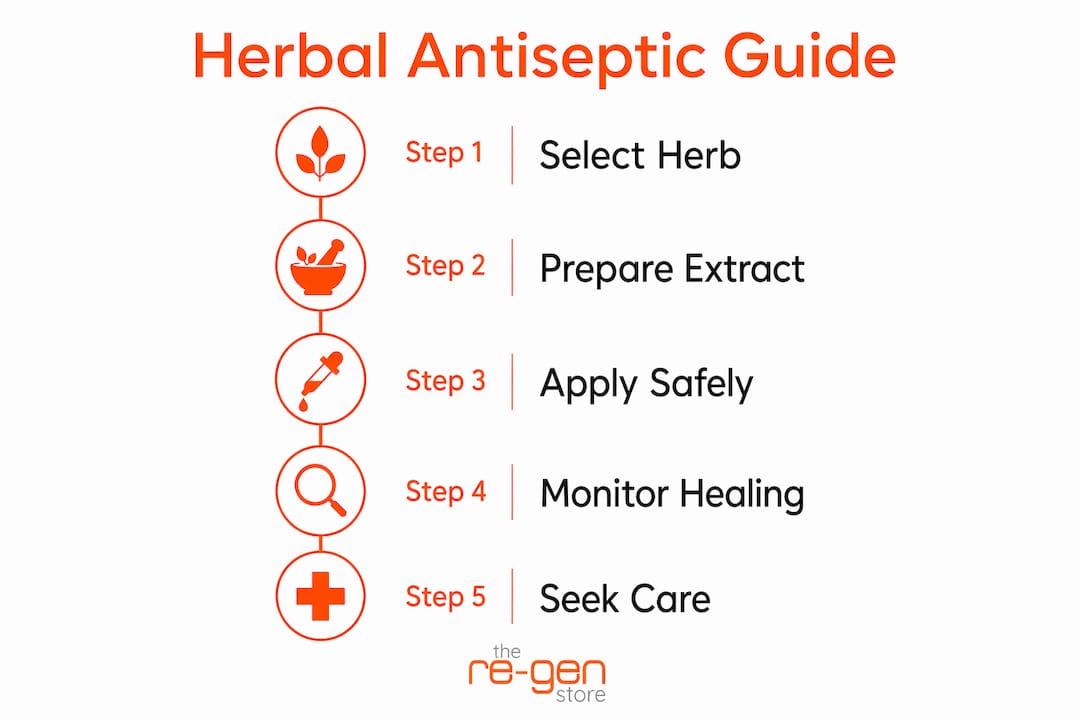
Re-gen: a plant-based herbal antiseptic ointment worth knowing
Re-gen, offered by Theregenstore, is a chemical-free, plant-based ointment formulated to support skin, soft tissue, bone, and muscle recovery. It positions itself as a natural alternative to conventional antibiotic ointments, without petroleum or synthetic preservatives.
The formulation targets multiple recovery needs:
Cuts, abrasions, and minor burns
Post-operative wound support
Sprains and soft tissue injuries
Skin conditions requiring gentle, sustained antimicrobial coverage
Re-gen’s ointment base keeps active herbal ingredients in prolonged contact with the wound site, which aligns with the clinical principle that formulation consistency directly impacts therapeutic efficacy. Theregenstore also makes the ingredient list fully transparent, which matters when you are choosing a product for sensitive skin or for use on children and pets.
Pro Tip: For post-operative or slow-healing wounds, apply Re-gen consistently rather than intermittently. Sustained contact with the skin is what allows the herbal actives to do their work.
Why consider a natural herbal antiseptic alternative?
Choosing plant-based antiseptic solutions over synthetic ones comes down to a few practical advantages that matter in everyday wound care.
No harsh chemicals that strip the skin’s natural moisture barrier
Biodegradable formulas with a lower environmental footprint
Gentler on sensitive skin, including children and people prone to reactions
Multi-action benefits: antimicrobial, anti-inflammatory, and tissue-supportive in one product
Compatible with the skin microbiome rather than disruptive to it
Natural antiseptics like witch hazel, thyme, calendula, tea tree, and lavender are gentler on skin than conventional chemical antiseptics while still delivering real antimicrobial, antibacterial, and antifungal action. That combination of gentleness and efficacy is what drives the growing shift toward herbal wound care in 2026.

Theregenstore’s Re-gen ointment brings these benefits together in a ready-to-use format. You can explore the full plant-based wound treatment range at Theregenstore to find the right option for your needs.
How herbal antiseptics have been used throughout history
Herbal antiseptics predate modern medicine by thousands of years. Ancient Egyptians applied honey and myrrh to wounds as standard wound care. Ayurvedic medicine in India relied on turmeric paste for its antibacterial and anti-inflammatory properties. Indigenous cultures across North America used calendula, yarrow, and plantain leaf topically for cuts and infections long before those plants were studied in laboratories.
The World Health Organization estimates that a large portion of the global population still relies on traditional plant-based medicine as a primary healthcare resource, particularly in regions with limited access to pharmaceutical systems. That long track record does not replace clinical evidence, but it does reflect centuries of observed efficacy across diverse populations and wound types.
Potential side effects and contraindications
Most people tolerate herbal antiseptics well, but reactions do occur. Contact dermatitis is the most common issue, typically triggered by undiluted essential oils or sensitivity to specific plant compounds like those in chamomile or calendula, both members of the Asteraceae family. People with ragweed allergies may react to these plants.
St. John’s wort, sometimes used in wound-healing preparations, can interact with numerous medications and increase photosensitivity. Oral use of essential oils carries additional risks and should only happen under professional guidance. Pregnant women should consult a healthcare provider before using concentrated herbal preparations topically, as some compounds carry absorption risks.
How to source quality herbal antiseptic products
Quality varies widely across herbal products. Look for these markers when choosing:
Third-party testing: independent lab verification of potency and purity
Full ingredient transparency: complete botanical names listed, not just “herbal blend”
Reputable formulation base: ointments and balms from established natural health brands
No synthetic fillers: avoid products that mix herbal actives with petroleum derivatives or artificial preservatives
Clinical or wound care context: products designed specifically for wound care rather than general cosmetic use
Theregenstore publishes a full ingredient list for Re-gen and positions it explicitly for wound and tissue recovery, not general skincare. That specificity of purpose is a useful filter when comparing options. You can also review chemical-free healing remedies to understand how herbal antiseptics compare to conventional first-aid products before making a decision.
Key Takeaways
Herbal antiseptics work by targeting multiple microbial pathways through natural phytochemicals, offering antimicrobial, anti-inflammatory, and tissue-regenerative benefits that synthetic antiseptics rarely combine.
Point | Details |
Multi-target antimicrobial action | Phytochemicals attack several pathogen mechanisms at once, reducing the risk of bacterial resistance. |
Clinical wound healing evidence | A clinical study found a 42.68% reduction in ulcer surface area with herbal treatment versus 35.65% in the control group. |
Formulation matters | Ointments and balms keep herbal actives in contact with skin longer, improving antimicrobial efficacy. |
Dilution is non-negotiable | Essential oils must be diluted with a carrier oil before topical use to prevent skin irritation. |
Re-gen as a ready-made option | Theregenstore’s Re-gen ointment combines plant-based herbal actives in a chemical-free, transparent formula for wound and tissue recovery. |
FAQ
What are herbal antiseptics made from?
Herbal antiseptics are made from plant-derived substances containing phytochemicals such as essential oils, flavonoids, tannins, and alkaloids that inhibit harmful microorganisms on living tissue.
Are natural antiseptics effective for wound healing?
Yes. Clinical studies show herbal treatments can reduce wound surface area and bacterial presence more effectively than standard wound care controls, with one trial recording a 42.68% reduction in ulcer surface after 7 weeks.
Can you use herbal antiseptics on serious infections?
Herbal antiseptics are appropriate for minor wounds and skin irritations, but they should not replace professional medical care for deep wounds, serious infections, or wounds that show no signs of healing.
How do you apply herbal antiseptics safely?
Always dilute essential oils with a carrier oil such as coconut or jojoba before applying to skin, patch-test new products first, and use an ointment or balm formulation for best contact and efficacy.
What is Re-gen and how does it relate to herbal antiseptics?
Re-gen is a plant-based regenerative ointment from Theregenstore formulated with herbal actives to support skin, soft tissue, and wound recovery as a chemical-free alternative to conventional antibiotic ointments.
Recommended
Comments