
The Real Role of Vitamin E in Healing Your Skin

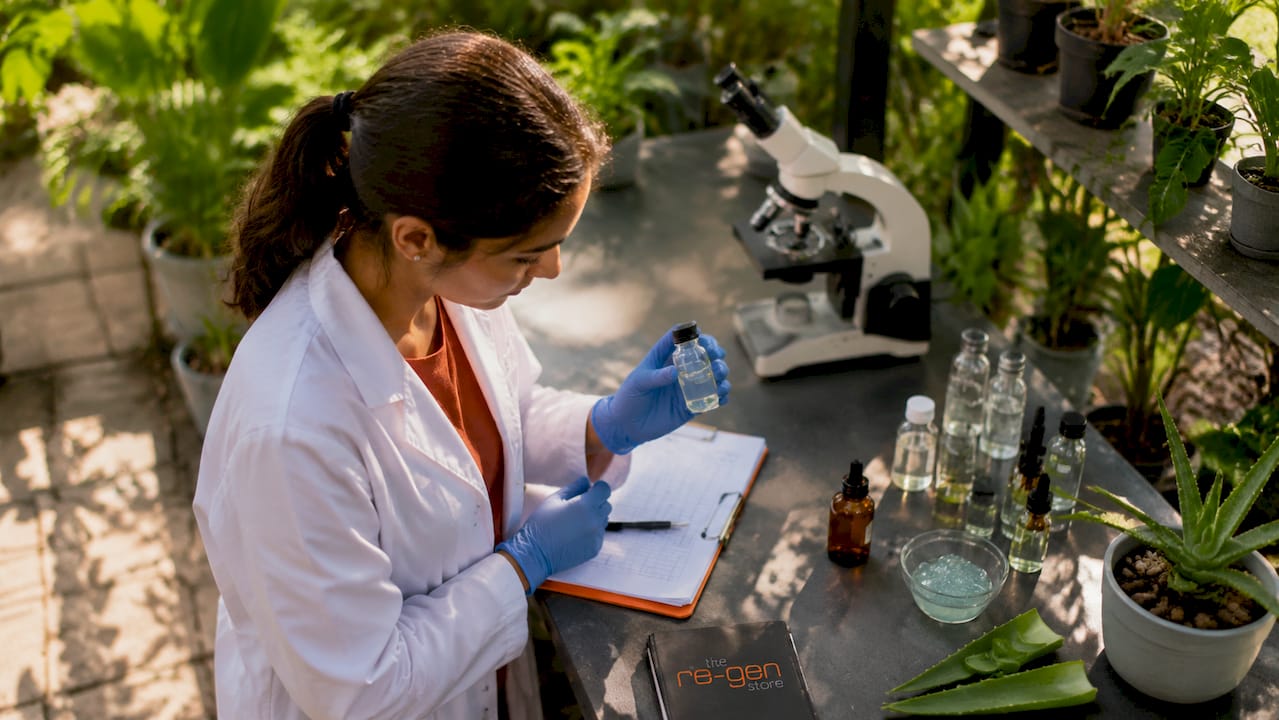
Vitamin E is defined as a fat-soluble antioxidant that protects skin cell membranes from oxidative damage, making it a supportive player in the healing process rather than a primary wound repair agent. The role of vitamin E in healing centers on what happens after a wound closes: it reduces dryness, supports the skin barrier, and helps manage scar comfort. It does not significantly accelerate active wound closure or bone regeneration. Understanding this distinction helps you use vitamin E wisely and avoid common mistakes that can actually slow recovery.
What is the biochemical role of vitamin E in skin healing?
Vitamin E neutralizes reactive oxygen species and free radicals that form during tissue damage. Left unchecked, these molecules break down collagen and damage DNA in skin cells. Vitamin E stops that process by donating electrons to unstable molecules, stabilizing them before they cause further harm.
Its protective work happens specifically in the lipid layer of the skin. Cell membranes are made largely of fats, and vitamin E is fat-soluble, which means it integrates directly into those membranes. This makes it a major physiological barrier antioxidant linked to reduced transepidermal water loss, the process by which skin loses moisture through evaporation.
Vitamin E does not work in isolation. It operates across multiple healing phases and performs best when paired with vitamin C. The two vitamins protect different environments in the skin: vitamin C works in the water-based (aqueous) phase, while vitamin E works in the fat-based (lipid) phase. Together, they provide broader oxidative protection than either can alone.
Vitamin E protects cell membranes from lipid peroxidation
It reduces inflammation-driven oxidative stress during the early healing phase
It supports the stratum corneum, the outermost skin layer responsible for barrier function
It works synergistically with vitamin C for comprehensive antioxidant coverage
Pro Tip: Apply a vitamin E product alongside a vitamin C serum to cover both the lipid and aqueous phases of skin protection. This combination is more effective than using either one alone.
What does clinical research say about vitamin E and wound healing?
The clinical evidence on vitamin E is more cautious than its popular reputation suggests. A 4-week clinical study found that 90% of patients showed no scar improvement after topical vitamin E application, and 33% experienced adverse reactions including redness and irritation. That reaction rate is significant. It means one in three people who apply pure vitamin E oil to healing skin may actually make things worse.
Vitamin E also falls short in bone repair. Research shows no significant bone formation improvement in vitamin E-treated groups in osteoporotic models. This confirms that vitamin E’s healing properties are skin-specific and post-closure in nature, not systemic repair agents.
Healing Context | Vitamin E Effectiveness | Key Consideration |
Active wound closure | Not significant | Does not accelerate re-epithelialization |
Scar appearance (alone) | Limited | 90% of patients showed no improvement |
Bone regeneration | Not effective | No benefit in osteoporotic models |
Skin barrier support | Supportive | Best used after wound has closed |
Scar comfort and dryness | Beneficial | Most effective at 0.5%–5% concentration |
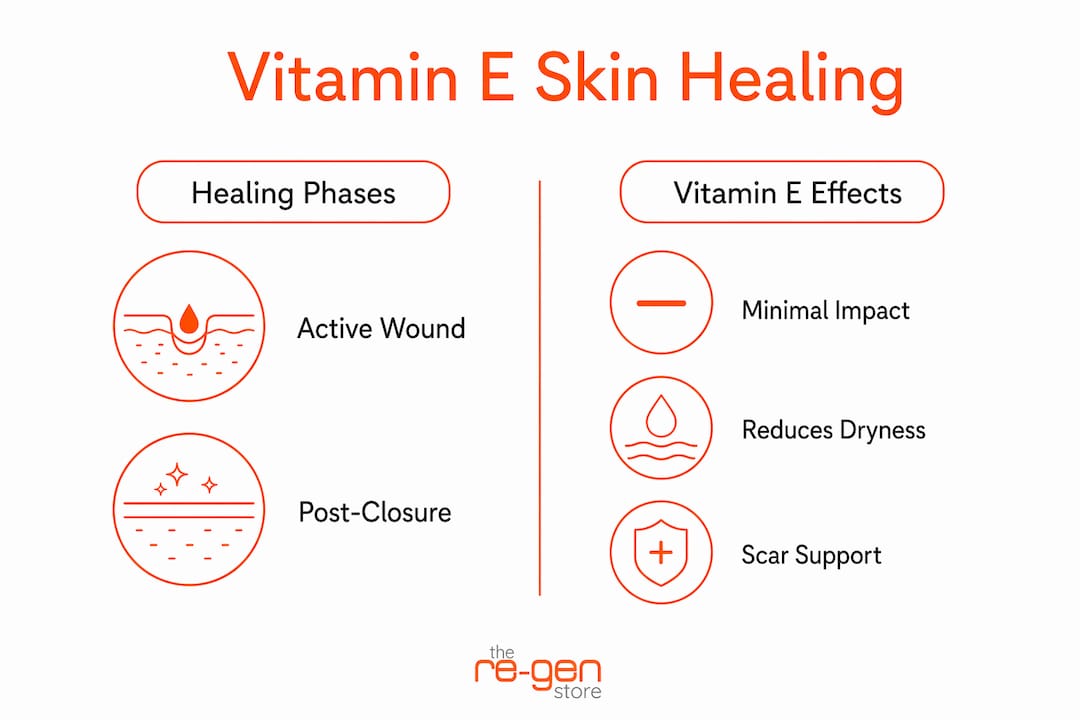
Pro Tip: Avoid applying pure vitamin E oil directly to open or actively healing wounds. Wait until the wound has fully closed before introducing any topical vitamin E product.
How does vitamin E support skin barrier repair and scar management?
Once a wound closes, vitamin E becomes genuinely useful. Topical formulations at 0.5%–5% concentration reduce dryness and itch in healed skin, two of the most common complaints during the later stages of recovery. This is where vitamin E earns its place in a natural healing routine.

Scar management is more nuanced. Vitamin E alone is not enough to meaningfully change scar texture or appearance. However, combining vitamin E with silicone gels produces better scar appearance outcomes than silicone alone. The silicone provides occlusion, locking in moisture and flattening the scar, while vitamin E adds antioxidant support and helps maintain the lipid matrix of the surrounding skin.
For people focused on post-operative wound care, this combination approach is worth knowing. Applying vitamin E as part of a broader skin care routine, rather than as a standalone treatment, produces the most consistent results.
Here is a practical approach for post-closure scar care:
Wait until the wound is fully closed and re-epithelialized before applying any topical vitamin E.
Choose a formulation with 0.5%–5% vitamin E, not pure vitamin E oil, to reduce irritation risk.
Pair vitamin E with an occlusive agent like silicone for better scar texture outcomes.
Apply sunscreen over the area during the day. UV exposure darkens scars and undoes barrier repair work.
Be consistent. Scar remodeling takes months, and short-term use produces minimal results.
Pro Tip: Check ingredient labels for “tocopherol” or “tocopheryl acetate,” the two most common forms of vitamin E in skin care products. Both are effective, but tocopheryl acetate is generally less likely to cause irritation.
How does vitamin E compare to vitamin C for skin healing?
Vitamin C and vitamin E are often grouped together, but they serve different functions in the healing process. Vitamin C plays a stronger role in active wound healing because it is directly required for collagen synthesis. Without adequate vitamin C, the body cannot build the collagen scaffolding that closes wounds and rebuilds tissue. Vitamin E does not have this function.
Vitamin E specializes in lipid-phase protection and skin barrier stability. It reduces transepidermal water loss and protects the structural fats in the skin’s outer layer. This makes it more relevant to the post-closure phase than to active wound repair.
Nutrient | Primary Role | Best Phase | Limitation |
Vitamin C | Collagen synthesis, active wound repair | Active healing | Water-soluble, degrades quickly |
Vitamin E | Lipid protection, barrier support | Post-closure | Not effective alone for scars |
Vitamin C + E combined | Broad antioxidant coverage | Both phases | Requires stable formulation |
For skin health practices focused on recovery, using both vitamins together covers more ground than relying on either alone. The combination improves photoprotection and reduces UV-induced damage more effectively than either vitamin used independently.
Key takeaways
Vitamin E supports healing most effectively after wound closure, not during active tissue repair. Its strongest contributions are antioxidant protection, skin barrier reinforcement, and scar comfort when used in the right concentration and combination.
Point | Details |
Post-closure role | Vitamin E reduces dryness and itch after wounds close, not during active healing. |
Antioxidant function | It neutralizes free radicals in the lipid layer, protecting cell membranes from oxidative damage. |
Scar management | Combine vitamin E with silicone for better scar outcomes; vitamin E alone shows limited results. |
Avoid open wounds | Pure topical vitamin E causes contact dermatitis in 33% of users and can worsen inflammation. |
Pair with vitamin C | Vitamin C and E together cover both aqueous and lipid phases for comprehensive skin protection. |
What I’ve learned about vitamin E after years of watching people heal
People come to natural healing with high hopes for vitamin E. The reputation is enormous, and the reality is more specific. I’ve seen people apply pure vitamin E oil to fresh wounds expecting faster closure, and instead they end up with red, irritated skin that sets recovery back by days.
The science is clear: vitamin E is not a wound accelerator. It is a skin protector. That is a meaningful role, but it requires the right timing and the right formulation. Applying it too early, or in too high a concentration, causes more harm than good. The contact dermatitis risk is real and well-documented.
What actually works is using vitamin E as part of a post-closure routine, paired with occlusives and sunscreen, not as a first-response treatment. For bone healing, vitamin E offers no meaningful benefit, and people should not rely on it for that purpose. Dietary intake covers most vitamin E needs for healthy adults. Supplementation does not enhance healing unless a deficiency is present.
My honest recommendation: treat vitamin E as a skin comfort and barrier support tool. Use it after the wound closes, combine it with vitamin C and silicone, and protect the area from UV exposure. That approach is grounded in evidence and will serve you far better than the myth of vitamin E as a miracle healer.
— Kyle
Natural wound care products that work with your body’s healing process
If you are looking for a plant-based approach to wound care that goes beyond a single ingredient, Theregenstore offers Re-gen, a petroleum-free ointment formulated to support skin and soft tissue recovery at every stage.
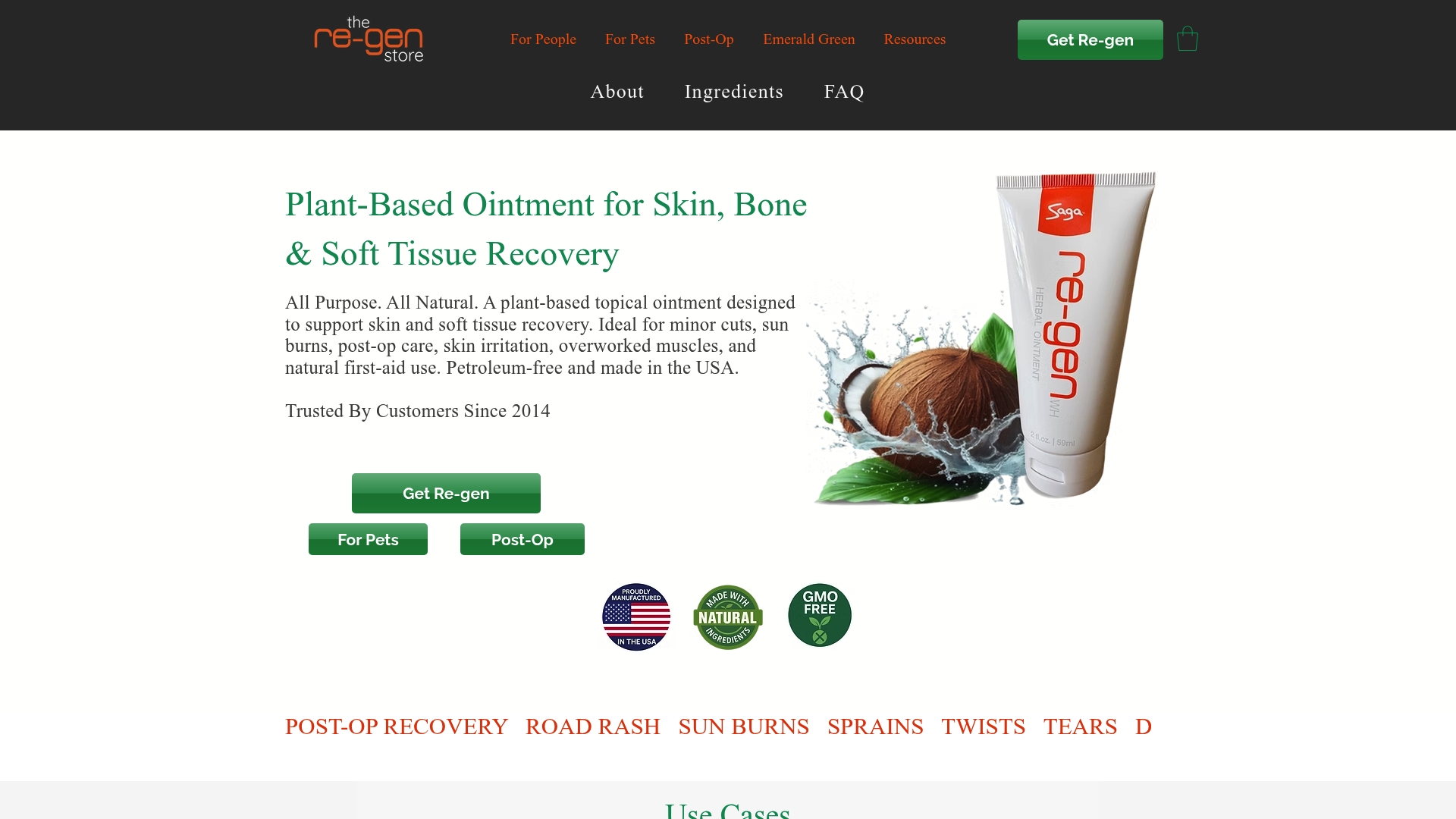
Re-gen is designed for people who want natural, chemical-free wound care without the irritation risks that come with conventional products. It works as a natural alternative to Neosporin and supports the kind of post-closure skin recovery that vitamin E alone cannot deliver. For those focused on speeding up wound healing naturally, Re-gen pairs well with a thoughtful post-closure skin care routine that includes antioxidant support, occlusion, and sun protection.
FAQ
Does vitamin E actually help wounds heal faster?
Vitamin E does not significantly accelerate active wound closure. Clinical studies show no meaningful improvement in wound healing speed with topical vitamin E, and it performs best as a post-closure skin barrier and comfort support.
Can I apply vitamin E oil directly to a healing wound?
Applying pure vitamin E oil to an open or actively healing wound is not recommended. It causes contact dermatitis in 33% of users, which can worsen inflammation and delay recovery.
What concentration of vitamin E is safe for scar care?
Topical formulations at 0.5%–5% vitamin E are standard for scar care and post-closure skin support. Pure vitamin E oil far exceeds this range and carries a higher irritation risk.
Does vitamin E help with bone healing?
Research shows vitamin E does not improve bone regeneration. Studies in osteoporotic models found no significant bone formation benefit in vitamin E-treated groups.
Should I take vitamin E supplements to heal faster?
Supplementation does not enhance healing unless you have a confirmed vitamin E deficiency. Adequate dietary intake from foods like almonds, sunflower seeds, and spinach covers most adults’ needs without additional supplementation.
Recommended
Comments