
Road Rash Treatment: What to Do Right Now

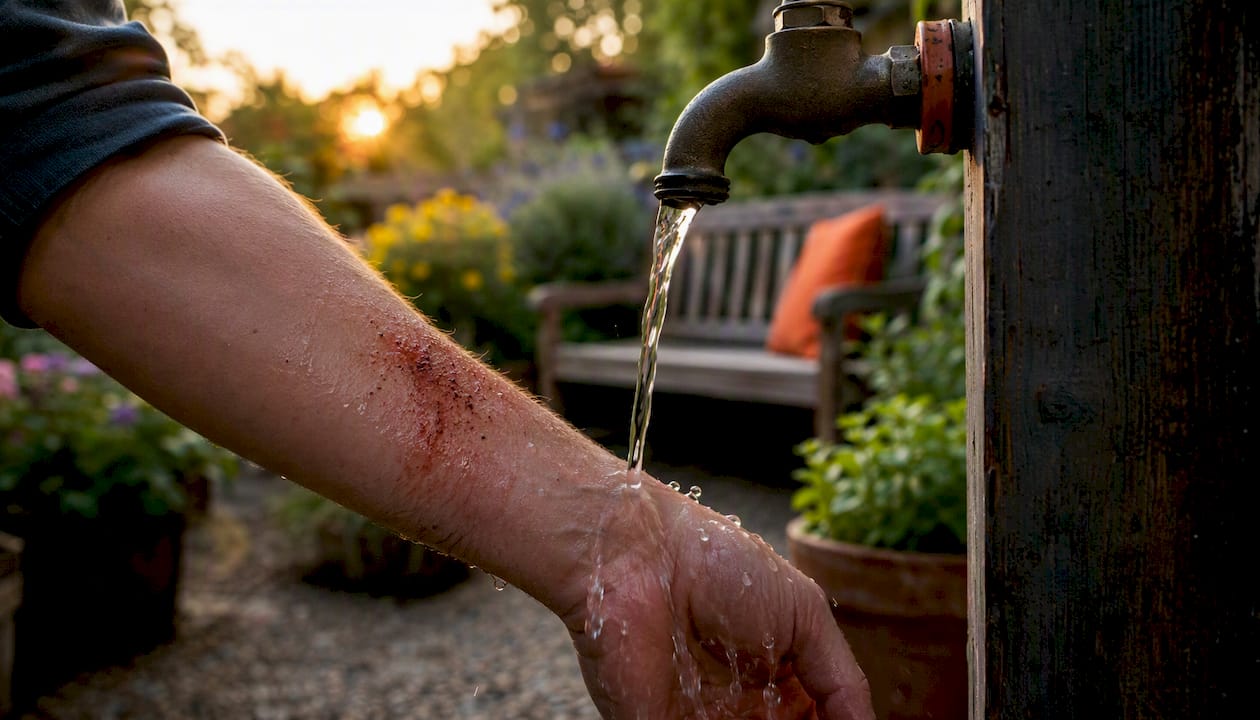
Run the wound under clean, cool water, remove visible debris, and cover it loosely — then get medical care if the wound is larger than your palm, located on your face, hands, feet, or genitals, or if bleeding won’t stop.
Here are the first steps to take immediately:
Apply gentle pressure with a clean cloth to slow any bleeding.
Rinse the wound under cool, clean water for several minutes.
Remove visible grit with clean tweezers under good lighting.
Pat the area dry with a sterile gauze pad.
Apply a thin layer of antibiotic or plant-based ointment, then cover loosely.
Seek emergency care immediately if you notice:
A wound larger than the palm of your hand (the palm-size rule is a reliable triage threshold)
Visible bone, tendon, or deep tissue
Uncontrolled bleeding after 10 minutes of pressure
Large or deeply embedded debris you cannot safely remove
Wounds on the face, hands, feet, genitals, or directly over a joint
Signs of other trauma such as suspected fracture or head injury
Pro Tip: After rinsing, use clean fine-tipped tweezers in good light to lift out small pieces of grit. Work gently and stop if debris is deep — that requires professional removal.
For pain, take acetaminophen (Tylenol) right away. If you suspect a fracture or surgery may be needed, avoid NSAIDs until a clinician clears you.
Key Takeaways
Effective road rash treatment requires immediate rinsing, daily moist wound care, and a clear plan for when to escalate to professional care.
Point | Details |
Rinse immediately | Run cool, clean water over the wound for 5–10 minutes to reduce infection risk and prevent traumatic tattooing. |
Use the palm-size rule | Wounds larger than your palm, or on the face, hands, feet, or genitals, need professional evaluation. |
Avoid hydrogen peroxide | It damages tissue and slows healing; use mild soap and water instead for all wound cleaning. |
Most wounds heal in ~2 weeks | Superficial road rash typically closes within about two weeks with consistent daily wound care. |
Re-gen as a topical option | Theregenstore’s plant-based Re-gen ointment supports moist wound healing without petroleum or synthetic chemicals. |
Table of Contents
What road rash is and how deep it can go
Road rash is a friction abrasion — sometimes called a friction burn — caused when skin slides across a rough surface. The depth of the injury determines everything: how much it hurts, how long it takes to heal, and whether you need professional care.
Three levels of severity:
Superficial (first-degree): Only the outer skin layer (epidermis) is affected. The skin looks red and raw, may ooze slightly, and stings on contact. These heal quickly with basic care.
Partial-thickness (second-degree): The injury reaches into the dermis. You’ll see blistering, more significant oozing, and deeper pain. Infection risk rises considerably at this level.
Full-thickness (third-degree): All skin layers are damaged, sometimes exposing fat or deeper tissue. The wound may appear pale or waxy and feel numb. This always requires professional treatment, often including debridement or skin grafting.
Common causes include cycling falls, motorcycle accidents, skateboarding wipeouts, and running stumbles on pavement or gravel.
Most road rash heals within about two weeks with consistent wound care, though deeper injuries take longer and may need surgical intervention.
What symptoms to expect and complications to watch for
Normal healing follows a predictable pattern. In the first 24–48 hours, expect pain, redness, and some oozing. Over the following days, a scab forms and the skin around the wound may feel tight or itchy. That itchiness is a sign of new tissue forming, not infection.
Normal healing signs:
Mild to moderate pain that gradually decreases
Clear or slightly yellow oozing in the first day or two
Scab formation by day 3–5
Itching and skin tightness as new skin grows in
Complications to watch for:
Infection (cellulitis or abscess): Spreading redness, warmth, swelling, pus, or foul odor
Traumatic tattooing: Permanent discoloration from debris embedded in the skin that wasn’t removed early enough
Hypertrophic scarring: Raised, thickened scar tissue, more common in deeper wounds
Sensory changes: Numbness or altered sensation in the healed area, particularly after deeper injuries
Tetanus bacteria thrive in contaminated wounds. If your last tetanus booster was more than five years ago and the wound is deep or heavily contaminated, contact a clinician about a booster. Routine tetanus status checks are a standard part of abrasion care.
Pro Tip: Take a photo of the wound on day one. Comparing it to photos on days three and five is the fastest way to spot spreading redness or worsening that warrants a clinic visit.
How clinicians assess road rash and when you should see one
A clinician evaluating road rash checks wound depth visually, searches for embedded debris, assesses whether other injuries (like fractures) are present, and confirms your tetanus status. That assessment takes minutes but shapes the entire treatment plan.
Red flags that warrant professional evaluation:
Wound larger than the palm of your hand
Location on the face, hands, feet, genitals, or over a joint
Debris you cannot remove after gentle rinsing
Bleeding that won’t slow after 10 minutes of direct pressure
Suspected fracture or other trauma
Signs of infection at any stage
What to expect at a clinic:
Visual depth assessment and wound measurement
Irrigation and mechanical debridement (removal of embedded debris)
Evaluation for fractures or other injuries
Tetanus booster if indicated
Possible sutures, skin grafting referral, or prescription antibiotics
Pro Tip: If the wound involves significant depth, extensive contamination, or is on the face, ask for a referral to a burn specialist or plastic surgeon early. Earlier referral consistently leads to better cosmetic and functional outcomes.
Burn specialists and wound clinics can meaningfully improve outcomes for deeper abrasions and burns; early referral is worth requesting when the wound is extensive or heavily contaminated.
Step-by-step first aid for road rash
Act quickly. The first 30–60 minutes after injury set the stage for how cleanly the wound heals.
Immediate steps:
Stop major bleeding. Apply firm, direct pressure with a clean cloth or sterile gauze. Hold for at least 5–10 minutes without lifting to check.
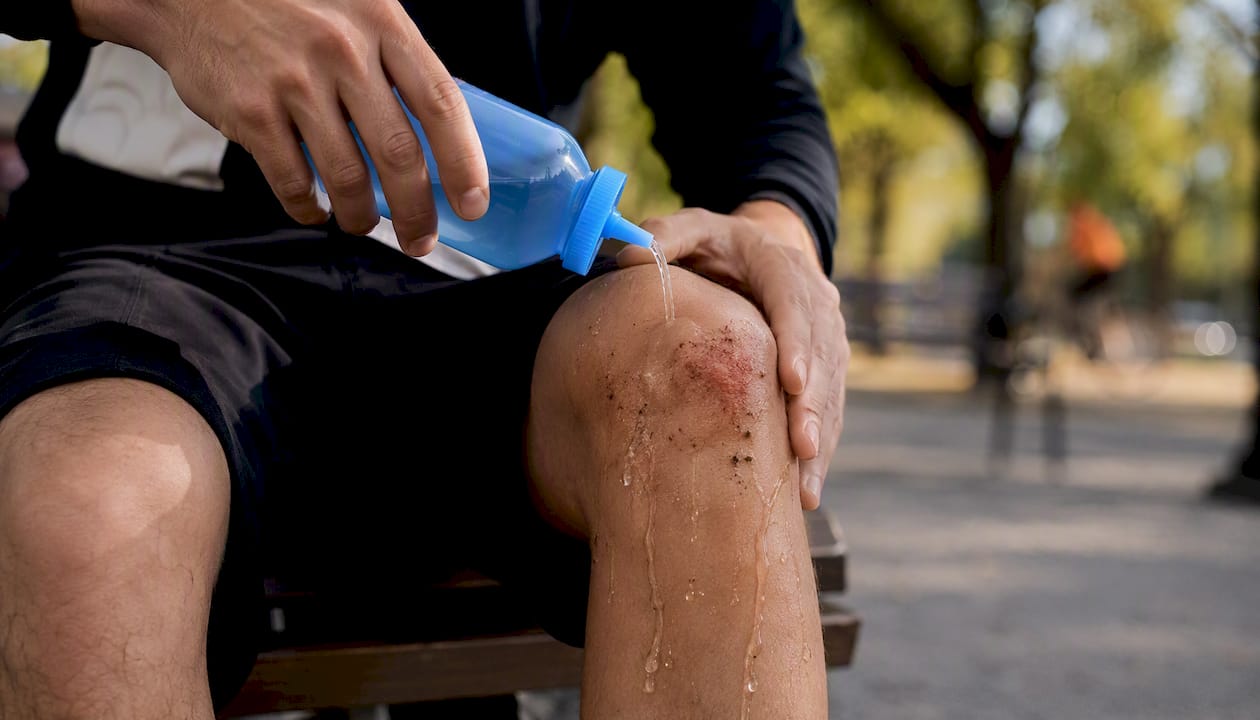
Rinse thoroughly. Run cool, clean water over the wound for 5–10 minutes. This is the single most important step for reducing infection risk and preventing traumatic tattooing.
Remove visible debris. After rinsing, use clean fine-tipped tweezers to gently lift out surface grit. Work in good lighting.
Pat dry. Use a clean gauze pad or cloth. Don’t rub.
Apply a thin layer of ointment. Bacitracin or a plant-based regenerative ointment works well here. Avoid triple-antibiotic ointments if you have sensitive skin (more on this below).
Cover loosely. Use a non-stick sterile dressing or clean cloth. Avoid wrapping tightly.
What to use:
Cool, clean water (tap water is fine for rinsing)
Mild soap for gentle cleaning after the initial rinse
Sterile gauze pads
Non-stick dressing or plastic wrap as a temporary cover if nothing else is available
What to avoid on open wounds:
Hydrogen peroxide (damages tissue and slows healing)
Rubbing alcohol or strong antiseptics
Iodine solutions unless specifically directed by a clinician
Pro Tip: If you’re on-scene and have no supplies, a clean water bottle works for rinsing. Improvise a cover from a clean shirt until you can get proper dressings.
Do not attempt to remove large, deeply embedded objects. Pulling them out can cause additional bleeding or damage. Get to a clinic.
How to clean and dress road rash during the healing period
Consistent daily care is what separates a clean, fast-healing wound from one that gets infected or scars badly. The core rule: keep the wound clean and slightly moist, and change the dressing at least once daily.
Daily wound care routine:
Wash your hands thoroughly before touching the wound.
Remove the old dressing. Dry removal is generally preferred in outpatient care because it helps lift dead tissue; if the dressing sticks, moisten it slightly with saline or clean water before pulling.
Gently wash the wound with mild antibacterial soap or plain water. Don’t scrub.
Pat dry with sterile gauze.
Apply a thin layer of bacitracin or a plant-based ointment to keep the surface moist.
Cover with a fresh non-stick dressing.
Moisturize the surrounding healed skin with an alcohol-free lotion to prevent cracking.
Dressing options by wound type:
Sterile gauze with a non-stick layer: Good for most superficial wounds; affordable and widely available.
Semipermeable film dressings (e.g., Tegaderm): Maintain a moist environment, allow oxygen exchange, and protect against contamination. Well-suited for clean, low-exudate wounds.
Hydrocolloid dressings: Better for wounds with moderate oozing; create a gel-like barrier that supports healing. Change less frequently than gauze.
Topical agents: what to use and what to watch for:
Bacitracin: Effective single-antibiotic option with a lower allergy risk than triple-antibiotic formulas.
Plant-based regenerative ointments: Petroleum-free alternatives that support a moist healing environment without synthetic chemicals. A practical option for health-conscious users who prefer healing without harsh chemicals.
Neosporin (triple-antibiotic): Effective but carries a real risk of allergic contact dermatitis in some people. Watch for new redness or itching after the first application.
Hydrogen peroxide or povidone-iodine: Avoid on open wounds unless a clinician specifically directs you to use them. Both can damage tissue and delay healing.
Retained debris causes traumatic tattooing — a permanent cosmetic problem. Early, thorough cleaning is the only reliable way to prevent it.
Pro Tip: Once the skin around the wound has sealed, apply an alcohol-free moisturizer to that border skin daily. It prevents the tight, cracked edges that can reopen a nearly healed wound.
Some abrasions respond well to semipermeable film dressings or adjunct topical options like medical-grade honey, depending on wound depth and exudate level. Ask your clinician which type fits your wound.
Safe pain control for road rash
Acetaminophen (Tylenol) or NSAIDs like ibuprofen (Advil, Motrin) or naproxen (Aleve) are the standard first-line options for road rash pain. Which you choose depends on your medical history and the nature of the injury.
OTC pain options:
Acetaminophen: Safe for most people; doesn’t affect bleeding or wound healing. A good default choice.
Ibuprofen or naproxen: Reduce both pain and inflammation, which can be helpful in the first 48 hours. Avoid if you have a possible fracture, kidney concerns, or if surgery may be needed.
Non-drug strategies that help:
Apply a cold pack wrapped in a thin cloth for 10–15 minutes at a time to reduce swelling and numb the area. Never place ice directly on an open wound.
Elevate the injured limb when resting to reduce throbbing.
Choose a well-padded, non-adherent dressing to minimize contact pain between changes.
Pro Tip: If dressing changes are painful, take your pain reliever 30–45 minutes before you plan to change the bandage. It makes the process noticeably more comfortable.
For pain management guidance, reputable institutions recommend acetaminophen, ibuprofen, or naproxen — but always consult a clinician before using NSAIDs if fractures or surgery are a possibility.
How to detect infection and know when to follow up
See a clinician promptly if you notice spreading redness, pus, increasing warmth, fever, or worsening pain. These signs suggest infection, and waiting even a day or two can allow it to progress.
Signs of wound infection:
Redness spreading beyond the wound edges
Swelling that worsens after the first 48 hours
Pus or cloudy discharge
Foul odor from the wound
Fever above 100.4°F
Pain that increases rather than decreases over time
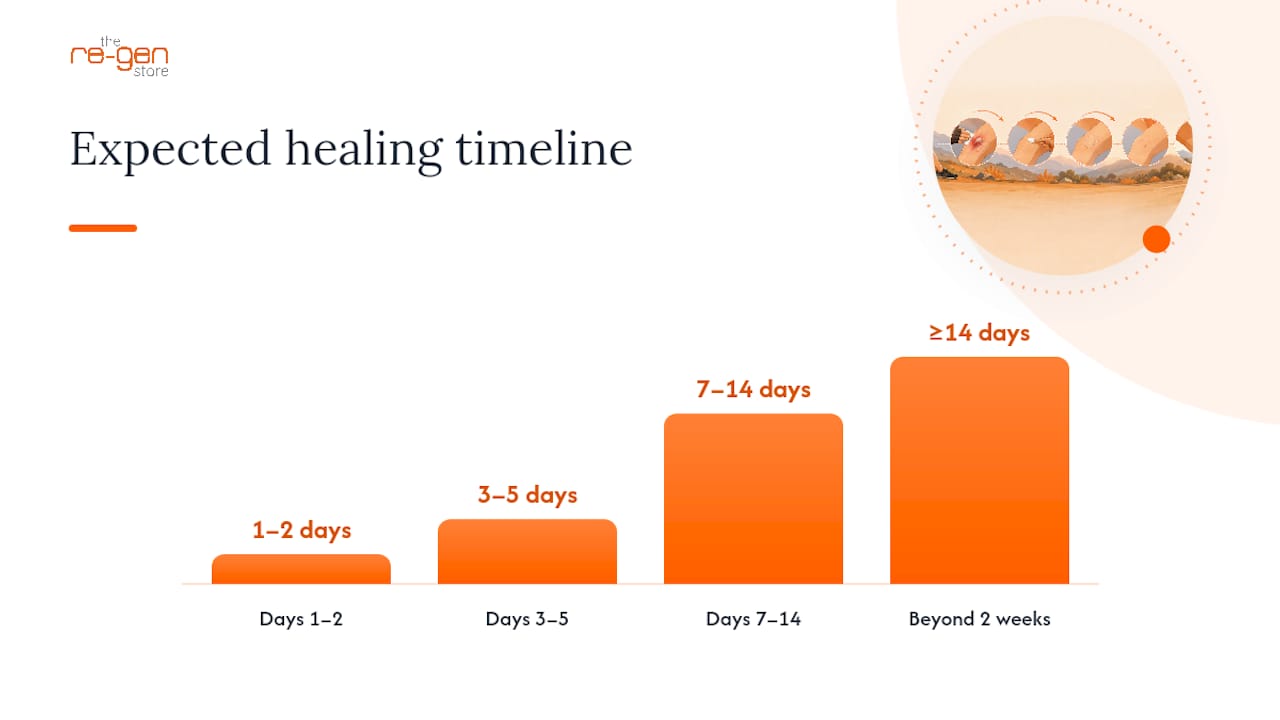
Expected healing timeline:
Days 1–2: Redness, oozing, and pain are normal. Keep the wound clean and covered.
Days 3–5: Scab begins to form; oozing decreases. Itching may start.
Days 7–14: For superficial wounds, significant closure and new skin formation. Most road rash heals within about two weeks with good care.
Beyond 2 weeks: If the wound is still open or worsening, it likely involves deeper tissue and needs professional evaluation.
When to seek care:
Within 48–72 hours: If redness is spreading, pain is increasing, or discharge is cloudy.
Immediately: If you develop fever, chills, red streaks extending from the wound, or feel systemically unwell.
For confirmed infection, clinicians may take wound cultures, prescribe oral antibiotics, drain any abscess, or debride non-healing tissue. Tetanus booster status is also reassessed at this visit.
Pro Tip: Red streaks extending from a wound toward the body are a sign of lymphangitis — a serious infection that needs same-day emergency care, not a wait-and-see approach.
How to support healing and reduce scarring after the wound closes
Once the wound has closed, the focus shifts to protecting new skin and minimizing scar formation. The skin is fragile at this stage and needs consistent care for several more weeks.
Scar-minimizing practices:
Keep the area moisturized daily with an alcohol-free lotion. Alcohol-free moisturizers help manage post-healing dryness and itching and protect newly formed skin.
Avoid picking scabs. Clinicians consistently advise leaving scabs intact while underlying tissue rebuilds.
Protect the healed area from sun exposure. UV light darkens new scars. Apply SPF 30 or higher daily once the skin has sealed.
Consider silicone sheets or silicone gel for raised or thickened scars. These are among the most evidence-supported topical scar treatments available without a prescription.
Gentle massage of the healed scar (once fully closed) can soften tissue and improve flexibility over time.
Topical options for the post-closure phase:
Petroleum jelly: Creates a barrier and retains moisture; widely available and inexpensive.
Plant-based regenerative ointments: Petroleum-free options that support skin recovery without synthetic additives. See how Re-gen compares to petroleum jelly for a side-by-side look at the differences.
Silicone-based products: Best evidence for reducing hypertrophic scar formation; most effective when used consistently for 8–12 weeks.
Pro Tip: If a scar remains raised, firm, or restricts movement after three months of home care, ask for a referral to a dermatologist or plastic surgeon. Early intervention with steroid injections or laser therapy produces better results than waiting.
For additional guidance on soothing skin irritation naturally during the recovery phase, consistent moisturizing and avoiding harsh products are the two most reliable steps.
Practical prevention strategies for cyclists, motorcyclists, and runners
The best road rash treatment is the one you never need. Protective gear dramatically reduces both the likelihood and severity of abrasion injuries.
Gear and clothing recommendations:
Wear durable, abrasion-resistant pants and long sleeves when cycling or riding. Denim offers minimal protection; purpose-built riding pants with reinforced panels are significantly more effective.
Always wear gloves. Hands instinctively reach out during a fall, making them one of the most common injury sites.
Use elbow and knee pads for skateboarding, mountain biking, or any high-fall-risk activity.
Wear a properly fitted helmet. It doesn’t prevent road rash directly, but it reduces the severity of head trauma that often accompanies the same fall.
Runners on gravel or uneven surfaces benefit from long compression sleeves on the arms and knees.
Behavior tips:
Ride defensively and scan the surface ahead for loose gravel, wet patches, or debris.
Maintain your bike or skateboard regularly. Worn tires and loose components increase fall risk.
Inspect and replace protective gear on a regular schedule. Padding degrades over time, and a helmet that has absorbed one impact offers reduced protection in the next.
Pro Tip: Lightweight abrasion-resistant base layers made from materials like Dyneema or Kevlar-blend fabric offer real protection without the bulk of traditional riding gear — a practical option for warm-weather riding when heavy pants aren’t comfortable.
Common mistakes that slow healing and the clinical evidence behind better choices
The most widespread mistake in road rash care is reaching for hydrogen peroxide or a strong antiseptic because it “feels like it’s cleaning.” It isn’t. Both damage the new tissue cells your body is working to build, and both slow the healing process.
Three common mistakes and what to do instead:
Using hydrogen peroxide or iodine: These kill bacteria but also kill healthy cells. Plain water or mild soap is the evidence-backed choice for cleaning open abrasions.
Leaving wounds uncovered: Exposed wounds dry out, form hard scabs that crack, and are more vulnerable to contamination. A moist, covered wound heals faster and with less scarring.
Delaying debris removal: Every hour that grit stays embedded increases the risk of traumatic tattooing. Thorough early irrigation and mechanical removal of visible debris are the only reliable prevention for this permanent cosmetic outcome.
“Avoid hydrogen peroxide and strong antiseptics for open abrasions — they irritate tissue and delay healing. Rinse with water and mild soap instead.” This guidance reflects the clinical consensus from sources including Medical News Today’s clinical review of road rash treatment.
The palm-size rule is a practical triage tool: if the wound covers an area larger than your palm, it likely needs professional evaluation rather than home treatment alone. This threshold, cited by the Cleveland Clinic, gives you a concrete, no-guesswork standard for when to escalate care.
Pro Tip: If you’re unsure whether a wound is clean after rinsing, shine a flashlight at an angle across the surface. Embedded grit catches the light and becomes visible in a way that’s easy to miss under overhead lighting.
What a clinician wants you to have done before you arrive
Providers can work faster and more effectively when patients arrive with basic care already done. The ideal scenario: the wound is rinsed, covered, and bleeding is controlled. That’s it. You don’t need to have done anything more.
What a clinician checks at your visit:
Wound depth and size (including whether it exceeds palm size)
Presence of embedded debris
Signs of infection or other trauma
Tetanus immunization history
Any medications already applied to the wound
How to make your clinic visit more effective:
Bring a photo of the wound taken immediately after injury. It helps the clinician assess how much it has changed.
Know your tetanus booster date, or bring your vaccination record if you have it.
Note any topical products you’ve already applied and when.
Describe the surface that caused the injury (gravel, pavement, dirt) so the clinician can assess contamination risk.
Mention any allergies, especially to antibiotics or adhesives.
Pro Tip: Tell the triage nurse the exact time of injury and the surface involved. This information directly affects how urgently the wound needs debridement and whether a tetanus booster is indicated.
Escalation to specialty care is likely when the wound involves significant depth, is located on the face or hands, shows signs of infection that don’t respond to initial antibiotics, or results in functional restriction from scar tissue.
Re-gen from Theregenstore: a plant-based option for road rash care
The core principle of good road rash care is keeping the wound clean and slightly moist. Re-gen, Theregenstore’s plant-based regenerative ointment, fits directly into that principle as a petroleum-free, chemical-free alternative to conventional antibiotic ointments.
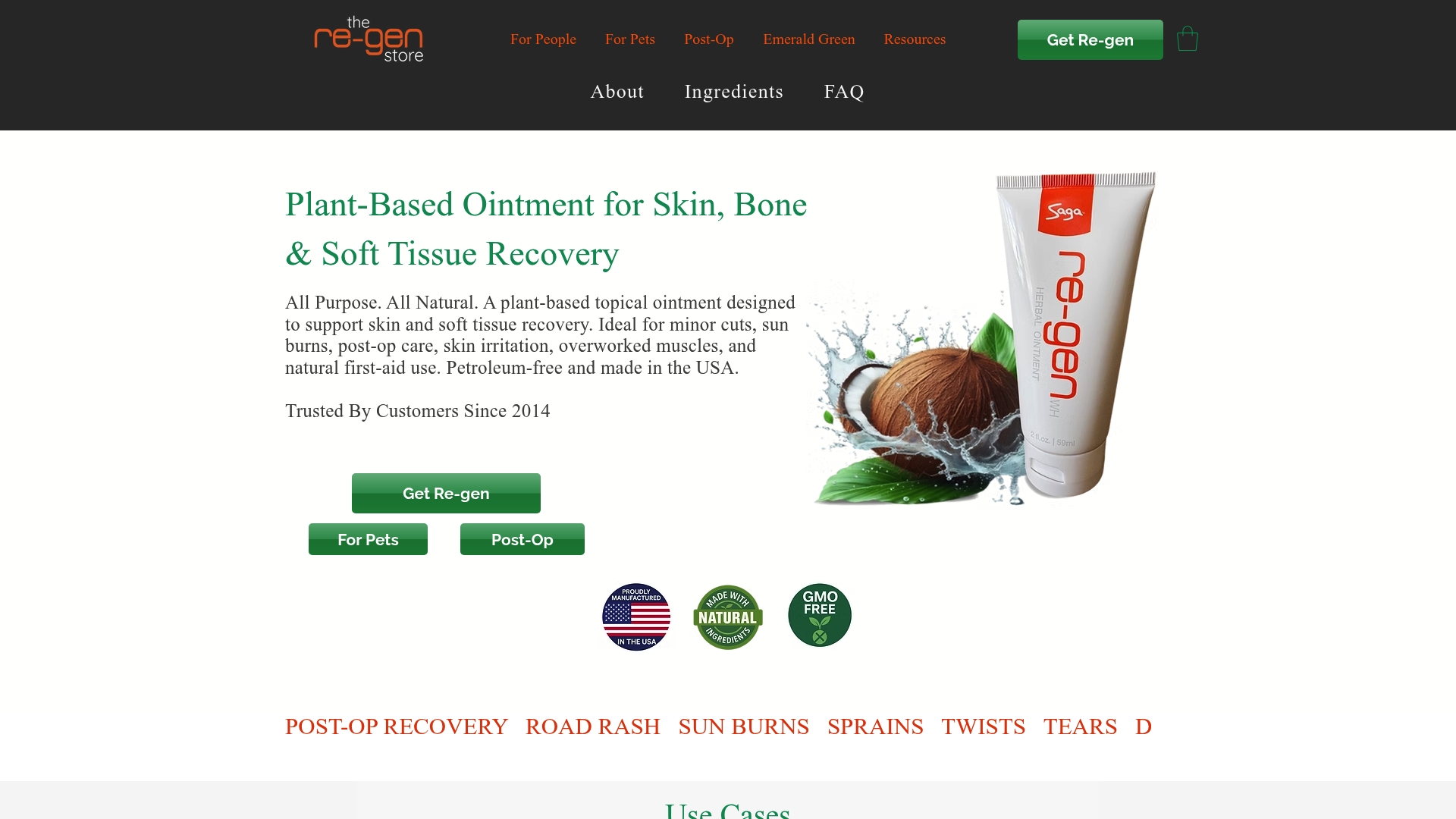
Re-gen is formulated from plant-based ingredients and contains no petroleum, synthetic preservatives, or harsh chemicals. It’s designed to support skin and soft tissue recovery, making it a practical option for the daily dressing routine described in this guide. Apply a thin layer to a clean, dry wound before covering with a non-stick dressing, and change the dressing at least once daily.
A note on safety: Re-gen supports the healing environment but is not a substitute for professional care when wounds are deep, heavily contaminated, or showing signs of infection. Check for plant-based ingredient allergies before first use, and address tetanus status separately with a clinician.
For readers who want a petroleum-free wound treatment that aligns with evidence-based moist wound care, Re-gen is available directly at Theregenstore. You can also explore the Re-gen plant-based regenerative ointment product page for full ingredient details, sizing options, and usage guidelines.
Sources
These clinical and health references provide additional depth on specific aspects of road rash care:
FAQ
What is the fastest way to heal road rash?
Rinse the wound immediately with clean water, keep it covered and slightly moist with a non-stick dressing and a thin layer of ointment, and change the dressing daily. Moist wound environments consistently heal faster than dry, uncovered wounds.
Is it okay to leave road rash uncovered?
No. Leaving road rash uncovered allows the wound to dry out, increases contamination risk, and promotes hard scab formation that can crack and reopen. A non-stick sterile dressing keeps the healing environment stable.
How long does road rash take to heal?
Most superficial road rash heals within about two weeks with consistent daily wound care. Deeper partial- or full-thickness wounds take longer and may require professional treatment or skin grafting.
Is Neosporin good for road rash?
Neosporin can help prevent infection, but it carries a real risk of allergic contact dermatitis in some people. If you notice new redness or itching after applying it, switch to a single-antibiotic option like bacitracin or a plant-based alternative such as Re-gen from Theregenstore.
Recommended
Comments