
Should You Pop a Burn Blister? Here's the Right Answer

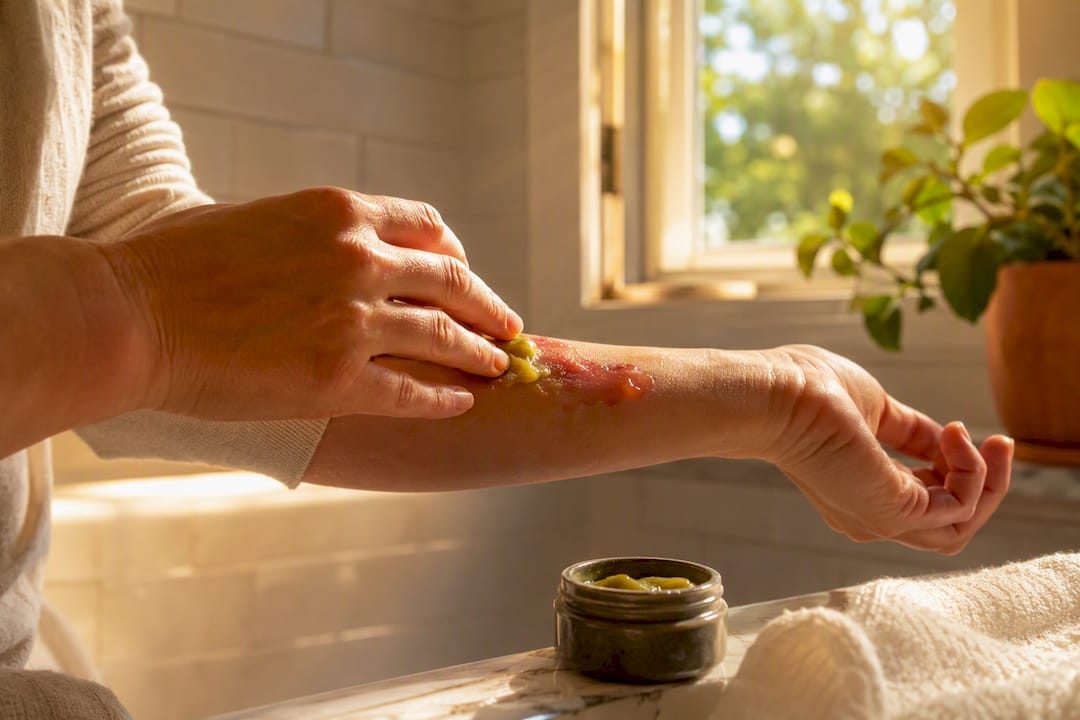
Do not intentionally pop a burn blister. The fluid inside is sterile and protective, cushioning the raw skin underneath while it rebuilds. Popping it opens a clean wound to bacteria that were never invited in the first place.
Your first move matters more than any decision about the blister itself.
Cool the burn under cool (not ice) running water for several minutes as recommended.
Leave the blister intact and protect the area with a loose, clean covering.
Skip the temptation to drain it yourself, even with a sterilized needle.
Key Takeaways
Leaving a burn blister intact and cooling the burn immediately gives healing skin its best protection against infection and scarring.
Point | Details |
Don’t pop it | Intact blister fluid protects healing skin and lowers infection risk. |
Cool first | Use cool running water for 15 to 20 minutes, never ice. |
Clean if ruptured | Wash gently with mild soap, apply thin ointment, cover with sterile gauze. |
Escalate when needed | Seek care for large, deep, or infected burns, or those on sensitive areas. |
Topical choice | Re-gen from Theregenstore offers a petroleum-free option for the thin-layer aftercare step. |
Table of Contents
First Aid Steps to Take in the First 30 Minutes
The first half hour after a burn decides a lot about how deep the damage goes and how much you’ll be dealing with later.
Cool it, don’t freeze it. Hold the burned area under cool running water for 15 to 20 minutes. Ice or ice water might feel satisfying for a second, but it constricts blood vessels and can actually deepen tissue injury. Cool tap water does the job without the risk.
Strip off anything tight. Rings, watches, bracelets, and snug sleeves need to come off immediately, before swelling makes it impossible. If clothing is stuck to the burn, leave it alone. Pulling fabric off damaged skin can tear tissue that’s already compromised.
Decide on covering. A small, unbroken blister can often be left exposed to air for a bit. If it’s in a spot that will rub against clothing or bedding, a loose, non-stick covering protects it without adding pressure.
Manage the pain. Over-the-counter acetaminophen or ibuprofen, taken at the labeled dose, takes the edge off without interfering with healing. Take it as soon as the pain starts rather than waiting for it to peak.
Pro Tip: Set a timer for your cooling water. Twenty minutes feels longer than you think when you’re standing at a sink, and most people pull away at the five minute mark, well short of the benefit.
Cooling early isn’t just about comfort. It’s the single most effective thing you can do at home to limit how deep a burn goes and how much blistering follows.
Why Popping a Burn Blister Slows Healing
Blister fluid isn’t just water your body leaked out of frustration. It’s a mix of proteins, plasma, and immune cells that actively supports the tissue underneath while new skin forms. Break that seal and you remove the one barrier standing between raw, healing tissue and everything in the environment that wants to infect it.
This is the actual reason clinicians almost universally tell patients to leave burn blisters alone rather than intentionally popping a burn blister with a pin or needle, no matter how tempting it looks.
Popping a blister removes a layer that’s doing real biological work. It’s not inert fluid sitting there. It’s part of the repair process itself, and once it’s gone, the wound underneath is exposed with no protection left.
Primary care physicians consistently frame the blister as a biologic asset rather than an obstacle. The advice to leave it intact shows up across Mayo Clinic, Cleveland Clinic, and the NHS with almost no daylight between them. When three separate health systems on two continents converge on identical guidance, that’s not a coincidence. It’s a genuinely settled point in burn care.
What to Do When a Burn Blister Breaks on Its Own
Blisters rupture. Sometimes it’s a bump against a doorframe, sometimes it just happens overnight. If yours has already opened, the priority shifts from “keep it sealed” to “keep it clean.”
Wash your hands thoroughly before touching the area at all.
Clean the open skin gently with mild soap and cool water, avoiding scrubbing.
Skip hydrogen peroxide and rubbing alcohol. Both can irritate the tissue and slow healing rather than help it.
Apply a thin layer of ointment to the cleaned area.
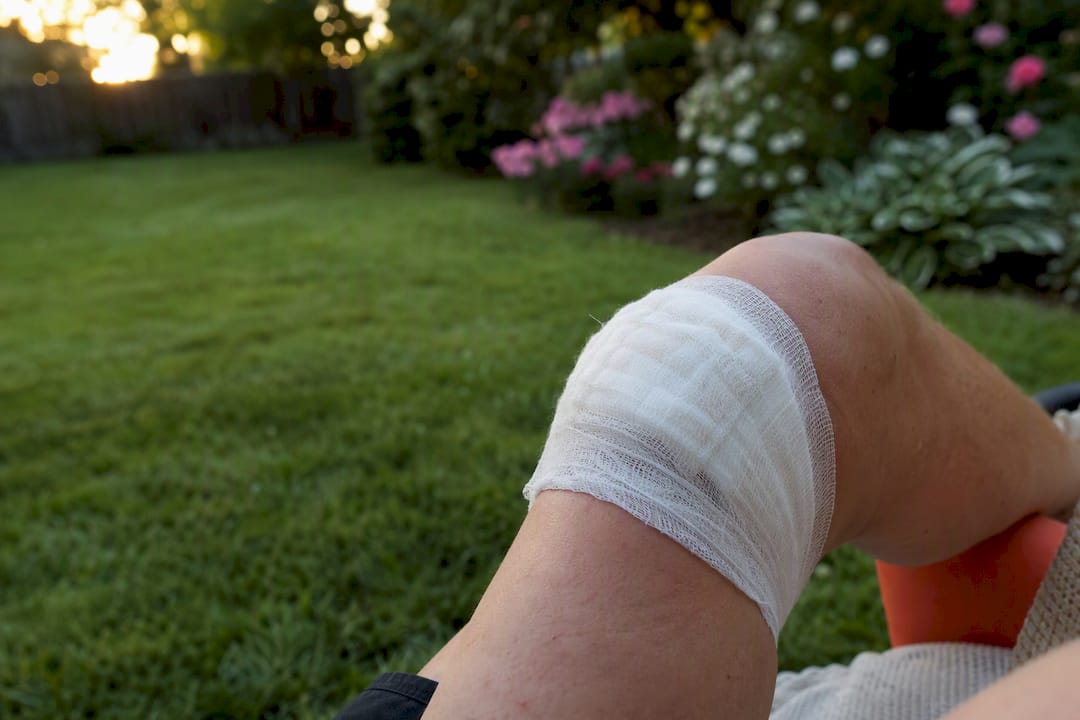
Cover with sterile, non-stick gauze and secure it loosely, not tightly.
Change the dressing daily, or sooner if it gets wet or dirty.
A few things to watch for as you go:
If skin is fully detached and just hanging, gently trim it with sterilized scissors so it doesn’t catch and tear further.
Leave any skin that’s still partially attached in place. Removing it prematurely just enlarges the wound.
Check the site each time you change the dressing for spreading redness, warmth, or discharge.
Should you use peroxide on cuts or burns at all? Occasional rinsing might seem harmless, but most clinical guidance now favors mild soap and water for routine cleaning, saving antiseptics for cases your doctor specifically recommends them for.
When Does a Burn Blister Need Medical Attention?
Most small burn blisters heal fine at home. Some don’t, and knowing the difference saves you from a bad outcome.
The burn is larger than 3 inches across, or it’s deep enough that the skin looks white, leathery, or charred.
It’s located on the face, hands, feet, groin, or over a major joint.
You see spreading redness, red streaks, warmth, pus, or a fever developing.
The burn came from a chemical, an electrical source, or you inhaled smoke or fumes.
Any of these call for a clinician or an ER visit rather than a home care routine, since size, depth, location, and infection signs are the exact criteria burn specialists use to decide who needs professional treatment.
Home Remedies That Do More Harm Than Good
Kitchen-cabinet burn advice is mostly folklore, and some of it actively works against you.
Butter and cooking oils trap heat against the skin instead of releasing it, and they add a layer of grease that raises infection risk.
Toothpaste does nothing therapeutic for a burn and can irritate already damaged skin.
Direct ice constricts blood vessels and can worsen the injury. Cool running water is the safer choice at every stage.
Peroxide or alcohol on open blister skin tends to slow healing rather than speed it, which is exactly why mild soap and water wins out.
Choosing a Topical for Aftercare That Won’t Trap Heat
Once a blister has ruptured and the area is clean, what you put on it matters almost as much as how you cleaned it. Petroleum-based products can sit heavy on healing skin and, in thick layers, trap warmth the same way butter does. Re-gen, the plant-based ointment from Theregenstore, was formulated as a petroleum-free option for exactly this kind of aftercare, and it fits the same protocol clinicians already recommend: clean first, apply thin, cover loosely.
Wash the area gently with mild soap and cool water.
Apply a thin layer of Re-gen rather than a thick, occlusive coat.
Cover with sterile, non-stick gauze secured loosely.
Avoid heavy, greasy layers that hold heat against the skin.
Plant-based, petroleum-free formulas can work as a chemical-free substitute for standard antibiotic ointments when used within this same thin-layer, breathable-dressing approach.
Point | Details |
Application step | Apply a thin layer after cleaning, never a thick occlusive coat. |
Dressing pairing | Pair with sterile non-stick gauze for the full aftercare loop. |
Product option | Re-gen from Theregenstore is a petroleum-free option for this stage. |
How to Drain a Burn Blister Safely if It Must Be Popped
There’s rarely a good reason to pop a burn blister yourself, but a rare case exists: a blister so large and tense it’s likely to rupture messily on its own, in a spot where friction makes that inevitable. If a clinician has advised draining rather than leaving it, the technique matters as much as the decision.
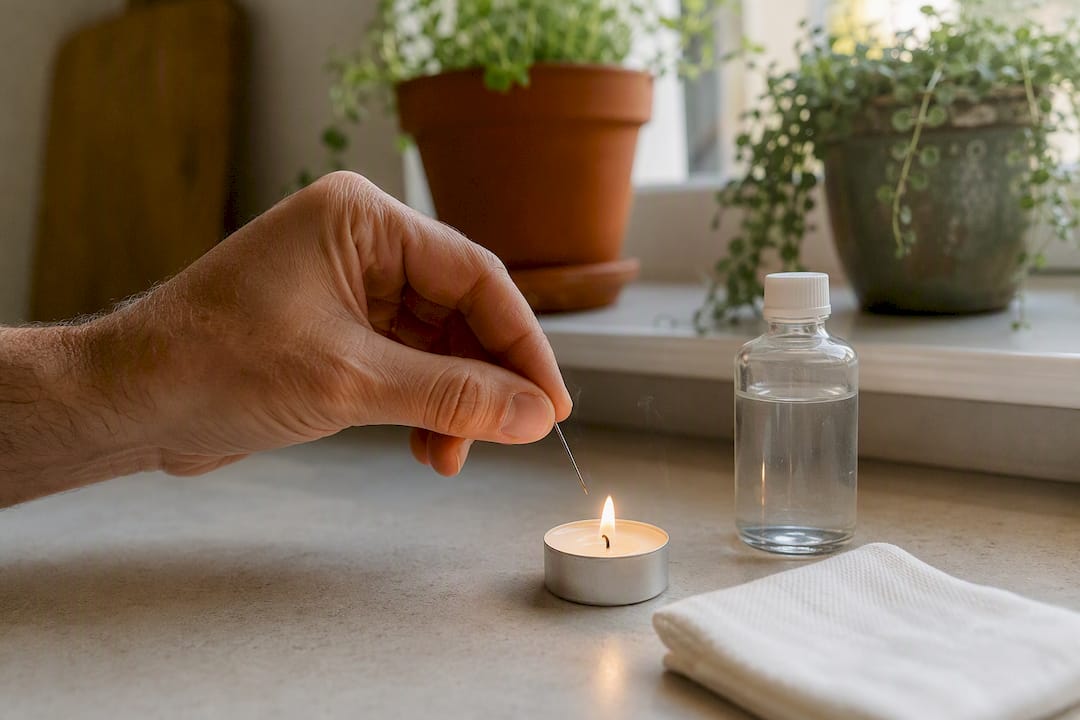
Wash your hands and the blister area with soap and water first. Sterilize a needle by holding it in a flame until it glows, then letting it cool, or by wiping it thoroughly with rubbing alcohol. Make a small puncture at the edge of the blister, low enough that gravity helps fluid drain out, rather than piercing the center. Press gently with clean gauze to encourage drainage, but leave the overlying skin in place. That flap of skin, even once drained, still functions as a partial barrier while new tissue forms underneath.
Once drained, clean the area again with mild soap and water, apply a thin layer of ointment, and cover with sterile, non-stick gauze. Do this in a clean environment, not over a sink full of dishes or in a bathroom right after someone showered, since humidity and surface bacteria both work against you here. If you don’t have a genuinely sterile needle and a clean space to work in, don’t attempt this at all. An improperly drained blister carries more infection risk than one left fully intact.
Small Burn Blisters vs. Large Ones: What Changes
A blister the size of a pencil eraser and one covering half your palm are not the same problem, even though the underlying advice, don’t pop it, stays consistent across both.
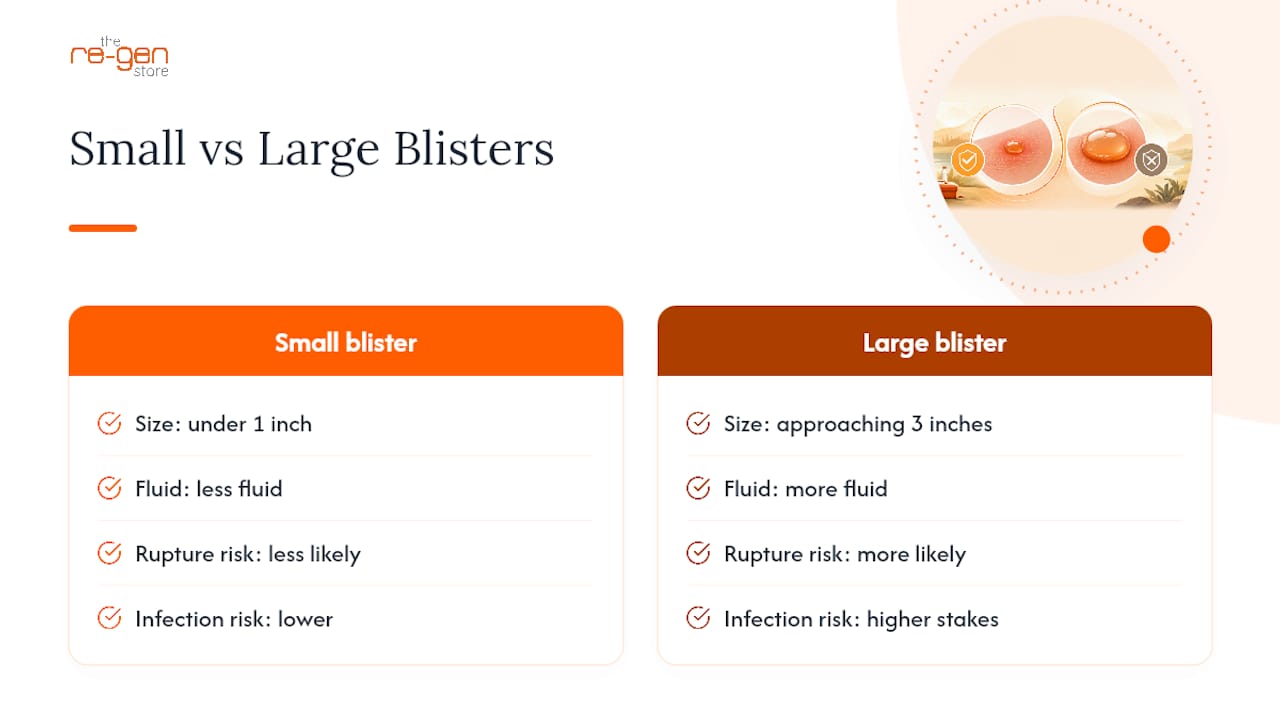
Small blisters, generally under an inch across, tend to reabsorb their own fluid within a week to ten days if left alone. Light coverage, occasional air exposure, and basic protection from friction are usually enough. You’re mostly managing comfort and preventing accidental rupture from a shoe or a doorframe.
Larger blisters carry more fluid, more surface area at risk if they tear, and a longer timeline before they resolve. They’re also more likely to rupture on their own simply because there’s more tension on the skin. That makes consistent dressing changes more important, and it raises the stakes if infection does set in, since a bigger open wound gives bacteria more territory to work with. Any blister approaching 3 inches across, or one on a joint where movement keeps stressing the skin, deserves a lower threshold for calling a clinician rather than waiting to see how it develops.
The mechanics of care don’t change dramatically between the two. What changes is your margin for error. A small blister that gets slightly irritated is a minor setback. A large one that gets infected is a bigger problem, faster.
What a Normal Healing Timeline Looks Like
Most first-degree and shallow second-degree burn blisters follow a fairly predictable arc. Redness and swelling peak in the first day or two, the blister itself may grow slightly before it stabilizes, and fluid gradually reabsorbs over one to two weeks as new skin forms underneath. Once the blister flattens and the old skin sloughs off, the fresh skin beneath is often slightly pink or shiny for a few more weeks before it fully matches the surrounding tone.
Normal healing looks like steadily decreasing pain, a blister that stays roughly the same size or shrinks rather than grows, and no new redness spreading outward from the original burn site.
Abnormal healing looks different, and it’s worth knowing the signals: pain that gets worse after day three or four instead of easing, a blister that keeps expanding well past the original burn area, cloudy or foul-smelling drainage instead of clear fluid, or a fever showing up days after the initial injury. Any of those point toward infection rather than normal repair, and they’re the cue to stop managing it at home.
What the Research Actually Tells You to Do
Most burn advice online treats “should I pop it” as the interesting question. It isn’t. The interesting question is why so many people still reach for a needle when every major clinical source says not to, and the honest answer is that intact blisters look alarming. A tense, fluid-filled bubble on your hand feels like something that needs fixing right now.
That instinct is where conventional advice quietly fails people. Sources will tell you not to pop a blister, then move on without explaining why the fluid inside is doing anything useful. Once you understand that it’s carrying proteins and immune cells actively supporting the repair process underneath, leaving it alone stops feeling like passive neglect and starts feeling like the active choice it actually is.
If there’s one thing worth prioritizing over everything else in this article, it’s the cooling step in the first 20 minutes. People fixate on the blister decision because it feels dramatic, but the water you run over the burn in those first minutes does more to determine the outcome than anything you decide about the blister a day later.
— Kyle
Theregenstore: A Plant-Based Option for Burn Aftercare
Once a blister has been cleaned and covered the right way, what goes on the skin next still matters. Theregenstore makes Re-gen, a plant-based, petroleum-free ointment built specifically for this stage of recovery, without the greasy occlusion that traps heat the way petroleum jelly can.
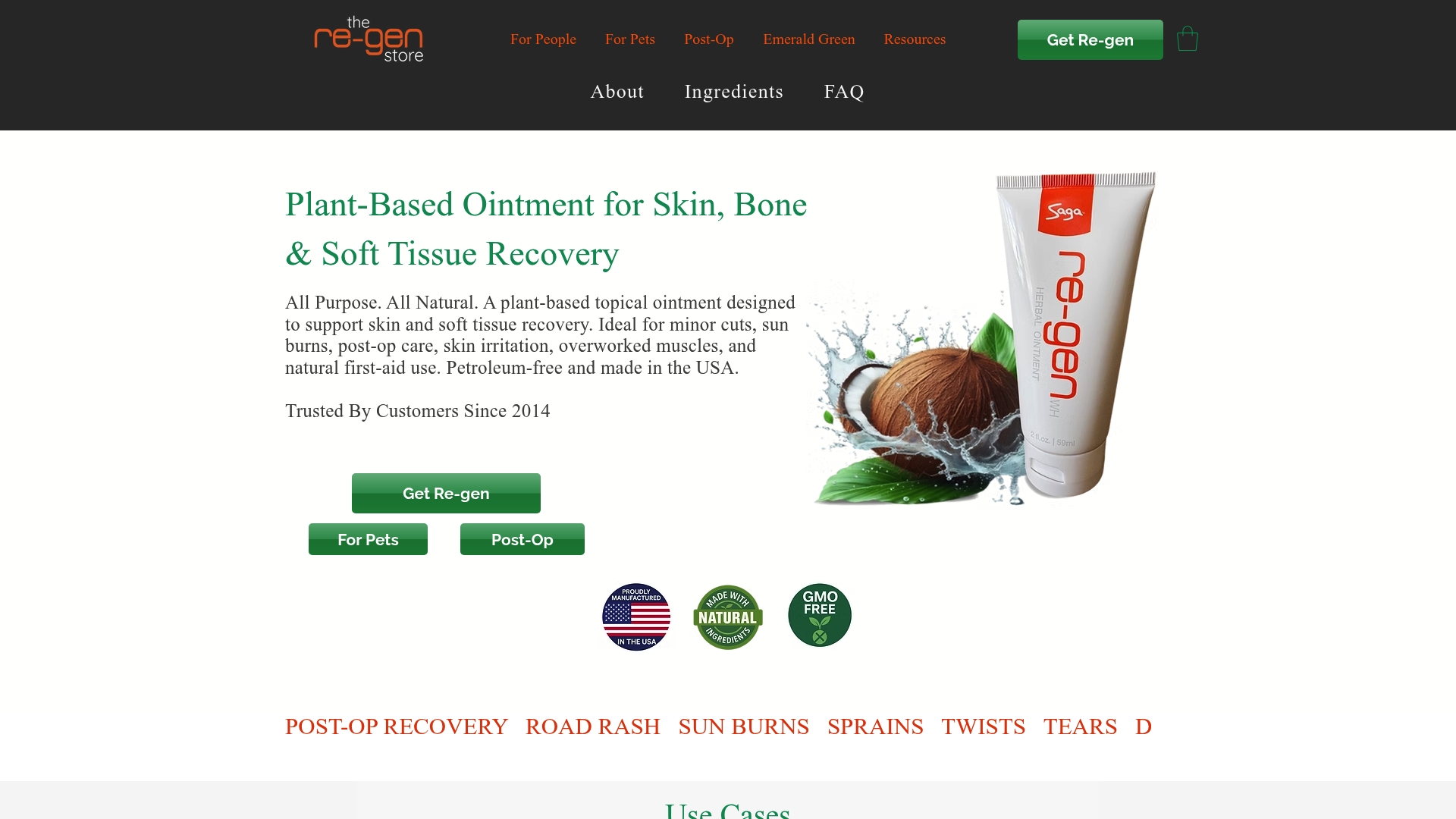
Unlike standard petroleum-based antibiotic ointments, Re-gen is formulated with chemical-free, plant-derived ingredients for people who want a natural option in their aftercare routine without stepping outside the clean, thin-layer, sterile-dressing protocol clinicians already recommend. It works the same way in practice: gentle clean, thin layer, loose non-stick gauze. The difference is what’s in the tube. If you’re weighing Re-gen against petroleum jelly for your specific situation, or you want a natural alternative to Neosporin for a home first-aid kit, visit the Re-gen product page to check sizing and order before your next burn happens, not after.
This article is general information, not a substitute for advice from a qualified doctor. Consult a qualified healthcare professional about your own circumstances before acting on anything here.
Sources
Mayo Clinic, Cleveland Clinic, NHS, AmeriBurn first aid fact sheet.
FAQ
How Do You Treat a Burn Blister After It Pops?
Wash your hands, clean the open area gently with mild soap and cool water, apply a thin layer of ointment, and cover with sterile non-stick gauze secured loosely.
Should I Pop a Burn Blister or Leave It Alone?
Leave it alone. Intact blister fluid protects the healing skin underneath and lowers your risk of infection compared to intentionally draining it.
Do Blisters Heal Faster if You Pop Them?
No. Popping a blister removes the protective fluid barrier and typically slows healing rather than speeding it up, since the exposed skin underneath is now vulnerable to bacteria.
Is It Bad if a Burn Blister Gets Bigger?
A blister that keeps growing, rather than stabilizing or shrinking, can signal a deeper burn or an ongoing problem and is a reasonable cue to have it checked by a clinician.
Recommended
Comments