
Natural Remedies Explained: What the Evidence Shows

Updated: Sep 26

Natural remedies are defined as plant-based or naturally derived treatments used to support health, manage symptoms, and promote recovery. The term covers a broad range of practices, from drinking chamomile tea to applying herbal ointments to the skin. Research now supports specific remedies at specific doses, meaning the science has moved well beyond folklore. Understanding natural remedies means knowing which ones work, how they work, and how to use them safely alongside conventional care.
What scientific evidence supports natural remedies explained?
The strongest evidence in natural healing methods centers on a short list of well-studied herbs. Turmeric, ginger, ginkgo biloba, peppermint oil, chamomile, Boswellia, echinacea, and St. John’s wort all appear in current research with measurable results. Dose and preparation form matter more than brand name.
Here is what the research shows for the most studied options:
Ginger: At 1 gram or more daily, ginger effectively reduces nausea from surgery, chemotherapy, and pregnancy. This makes it one of the most clinically validated natural treatments available without a prescription.
Turmeric: A 2025 systematic review found turmeric-based formulas significantly reduce pain and inflammation biomarkers in rheumatoid arthritis and knee osteoarthritis patients. The active compound, curcumin, drives this effect.
Ginkgo biloba: Standardized ginkgo extract at 1 gram per day shows modest improvements in memory and attention in older adults. The word “modest” matters here. Ginkgo supports cognition; it does not reverse dementia.
Chamomile: Widely used for relaxation and digestive comfort, chamomile has a strong safety record and works well as a beginner herb.
Boswellia: Used for joint inflammation, Boswellia extracts show anti-inflammatory effects comparable to some over-the-counter options in clinical settings.
Echinacea: Research supports short-term use for reducing the duration of common colds, though results vary by preparation type.
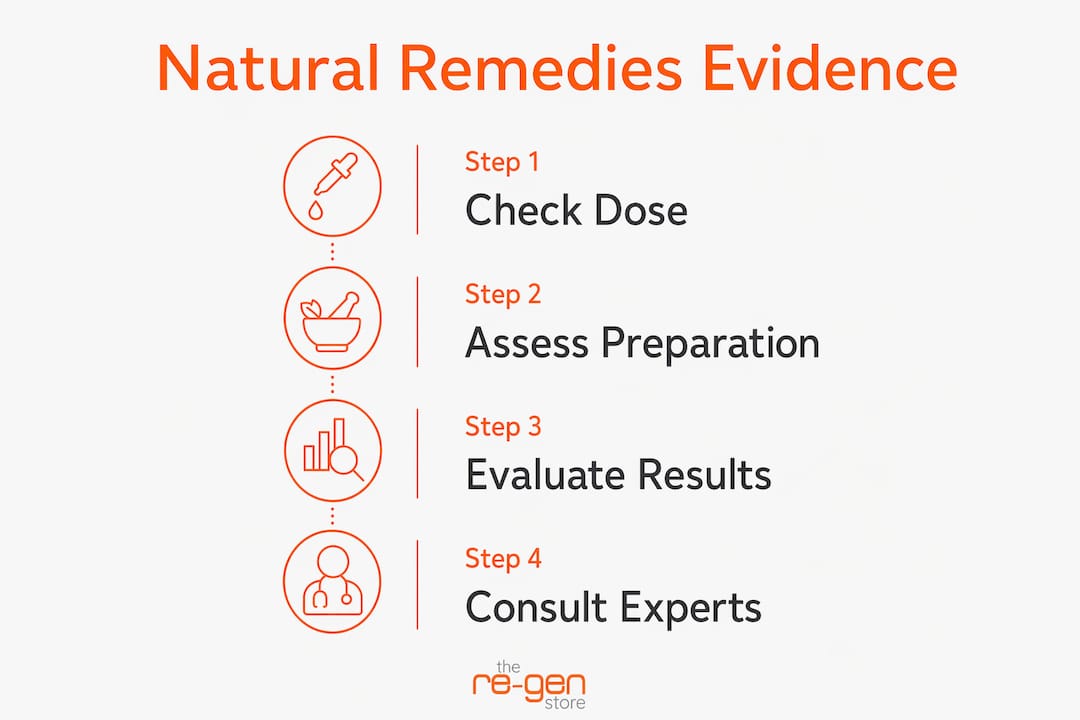
Pro Tip: When reading any study on natural remedies, check the dose and the preparation form. A chamomile tea and a concentrated chamomile extract are not interchangeable, and the research applies to one specific form.
The table below summarizes the top evidence-backed remedies and their primary uses:
Remedy | Primary Use | Key Evidence |
Ginger | Nausea relief | Effective at ≥1g/day for multiple nausea types |
Turmeric | Pain and inflammation | Reduces biomarkers in arthritis patients |
Ginkgo biloba | Memory and attention | Modest cognitive benefit at 1g/day standardized extract |
Chamomile | Relaxation, digestion | Strong safety record, ideal for beginners |
Boswellia | Joint inflammation | Anti-inflammatory effects in clinical studies |
Echinacea | Cold duration | Shortens cold duration with correct preparation |
How do natural remedies work and what types are commonly used?
Natural remedies work through phytochemicals, which are biologically active compounds found in plants. These compounds interact with the body’s own systems, including inflammation pathways, nerve receptors, and immune responses. The effect depends entirely on which compound is present, at what concentration, and how it enters the body.
Preparation method determines how much of the active compound you actually absorb. The four most common forms are:
Teas and infusions: Water extracts the water-soluble compounds from dried herbs. Tea is the ideal starting point for beginners because it delivers a gentler dose and leaves less room for error than concentrated extracts.
Tinctures and liquid extracts: Alcohol-based preparations pull a wider range of compounds from the plant. These are more concentrated and require more care with dosing.
Capsules and standardized extracts: These deliver a measured dose of a specific compound, such as curcumin from turmeric or ginsenosides from ginseng. Standardized extracts are what most clinical studies use.
Topical applications: Herbal ointments, salves, and oils work directly on the skin. They support wound healing, reduce localized inflammation, and protect the skin barrier without entering the bloodstream in significant amounts.
Oral and topical uses serve different purposes. A turmeric capsule targets systemic inflammation. A plant-based topical ointment targets the skin and tissue directly beneath it. Knowing which route matches your goal prevents wasted effort and money. You can also learn more about herbal first aid basics to understand how these forms apply in practical situations.
What safety considerations should you follow with natural remedies?

“Natural” does not mean harmless. Herb-drug interactions are common and must be managed with clinician involvement, especially when you take prescription medications. St. John’s wort, for example, reduces the effectiveness of birth control pills and certain antidepressants.
Key safety rules to follow:
Consult your doctor or pharmacist before adding any herb to your routine if you take prescription medications. This is non-negotiable.
Distinguish complementary from alternative medicine. The CDC states clearly that complementary medicine works alongside standard treatment, while alternative medicine replaces it. Replacing proven treatment with unproven remedies carries real risk.
Patch test all topical products. Apply a small amount to the inner forearm and wait 24 hours before full use. Skin reactions to natural ingredients do occur.
Respect age-based contraindications. Honey should never be given to infants under 12 months due to the risk of botulism. Age limits exist for other remedies as well.
Avoid chasing miracle cures. Natural antimicrobials like garlic support mild infection management, but naturopathic doctors are clear that they do not replace prescription antibiotics in severe cases.
Pro Tip: Keep a simple log when you start a new remedy. Note the dose, preparation type, and any changes you notice. This makes it much easier to identify what is helping and what is not.
How can you start using natural remedies safely and effectively?
The best starting point is one or two well-known, low-risk herbs. Chamomile and ginger are the standard recommendations for beginners because both have strong safety records and clear, practical uses. Chamomile supports relaxation and mild digestive discomfort. Ginger addresses nausea and supports digestion after meals.
Follow these steps to begin safely:
Start with tea. Brew chamomile or ginger tea using a measured amount of dried herb or a commercial tea bag. This gives you a consistent, gentle dose.
Use for one specific purpose. Pick one symptom or goal, such as reducing post-meal nausea, and track whether the remedy helps over two to three weeks.
Monitor your response. Watch for any skin reactions, digestive changes, or unexpected effects. Stop use and consult a clinician if anything feels off.
Add supplements only after research. If you want to move to capsules or extracts, read the clinical evidence for that specific form and dose before purchasing.
Tell your healthcare provider. This is especially important if you are pregnant, managing a chronic condition, or taking any medication.
For skin and wound applications, you can explore plant-based healing solutions that apply these same principles to topical care. Learning how to integrate herbal supplements into your daily routine also helps you build a consistent, sustainable practice rather than a scattered one.
Key Takeaways
Natural remedies work best when matched to evidence-backed doses, used as complements to conventional care, and introduced one at a time with clinician awareness.
Point | Details |
Dose and form determine results | Ginger at ≥1g/day works for nausea; a weak tea may not deliver the same effect. |
Complementary, not replacement | The CDC confirms natural remedies should support, not replace, standard medical treatment. |
Safety requires active steps | Patch test topicals, check herb-drug interactions, and respect age-based limits like no honey for infants. |
Start simple | Chamomile and ginger are the safest entry points for beginners with clear, practical uses. |
Topical and oral uses differ | Plant-based ointments target local tissue; oral remedies affect the whole body through different pathways. |
What I have learned from years of watching people use natural remedies
The biggest mistake I see is treating “natural” as a synonym for “safe at any dose.” People will research a pharmaceutical drug carefully and take the exact prescribed amount. Then they will take three times the suggested amount of an herbal supplement because it feels harmless. That thinking causes real problems.
The second pattern I notice is impatience. Natural remedies generally work gradually. Turmeric does not reduce joint inflammation overnight. Ginkgo does not sharpen memory after one capsule. People who stick with a measured dose for four to six weeks see results. People who switch remedies every two weeks see nothing and conclude that natural healing does not work.
What actually works is a combination of patience, specificity, and honesty with your doctor. The remedies with the strongest evidence, ginger, turmeric, chamomile, and Boswellia, are not exotic. They are accessible, affordable, and well-studied. You do not need a complicated protocol. You need the right herb, the right form, and enough time to see a real response.
— Kyle
Plant-based skin support from Theregenstore

When natural healing principles apply to the skin, preparation form matters just as much as it does with oral remedies. Theregenstore’s Re-gen ointment is a petroleum-free, plant-based formula designed to support recovery from cuts, burns, sprains, and post-operative wounds. It uses herbal ingredients to work with the body’s own repair process rather than blocking it with synthetic compounds. For anyone already committed to natural health practices, a plant-based wound treatment is a logical extension of that same approach. You can also read more about speeding up wound healing naturally to see how topical plant-based care fits into a broader recovery plan.
FAQ
What are natural remedies?
Natural remedies are plant-based or naturally derived treatments used to support health and manage symptoms. They include herbal teas, standardized extracts, topical ointments, and other preparations made from plants and natural compounds.
How do natural remedies work in the body?
Natural remedies work through phytochemicals that interact with the body’s inflammation pathways, nerve receptors, and immune responses. The effect depends on the specific compound, its concentration, and the preparation method used.
Are natural remedies safe to use with prescription medications?
Herb-drug interactions are common, so clinician involvement is necessary before combining natural remedies with prescription medications. St. John’s wort, for example, reduces the effectiveness of several common drugs.
What is the difference between complementary and alternative medicine?
Complementary medicine is used alongside standard medical treatment, while alternative medicine replaces it. The CDC recommends the complementary approach and stresses that natural remedies should not substitute for proven conventional care.
Which natural remedies have the strongest scientific support?
Ginger, turmeric, ginkgo biloba, chamomile, Boswellia, and echinacea have the strongest current research support. Dose and preparation form determine whether the evidence applies to the product you are using.
Recommended
Comments