
Magnesium Spray for Sleep: Does It Actually Work?

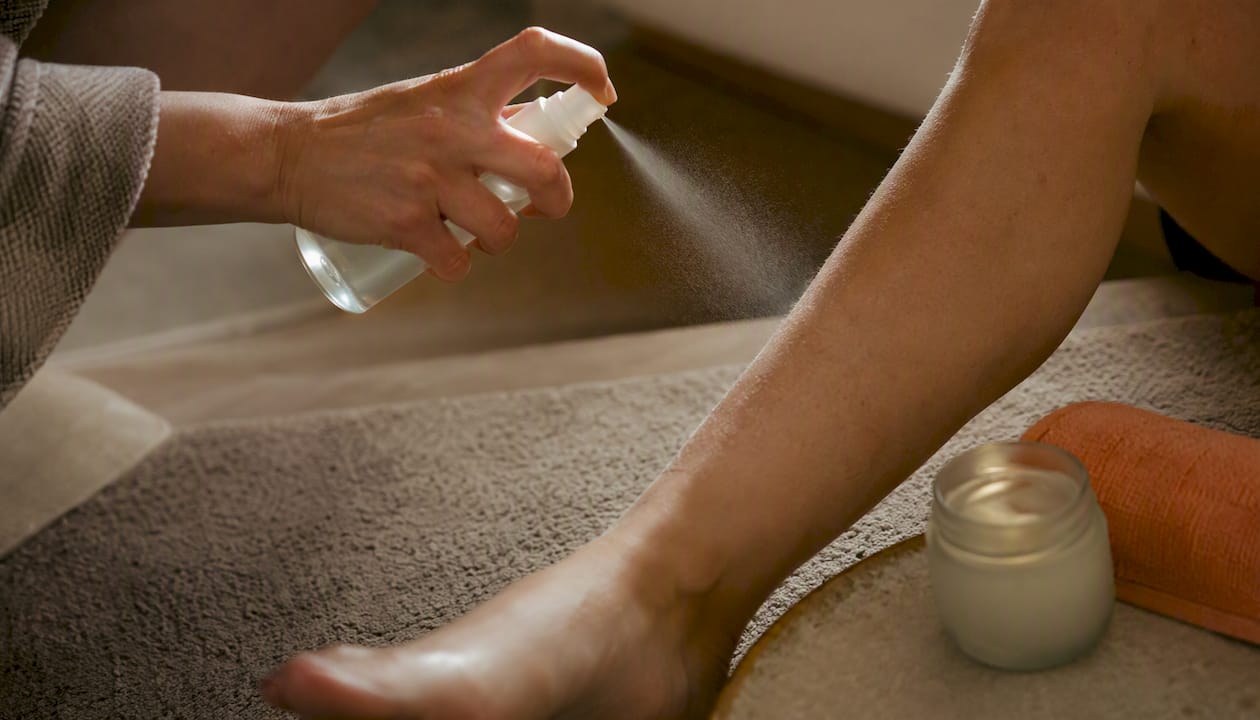
Topical magnesium spray can support a sleep routine, but with an important caveat: the benefit is real for local muscle tension and relaxation rituals, not for correcting a systemic magnesium deficiency. If you’re waking up with tight calves, restless legs, or a racing mind that won’t settle, a nightly spray applied 20–30 minutes before bed is a reasonable, low-risk addition to your wind-down routine. If you suspect a genuine deficiency, oral magnesium bisglycinate at 200–300 mg has small RCT evidence for improving insomnia scores in ways that topical spray currently does not.
Here’s what the evidence supports right now:
Topical magnesium spray works best for localized muscle relaxation, reducing nocturnal calf cramps, and anchoring a calming pre-sleep ritual.
Oral magnesium bisglycinate is the stronger choice when systemic deficiency correction is the goal.
Immediate next step: Apply 4–10 sprays to your calves, inner forearms, or feet tonight, 20–30 minutes before bed, as part of a consistent wind-down. If you’re on kidney medications or prescription diuretics, check with your clinician first.
Key Takeaways
Topical magnesium spray supports sleep best as a muscle-tension and wind-down tool, not as a systemic sleep aid, and oral bisglycinate at 200–300 mg remains the better-evidenced choice for correcting deficiency.
Point | Details |
Evidence gap is real | No RCT shows topical spray improves sleep clinically; oral bisglycinate at 200–300 mg has small RCT support. |
Best use case | Apply 4–10 sprays to calves, inner forearms, or feet 20–30 minutes before bed for muscle tension and ritual relaxation. |
Absorption tips | Apply after a warm shower and massage in for 30–60 seconds to target hair follicles and increase local circulation. |
Safety first | Patch-test before full use; avoid broken skin; consult a clinician if you have kidney disease or take prescription medications. |
Theregenstore option | Theregenstore’s plant-based transdermal magnesium spray offers transparent ingredients and is available for U.S. customers. |
Table of Contents
How does magnesium spray help with sleep? Step-by-step application
What does the research actually say about topical vs. oral magnesium?
What should you look for when buying a magnesium sleep spray?
An honest editorial perspective on magnesium spray and sleep
Theregenstore’s transdermal magnesium spray: a plant-based option worth trying
How does magnesium spray help with sleep? Step-by-step application
Getting the application right matters more than most people realize. Spraying haphazardly on random body parts and hoping for the best is not the same as a targeted, consistent routine.
Shower first. Warm water opens pores and increases blood flow to the skin, which may improve uptake through hair follicles. This is one of the most consistently recommended tips from functional-medicine practitioners who use topical magnesium for relaxation in clinical settings.
Choose your target sites. The inner forearms, calves, tops of feet, and behind the knees are the most commonly recommended areas. These spots have thinner skin or higher follicle density, making them plausible routes for limited transdermal uptake.
Apply 4–10 sprays. Consumer guidance typically suggests 4–15 sprays per application depending on body area and product concentration. A product like BetterYou’s sleep spray, for reference, delivers approximately 75 mg of magnesium per 10 sprays and recommends applying about 30 minutes before bed.
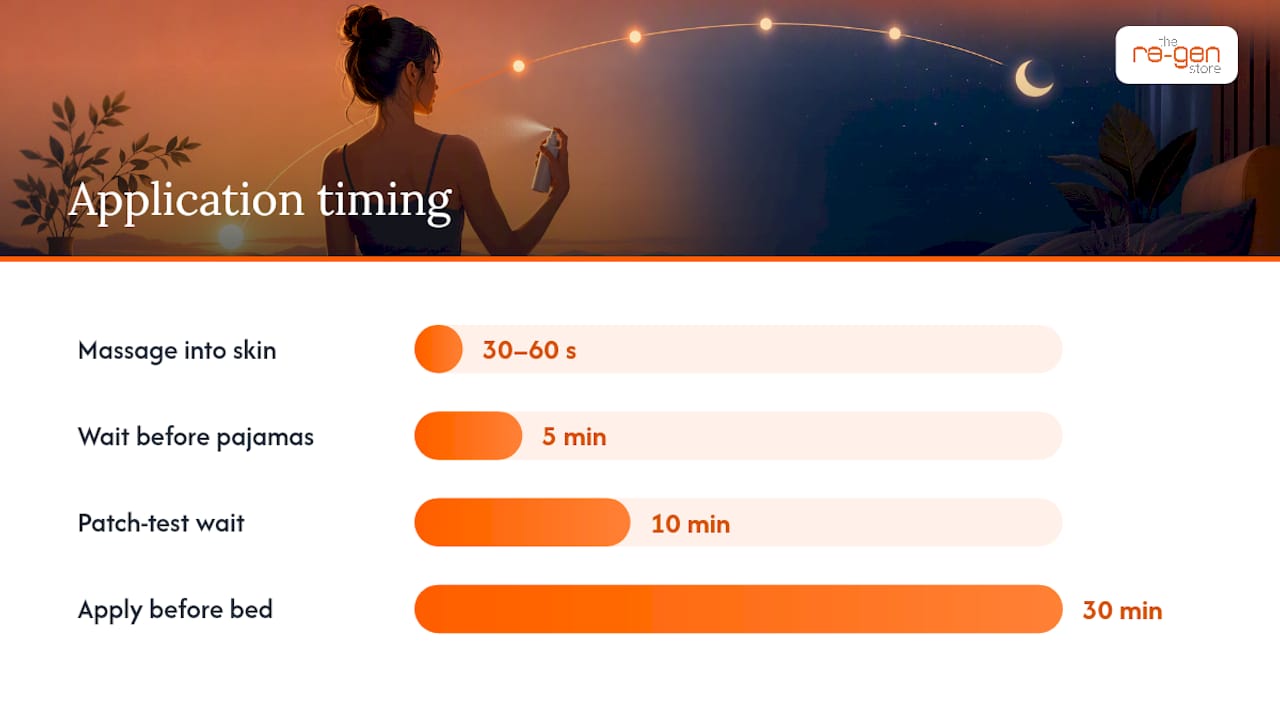
Rub it in gently. Massage the spray into the skin for 30–60 seconds rather than letting it air-dry immediately. This helps drive the solution toward hair follicles and increases local circulation. If you prefer to leave it to absorb, wait at least 5 minutes before putting on pajamas or getting into bed to avoid transferring product to fabric.
Time it right. Apply 20–30 minutes before you plan to sleep. This gives the magnesium time to absorb and lets the ritual itself signal to your nervous system that sleep is coming.
Reapply if needed. If you wake with muscle cramps, a targeted reapplication to the affected area is generally safe. Track your total magnesium intake if you’re also taking oral supplements.
Pro Tip: Patch-test before your first full application. Spray two or three pumps on the inner forearm and wait 10 minutes. Mild tingling is normal; a burning sensation or rash means dilute with water or try a different product.
What can topical magnesium spray realistically do for you?
Setting honest expectations here protects you from disappointment and helps you use the spray where it genuinely shines.
The most defensible benefits are local and sensory:
Nocturnal muscle cramp relief. Practitioners specifically note that topical application targets leg cramps and muscle tension that disrupt sleep, with a more immediate local effect than waiting for an oral supplement to digest and absorb.
Reduced muscle tension before bed. Magnesium plays a role in muscle relaxation at the cellular level. Applying it directly to tight calves or a stiff lower back can ease that physical tension, making it easier to settle.
Ritual-based relaxation. The act of a consistent, intentional pre-sleep routine has its own calming effect. If your spray includes lavender or chamomile essential oils, the scent adds a sensory layer that supports the wind-down.
A pill-free option. Lifestyle experts and clinicians note that topical spray suits people who dislike swallowing supplements or have GI sensitivity to oral magnesium.
What topical spray is less likely to do:
Correct a systemic magnesium deficiency. The skin is a barrier, and human clinical evidence for meaningful systemic absorption through topical application is limited.
Act as a sedative. Topical magnesium is not a sleep drug. It supports the conditions for sleep, not sleep itself.
Evidence gap: Oral magnesium bisglycinate has small but real RCT data supporting improved insomnia scores. Transdermal magnesium spray has no equivalent randomized controlled trial evidence for clinical sleep outcomes as of mid-2026. The spray’s benefits are real but operate through different, more localized mechanisms.
What does the research actually say about topical vs. oral magnesium?
The clinical picture is clearer than most product marketing suggests.
Form | Evidence for sleep | Mechanism | Best use case |
Oral bisglycinate (200–300 mg) | Small RCTs show improved insomnia scores | Systemic absorption, GABA modulation, cortisol regulation | Correcting deficiency; systemic sleep support |
Topical spray (magnesium chloride) | No quality RCTs for sleep outcomes | Limited skin permeation via hair follicles; local ion effect | Muscle cramps, tension relief, wind-down ritual |
No randomized controlled trial has demonstrated a clinical sleep effect from transdermal magnesium spray as of mid-2026. That’s not a reason to dismiss the spray entirely. It’s a reason to use it for what it actually does well.
Mechanistically, the skin is designed to keep things out. Magnesium ions are relatively large and hydrophilic, which makes passive diffusion through the stratum corneum slow and limited. Small pilot studies suggest hair follicles and sweat glands are the most plausible minor routes of permeation, but the clinical significance of that absorption in humans remains unclear. Healthline notes that claims about topical magnesium and sleep are largely anecdotal, even while acknowledging plausible anti-inflammatory and muscle-relaxing properties at the application site.

The practical clinical recommendation from functional-medicine practitioners is consistent: use topical spray for local muscle issues and as a behavioral wind-down cue. Use oral magnesium when you need to address a systemic shortfall.
This article provides general health information, not medical advice. If you have kidney disease, take prescription medications, or have a diagnosed sleep disorder, consult your clinician before adding any magnesium supplement, oral or topical.
Safety: what side effects should you know about?
Topical magnesium spray is well-tolerated for most people, but a few reactions are worth knowing before you start.
Common local reactions:
Tingling or mild stinging on first application, especially on sensitive skin or freshly shaved areas. This is normal and usually fades within a few minutes.
Transient redness at the application site.
Dry or slightly itchy skin with repeated use. A light moisturizer applied after the magnesium absorbs can help.
When to be cautious:
Kidney disease. The kidneys regulate magnesium excretion. Impaired kidney function raises the risk of magnesium accumulating to unsafe levels, even from topical sources at high frequency or dose. Consult your doctor before using any magnesium product.
Combining topical and oral supplementation. Topical sprays rarely cause systemic toxicity on their own, but if you’re also taking oral magnesium, a multivitamin with magnesium, or antacids containing magnesium, track your total daily intake.
Heart medications and diuretics. Magnesium interacts with certain cardiac drugs and prescription diuretics. Check with your clinician if you’re on either.
Pre-use checklist:
Patch-test on the inner forearm before full-body application.
Avoid broken skin, open wounds, or freshly shaved areas.
Start with the lower end of the spray range (4–5 sprays) and increase gradually.
Stop use immediately if you develop a rash, hives, or severe discomfort.
Consult a clinician if you have kidney disease, heart conditions, or take prescription medications.
What should you look for when buying a magnesium sleep spray?
Not all sprays are equal. These are the label features that actually matter.
Magnesium form. Magnesium chloride is the most common form in topical sprays and is generally well-absorbed at the skin surface. Magnesium sulfate (Epsom salt) is also used but less common in spray format.
Elemental magnesium per serving. Look for a product that states milligrams of elemental magnesium per spray or per 10 sprays. Vague “proprietary blend” labels with no mg disclosure make dosing impossible to track.
Essential oils and allergens. Lavender and chamomile are popular additions that support the relaxation ritual. If you have known sensitivities, check the full ingredient list before buying.
Concentration disclosure. A clear percentage or mg/mL concentration lets you compare products honestly.
Third-party testing. Independent testing for purity and heavy metals is a meaningful quality signal, especially for a product applied nightly to skin.
Plant-based and cruelty-free claims. For readers who prioritize natural formulations, look for transparent ingredient sourcing and cruelty-free certification.
U.S. availability. Confirm the product ships domestically and that the label complies with U.S. consumer product standards.
Consumer health reviewers note that many sprays are widely marketed with strong sleep claims but lack the clinical backing to support them. A product that leads with honest, transparent labeling rather than exaggerated promises is a better sign of quality.
When a spray lists its elemental magnesium per application, names every ingredient, and avoids overclaiming on sleep outcomes, that transparency is itself a trust signal worth weighing alongside any third-party certification.
You can read more about how topical magnesium supports skin and soft-tissue recovery to understand what the ingredient does at the tissue level before you buy.
Tips that may help you get more from your magnesium spray
A few practical adjustments can make a real difference in how the spray feels and performs.
Apply after a warm shower. Increased skin temperature and blood flow may improve uptake through hair follicles. This is one of the most consistently recommended steps from practitioners who use topical magnesium in clinical contexts.
Massage it in. Spend 30–60 seconds working the spray into the skin rather than just misting and walking away. Massage increases local circulation and helps the solution reach follicular openings.
Target higher-follicle areas. Inner forearms, calves, and behind the knees have relatively higher follicle density. These are your best bets for whatever transdermal uptake is possible.
Use it consistently. A single application is unlikely to produce a noticeable effect. Build it into your nightly routine for at least two to three weeks before evaluating whether it’s helping.
Pair it with low-stimulation habits. The spray works best as part of a broader wind-down, not as a standalone fix. Dim lights, put the phone down, and let the ritual do its part.
Pro Tip: Combine your magnesium spray application with a 5-minute body scan or slow breathing exercise. The combination of physical touch, scent (if essential oils are present), and intentional breathing creates a stronger relaxation signal than any single element alone.
For a deeper look at what topical magnesium does at the skin level, Theregenstore’s guide on topical magnesium benefits and safety covers the mechanism and practical use cases clearly.
An honest editorial perspective on magnesium spray and sleep
The magnesium spray category has a credibility problem, and it’s mostly self-inflicted. Products routinely promise deep, restorative sleep from a few sprays on the feet, and that framing sets people up to dismiss the spray entirely when it doesn’t knock them out like a sedative.
The more useful framing is this: topical magnesium is a muscle-focused, ritual-anchored tool. Its strongest evidence is for local cramp relief and the kind of physical unwinding that makes sleep easier to reach, not for directly inducing sleep. That’s a real benefit. It’s just a narrower one than the marketing suggests.
What gets underestimated is the role of the ritual itself. Consistency in a pre-sleep routine has measurable effects on sleep onset, and a nightly spray applied to the same spots at the same time becomes a reliable physiological cue. The magnesium may be doing some of the work. The routine is definitely doing some of it. Separating the two is nearly impossible in practice, and that’s fine. You don’t need to isolate the mechanism to benefit from the combination.
The practical takeaway: use the spray for what it does well, pair it with oral bisglycinate if deficiency is a real concern, and treat it as one component of a sleep-hygiene plan rather than the whole answer. Readers with medical conditions should confirm with their clinician before starting any new supplement regimen.
Theregenstore’s transdermal magnesium spray: a plant-based option worth trying
If you’ve read this far and want a spray that matches the buying checklist above, Theregenstore offers a plant-based, chemical-free transdermal magnesium spray built around the same natural-ingredient philosophy as its Re-gen recovery line. The formulation is transparent about its ingredients, avoids synthetic additives, and is available for U.S. customers looking for a clean topical option.

Theregenstore’s approach fits readers who want a natural magnesium sleep aid without the ingredient uncertainty of heavily marketed wellness products. The plant-based positioning aligns with the cruelty-free and chemical-free priorities that matter to this audience, and the brand’s commitment to ingredient transparency means you know what you’re applying to your skin each night.
Ready to add a clean, plant-based transdermal spray to your wind-down routine? Visit Theregenstore to browse the magnesium spray and related natural recovery products. Patch-test on your first use, start with 4–5 sprays, and give it two to three consistent weeks before evaluating the effect.
Sources
These are the primary sources used for evidence and expert perspective in this guide:
This article is general information, not a substitute for advice from a qualified doctor. Consult a qualified healthcare professional about your own circumstances before acting on anything here.
FAQ
Can magnesium spray actually help you sleep?
It can support sleep indirectly by relieving muscle tension and anchoring a calming pre-sleep ritual, but no randomized controlled trial has shown topical spray produces a direct clinical sleep effect. Oral magnesium bisglycinate at 200–300 mg has stronger evidence for improving insomnia scores.
What happens if you spray magnesium oil on your feet at night?
Applying magnesium spray to your feet before bed may ease local muscle tension and mild cramping, and the routine itself can serve as a relaxation cue. Typical consumer guidance recommends 4–15 sprays on the feet or calves about 30 minutes before sleep; mild tingling on first use is normal.
Where is the best place to apply magnesium spray for sleep?
The calves, inner forearms, tops of feet, and behind the knees are the most recommended sites because they have thinner skin or higher hair-follicle density. Practitioners specifically recommend these areas for targeting nocturnal leg cramps and muscle tension that commonly disrupt sleep.
What are the side effects of magnesium spray?
The most common reactions are mild tingling, transient stinging, and slight redness at the application site, all of which typically fade within minutes. People with kidney disease or those taking prescription cardiac medications or diuretics should consult a clinician before use, as impaired kidney function affects how the body clears excess magnesium.
Is topical magnesium spray better than oral magnesium for sleep?
No. Functional-medicine experts consistently note that topical spray is less potent than oral magnesium for systemic sleep effects and is best used for local muscle relief and ritual relaxation. If correcting a deficiency or improving insomnia scores is the goal, oral bisglycinate is the better-supported choice.
Recommended
Comments