
How to Heal Sprains Faster: A Recovery Guide

What actually works to heal sprains faster
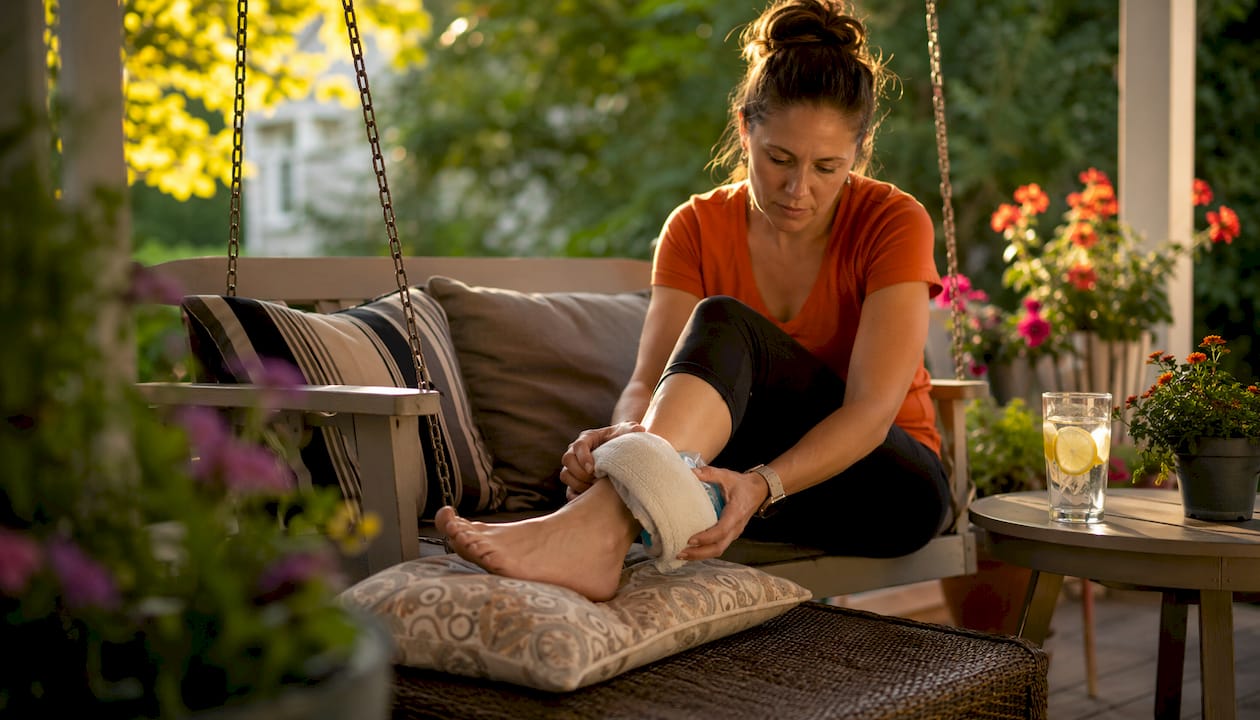
The fastest sprain recovery starts within the first hour. Apply the PRICE protocol (Protection, Rest, Ice, Compression, Elevation), then transition to gentle movement within 48–72 hours. That sequence, backed by Harvard Health and the NHS, consistently outperforms rigid immobilization for returning people to normal activity sooner.
Here is what to do, in order:
Protect the joint immediately. Use a brace, elastic bandage, or supportive footwear to prevent further stress.
Rest the area for the first 24–48 hours, but not completely. Gentle movement prevents stiffness and muscle loss.
Ice the injury for 15–20 minutes every 2–3 hours during the first 24–48 hours. Always place a towel between the ice and your skin.
Compress with an ACE bandage or elastic sleeve to limit swelling throughout the day.
Elevate the injured limb to hip height when seated or lying down.
Avoid heat during the first 48–72 hours. Hot packs, hot baths, and heat rubs increase swelling and worsen tissue damage.
Manage pain carefully. Over-the-counter NSAIDs or acetaminophen can help short term, but consult your provider before extended use.
After the acute phase, the goal shifts from protection to restoration. Range-of-motion exercises, strengthening, and balance training rebuild the joint and reduce the risk of reinjury.
Pro Tip: Rest does not mean staying completely still. Gentle, pain-free movement after the first 48 hours keeps the joint from stiffening and actually speeds tissue remodeling.
How sprain severity affects your recovery
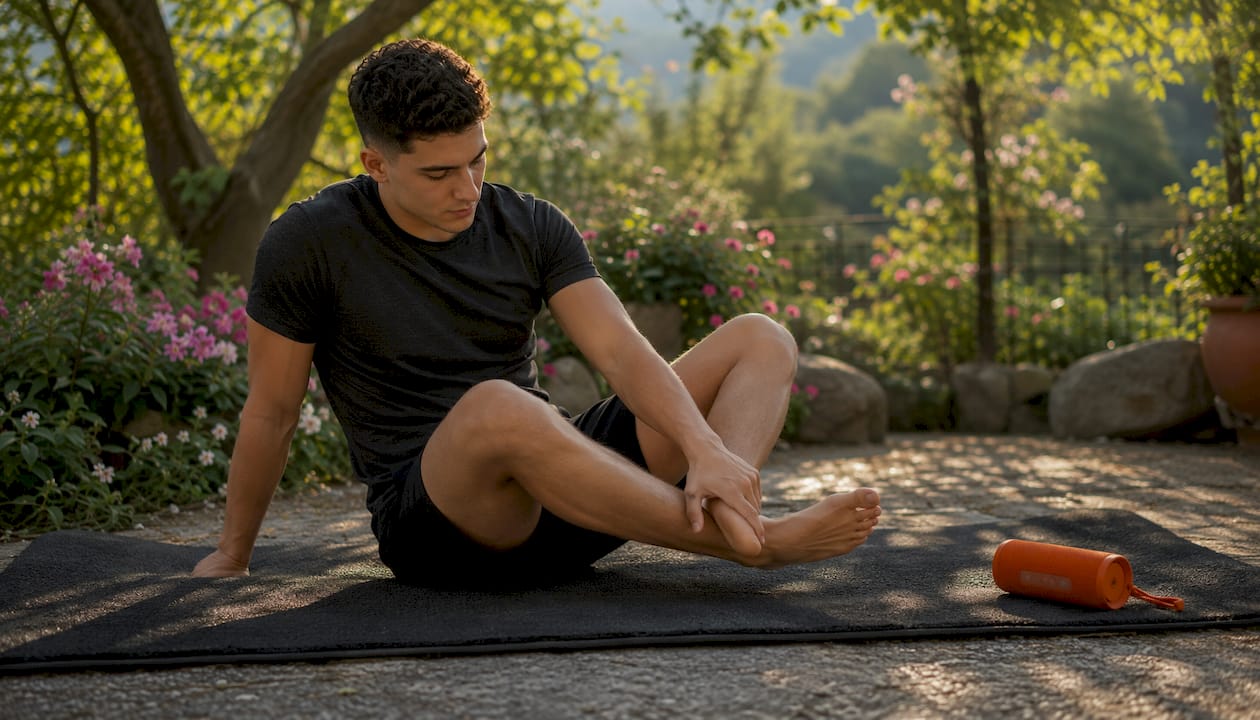
Not every sprain heals the same way. Ligaments are tough, fibrous bands that connect bones at a joint and provide stability. When a joint is forced beyond its normal range, those fibers stretch or tear, and the degree of damage determines how long recovery takes.
Sprains are classified in three grades:
Grade 1 (mild): Minor stretching with no significant tearing. Mild pain and swelling, full weight bearing usually possible. Heals in 1–2 weeks.
Grade 2 (moderate): Partial tear of the ligament fibers. Noticeable swelling, bruising, and some joint instability. Recovery typically requires several weeks.
Grade 3 (severe): Complete ligament rupture. Significant instability, inability to bear weight, and possible need for surgery. Recovery can take months.
The ankle is the most commonly sprained joint, though the wrist, knee, and thumb are also frequent sites. Grade 1 and Grade 2 sprains respond well to home care and rehab. Grade 3 injuries almost always require professional evaluation before you begin any exercise program.
RICE, PRICE, and MEAT: which treatment approach fits your stage
Three protocols guide sprain treatment, and each fits a different phase of recovery.
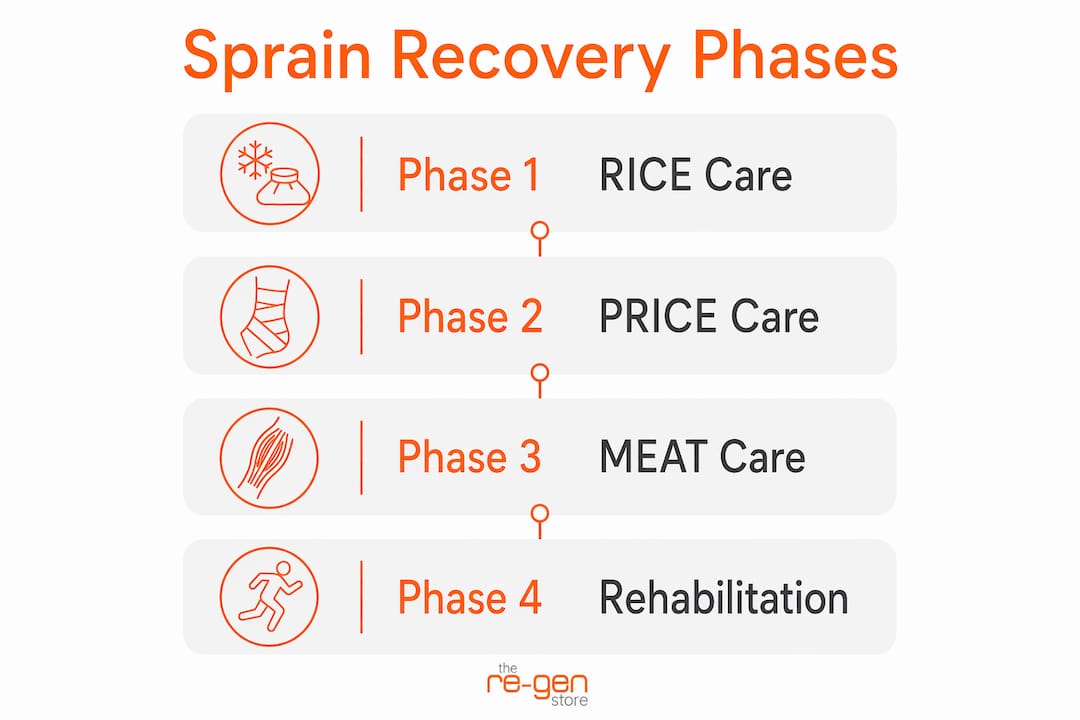
Protocol | Components | Best Timing | Primary Goal |
RICE | Rest, Ice, Compression, Elevation | First 24–48 hours | Reduce swelling and pain |
PRICE | Protection + RICE | First 2–3 days | Protect joint while controlling inflammation |
MEAT | Movement, Exercise, Analgesics, Treatment | After 48–72 hours | Restore function and tissue remodeling |
RICE and PRICE are your first-response tools. Ice applied correctly (15–20 minutes, towel-protected, every 2–3 hours) controls the inflammatory cascade without shutting it down entirely. Compression limits fluid buildup. Elevation uses gravity to drain excess fluid away from the injury site.
MEAT represents the modern shift in orthopedic care. Functional treatment prioritizes early controlled movement over rigid immobilization, and studies show people return to normal activities sooner with this approach. Analgesics (pain relievers) support comfort during movement, while “Treatment” covers physical therapy, bracing, or other provider-directed care.
The critical rule: do not skip straight to MEAT. The first 48 hours of protection and cold therapy set the foundation. Jumping into movement too soon, before swelling stabilizes, can deepen the tissue damage.
For a practical checklist covering each phase, the soft tissue care checklist from Thrival walks through each step in detail.
Rehabilitation exercises that rebuild strength and prevent reinjury
Excessive immobilization beyond 48 hours causes joint stiffness and muscle atrophy, both of which slow full recovery. Starting range-of-motion exercises within a few days restores tissue remodeling and joint stability.
Weeks 1–2: Range of motion and early strengthening
Ankle alphabet: With your heel on the floor, trace every capital letter of the alphabet with your big toe, making each letter as large as comfortable. This moves the joint through its full range without loading it.
Flexes: Pull your toes toward your body as far as possible, hold briefly, then point them away. Repeat frequently throughout the day.
Resistance band pulls: Loop an elastic band around your foot and press your toes away and down (dorsiflexion). Repeat multiple times. Reverse the anchor point and pull the foot toward you for the opposite direction.
Ankle eversion and inversion: Using a resistance band anchored to a stable surface, slowly turn the foot outward (eversion) and inward (inversion), 30 repetitions each.
Weeks 3–4: Stretching and load-bearing
Standing calf stretch: Place the injured foot behind the other, heels flat, back knee straight. Lean toward the wall until you feel the calf stretch. Hold 15–20 seconds, repeat 3–5 times.
Calf raises: Stand facing a wall, rise onto your toes, hold one second, lower slowly. Progress to single-leg lowering on the injured side as strength returns.
Weeks 4 and beyond: Balance and proprioception
Balance training retrains the neurological connection between the joint and the brain, which is critical for preventing chronic instability. A single-leg stand (30 seconds, eyes open, then eyes closed) is the simplest starting point. Progress to standing on an unstable surface like a folded towel or balance board.
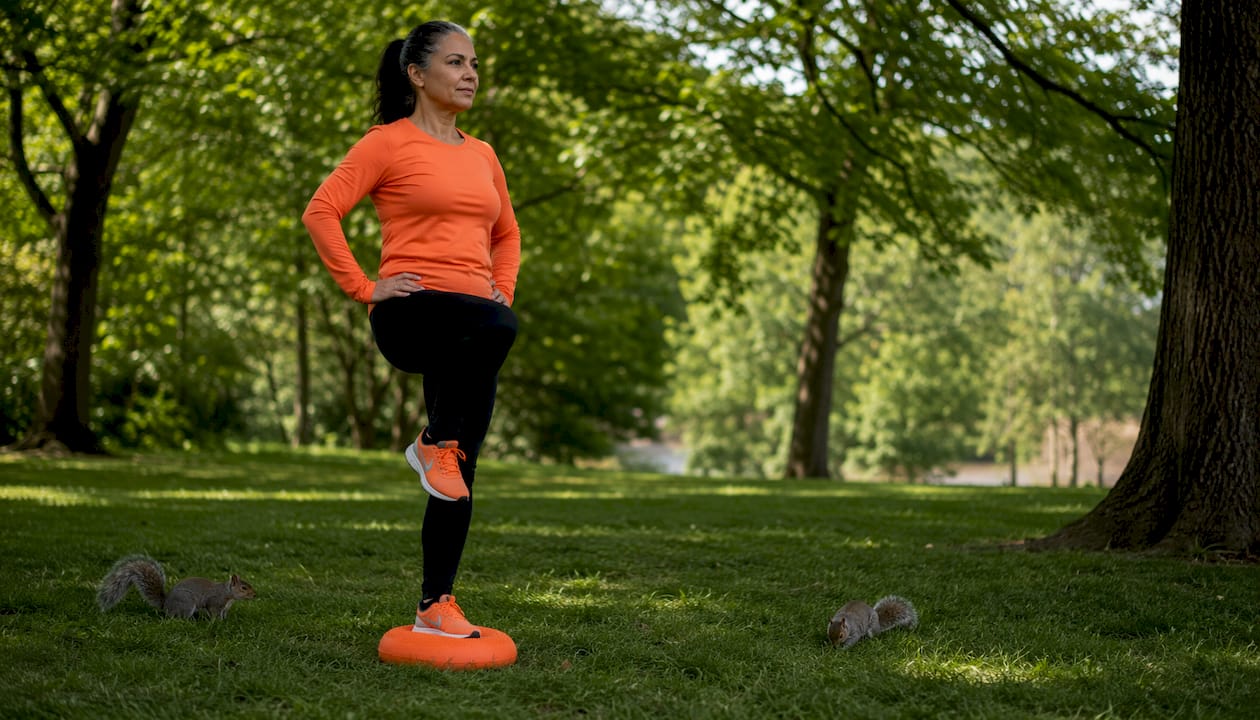
Recurrent sprains are common when strengthening and balance work are skipped. These exercises are not optional extras; they are the primary defense against spraining the same joint again.
Pro Tip: Track your pain during each session on a simple 0–10 scale. If an exercise pushes you above a 3 or 4, scale back the range or resistance. Pushing through sharp pain delays healing rather than speeding it.
How long does a sprain take to heal, and when should you see a doctor?
Recovery time depends on grade. Most mild sprains improve within 1–2 weeks. Moderate Grade 2 sprains typically resolve over several weeks with consistent rehab. Severe Grade 3 tears can take months, and some require surgical repair before rehab begins.
Key milestones and warning signs to watch:
48 hours: Pain and swelling should begin to decrease. You can start gentle weight bearing as tolerated, per Mayo Clinic guidance.
2 weeks: Most mild sprains feel substantially better. If yours does not, consult a provider.
8 weeks: Avoid strenuous running or high-impact activity until this point to prevent further damage.
Months: Severe sprains and complete ligament tears follow a longer timeline, often requiring physical therapy throughout.
Seek medical attention promptly if you experience any of the following:
Inability to bear any weight on the joint
Visible deformity or a “pop” felt at the time of injury
Severe swelling or bruising that spreads rapidly
Numbness or tingling in the foot or hand
No improvement after 2–4 weeks of home care
Without proper treatment, a severely injured ankle can lose its range of motion and stability, leading to chronic instability and repeated sprains down the road.
Natural topical options and supplements that support tissue healing
Natural approaches work best as a complement to the clinical protocols above, not a replacement. Several plant-based and dietary strategies have a real role in supporting ligament repair and reducing inflammation.
Topical support
Plant-based ointments can support soft tissue recovery when applied to the affected area. Theregenstore’s Re-gen ointment is formulated with natural, chemical-free plant ingredients designed to support skin and soft tissue healing, making it a useful addition to your recovery routine alongside compression and movement. You can explore natural support for sprains and how topical plant-based options fit into a broader recovery plan.
For those who prefer to avoid petroleum-based products, Re-gen offers a plant-based wound treatment option that supports tissue recovery without harsh chemicals.
Dietary and supplement strategies
Vitamin C: Collagen synthesis depends on vitamin C. Ligaments are largely collagen, so adequate intake supports repair. Citrus fruits, bell peppers, and strawberries are reliable sources.
Zinc: Supports immune response and tissue regeneration. Found in lean meats, pumpkin seeds, and legumes.
Protein: Adequate daily protein gives the body the amino acids needed to rebuild damaged connective tissue.
Omega-3 fatty acids: Found in fatty fish and flaxseed, omega-3s help modulate the inflammatory response during recovery.
Turmeric (curcumin): A natural anti-inflammatory compound used in traditional medicine and increasingly studied for its role in reducing joint inflammation.
Magnesium: Supports muscle function and nerve signaling. Transdermal magnesium is one delivery option for those who prefer topical absorption.
Avoid alcohol during the acute phase. Like heat, alcohol increases blood flow and can worsen swelling in the first 48–72 hours.
Key Takeaways
Healing sprains faster requires prompt PRICE care in the first 48 hours, followed by controlled movement, progressive rehab exercises, and consistent attention to nutrition and natural support.
Point | Details |
Start PRICE immediately | Apply ice for 15–20 minutes every 2–3 hours and compress the joint within the first 48 hours. |
Move early, not late | Begin range-of-motion exercises within 48–72 hours to prevent stiffness and muscle loss. |
Grade determines timeline | Mild sprains heal in 1–2 weeks, Grade 2 sprains typically take several weeks, and severe Grade 3 tears can take months and may need surgery. |
Balance training prevents reinjury | Single-leg stands and proprioception work retrain the joint-brain connection after strength returns. |
Nutrition supports repair | Vitamin C, zinc, protein, and omega-3s give the body the raw materials to rebuild ligament tissue. |
FAQ
Can a sprain heal in 24 hours?
A Grade 1 sprain can feel significantly better within 24–48 hours with proper PRICE care, but the ligament tissue itself needs at least 1–2 weeks to fully repair. Feeling better early does not mean the joint is ready for full activity.
Can I walk on my sprained ankle after 4 days?
Yes, for mild to moderate sprains. Pain and swelling typically begin to decrease within 48 hours, and gradual weight bearing is encouraged after that point. Stop if pain increases, and consult a provider if you cannot bear weight comfortably by day 4.
Why do sprains heal slowly?
Ligaments have a relatively limited blood supply compared to muscle tissue, which slows the delivery of repair cells to the injury site. Skipping rehab exercises also delays recovery by allowing stiffness and muscle weakness to set in.
Is 2 weeks enough for an ankle sprain?
For a Grade 1 sprain, yes. Most mild sprains heal within 1–2 weeks with consistent home care. Grade 2 sprains typically take several weeks, and Grade 3 injuries can require months of recovery, sometimes with surgical intervention.
Recommended
Comments