
Examples of Plant-Based Healing for Natural Recovery


Plant-based healing is defined as the therapeutic use of plant compounds, including phytochemicals, flavonoids, and alkaloids, to support recovery, reduce inflammation, and restore tissue health. This practice sits at the intersection of traditional medicine and modern clinical research, with medicinal plant-based naturopathy showing documented promise across metabolic disorders, musculoskeletal pain, and gastrointestinal conditions. The formal term used in clinical literature is phytotherapy. Understanding specific examples of plant-based healing helps you choose the right remedy for your situation and use it safely alongside conventional care.
1. What are the best examples of plant-based healing for pain?
Pain relief is one of the most clinically studied applications of plant medicine. Several compounds have moved from traditional use into formal clinical trials, producing results that rival pharmaceutical options.
Key examples include:
Full-spectrum cannabis extracts: Phase 3 clinical trial data shows cannabis extracts reduce chronic pain with fewer adverse effects than opioids. This matters because opioid dependence remains a serious public health concern.
Topical hemp seed oil: Clinical evidence from 2026 shows hemp seed oil improves knee osteoarthritis pain as effectively as diclofenac gel, a standard anti-inflammatory medication. That result positions hemp seed oil as a credible, natural alternative for joint pain.
Turmeric (curcumin): Curcumin, the active compound in turmeric, reduces inflammatory markers at the cellular level. It works by suppressing NF-kB, a protein complex that drives inflammation.
Ginger (gingerol): Gingerol inhibits prostaglandin synthesis, the same pathway targeted by ibuprofen. Clinical studies confirm its effectiveness for muscle soreness and arthritis-related discomfort.
Pro Tip: Start with topical applications before oral supplements. Topical delivery targets the affected area directly and reduces the risk of systemic side effects.
2. How do plant-based remedies promote tissue regeneration?
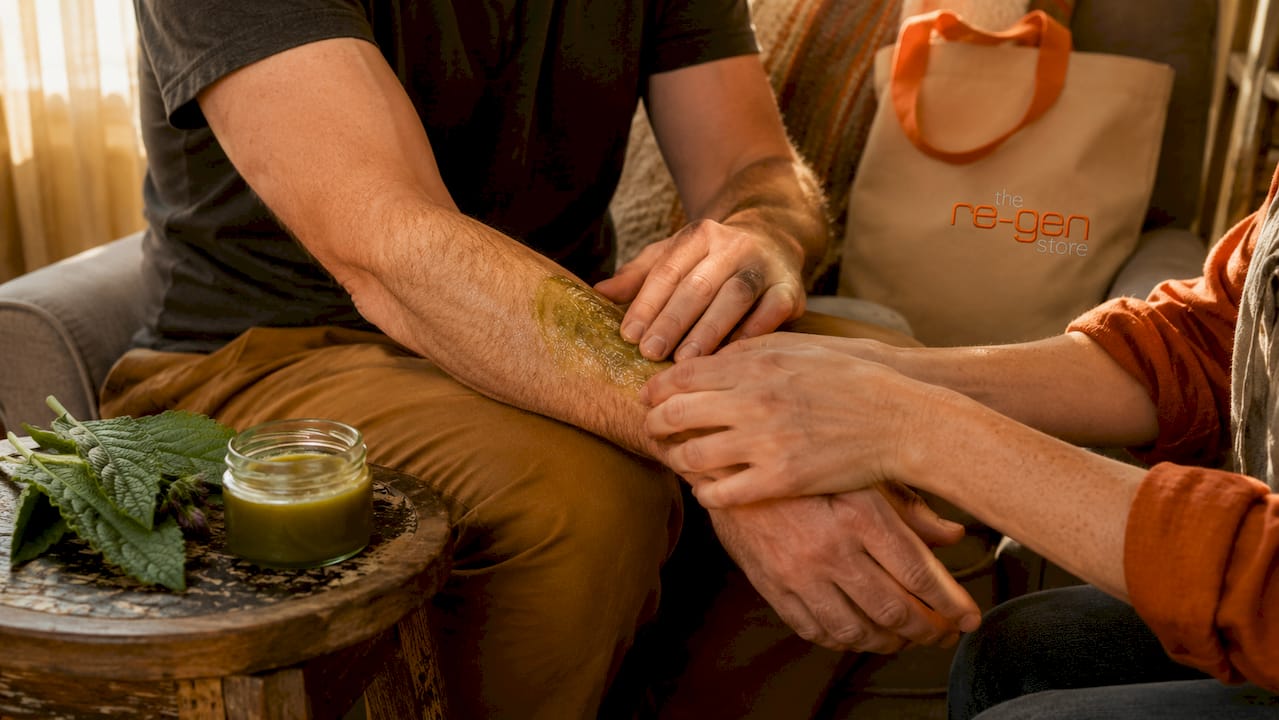
Tissue regeneration is where herbal healing examples show some of their most compelling results. Certain plants contain bioactive compounds that directly stimulate cell repair and reduce the inflammatory response that slows healing.
Comfrey is one of the most well-documented examples. Penn State research confirms that comfrey contains allantoin and rosemarinic acid, two compounds that promote tissue regeneration and reduce inflammation. Allantoin accelerates cell proliferation. Rosemarinic acid suppresses the inflammatory enzymes that break down new tissue.
Mimosa pudica offers a more recent example. A 2026 experimental formulation using a Mimosa pudica-based hydrogel demonstrated sustained release of flavonoids, tannins, and alkaloids directly into wound tissue. The hydrogel maintained skin hydration while delivering these compounds steadily over time, making it effective for burns and skin ulcers.
Here is a quick comparison of how these compounds function:
Compound | Source plant | Primary healing action |
Allantoin | Comfrey | Stimulates cell proliferation |
Rosemarinic acid | Comfrey | Reduces inflammatory enzymes |
Flavonoids | Mimosa pudica | Antioxidant and antimicrobial support |
Tannins | Mimosa pudica | Tightens tissue and reduces fluid loss |
Alkaloids | Mimosa pudica | Supports sustained wound repair |
The role of herbal extracts in wound healing is well-established across both traditional practice and modern formulation science.
Pro Tip: When using comfrey topically, apply it to unbroken skin only. Allantoin absorbs well through intact skin but should not be applied to open wounds without clinical guidance.
3. Which plants support detoxification and metabolic health?
Detoxification in a clinical sense refers to the liver and kidneys processing and eliminating metabolic waste. Several plants directly support these organs through measurable biochemical pathways.
Milk thistle: Silymarin, its active compound, protects liver cells from oxidative damage and has been shown to reduce elevated liver enzymes ALT and AST in clinical studies.
Dandelion: Acts as a mild diuretic, supporting kidney filtration and reducing fluid retention. It also contains polyphenols that support liver function.
Turmeric: Curcumin reduces liver stress markers and supports bile production, which aids fat digestion and metabolic processing.
Ginger: Gingerol supports metabolic function by reducing systemic inflammation that contributes to insulin resistance.
Clinical meta-analyses confirm that turmeric, dandelion, and milk thistle improve liver enzyme profiles and support detox pathways. These are not vague wellness claims. They are measurable outcomes tracked in controlled studies.
The key distinction here is between evidence-backed detox support and overhyped “cleanse” products. Plants like milk thistle and dandelion work by supporting the organs your body already uses to detoxify. They do not flush toxins in any dramatic or unproven way.
4. How plants create their healing compounds
Plants produce phytochemicals as a defense against environmental stressors, including UV radiation, insects, and pathogens. Humans repurpose these defensive compounds for healing. Selecting specific plant parts maximizes potency because different parts, such as roots, leaves, and flowers, contain different concentrations of active compounds.
This evolutionary context explains why preparation method matters. Roots often contain the highest concentration of alkaloids. Flowers tend to be richer in flavonoids. Leaves frequently carry the most volatile oils. Knowing which part to use is not just traditional wisdom. It is biochemically grounded.
Plants are also pharmacological laboratories that have provided foundations for modern drugs, including Taxol, a widely used cancer treatment derived from the Pacific yew tree. That lineage gives plant medicine significant scientific credibility.
5. What safety and medical integration considerations matter?
Plant-based therapies work best when used with informed oversight. Medical professionals are now urged to ask patients about herbal remedy use routinely, because interactions with prescription medications are real and underreported.
Key safety points:
Dosage variability: Herbal products lack standardized dosing in most markets. The same herb from two different suppliers can vary significantly in potency.
Drug interactions: St. John’s Wort reduces the effectiveness of birth control and anticoagulants. Ginkgo biloba increases bleeding risk when combined with blood thinners.
Preparation safety: Diluting extracts in carrier oils before topical application reduces the risk of skin irritation and sensitization.
Complementary role: Plant medicine supports recovery. It does not replace antibiotics for serious infections or surgery for structural injuries.
“Complementary therapies using medicinal plants require continued rigorous clinical trials to establish mechanisms and safety, reinforcing their role alongside mainstream medicine.” — Cureus systematic review, 2026
Always tell your healthcare provider which herbal remedies you use. That conversation protects you from interactions and helps your provider give you accurate guidance.
Key takeaways
Plant-based healing works through specific bioactive compounds, including curcumin, allantoin, and gingerol, each with clinically documented effects on pain, tissue repair, and metabolic health.
Point | Details |
Pain relief is clinically validated | Hemp seed oil and cannabis extracts show results comparable to conventional anti-inflammatories. |
Tissue repair has strong herbal support | Comfrey and Mimosa pudica deliver compounds that directly stimulate cell regeneration. |
Detox claims require specificity | Milk thistle and dandelion support liver and kidney function through measurable biochemical pathways. |
Preparation method affects safety | Diluting extracts in carrier oils and selecting the right plant part determines both potency and safety. |
Herbal use requires medical disclosure | Drug interactions are real; always inform your healthcare provider about herbal remedies you use. |
What I have learned from watching plant medicine work up close
I have spent years watching people try plant-based remedies after conventional treatments left them frustrated. The pattern I see most often is this: people either dismiss plant medicine entirely or treat it like a cure-all. Both positions miss the point.
The most effective outcomes I have observed come from people who treat herbal remedies the way a good clinician treats any tool. They ask what the compound actually does, how it is prepared, and what dose makes sense. Turmeric taken casually in food is not the same as a standardized curcumin extract at a therapeutic dose. That distinction changes outcomes.
What I find genuinely compelling about the 2026 research is how it is closing the gap between traditional knowledge and clinical proof. Comfrey has been used on sprains for centuries. Now we know exactly why it works, down to the molecular mechanism. That kind of validation does not replace traditional knowledge. It confirms it.
My honest recommendation: start with topical applications for injuries and skin recovery. They are the safest entry point, the easiest to dose, and the most directly connected to the affected area. Build from there with informed guidance.
— Kyle
Natural plant-based wound care from Theregenstore
If you are ready to apply what you have read, Theregenstore offers a direct path from research to practice. The Re-gen ointment is a petroleum-free plant-based treatment formulated for wound care, skin recovery, and soft tissue support without synthetic chemicals.
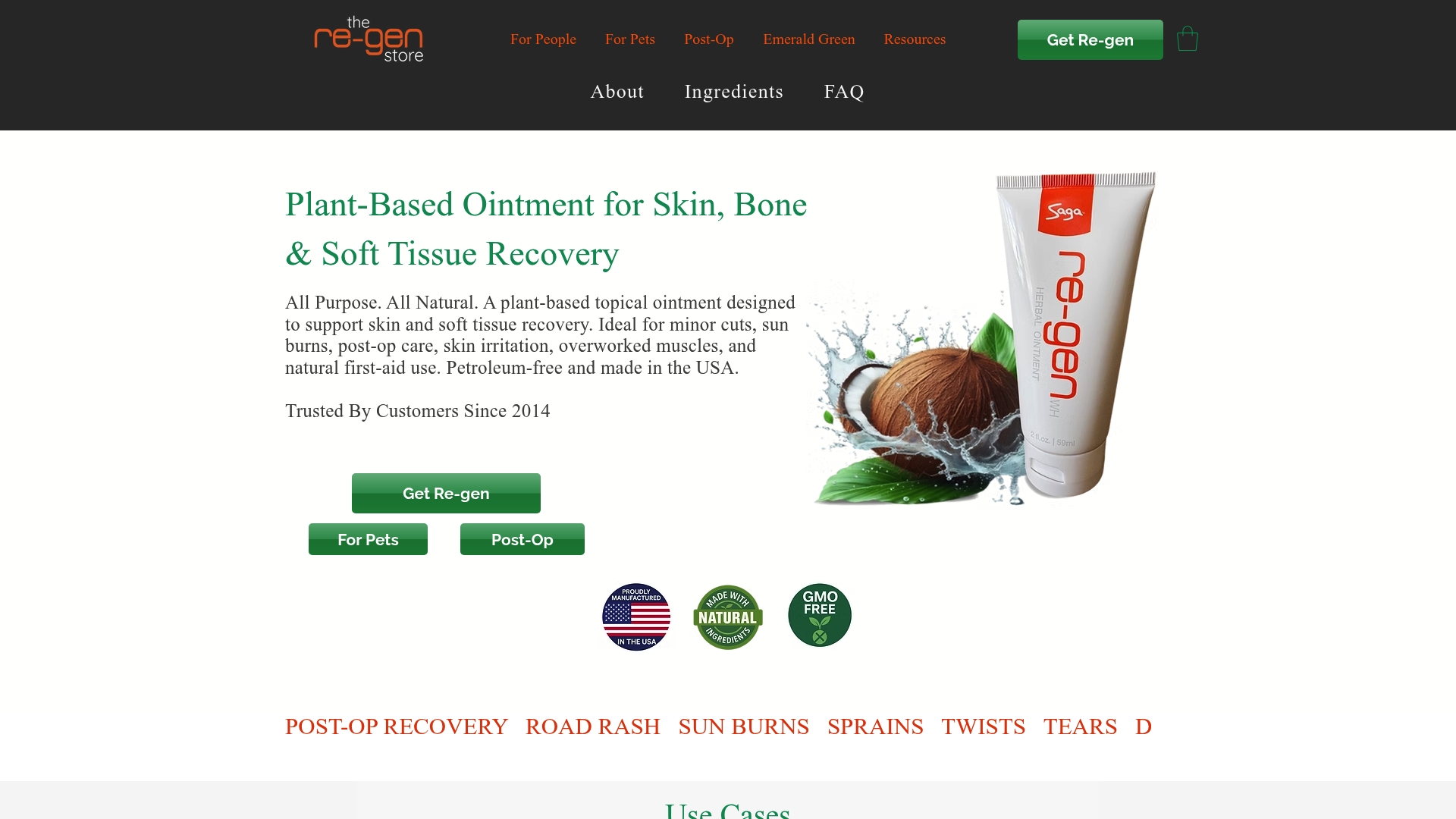
Re-gen is designed for cuts, burns, sprains, and post-operative wounds, using plant-derived ingredients that support the same regenerative pathways described throughout this article. For those looking to move away from conventional antibiotic ointments, Theregenstore also offers guidance on natural alternatives to Neosporin with full ingredient transparency. Visit Theregenstore to review product options, ingredient details, and usage guidelines for your specific recovery need.
FAQ
What is the most studied example of plant-based healing?
Turmeric (curcumin) is among the most clinically studied plant compounds, with meta-analyses confirming its effects on inflammation, liver enzymes, and metabolic health.
Can plant-based remedies replace prescription medication?
Plant-based therapies are complementary, not replacements. They support recovery alongside conventional treatment but do not substitute for antibiotics or surgery when those are medically required.
How do I use plant medicine safely at home?
Dilute herbal extracts in a carrier oil before topical use, select remedies with clinical backing, and always inform your healthcare provider about any herbal products you are using.
Which plant compounds are best for wound healing?
Allantoin from comfrey and the flavonoids and tannins in Mimosa pudica are among the best-documented compounds for accelerating tissue repair and reducing wound inflammation.
Does herbal healing work for chronic pain?
Clinical trial data shows full-spectrum cannabis extracts and topical hemp seed oil reduce chronic pain effectively, with hemp seed oil matching diclofenac gel for knee osteoarthritis in a 2026 comparison.
Recommended
Comments